Subway tile patterns rank from easiest to most difficult as follows: straight stack bond (easiest), running bond, basketweave, and herringbone (most complex). The straight stack bond arranges tiles in perfectly aligned vertical and horizontal rows, requiring only basic alignment skills. Running bond staggers tiles by half their width in a brick-like pattern, adding minimal complexity while disguising minor imperfections.
Basketweave patterns alternate horizontal and vertical tile pairs to create woven fabric appearances, demanding consistent spacing and precise placement. Herringbone ranks as the most complex, positioning tiles at angles to form V-shaped zigzags that require angled cuts and expert alignment throughout.
Pattern selection should balance your desired aesthetic with realistic installation capabilities. Simple patterns like straight stack deliver clean, modern looks with straightforward execution, while complex patterns like herringbone create sophisticated focal points that typically require professional installation expertise.
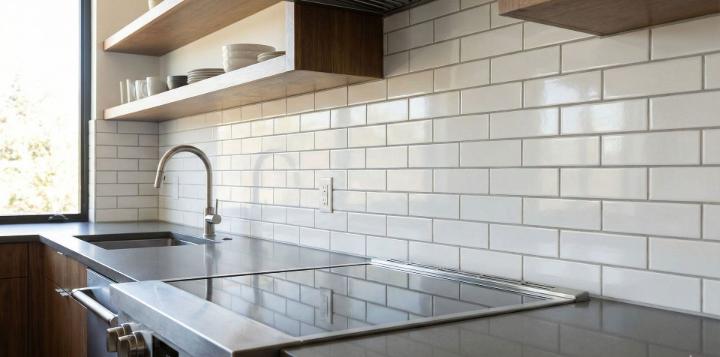
Easiest: The Straight Stack Bond Pattern
The straight stack bond ranks as the simplest subway tile pattern for installation. This layout arranges tiles in perfectly aligned vertical and horizontal rows, creating a clean grid formation where every grout line runs uninterrupted from edge to edge. The geometric simplicity eliminates offset calculations and reduces cutting requirements significantly.
This pattern thrives in contemporary spaces where clean lines and minimalist aesthetics take center stage. The grid structure creates visual order and allows other design elements like fixtures, cabinetry, and lighting to command attention. For small bathrooms or compact kitchens, the straight stack pattern maintains an open, uncluttered feel.
The pattern's regimented appearance demands precision in execution, as any deviation becomes immediately noticeable. Professional installation ensures perfectly straight grout lines that showcase the pattern's geometric clarity. The straight stack works particularly well with larger format tiles that minimize grout line frequency.
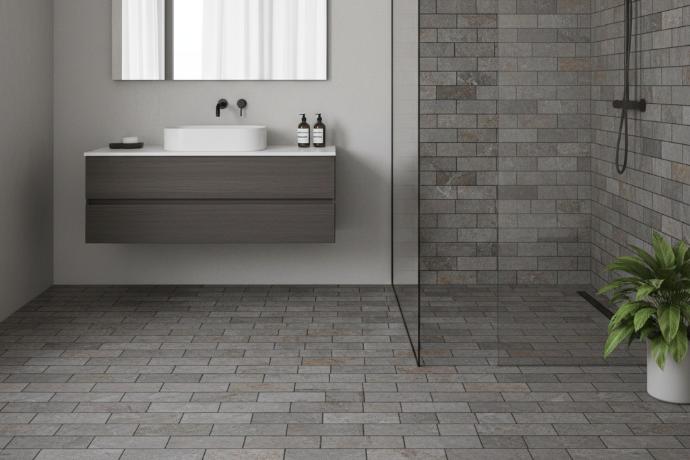
Second Easiest: The Running Bond Brick Pattern
The running bond pattern ranks as the second easiest option, offering more visual interest than straight stack while maintaining installation efficiency. This classic arrangement staggers each row by offsetting tiles at the halfway point, creating the familiar brickwork appearance. According to industry installation standards, the staggered design naturally disguises minor imperfections and provides built-in flexibility.
One major advantage of the running bond layout is its forgiving nature. The offset pattern camouflages small alignment variations that would stand out in a straight stack arrangement. The staggered joints also distribute visual weight evenly across the surface, creating a balanced, harmonious appearance.
The running bond pattern works beautifully in spaces seeking charm and character. Kitchen backsplashes and bathroom walls benefit from this layout's ability to add texture and movement. Choose tiles with rich color variation or handmade finishes to enhance the pattern's organic aesthetic.
Consider using neutral grout that blends subtly with your tile selection to maintain a cohesive look. Alternatively, contrasting grout emphasizes the brick pattern and adds graphic dimension to the design.
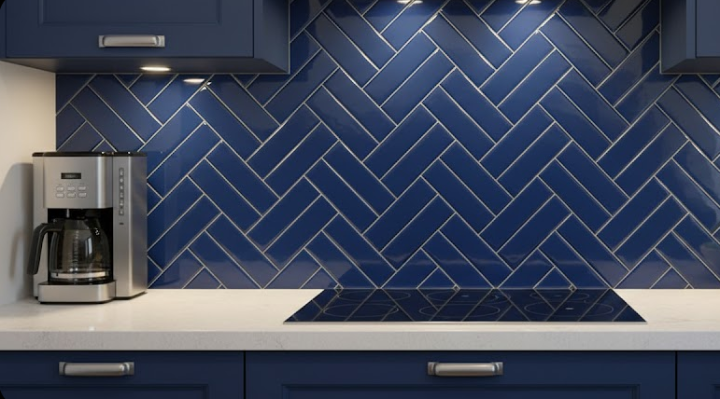
Moderate Difficulty: The Basketweave Pattern
The basketweave pattern ranks in the moderate difficulty range, creating intricate charm through alternating pairs of horizontal and vertical tiles that mimic woven fabric's appearance. This layout introduces a layered, tactile element that adds visual interest without overwhelming your design.
What makes basketweave appealing lies in its balanced combination of structure and visual rhythm. The woven effect adds dimension and interest while maintaining an overall sense of order and refinement. The geometry relies on consistent spacing throughout, with each tile placed carefully to preserve the pattern's balance.
Although this pattern involves more detail than straight or brick layouts, its consistent rhythm makes management easier than initial appearances suggest. Certified tile installers typically handle basketweave projects to ensure the geometric accuracy achieves the refined look this pattern promises.
For achieving a clean, contemporary look with subtle vintage influence, pair matte finishes with this layout, especially in cool, calming color tones. This approach works beautifully in shower spaces, powder rooms, or kitchen backsplashes seeking understated elegance.
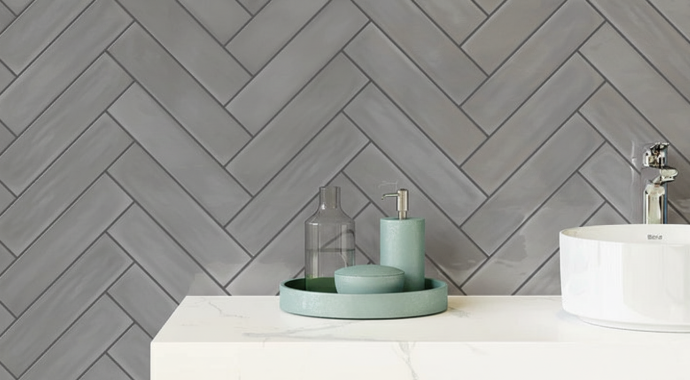
Most Complex: The Herringbone Layout
The herringbone pattern ranks as the most complex subway tile installation, delivering stunning visual impact through its distinctive V-shaped zigzag arrangement. This layout places tiles at angles to form sequential chevrons that draw the eye across the surface with remarkable dynamism.
Installing herringbone requires careful planning and precise execution. The process starts with marking a clear centerline, positioning the first tile accurately, and maintaining consistent alignment as you build the pattern outward. Professional tile installation techniques become essential at every edge and transition point.
The payoff for this additional complexity comes through the pattern's exceptional visual appeal. Herringbone installations naturally elongate spaces and create sophisticated focal points that command attention. This layout works especially effectively on feature walls, entryway floors, or bathroom surfaces.
We strongly recommend professional installation for herringbone patterns. Experienced tile setters understand how to establish proper layout lines, execute precise angle cuts, and maintain the pattern's geometric rhythm across large surfaces.
Design Applications By Difficulty Level
The straight stack bond excels in modern, minimalist environments where architectural clarity takes priority. This pattern creates striking feature walls in powder rooms, sleek kitchen backsplashes, and contemporary shower enclosures. Current bathroom tile trends showcase this pattern's continued popularity.
Running bond patterns adapt seamlessly to both traditional and contemporary settings. Their versatility makes them ideal for classic kitchen backsplashes, timeless bathroom walls, and transitional spaces that bridge multiple design styles.
Basketweave installations bring vintage charm to traditional bathrooms, farmhouse kitchens, and spaces seeking historical character. The woven texture adds depth without requiring bold colors or dramatic contrasts. Some designers even combine basketweave with terrazzo-look tile accents for added visual interest.
Herringbone installations make powerful design statements in entryways, feature walls, and bathroom floors where the pattern's directional movement guides traffic flow and draws attention. The sophisticated zigzag creates luxury appeal in master bathrooms and upscale kitchens designed according to NKBA standards.
Material Considerations Across Pattern Types
Your tile selection impacts the final appearance and installation complexity. Rectified tiles with precisely cut edges create cleaner grout lines and sharper pattern definition, especially in geometric layouts like straight stack or basketweave. Understanding the difference between ceramic and porcelain tiles helps inform your material choice.
Larger format subway tiles minimize grout lines and create more streamlined appearances. For straight stack and running bond patterns, larger formats work beautifully. For basketweave and herringbone, consider how tile size affects the pattern's visual rhythm and overall proportions.
Surface finish affects both aesthetics and the overall impression. Glossy tiles like our Linear 5x10 Glossy 3D Decorative Subway Tile showcase light reflection and create bright, expansive feels in smaller spaces. Matte finishes such as the Imagine 3x12 Matte Porcelain Subway Tile offer sophisticated, understated appearances.
Tile thickness consistency becomes increasingly important as pattern complexity increases. Herringbone and basketweave patterns showcase any variation in tile thickness more prominently than simpler patterns. Following ANSI standards for ceramic tile ensures quality and consistency. For natural stone alternatives, consult the Natural Stone Institute for material guidance.
Professional Installation Benefits
Professional installers bring expertise in substrate preparation, layout planning, and precise execution that ensures optimal results across all pattern types. They understand how to address wall irregularities, manage transitions, and achieve the tight tolerances that complex patterns demand.
For straight stack and running bond patterns, professional installation guarantees perfectly aligned grout lines and consistent spacing. For basketweave and herringbone patterns, professional expertise becomes essential for achieving the geometric precision these layouts require.
Experienced tile setters can also advise on grout selection, spacing, and finish treatments that enhance your chosen pattern's appearance. They bring specialized tools and techniques that ensure proper adhesive coverage, lippage management, and edge treatments. Many professionals stay current through events like the annual Coverings tile expo.
Grout Considerations By Pattern Type
Grout selection significantly impacts how your chosen pattern reads visually. For straight stack patterns, grout lines become prominent design elements due to the continuous vertical and horizontal alignment. Porcelain and ceramic tiles interact differently with grout, affecting your final aesthetic.
Running bond patterns offer more flexibility with grout color choices. Matching grout creates cohesive appearances, while contrasting grout emphasizes the traditional brick pattern structure.
Basketweave patterns benefit from grout colors that provide subtle contrast, allowing the woven pattern to read clearly without excessive visual noise. Herringbone patterns typically look most sophisticated with grout colors that closely match the tile selection, keeping attention on the pattern's geometric movement.
Conclusion
Subway tile pattern selection significantly impacts both installation complexity and final aesthetic results. The straight stack bond ranks as the easiest installation option, creating clean, modern looks through simple grid alignment. Running bond patterns add traditional charm while remaining accessible, naturally disguising minor variations through their staggered design.
Basketweave patterns occupy the moderate difficulty range, creating sophisticated woven appearances that demand consistent spacing and careful execution. Herringbone ranks as the most complex pattern, positioning tiles at angles to create dynamic zigzag designs that require professional expertise for optimal results.
At Nova Tile and Stone, we understand that selecting the right pattern represents just one step in creating your dream space. Our Northern Nevada and Northern California showrooms in Reno, Minden, Sacramento, and Fernley offer hands-on access to quality subway tiles in various sizes, colors, and finishes.
Browse our complete tile shop or learn more about our company and the premium products we carry. Take advantage of our $1 cut-to-order 4x4 sample program to test your chosen pattern at home before committing to your full order.
Featured Products
Schedule a free design consultation with our experienced team to discuss which pattern works best for your project aesthetic and space requirements.
Frequently Asked Questions
What is the simplest subway tile pattern to install?
The straight stack bond is the simplest pattern, arranging tiles in perfectly aligned vertical and horizontal rows with clean, uninterrupted grout lines. This requires only basic alignment skills without offset calculations or complex spacing decisions.
Why does herringbone rank as the most difficult pattern?
Herringbone requires precise angled cuts and careful alignment throughout the installation. Each tile must be positioned at specific angles to create the V-shaped zigzag design, and any misalignment compounds across the surface, typically requiring professional installation.
How does basketweave compare to running bond in difficulty?
Basketweave ranks higher in difficulty due to alternating horizontal and vertical tile orientation requiring consistent spacing. Running bond simply staggers tiles horizontally, creating a forgiving pattern that naturally disguises minor variations.
Do larger subway tiles make patterns easier to install?
Larger format subway tiles reduce the total number of pieces requiring placement, which can simplify straight stack and running bond installations. However, larger tiles demand flatter substrate preparation and more careful adhesive coverage to prevent lippage issues. For complex patterns like herringbone and basketweave, larger tiles create heavier pieces that can be more challenging to position at angles or in alternating orientations.
Should I use contrasting or matching grout with my subway tile pattern?
Grout color selection depends on which pattern you're installing and your desired visual impact. Straight stack patterns work well with contrasting grout that emphasizes the grid structure in contemporary spaces. Running bond patterns offer flexibility, with matching grout creating seamless appearances and contrasting grout highlighting the brick pattern. Basketweave patterns benefit from subtle contrast that allows the woven effect to read clearly without excessive visual noise. Herringbone patterns typically look most sophisticated with matching grout that keeps focus on the zigzag movement rather than individual grout lines.