Subway tile is the ideal wall covering for laundry rooms and mudrooms because its glazed, non-porous surface resists moisture, stains, and mold while requiring only basic cleaning with soap and water. These durable ceramic or porcelain tiles protect walls from washing machine splashes, muddy handprints, and pet messes while adding timeless design appeal to high-traffic utility spaces.
Key benefits of subway tile in laundry rooms and mudrooms:
- Moisture resistant: Glazed surfaces repel water, humidity, and prevent mold growth
- Easy to clean: Wipe down with a damp cloth or standard household cleaner
- Durable: Lasts 20-50 years with proper installation and minimal maintenance
- Versatile design: Available in sizes from 2x4 to 4x16 inches, multiple colors, and glossy or matte finishes
- Pet-friendly: Waterproof surface ideal for dog washing stations and muddy paw cleanup
Whether you're tiling behind a washing machine, creating a dog shower, or protecting mudroom walls from daily wear, subway tile delivers the perfect combination of functionality and style. This guide covers the best tile sizes, colors, grout choices, and installation tips for utility spaces.
Why Subway Tile Excels in Utility Spaces
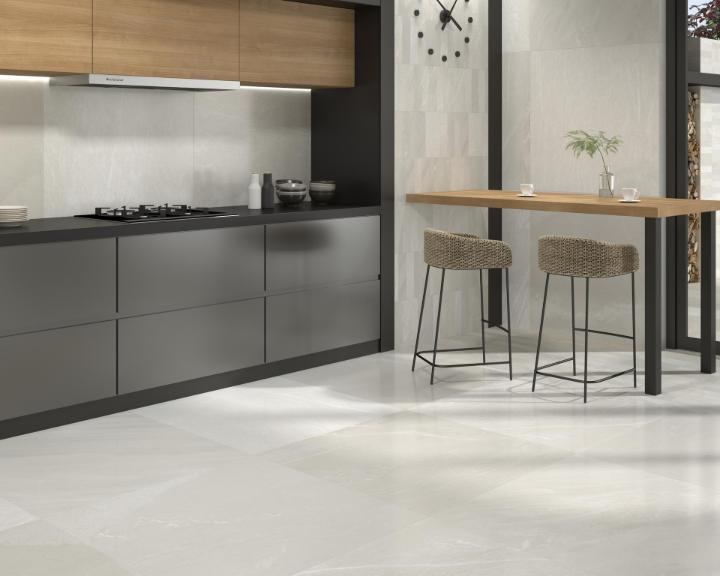
Subway tile earned its reputation in the early 1900s New York subway system precisely because it could handle demanding conditions. Those same qualities make it ideal for modern laundry rooms and mudrooms where practicality matters as much as aesthetics.
The glazed surface of ceramic and porcelain subway tiles creates a non-porous barrier that resists moisture, stains, and bacterial growth. According to ANSI ceramic tile standards, properly manufactured tiles meet strict requirements for water absorption and durability. Splashes from the washing machine, muddy handprints, and humid air won't penetrate properly installed subway tile.
Unlike painted drywall that absorbs moisture and develops mold, or wallpaper that peels in humid conditions, subway tile maintains its appearance for decades with minimal maintenance. Cleaning couldn't be simpler, a damp cloth or standard household cleaner removes dirt, detergent residue, and grime without special products or techniques. This low-maintenance quality proves invaluable in spaces where messes happen daily.
Selecting the Right Subway Tile Size
Traditional 3x6 subway tiles remain popular for laundry rooms and mudrooms, offering familiar proportions that work in spaces of any size. However, exploring alternative formats can enhance your design and reduce installation time.
Elongated formats like the Imagine 3x12 Matte Porcelain Subway Tile or 4x16 tiles create fewer grout lines, producing a cleaner, more streamlined appearance that emphasizes horizontal movement. These larger tiles make narrow laundry rooms feel wider and reduce overall maintenance since fewer grout joints mean less cleaning. Browse our complete shop by size collection to compare format options.
Smaller format tiles in 2x4 or 2x6 dimensions deliver enhanced visual texture and additional grout lines that improve traction in potentially wet areas. Consider your room's proportions when selecting tile size, compact laundry closets benefit from smaller tiles that don't overwhelm the space. For detailed layout guidance, Tile Letter's layout tips offers professional techniques for utility space installations.
Best Colors for Laundry Rooms and Mudrooms
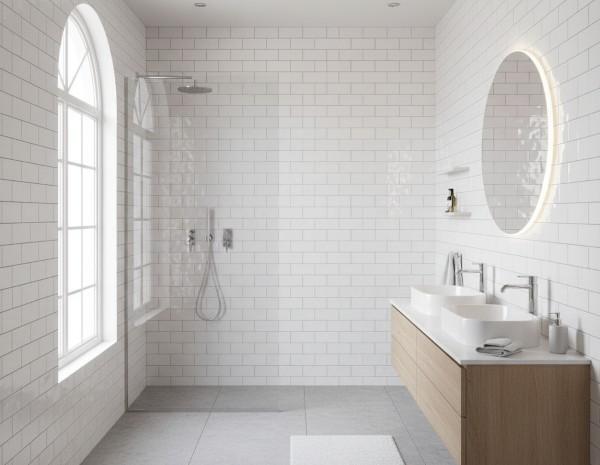
Color selection in utility spaces requires balancing aesthetic preferences with practical considerations. The right shade transforms daily chores while concealing inevitable wear between deep cleanings. Our subway tiles color collection showcases the full spectrum of options available.
Classic White: Bright white subway tile maximizes light reflection in often windowless laundry rooms, creating an airy, clean atmosphere that makes the space feel larger. White signals cleanliness and freshness, psychologically appropriate for rooms dedicated to cleaning clothes. Pair white tiles with colored grout for visual interest or matching white grout for seamless continuity.
Warm Neutrals: Beige, cream, and greige subway tiles introduce warmth without sacrificing versatility. These tones complement natural wood shelving, woven baskets, and brass hardware popular in transitional and farmhouse-style utility rooms. Explore our shop tiles by color page to find the perfect neutral shade. Warm neutrals also hide minor dirt and water spots better than stark white.
Soft Gray: Gray subway tiles deliver contemporary sophistication while offering excellent practical performance. Mid-tone grays camouflage dust, lint, and minor stains that would show prominently on lighter tiles. The neutral foundation coordinates with virtually any accent color you might introduce through towels, storage bins, or decorative elements.
Sage Green and Soft Blue: Nature-inspired colors create calming atmospheres that transform mundane chores into more pleasant experiences. Current bathroom tile trends show increasing popularity for these organic hues in utility spaces. Sage green particularly suits mudrooms that transition between outdoor and indoor spaces.
Bold Navy and Charcoal: Darker subway tiles make dramatic statements in utility spaces with adequate lighting. The Linear 5x10 Glossy 3D Decorative Subway Tile adds dimensional interest in deeper tones. Balance darker tiles with white cabinetry and adequate lighting to prevent cave-like atmospheres.
Strategic Grout Color Selection
Grout color significantly impacts both aesthetics and maintenance in laundry rooms and mudrooms. Unlike formal living spaces where high-contrast grout might create desirable graphic effects, utility areas benefit from grout choices that minimize visible wear.
Medium Gray Grout: The most practical choice for utility spaces, medium gray grout conceals dirt, soap residue, and general wear while providing subtle definition that highlights individual tiles. This forgiving shade reduces cleaning frequency without appearing dingy or neglected.
Matching Grout: Selecting grout that closely matches your tile color creates seamless surfaces where individual tiles recede and the overall wall becomes the focal point. This approach works beautifully with colored subway tiles and minimizes the appearance of grout line discoloration over time.
Charcoal and Dark Grout: Dark grout with lighter tiles creates bold contrast that emphasizes the subway tile pattern. While visually striking, this combination requires more frequent cleaning in mudrooms where dust and lint accumulate. Reserve high-contrast grout for spaces you're committed to maintaining regularly.
Avoid Pure White Grout: While beautiful initially, white grout shows every mark, stain, and discoloration. Laundry rooms generate lint, detergent splashes, and humidity that quickly dull white grout. Select grout at least a few shades darker than pure white for practicality.
Designing Pet-Friendly Utility Spaces
Mudrooms increasingly serve as pet care centers, and subway tile accommodates four-legged family members beautifully. The waterproof, easy-clean surface handles everything from muddy paw prints to full dog washing stations.
Built-in dog showers have become popular mudroom features, and subway tile provides the ideal wall covering for these wet areas. According to NKBA guidelines, proper wet area design requires appropriate waterproofing and tile selection. Install tile from floor to ceiling within the shower area, extending at least six inches beyond the splash zone on adjacent walls.
For dog shower areas, porcelain subway tiles with water absorption rates below 0.5% perform best. The TCNA guidelines on porcelain tile explain how these low-absorption tiles resist moisture damage in high-humidity applications. Select darker grout throughout pet-focused mudrooms, charcoal or dark gray grout camouflages tracked-in debris while coordinating with popular subway tile colors.
Combining Subway Tile with Floor Selections
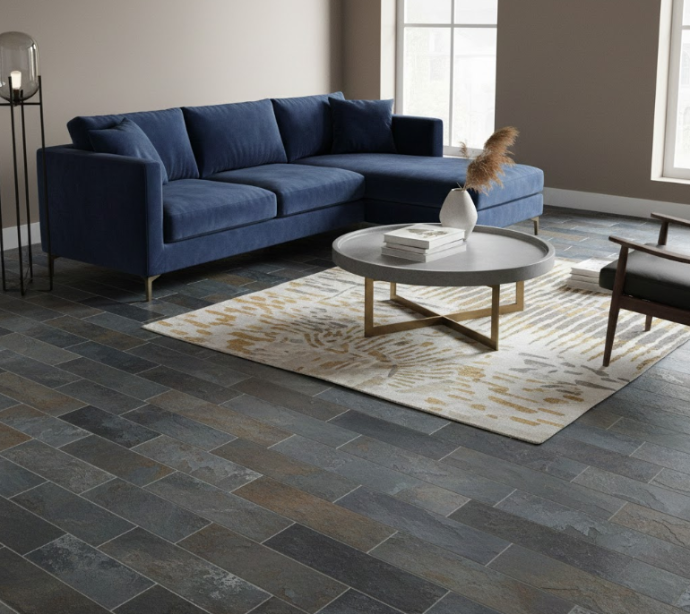
Successful laundry room and mudroom designs often pair subway tile walls with complementary floor treatments. The wall tile establishes visual continuity while durable floor materials handle foot traffic. Browse our shop by style collection for coordinating options.
Hexagon Floor Tiles: Classic hexagon tiles in white, gray, or black create beautiful contrast with rectangular subway wall tiles. The geometric interplay adds visual interest without competing patterns, and hexagon tiles provide excellent slip resistance.
Patterned Cement Tiles: Encaustic or cement tiles in bold patterns deliver personality to utility floors. Our terrazzo-look collection offers contemporary options that pair beautifully with subway tile walls.
Large Format Porcelain: Contemporary designs often feature large format porcelain floor tiles with minimal grout lines paired with subway tile walls. The Ceramic Tile Distributors Association provides resources for understanding tile certifications and quality standards when selecting floor materials.
Installation Considerations
Proper installation ensures your subway tile performs flawlessly in demanding utility environments. Following Ceramic Tile Foundation edge protection techniques ensures professional results with finished edges. Moisture management requires particular attention in laundry rooms where washing machines generate humidity.
Install cement backer board rather than standard drywall behind laundry room subway tile. This moisture-resistant substrate prevents water damage if leaks occur and provides superior tile adhesion. The Natural Stone Institute and Coverings trade resources offer additional guidance on proper substrate preparation for lasting installations.
Consider extending subway tile to ceiling height in laundry rooms. Floor-to-ceiling installation eliminates the painted wall section above tile that can develop moisture damage and mold. For mudroom applications, tile wainscoting to approximately 48-54 inches protects walls in the zone where most contact occurs.
Conclusion
Subway tile transforms laundry rooms and mudrooms from neglected utility spaces into beautiful, functional rooms that enhance daily life. The same durability that served New York's transit system over a century ago delivers lasting performance in today's hardest-working home spaces. Easy maintenance, moisture resistance, and timeless design make subway tile the smart choice for areas that endure constant use.
Whether you select classic white tiles with gray grout for maximum practicality or bold colored tiles that make a design statement, subway tile elevates utility spaces to match the rest of your home. The investment pays dividends in reduced maintenance, increased home value, and the simple pleasure of enjoying well-designed rooms throughout your house.
Visit our showrooms in Reno, Sacramento, Minden, or Fernley to see subway tile options in person and discuss your laundry room or mudroom project with our design experts.
Featured Products
Take advantage of our $1 sample program to test colors and finishes in your actual space. Contact us today or browse our complete tile collection to get started on your project.
Frequently Asked Questions
What subway tile size works best for small laundry rooms?
Standard 3x6-inch subway tiles work well in compact laundry rooms without overwhelming the space. For an even more open feeling, consider installing tiles vertically to draw the eye upward and create the illusion of higher ceilings. If your laundry room lacks natural light, choose glossy finishes that reflect available light. Visit Nova Tile and Stone to explore size options in person.
Is subway tile durable enough for mudroom floors?
Subway tile is designed primarily for wall applications and isn't recommended for mudroom floors that endure heavy foot traffic and grit that can scratch glazed surfaces. Instead, use subway tile on walls and select durable floor options like porcelain tile or natural stone rated for high-traffic use. Explore the products we carry for flooring alternatives that coordinate with subway wall tiles.
How do I protect the wall behind my washing machine with subway tile?
Install subway tile extending at least 12 inches on each side of your washing machine and from the floor to approximately 48 inches high or higher for top-loaders. Use cement backer board rather than drywall as your substrate for superior moisture protection. Apply waterproof membrane over the backer board before tiling for maximum protection against leaks. Seal grout lines with quality grout sealer and reapply annually.
What grout color hides dirt best in mudrooms?
Medium to dark gray grout hides dirt most effectively in mudrooms where tracked-in debris is inevitable. Charcoal grout works excellently with both light and dark subway tiles, concealing dust, soil, and everyday wear while providing enough contrast to define individual tiles. Avoid white or very light grout in mudrooms, as it shows every mark and requires constant cleaning.
Can I install subway tile in a dog washing station?
Absolutely! Subway tile is an excellent choice for dog washing stations due to its waterproof surface and easy cleaning. Use porcelain subway tiles with water absorption rates below 0.5% for maximum moisture resistance. Install tile from floor to ceiling within the washing area and extend coverage at least six inches beyond the splash zone. Learn more about us and our design consultation services for help planning your pet-friendly mudroom project.