Subway tiles work in nearly any room where durability and style matter. Beyond kitchen backsplashes, they excel in bathrooms for superior moisture resistance, mudrooms for easy cleaning, and entryways for high-traffic durability. Designers increasingly specify subway tile layouts for living rooms and commercial spaces where the format's classic 3:1 rectangular ratio creates visual interest without overwhelming smaller areas.
Industry events like Coverings, North America's premier tile and stone exhibition, regularly showcase innovative subway tile applications that demonstrate the material's expanding role in contemporary design. Creative backsplash ideas using chevron subway tile or herringbone subway tile backsplash patterns work equally well on fireplace surrounds and accent walls where texture adds depth.
Modern subway tile patterns like basketweave subway tile arrangements suit traditional spaces, while vertical subway tile installations make rooms feel taller and more spacious. Colored subway tile options expand design possibilities beyond classic white, and subway tile with dark grout defines architectural features through strategic contrast.
These versatile applications succeed because subway tile's rectangular format adapts to both subtle backgrounds and bold statement walls depending on layout choice and grout color. When planning unconventional applications, explore the complete tile selection to discover sizes, finishes, and colors matching your project requirements.
This guide examines practical strategies for incorporating subway tiles in spaces beyond kitchens, covering installation considerations, pattern selections, and design approaches that maximize the format's potential.
Bathroom Applications That Showcase Subway Tile Versatility
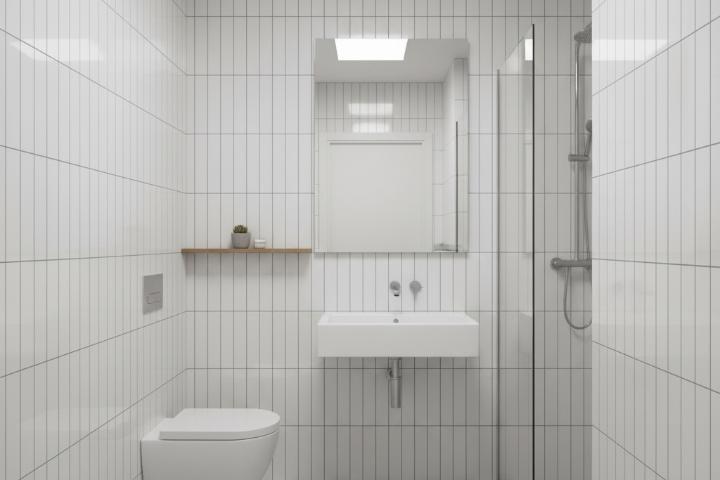
Subway tiles dominate bathroom design because the rectangular format fits naturally on tub surrounds, shower walls, and wainscoting installations, creating waterproof surfaces that clean easily and resist mildew growth. A 3x6 subway tile format works particularly well for standard tub surrounds, providing adequate coverage without requiring excessive cuts around fixtures.
Vertical subway tile elongates walls and draws the eye upward, making 8-foot ceilings feel taller. Herringbone patterns add movement and sophistication to shower floors and accent walls. Recessed niches gain visual definition when lined with contrasting subway tile patterns, while colored subway tile inside niches adds pops of personality. Built-in shelves become focal points when paired with terrazzo-look accents that add texture and visual weight.
Living Spaces Where Subway Tiles Solve Design Challenges
Fireplace surrounds benefit from subway tile installations that withstand heat while creating clean, contemporary focal points. The rectangular format scales beautifully from small gas inserts to large wood-burning fireplaces, handling temperature fluctuations better than many natural stones.
Accent walls in living rooms gain texture through subway tile installations that introduce pattern without overwhelming spaces. Vertical installations add height in rooms with low ceilings, while horizontal patterns emphasize width. Browse tiles by color to find shades that coordinate with existing furnishings. Home bars and coffee stations leverage subway tile's moisture resistance, with installations protecting walls from splashes while creating dedicated beverage zones.
Mudroom and Laundry Room Installations
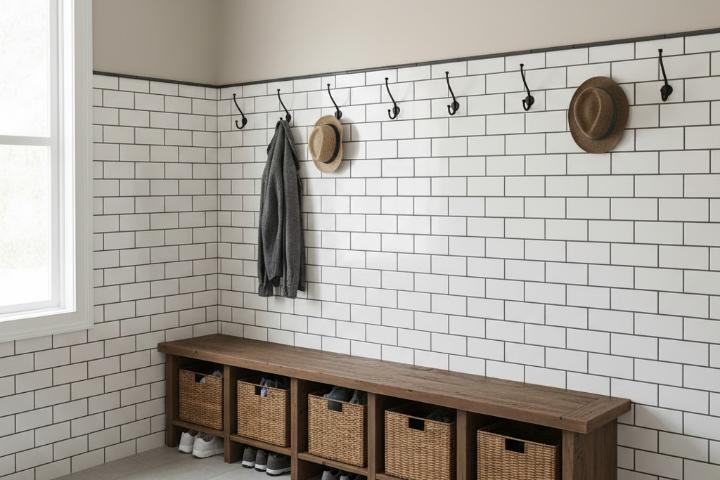
Mudrooms demand materials that handle abuse from pets, boots, sports equipment, and weather-related messes. Subway tiles deliver the impact resistance and water resistance these high-traffic spaces require, creating washable surfaces that simplify cleaning. Wainscoting installations protect lower wall sections most vulnerable to damage while keeping upper walls painted for warmth.
The tile industry maintains rigorous standards for material performance in demanding environments. According to the Natural Stone Institute, proper material selection and installation methods ensure long-term durability in areas exposed to moisture and heavy use. For mudroom applications, subway tiles offer proven resilience against the constant stress these transition spaces endure, combining practical performance with design appeal that welcomes family and guests alike.
Laundry rooms gain functional elegance through subway tile backsplashes behind washers and dryers. Matte porcelain options resist temperature fluctuations common in laundry areas. Pattern choices should prioritize ease of cleaning, with subway tile with dark grout hiding stains in areas where messes happen frequently.
Outdoor and Semi-Outdoor Applications
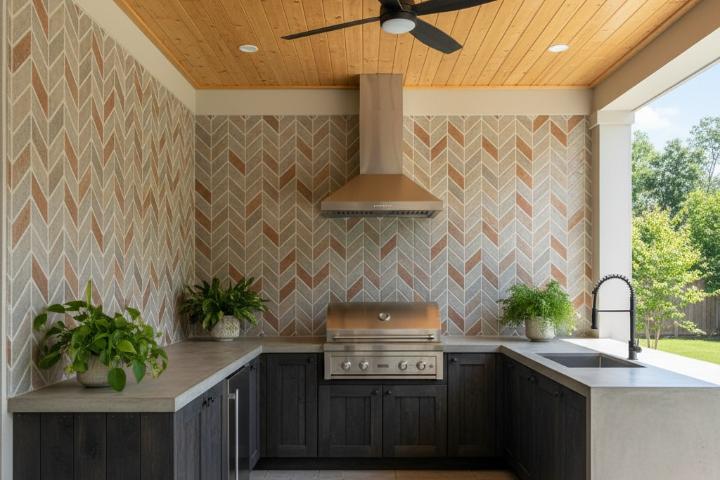
Covered patios gain weather-resistant accent walls through subway tile installations that withstand temperature swings and moisture exposure. The same tile options used indoors extend to protected outdoor spaces. Outdoor shower installations showcase subway tile's practical beauty, creating waterproof enclosures that rinse clean after beach trips or pool sessions.
According to the Tile Council of North America, porcelain subway tiles rated for outdoor use must meet specific absorption and frost resistance criteria. Entryway alcoves and covered porches benefit from installations that bridge indoor and outdoor aesthetics. Tiles organized by size help identify formats that scale appropriately for entryway dimensions.
Comparing Subway Tile Applications Across Space Types
Bathroom Walls | Moisture resistance | Herringbone/vertical | Weekly wipe |
Living Accents | Visual texture | Stack bond | Monthly dust |
Mudrooms | Impact resistance | Running bond | Daily spot clean |
Outdoor Kitchens | Weather resistance | Running bond | Weekly rinse |
Fireplaces | Heat resistance | Vertical | Seasonal |
Laundry Areas | Chemical resistance | Running bond | Weekly wipe |
This comparison highlights how subway tiles adapt to different environments while maintaining consistent benefits.
Installation Considerations Beyond Standard Kitchens
Substrate selection matters more in non-kitchen applications. Drywall suffices for low-moisture areas like living rooms. Cement backer board becomes essential in bathrooms and outdoor applications. According to ANSI specifications, proper substrate preparation prevents 90% of tile failures. Expansion joints at inside corners and where tile meets other materials prevent cracking.
Step-by-Step Guide: Installing Subway Tile Accent Walls
- Surface Preparation - Clean walls thoroughly and repair damage. Prime porous surfaces and level walls if they deviate more than 1/8 inch over 10 feet.
- Layout and Installation - Dry-lay tiles to determine optimal starting points. Spread thinset in small sections using notched trowels. Back-butter tiles for better coverage. Follow your pattern consistently with spacers for uniform grout lines.
- Grouting and Sealing - Wait 24-48 hours before grouting. Apply grout using a rubber float. Seal grout lines in moisture-prone areas after curing.
Professional Design Insights for Unconventional Spaces
Mixing tile sizes adds visual interest. Combining standard 3x6 tiles with decorative 5x10 options creates focal points on feature walls. Grout color dramatically impacts appearance. White grout creates seamless surfaces, while dark grout emphasizes patterns. According to Wikipedia's tile history, subway tiles gained popularity in transit systems because smooth surfaces cleaned easily, properties making them ideal for residential applications.
Pros and Cons of Non-Kitchen Applications
Advantages:
- Waterproof surfaces in moisture-prone areas
- Texture without overwhelming spaces
- Impact resistance exceeding painted drywall
- Easy cleaning with standard products
- Handles temperature fluctuations well
Disadvantages:
- Requires proper substrate preparation
- More skill needed than painting
- Cold to touch without insulation
- Periodic grout cleaning required
- May feel clinical in cozy spaces
Maintenance and Design Trends
Cleaning varies by location. Glossy bathroom tiles show water spots quickly, requiring daily squeegee use. Matte living area finishes need only monthly dusting. Tile Doctor recommendations emphasize pH-neutral cleaners. Outdoor installations need seasonal inspections.
Color blocking uses multiple tile colors for geometric patterns Colored subway tile collections provide palette options. This Old House notes current trends favor larger formats (4x12 and 3x12) over traditional 3x6 sizes.
Commercial applications include retail Instagram-worthy backgrounds and restaurant bathrooms signaling cleanliness. Properly installed tiles prove cost-effective commercially. Medical offices use tiles meeting ANSI standards for sanitary surfaces.
Planning Your Unconventional Subway Tile Project
Order 10% extra material for running bond patterns, 15% for herringbone. Budget should include substrate preparation, waterproofing, thinset, grout, sealer, and professional installation if needed. Contact local retailers for project estimates.
Shopping locally in Northern Nevada and Northern California provides climate-specific expertise for product selection. Professional design consultations help visualize applications before committing. Family Handyman's tile trends provides guidance on DIY versus professional installation. Technical specifications matter for non-kitchen applications, with retailers providing detailed sheets matching materials to uses.
Conclusion
Subway tiles deliver exceptional versatility extending beyond kitchen backsplashes into bathrooms, living areas, mudrooms, outdoor spaces, and commercial environments. The rectangular format adapts through creative subway tile layouts including chevron subway tile, herringbone subway tile backsplash patterns, and vertical subway tile arrangements. Whether planning colored subway tile accent walls or exploring subway tile bathroom trends with dark grout, the format's flexibility supports both traditional and contemporary visions.
Success starts with proper material selection matched to specific conditions and performance requirements. Understanding substrate needs, choosing appropriate thinset, and implementing correct installation techniques prevents failures. Working with experienced tile professionals helps navigate these technical considerations while exploring design possibilities. The durability, water resistance, and low maintenance that made subway tiles kitchen staples translate directly to alternative applications, creating lasting value.
Ready to explore subway tile options for your unconventional project? Visit showrooms near you to see completed installations, discuss your application with design specialists, and discover materials suited to your vision.
Frequently Asked Questions
Can subway tiles be used on floors in living spaces?
Yes, but you must select floor-rated porcelain tiles rather than standard wall tiles. Floor-rated subway tiles have lower water absorption and higher break strength to withstand foot traffic. They also feature textured or matte surfaces that provide adequate slip resistance for safe walking. Wall tiles used on floors will crack under weight and create unsafe surfaces that fail quickly.
Do outdoor subway tile installations require special maintenance?
Outdoor installations need seasonal inspections and periodic grout resealing every 2-3 years to maintain water resistance. Clean tiles with pH-neutral cleaners and power wash annually to remove organic growth and accumulated dirt. In freeze-thaw climates, verify that all grout lines remain intact before winter to prevent water infiltration that causes cracking when temperatures drop below freezing.
How do I prevent hollow-sounding subway tiles on accent walls?
Hollow sounds indicate insufficient thinset coverage between tile and wall. Prevent this by applying thinset with properly sized notched trowels and back-buttering individual tiles for 95% coverage. Press each tile firmly and use slight twisting motions to collapse trowel ridges and eliminate air pockets. Maintaining consistent pressure across all tiles during installation ensures uniform adhesion.
What subway tile size works best for small bathrooms?
Standard 3x6 subway tiles suit small bathrooms because their moderate size doesn't overwhelm compact spaces while creating fewer grout lines than smaller mosaic formats. Installing tiles vertically draws the eye upward and makes low ceilings feel taller. Light colors reflect available light and prevent the space from feeling cramped or cave-like.
Can I install subway tiles directly over existing tile?
Yes, if the existing tile surface remains firmly attached, level, and in good condition. Thoroughly clean the old tile and apply thinset modified for bonding to glazed surfaces. Test a small area first to verify adequate adhesion. This approach saves demolition costs and time but adds thickness that may affect trim, fixtures, and transitions to adjacent surfaces.