Subway tile backsplashes are influencing modern home design through their timeless appeal, versatile styling options, and adaptability to both contemporary and traditional interiors. These rectangular tiles, originally popularized in early 20th-century transit systems, now serve as a foundational design element that combines aesthetic simplicity with functional durability in residential kitchens and bathrooms.
Key ways subway tiles are shaping home design:
- Pattern versatility: Herringbone, vertical stack, and chevron layouts replace traditional brick patterns, creating visual movement and making spaces appear larger
- Color and texture expansion: Matte finishes, aged glazes, and bold color options move beyond classic glossy white tiles
- Material compatibility: Seamless integration with stone countertops, wood cabinetry, and metal fixtures
- Sustainable options: Reclaimed glass and recycled ceramic tiles reduce environmental impact while maintaining design quality
Subway tile backsplashes remain a preferred choice for designers and property owners because they deliver immediate visual impact while maintaining long-term design relevance. Their clean geometric form creates a neutral foundation that works across multiple design approaches, from minimalist modern to traditional classic styles.
This guide explores how subway tile backsplashes are reshaping residential design through innovative installations, expanded material choices, and evolving aesthetic applications.
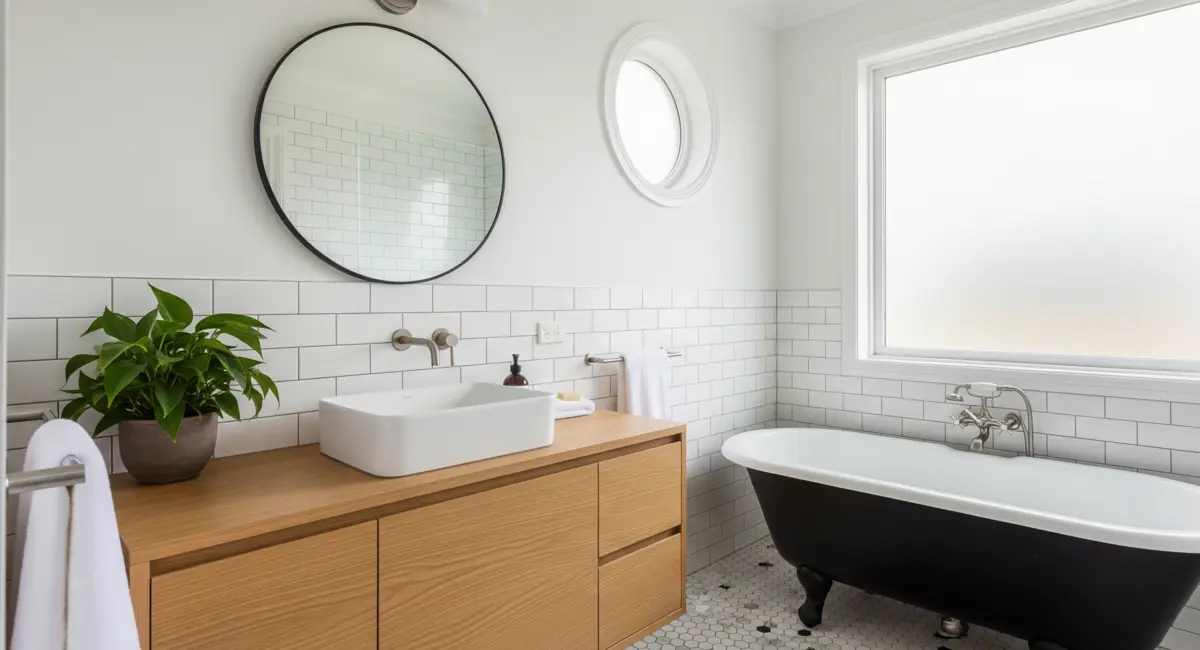
Enduring Elegance and Adaptability
Subway tiles present a fundamental modern aesthetic that works across varied settings. The rectangular tile configuration, combined with a polished surface, establishes a refined, immaculate look that complements both current and traditional design schemes. Classic white subway tiles by color remain the leading choice, yet emerging alternatives featuring varied hues, finishes, and arrangements allow designers to broaden their creative palette.
Property owners can select from an extensive array of subway tile possibilities, spanning conventional white options, bold color statements, and matte surfaces. The National Kitchen and Bath Association recognizes subway tiles as a consistently popular choice in residential renovations. Combining different tile dimensions with varied arrangements allows property owners to craft personalized spatial character.
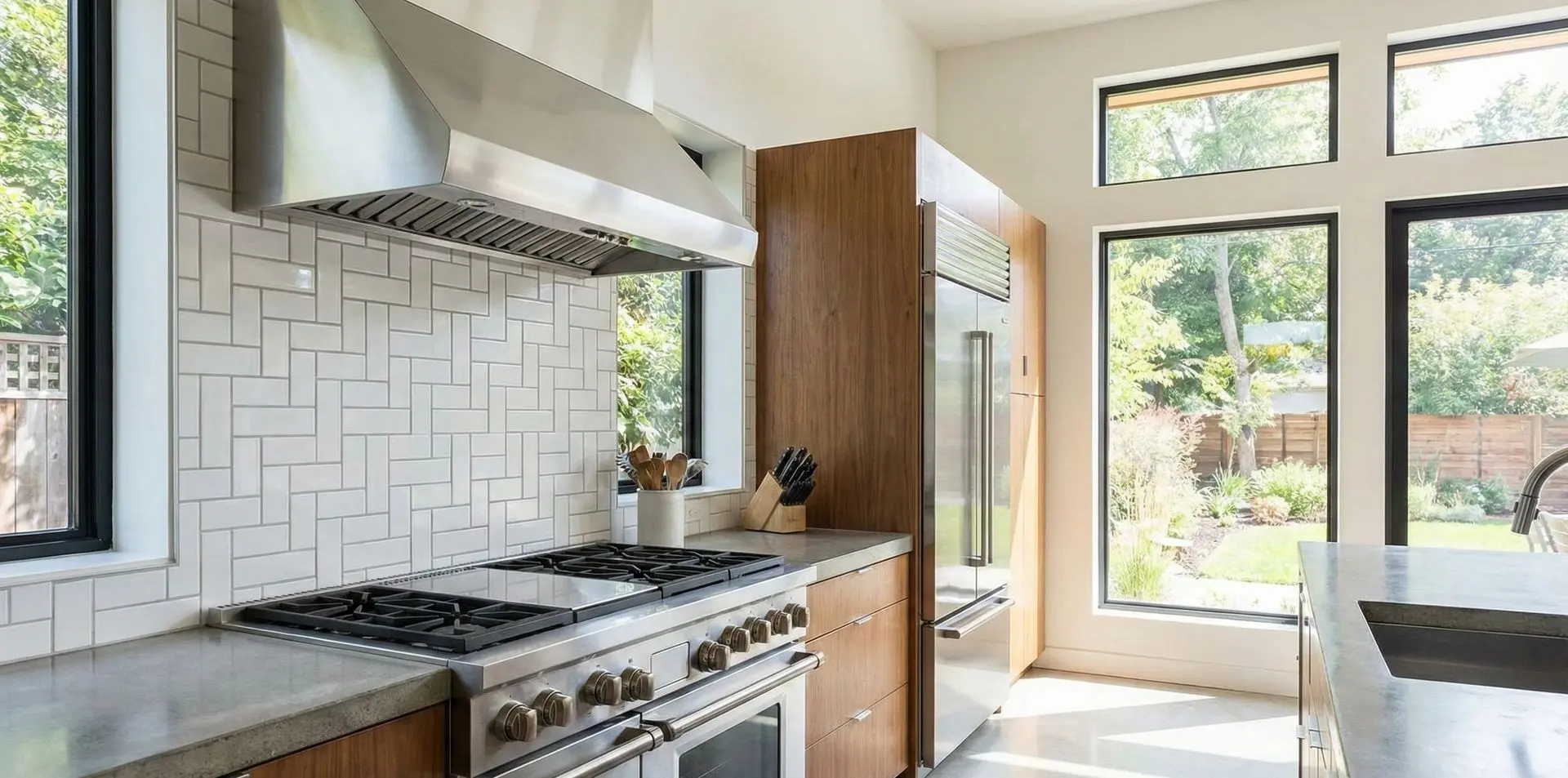
Innovative Arrangements and Configurations
The era of subway tiles confined to standard brick orientation has passed. Contemporary property owners and design experts are adopting striking, attention-grabbing configurations that inject renewed energy into this traditional format. Current design movements have unveiled imaginative subway tile backsplash concepts that transcend conventional brick placement.
Herringbone, straight stack, and chevron arrangements deliver updated interpretations of the traditional subway tile aesthetic, introducing visual intrigue and character to any area. Industry professionals at Coverings, the leading tile and stone trade show, showcase these innovative installation techniques annually.
Adjusting the orientation or configuration of subway tiles generates motion and captures attention, making compact kitchens or bathrooms feel more expansive. Tile layout strategies can dramatically transform spatial perception. Alternating grout shades also introduces contrast and emphasizes the pattern with greater clarity. This design flexibility inspires property owners to explore styling possibilities while preserving the timeless essence that subway tiles deliver.
Chromatic and Surface Diversity
Traditional limitations on subway tiles featuring only glossy white surfaces have disappeared. Professionals in interior styling and homeownership now employ striking color options alongside unique surface treatments to craft distinctive design focal points. The incorporation of flat finishes and aged glazes combined with artisan-cut tiles introduces dimension and tactile appeal to surfaces.
A multi-dimensional effect emerges when you merge unique tile treatments with contrasting colors. Pairing flat subway tiles with metallic grout or combining textured options with polished tiles generates a visually dynamic environment. For inspiration, explore options like the Linear 5x10 Glossy 3D Decorative Subway Tile which demonstrates how surface variation creates visual interest. Understanding the differences between ceramic and porcelain tiles helps property owners make informed material selections.
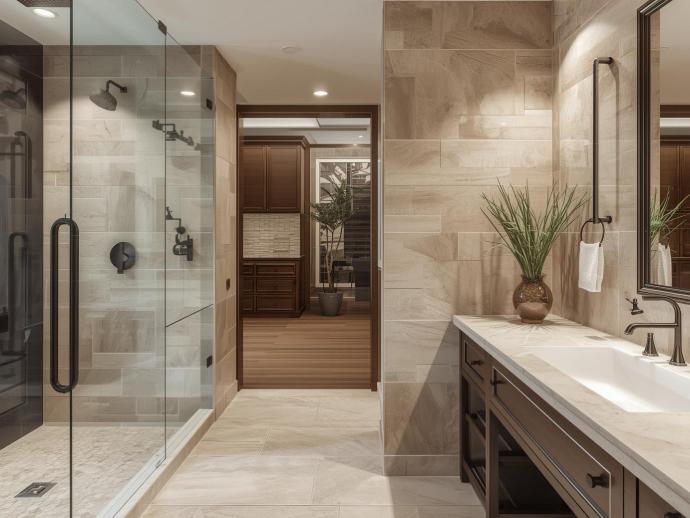
Effortless Coordination with Complementary Materials
Since subway tile backsplashes complement various materials, they remain favored within contemporary home styling principles. The aesthetic of subway tiles integrates seamlessly with stone countertops combined with timber cabinetry and metallic fixtures in a cohesive manner. The Natural Stone Institute provides valuable guidance on pairing ceramic and stone materials effectively.
Design professionals regularly pair subway tiles with natural stone or wood components to introduce warmth and tactile variety in their projects. These materials merge flawlessly to create a residential atmosphere that feels inviting while preserving sophistication. Browse our comprehensive tile and stone collection to discover complementary material options. For those seeking unique aesthetic combinations, terrazzo look tiles offer an interesting counterpoint to traditional subway tile installations.
Property owners who prioritize ecological responsibility drive the evolution of subway tile manufacturing along with their application in interior design sectors. Contemporary producers offer reclaimed glass and ceramic subway tile options that reduce manufacturing environmental footprint for tiles. The ANSI A137.1-2022 Standard for Ceramic Tile ensures quality and performance standards are maintained across sustainable tile production.
Proper installation techniques also contribute to longevity and sustainability. Resources on tile edge protection help ensure durable installations that stand the test of time. Understanding porcelain versus non-porcelain tile characteristics enables informed decisions about material durability and maintenance requirements.
Conclusion
Subway tile backsplashes continue to demonstrate their staying power in residential design, proving that classic elements can evolve without losing their foundational appeal. Their capacity to adapt through innovative layouts, expanded color ranges, and diverse surface treatments positions them as a forward-thinking choice rather than merely a traditional one. As property owners seek designs that balance visual impact with lasting value, subway tiles deliver both immediate aesthetic satisfaction and long-term design relevance.
The future of home interiors will likely see subway tiles pushed even further beyond conventional boundaries. With sustainable manufacturing practices gaining momentum and creative installation techniques becoming more accessible, these versatile design elements will continue shaping spaces that feel both personally distinctive and universally appealing. Whether anchoring a minimalist aesthetic or serving as a bold statement piece, subway tile backsplashes remain instrumental in defining how modern homes look and feel. Explore the latest bathroom tile trends to see how subway tiles continue evolving within broader design movements.
Ready to transform your space with subway tiles? Visit our showroom or contact our design team to find the perfect subway tile solution for your project.
Frequently Asked Questions
What makes subway tile backsplashes suitable for both modern and traditional home designs?
Subway tiles possess a clean, geometric form that inherently complements multiple design approaches. Their rectangular shape and straightforward profile create a neutral foundation that works with contemporary minimalism and classic styling alike. The growing variety of colors, finishes, and installation patterns further expands their versatility, allowing them to adapt to virtually any interior vision while maintaining their characteristic simplicity. The Ceramic Tile Distributors Association recognizes this adaptability as a key factor in subway tiles' enduring popularity, while exploring tiles by style showcases this versatile range.
Which installation patterns work best for making small kitchens appear larger?
Vertical stack and herringbone patterns prove particularly effective for creating the illusion of expanded space. Vertical arrangements draw the eye upward, increasing perceived ceiling height, while herringbone patterns generate diagonal movement that adds visual depth. Light-colored tiles with matching or subtly contrasting grout also contribute to a more spacious feel by reflecting light and minimizing visual interruption across the backsplash surface. The classic 3x6 subway tile format works exceptionally well for these space-enhancing layouts, and you can shop by size to find the perfect dimensions for your project.
How do different grout colors impact the overall appearance of subway tile backsplashes?
Grout color selection dramatically influences the final visual effect. Contrasting grout emphasizes the tile pattern and creates graphic definition, making each tile stand out as an individual element. Matching grout produces a seamless, cohesive appearance that highlights the overall surface rather than individual tiles. Dark grout with light tiles delivers bold visual impact, while tonal matching creates understated elegance and makes spaces feel calmer and unified. Browse our complete selection to see various grout and tile combinations.
Are textured subway tiles more difficult to maintain than glossy options?
Textured subway tiles require slightly more attention during cleaning since their surface variations can collect residue more readily than smooth, glossy alternatives. However, they offer practical advantages by concealing minor imperfections and water spots more effectively. Regular maintenance with appropriate cleaning solutions keeps textured tiles looking fresh, and many property owners find the added visual interest and tactile dimension worth the minimal extra effort involved in upkeep.
What sustainable subway tile options are currently available for eco-conscious homeowners?
Contemporary manufacturers now produce subway tiles from reclaimed glass, recycled ceramics, and post-consumer materials that significantly reduce environmental impact. These eco-friendly options maintain the same aesthetic qualities and durability as conventional tiles while supporting sustainable building practices. Many producers also implement water-efficient manufacturing processes and local sourcing strategies, allowing environmentally conscious property owners to achieve their design goals while aligning with their ecological values. Learn more about our products and connect with our team for personalized guidance on sustainable options.