Subway tile is a rectangular ceramic or porcelain tile traditionally measuring 3" x 6" with a classic 1:2 ratio, originally used in New York City's 1904 subway stations. Today, subway tile remains one of the most popular wall tile choices for kitchens, bathrooms, and commercial spaces due to its timeless aesthetic, easy maintenance, and versatile design options. Modern subway tiles now come in multiple sizes including 3" x 9", 3" x 12", 4" x 8", and 4" x 12", with finishes ranging from traditional glossy white to matte textures and bold colors.
This classic tile format offers exceptional durability, moisture resistance, and design flexibility through various installation patterns including running bond, herringbone, vertical stack, and basket weave arrangements. Whether you're planning a kitchen backsplash, shower wall, or full bathroom renovation, explore our complete subway tile collection to find both practical performance and enduring style that adapts to traditional, contemporary, and transitional design aesthetics.
The Origins of Subway Tile
These modest ceramic rectangles trace their roots directly to underground transit systems. When New York City launched its inaugural subway line in 1904, it marked a pivotal moment in American public transportation. Though Boston had already constructed the nation's first practical subway between 1895 and 1897, New York's system would become one of the globe's most historic transit networks.
The Interborough Rapid Transit Company (IRT) commissioned architects George C. Heins and Christopher Grant LaFarge to design this underground marvel nearly four decades after New York's first elevated railway debuted. Their vision opened to the public in 1904, forever changing urban travel.
Victorian society's obsession with cleanliness had already popularized ceramic tile surfaces in public spaces and private homes. These materials dominated kitchens and bathrooms for good reason: exceptional durability and effortless maintenance. The subway architects recognized these tiles could withstand the constant wear and urban grime of a rapidly expanding metropolis. They chose glossy white tiles with light-reflecting properties to brighten the dark underground passages and project an image of pristine cleanliness.
The streamlined look of these glossy white rectangular tiles captured public imagination, quickly becoming synonymous with modern progress. Their aesthetic appeal paired perfectly with practical functionality; they genuinely delivered on their clean appearance through easy maintenance. While countless design movements rose and fell over the decades, subway tile persevered as the premier choice for achieving refined, lasting elegance in any space, meeting rigorous industry standards for ceramic tile quality.
How Subway Tile Evolved Into a Design Powerhouse
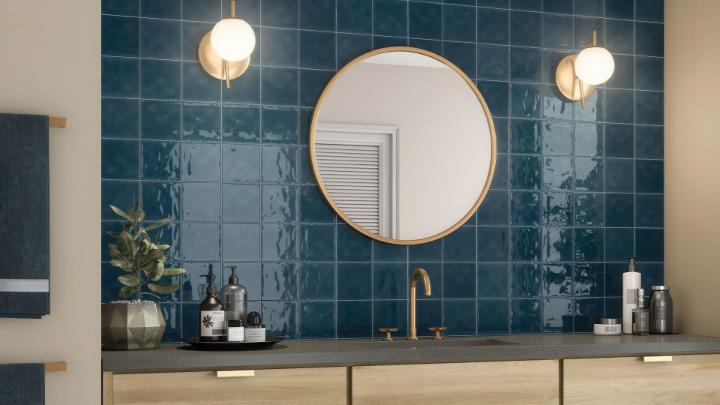
Subway tile occupies a unique position as both a timeless standard and a contemporary trend. True classics never fade from relevance, which explains why the traditional white 3x6 format remains popular today. However, it's the continuous design innovation that keeps subway tile firmly planted in modern aesthetics. Transform ordinary into extraordinary; that's exactly what today's designers accomplish with this versatile material.
Tile manufacturers keep pushing creative boundaries with the "expected" subway format, ensuring it doesn't just survive but leads industry design trends. Contemporary colors, distinctive surface treatments, unconventional laying patterns, and dimensional variations represent just some of the modern approaches breathing new life into this enduring classic.
Size Variations Create Modern Impact
The traditional 3" x 6" dimension remains incredibly popular and offers excellent pattern flexibility. Today's market now features dramatically different proportions. Slim elongated formats and oversized jumbo versions deliver distinctly contemporary aesthetics. Textured finishes, beveled profiles, and three-dimensional designs like our Linear 5x10 glossy 3D decorative subway tile elevate basic subway tile into architectural statements.
Color Freedom and Creative Mixing
Color options have exploded beyond classic white. Modern installations embrace the entire spectrum, and designers no longer limit themselves to single-hue applications. One emerging trend randomly intersperses contrasting colors throughout subway tile layouts, creating truly custom appearances. Browse tiles by color to discover the full range of possibilities for your next project.
Surface Finish Revolution
Glossy surfaces no longer dominate the subway tile market. Matte finishes have surged in popularity, and combining matte with gloss elements generates striking visual contrast that feels fresh and unexpected. Advanced glazing methods produce tiles with flowing color transitions or watercolor-like effects that echo historic hand-glazed craftsmanship. Today's subway tile possibilities have become virtually limitless, as seen in contemporary bathroom tile trends.
Contemporary Subway Tile Design Applications
Bold Color Statements
Vibrant hues transform subway tile from background element to focal point. Rich turquoise, deep navy, forest green, and striking coral demonstrate how color choice dramatically shifts the entire mood of a space. Install elongated 4" x 12" tiles vertically in an offset brick pattern to amplify visual impact. Beveled edges add sophisticated dimension that highlights bold subway tile colors.
Artisanal and Handcrafted Aesthetics
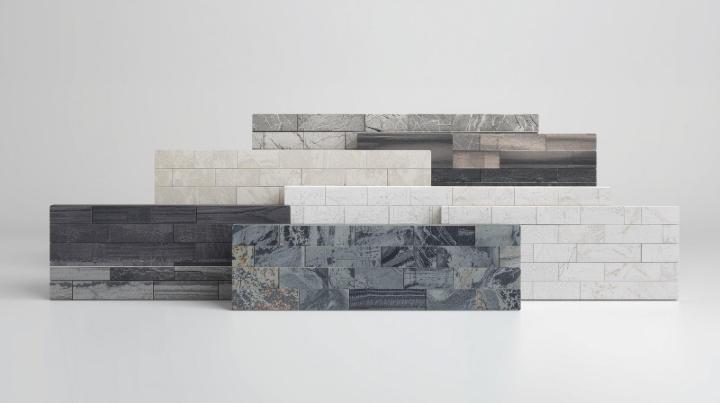
Capture the nuanced character of handmade tile through modern manufacturing. Varied shapes and sizes within robust color collections allow for countless pattern combinations and supreme design versatility. Both classic 3" x 6" proportions and sleek 3" x 12" formats can be arranged in infinite configurations. For those seeking additional texture variety, consider complementary options like terrazzo-look tiles that pair beautifully with subway tile installations.
Mixed Pattern Innovation
Don't restrict yourself to uniform layouts. Classic 3" x 6" tiles gain contemporary edge when installed in updated herringbone patterns. Combine horizontal and vertical orientations, experiment with various offset ratios, or create custom geometric arrangements that reflect your unique vision using proven tile layout tips and techniques.
Commercial and Residential Versatility
Subway tiles excel beyond residential interiors. Healthcare facilities, hospitality venues, retail environments, and office spaces all benefit from subway tile's durability, simple maintenance, and hygienic properties. Random vertical layouts create dynamic wall coverings that withstand heavy use while maintaining visual appeal in projects showcased at industry events like Coverings.
Coordinated Design Systems
Modern subway tile collections integrate seamlessly with complementary floor tile options. Saturated wall colors coordinate effortlessly with floor selections, enabling unified color expressions throughout entire spaces from floor to ceiling. This systematic approach simplifies design decisions while ensuring cohesive results when you shop tiles by style.
Signature Style Mixing
Bring distinctive flair to your interiors by mixing multiple subway tile sizes within single installations. Combine 3" x 6" and 3" x 12" formats in trending colors, then integrate different shapes to generate completely original wall designs. This approach transforms standard applications into personalized artistic expressions, and you can explore tiles by size to find the perfect combination.
Why Subway Tile Continues to Dominate
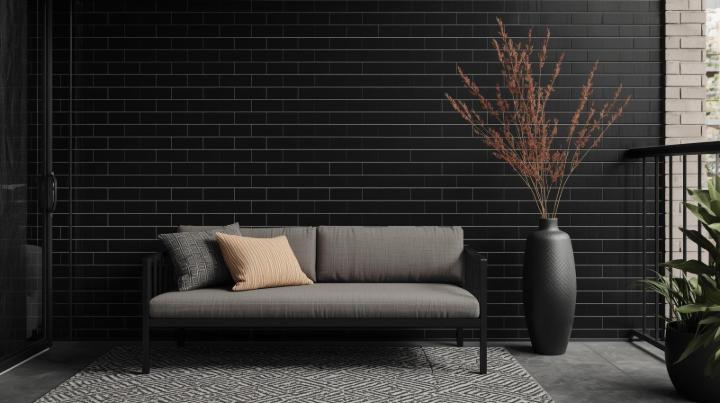
Several factors explain subway tile's enduring market dominance. First, its fundamental design achieves perfect balance: simple enough to complement any aesthetic yet interesting enough to stand on its own. Second, the rectangular format offers unmatched layout flexibility from traditional running bond to contemporary stacked arrangements. Third, widespread availability across all price points makes subway tile accessible to every budget level.
Installation versatility further enhances appeal. Use subway tile as full wall covering, accent strips, wainscoting, backsplashes, or decorative borders. Apply it in bathrooms, kitchens, laundry rooms, mudrooms, commercial restrooms, restaurant walls, and countless other applications. This adaptability means subway tile solves design challenges across virtually every building type and room function, which is why Nova Tile and Stone maintains an extensive selection for Northern Nevada and Northern California projects.
The maintenance advantage cannot be overstated. Glazed surfaces resist stains, repel moisture, and clean quickly with simple wiping. This practical benefit originally drove subway tile adoption and continues to justify its popularity in high-traffic, high-moisture, or sanitation-critical environments certified by organizations like the Ceramic Tile Distributors Association.
Modern Installation Patterns and Techniques
Traditional running bond or brick-lay patterns established subway tile's identity, but contemporary installations embrace much broader pattern vocabulary. Herringbone arrangements create sophisticated visual movement. Vertical stack patterns deliver clean, modern lines. Diagonal orientations add dynamic energy. Basket weave variations introduce textural complexity.
Grout line treatment dramatically impacts final appearance. Contrasting grout colors emphasize pattern geometry and tile boundaries. Matching grout creates seamless, monolithic surfaces. Varying grout line thickness (from hair-thin to substantial) alters the overall visual weight and style from refined contemporary to bold industrial, with proper tile edge protection ensuring professional results.
Consider mixed-format installations that combine different subway tile sizes within single applications. Alternate standard and elongated formats. Create focal point panels using dimensional tiles surrounded by flat field tile. Insert decorative borders or accent bands at strategic heights. These advanced techniques transform basic subway tile into custom architectural features.
Selecting Subway Tile for Your Project
Start by evaluating your space requirements. High-moisture areas like showers demand fully vitrified, non-porous materials. Kitchen backsplashes need stain-resistant, easily cleaned surfaces. Commercial applications require durability ratings appropriate for expected traffic levels as recommended by the National Kitchen and Bath Association.
Consider your design vision. Traditional aesthetics pair naturally with classic white glossy formats. Contemporary spaces shine with matte finishes, bold colors, or oversized proportions. Transitional designs benefit from subtle texture or soft neutral tones that bridge style periods when you browse tiles by type.
Budget planning should account for tile costs, installation labor, required substrate preparation, and necessary trim pieces. While subway tile generally offers economical pricing, premium finishes, artisanal effects, and specialized sizes command higher investment. Balance your aesthetic goals with realistic budget constraints, and visit our local showrooms in Reno, Minden, Sacramento, or Fernley to see options in person.
Sample evaluation proves essential. Order physical samples to assess color accuracy, surface texture, size proportions, and how tiles look in your actual lighting conditions. Place samples against existing finishes, cabinetry, or flooring to confirm coordination. Test cleaning properties and visualize grout line appearance, or contact our design team for expert guidance on your selection.
Conclusion
Subway tile's remarkable journey from utilitarian transit infrastructure to design icon demonstrates true versatility and timeless appeal. This simple rectangular format has transcended its functional origins to become an essential element in both residential and commercial design. Its enduring popularity stems from perfect balance: practical benefits meet aesthetic flexibility, allowing subway tile to adapt to every design era while maintaining core identity.
Today's innovations in color, finish, size, and installation technique ensure subway tile remains relevant for modern projects without abandoning the classic qualities that built its reputation. Whether you embrace traditional white glossy formats or experiment with contemporary variations, subway tile delivers reliable performance and lasting visual appeal. The ability to start with a proven foundation and customize through creative application makes subway tile an ideal choice for designers, builders, and homeowners seeking both style and substance.
As design trends continue evolving, subway tile proves its staying power by continuously reinventing itself while honoring its heritage. This unique combination of stability and adaptability positions subway tile to remain a premier design choice for generations to come. Learn more about our company and explore the products we carry to join the century-long tradition of subway tile excellence.
Featured Products
Frequently Asked Questions
What makes subway tile different from other rectangular tiles?
Subway tile specifically refers to rectangular tiles with a 1:2 ratio, with the classic 3" x 6" format being the original standard. While other rectangular tiles exist, authentic subway tile traces its design heritage to the 1904 New York City subway system. The defining characteristics include this specific proportion, typically glossy finish, and traditional installation in offset brick-lay patterns, though modern interpretations embrace significant variation in size, finish, and layout as documented by the Natural Stone Institute.
Can subway tile be used on floors or only walls?
While subway tile originated and primarily functions as wall tile, you can install it on floors in low-traffic residential areas. However, glossy finishes create slip hazards when wet, making them unsuitable for bathroom floors or high-traffic zones. If you want subway tile aesthetics on floors, select matte or textured finishes with appropriate slip-resistance ratings. Most designers recommend reserving subway tile for walls, backsplashes, and shower walls where its benefits truly shine.
How do I choose between ceramic and porcelain subway tile?
Ceramic subway tile offers the most traditional choice with excellent color options and typically lower costs. It works perfectly for wall applications, backsplashes, and areas without heavy moisture exposure. Porcelain subway tile provides superior durability, complete water impermeability, and better performance in high-moisture environments like shower walls. Understanding the key differences between porcelain and ceramic tile helps you make the right choice. For standard wall installations, ceramic delivers great results. For demanding applications, invest in porcelain's enhanced properties.
What's the most popular subway tile pattern besides traditional brick-lay?
Herringbone pattern has emerged as the most popular alternative to traditional running bond installation. This diagonal arrangement creates sophisticated visual interest and works beautifully with standard or elongated subway tiles. Vertical stack patterns run a close second, delivering clean modern aesthetics that complement contemporary design. Both patterns require more planning and precise installation than basic offset patterns, but the dramatic results justify the extra effort for many homeowners and designers, as explained in guides like This Old House's ceramic vs porcelain comparison.