Choosing between standard 3x6 and oversized subway tiles fundamentally changes your space's visual impact, with larger formats creating modern, streamlined looks while traditional sizes offer timeless versatility. Both options work beautifully in kitchens and bathrooms, but understanding their differences helps you make the right design decision for your home.
Subway tiles have dominated interior design for over a century, yet the debate between classic proportions and contemporary oversized formats continues to puzzle homeowners. Whether you're planning a kitchen backsplash refresh or a complete bathroom renovation, the size you choose affects everything from installation costs to visual perception of space.
The popularity of subway tile layouts has exploded, with designers pushing creative boundaries through varied dimensions and innovative patterns. This guide breaks down the practical differences, design implications, and installation considerations to help you confidently select the perfect tile size for your project.
Understanding Subway Tile Dimensions
The classic 3x6 subway tile established itself as the industry benchmark, measuring exactly 3 inches by 6 inches with a 2:1 ratio that originated in early 20th-century New York City subway stations. According to the ANSI A137.1-2022 standard for ceramic tile, dimensional consistency ensures proper installation and long-term performance.
Oversized subway tiles typically range from 4x12 inches to 6x24 inches, maintaining that signature rectangular shape while dramatically increasing surface coverage. The 3x12 Matte Porcelain Subway Tile represents a popular middle ground, offering modern proportions without overwhelming smaller spaces. These larger formats have gained tremendous momentum in contemporary design, particularly in upscale residential projects.
Subway tiles earned their name from the white ceramic rectangles installed throughout the New York City subway system beginning in 1904. Understanding tile fundamentals helps appreciate how size variations impact both form and function in residential applications. The shift toward oversized formats began in the early 2000s as homeowners sought more contemporary aesthetics with fewer grout lines.
Visual Impact: How Size Changes Your Space
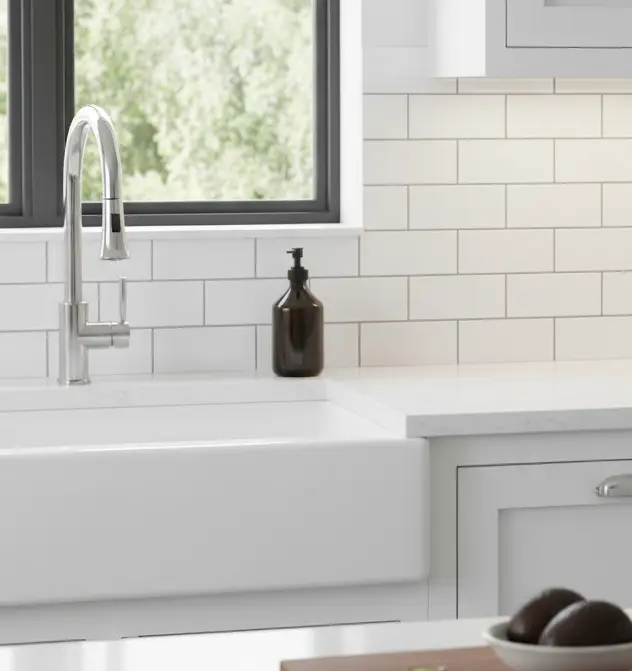
Standard 3x6 tiles create a busier visual field with more grout lines, which can make spaces feel detailed and textured but potentially smaller in compact bathrooms. When installed in a vertical subway tile pattern, these classic dimensions can actually elongate walls and increase perceived ceiling height. The increased number of joints draws the eye across multiple intersections, creating visual complexity that works beautifully in traditional designs.
Oversized formats minimize grout lines dramatically, producing a sleeker, more expansive appearance that makes rooms feel larger and more open. A 4x16 tile covers more than twice the area of a 3x6 with significantly fewer seams. This approach particularly benefits small bathrooms and narrow galley kitchens where visual clutter should be minimized. The Linear 5x10 Glossy 3D Decorative Subway Tile demonstrates how mid-sized options balance both benefits.
Standard 3x6 tiles excel in intricate patterns like herringbone subway tile backsplash arrangements, chevron subway tile designs, and basketweave subway tile configurations. The smaller format allows tighter pattern repetition and more dramatic visual interest. Oversized tiles work best in straightforward layouts like running bond or vertical stacks where their clean lines can shine. When browsing options at a tile specialty retailer, consider how your chosen size will accommodate your preferred pattern.
Installation and Maintenance Comparison
Tiles per Square Foot | 8 tiles | 2-4 tiles (depending on size) |
Installation Time | Longer (more tiles to place) | Faster (fewer pieces) |
Labor Cost | Higher (more precision work) | Lower (less tile handling) |
Material Waste | Lower (easier to use cuts) | Higher (larger pieces when cutting) |
Grout Amount Needed | More (extensive joint network) | Less (fewer grout lines) |
A professional installer can typically place oversized tiles 30-50% faster than standard dimensions because they're handling fewer individual pieces. However, larger formats demand exceptional substrate preparation, as any imperfections telegraph through the tile surface more noticeably. The Coverings trade show regularly features installation demonstrations highlighting these technical considerations.
Standard 3x6 tiles offer more forgiving installation, particularly around obstacles like electrical outlets or window frames, requiring less cutting and generating less waste. Following proper tile layout tips ensures professional-looking results regardless of tile size. As documented by tile installation experts, proper technique matters more than tile size for long-term success.
Long-Term Care Considerations
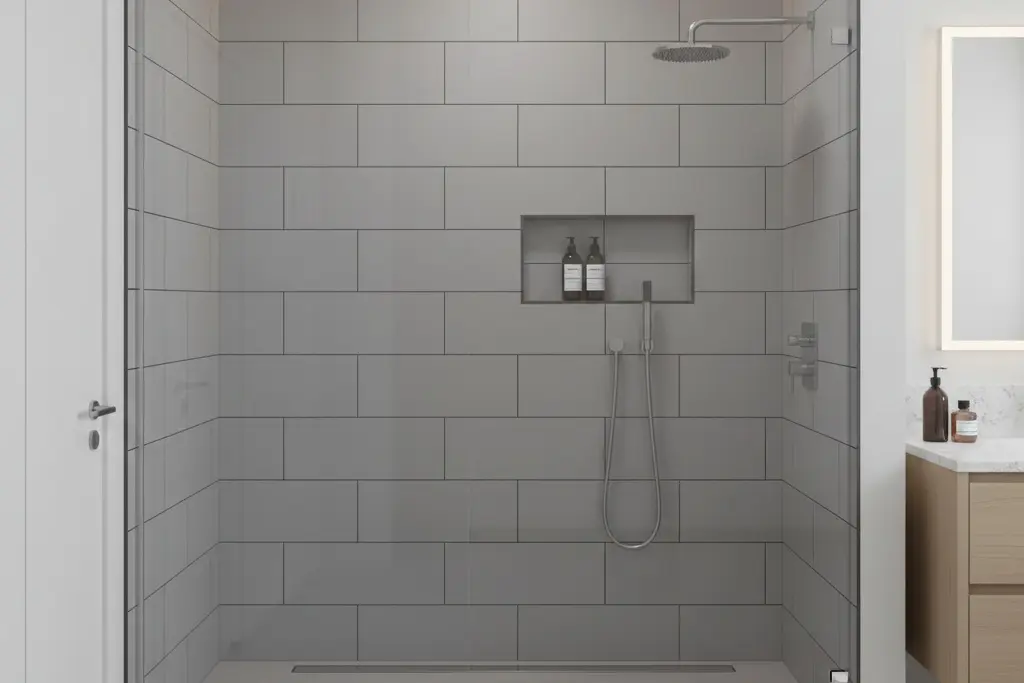
Grout maintenance represents the primary ongoing consideration. Standard 3x6 layouts create extensive grout networks that require more frequent cleaning and periodic resealing. Subway tile with dark grout can minimize visible staining but still requires regular maintenance. Oversized tiles dramatically reduce grout maintenance by limiting joint quantity, making large formats particularly appealing in high-traffic kitchens and busy family bathrooms.
According to the Mohs hardness scale, most porcelain and ceramic subway tiles rate between 5-7, providing sufficient scratch resistance for residential applications. Edge protection becomes more critical with larger formats; proper tile edge protection prevents chips and cracks that could compromise the entire installation.
Style and Design Considerations
Standard 3x6 tiles embody timeless elegance that transcends passing trends, making them a safe choice for homeowners concerned about resale value. Their classic proportions work seamlessly in farmhouse kitchens, vintage-inspired bathrooms, and transitional spaces. When shopping tiles by style, consider how your choice reflects your home's overall architectural character.
Oversized formats project distinctly modern sensibilities, perfect for contemporary homes and minimalist designs. The clean, streamlined appearance aligns with current architectural trends favoring simplicity and visual calm. Recent bathroom tile trends consistently highlight large-format options as top choices for updated spaces.
Both tile sizes come in unlimited color options, from classic whites to vibrant colored subway tile selections. Standard dimensions display color variations more noticeably because you're seeing multiple pieces in close proximity. Oversized tiles showcase color and finish more dramatically because each piece presents a larger uninterrupted surface. The terrazzo look aesthetic particularly shines in oversized dimensions. When browsing tiles by color, visualize how your selection will appear at your chosen scale.
Browse for more
Making Your Decision: Which Size Fits Your Project?
When Standard 3x6 Makes Perfect Sense
Pros:
- Timeless appeal that never goes out of style
- Easier to work with in compact or irregularly shaped spaces
- More pattern options for creative installations
- Forgiving installation for slight substrate imperfections
- Excellent for traditional and transitional design schemes
- Better suitability for curved walls or complex layouts
Cons:
- More grout lines require additional maintenance
- Installation takes longer due to piece quantity
- Can feel busy or dated in ultra-modern spaces
- May appear too traditional for contemporary homes
Standard dimensions excel in smaller powder rooms where oversized tiles might overwhelm the space. They're ideal for creating intricate backsplash designs behind ranges or sinks. The Certified Tile Contractor program emphasizes matching tile scale to architectural context for cohesive results.
When Oversized Formats Shine Brightest
Pros:
- Modern, sophisticated appearance
- Fewer grout lines mean easier cleaning and maintenance
- Makes small spaces feel larger and more open
- Faster installation reduces labor costs
- Creates dramatic impact with bold colors or patterns
- Aligns with current design trends
Cons:
- Requires expert installation and perfect substrate preparation
- Limited pattern flexibility compared to standard sizes
- Higher material waste during cutting
- May feel cold or stark without thoughtful design
- Can be overwhelming in very small spaces
Oversized options transform master bathroom showers into spa-like retreats where clean lines promote relaxation. They create stunning kitchen backsplashes in open-concept homes where visual simplicity prevents competing with other design elements.
Your Space-Specific Selection Guide
Step 1: Measure Your Installation Area Calculate square footage and note any unusual dimensions or obstacles. Spaces smaller than 40 square feet often work better with standard sizes, while larger areas gain impact from oversized formats.
Step 2: Assess Your Design Style Evaluate whether your home's architecture leans traditional, contemporary, or transitional. Match tile scale to your overall aesthetic for cohesive results.
Step 3: Consider Maintenance Preferences Factor in your willingness to maintain grout lines regularly. Busy families may prefer fewer seams, while those who enjoy detailed maintenance might appreciate traditional dimensions.
Step 4: Budget for Total Project Costs Compare not just tile prices but also installation labor and grout quantities. Sometimes expensive tiles become economical when faster installation reduces labor costs.
Step 5: Order Samples and Mock Up Your Space Never commit without seeing actual tiles in your space under your lighting conditions. Purchase samples from professional tile suppliers and temporarily place them on your wall.
Room-Specific Applications
Kitchen Backsplash Ideas
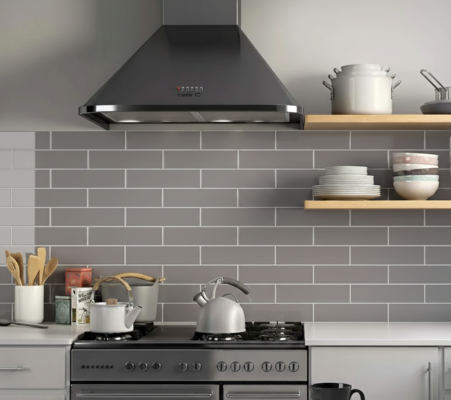
Subway tile kitchen ideas frequently feature backsplashes where size choice dramatically affects visual flow. Standard 3x6 tiles work beautifully in traditional kitchens with detailed cabinetry. The multiple grout lines create texture that adds depth behind open shelving. Colored subway tile in standard dimensions allows playful pattern mixing that personalizes your space.
Oversized formats create stunning feature walls in modern kitchens, particularly when installed floor-to-ceiling. The minimal grout lines won't distract from statement lighting fixtures or architectural features. A 4x16 tile in a simple running bond pattern provides contemporary elegance that complements sleek cabinetry perfectly.
Bathroom Applications
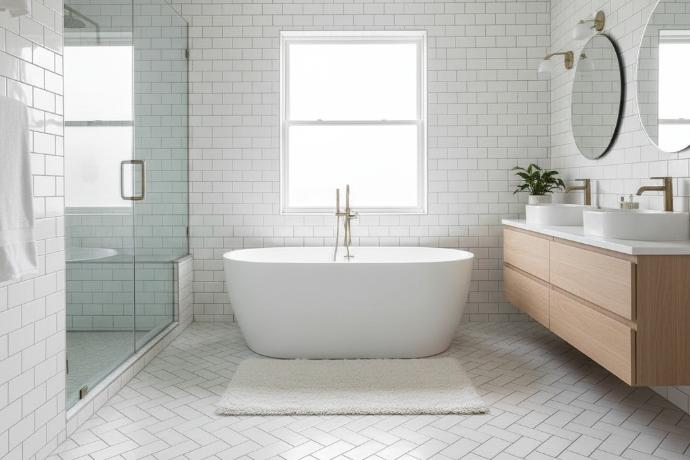
Standard dimensions excel in smaller guest bathrooms where traditional proportions feel appropriate. A herringbone subway tile backsplash behind a pedestal sink becomes a jewel-box focal point in compact powder rooms.
Walk-in showers benefit enormously from oversized formats that minimize grout lines in constantly wet environments. Fewer seams mean less potential for water infiltration and mildew growth. When browsing local tile options, prioritize products rated for wet area installations.
Professional Installation Considerations
While many homeowners feel tempted to tackle tiling projects themselves, professional installation delivers superior long-term results. Experienced installers understand crucial details like proper substrate preparation, waterproofing membranes, and expansion joints that prevent future failures. The National Kitchen & Bath Association emphasizes the value of professional expertise for lasting results.
Oversized tiles particularly benefit from professional expertise, as their larger dimensions magnify any installation errors. Lippage (uneven tile edges) becomes much more noticeable with bigger formats. Standard tiles offer slightly more forgiveness but still reward professional installation with flawless, durable results that enhance your home's value.
Conclusion
The choice between standard 3x6 and oversized subway tiles ultimately depends on your specific project requirements, aesthetic preferences, and practical considerations. Neither option is inherently superior; each serves distinct design purposes. Standard dimensions provide timeless versatility and extensive pattern possibilities that suit traditional spaces. Oversized formats deliver contemporary sophistication and reduced maintenance perfect for modern homes.
Visit a showroom with extensive tile displays where you can see full installations of both sizes in various colors, finishes, and patterns. Bring photos of your room and material samples to compare options in context. Whether you choose classic proportions or contemporary dimensions, quality materials professionally installed will transform your space. Browse the complete selection of tiles by size to explore all available options for your project.
Frequently Asked Questions
Can I mix standard and oversized subway tiles in the same room?
Yes, mixing tile sizes can create dynamic, custom looks when done thoughtfully. Use oversized tiles as the primary field tile with standard sizes as accent borders or feature areas. Ensure both tiles have compatible thickness for smooth transitions, and maintain consistent grout line widths throughout the installation for visual cohesion.
Do larger subway tiles actually make small bathrooms look bigger?
Larger tiles generally create a more spacious feel by minimizing grout lines and reducing visual clutter. However, the effect depends on layout, color selection, and overall design. Very large tiles can occasionally overwhelm tiny powder rooms under 30 square feet, where standard dimensions might work better. Consider ordering samples to evaluate the effect in your specific space.
How does tile size affect grout color choices?
Standard 3x6 tiles create extensive grout networks where color becomes a prominent design element, allowing for bold contrasts or subtle blending. Oversized tiles minimize grout visibility, making color selection less critical to the overall aesthetic. Dark grout camouflages staining better regardless of tile size, while light grout creates crisp, clean lines that require more maintenance.
What's the best tile size for resale value?
Standard 3x6 tiles offer broader appeal to potential buyers due to their classic, timeless appearance. However, high-quality oversized tiles in neutral colors also attract buyers seeking modern, updated homes. Focus on quality installation and appropriate scale for your home's architectural style rather than chasing trends. Both sizes maintain value when professionally installed with quality materials.
How do I know if my walls can support large-format subway tiles?
Large-format tiles require structurally sound, perfectly flat substrates to prevent lippage and cracking. Standard drywall often needs reinforcement with cement backer board for tiles larger than 4x12 inches. Consult a professional installer to assess your specific walls, especially in wet areas like showers where proper waterproofing becomes critical. Existing tile installations may need removal and substrate rebuilding before installing large formats.