Black subway tiles can absolutely be used in living rooms and offer several compelling benefits for homeowners considering this bold design choice. These versatile tiles work exceptionally well as accent walls, fireplace surrounds, or full-room installations, bringing sophistication and durability to social spaces.
The key to success lies in balancing the dark tiles with adequate lighting both natural and artificial and incorporating lighter furnishings like white or cream sofas, light wood furniture, and pale rugs to prevent the space from feeling too heavy.
Subway tile options adapt seamlessly to multiple design styles including industrial, minimalist, contemporary, and modern aesthetics. For grout selection, black or charcoal grout creates a seamless monolithic look, while white or light gray grout emphasizes the grid pattern for more visual texture.
Maintenance is straightforward, requiring only regular dusting with a microfiber cloth and occasional damp mooping with pH-neutral cleaner. When properly executed with strategic lighting and complementary materials, black subway tiles create a timeless, gallery-inspired atmosphere that transcends temporary trends and adds lasting architectural interest to any living room.
The Evolution of Black Subway Tiles in Residential Spaces
Living rooms have traditionally featured softer finishes like paint, wallpaper, and wood paneling. Contemporary design, however, has transformed these conventions, welcoming materials previously confined to utilitarian areas into our primary gathering spaces. Dark-toned tiles exemplify this transformation perfectly, offering durability, simple upkeep, and striking visual impact that elevates ordinary walls into captivating focal points.
The attraction of black subway tiles transcends mere visual appeal. These tiles establish a sense of permanence and quality unmatched by alternative materials. Unlike paint requiring periodic touch-ups or wallpaper susceptible to peeling, properly installed subway tiles maintain their appearance for generations with minimal care. The deep, rich black tone adds weight to a room, anchoring the environment while creating a refined backdrop for furnishings, artwork, and decorative elements.
Design Flexibility and Aesthetic Opportunities
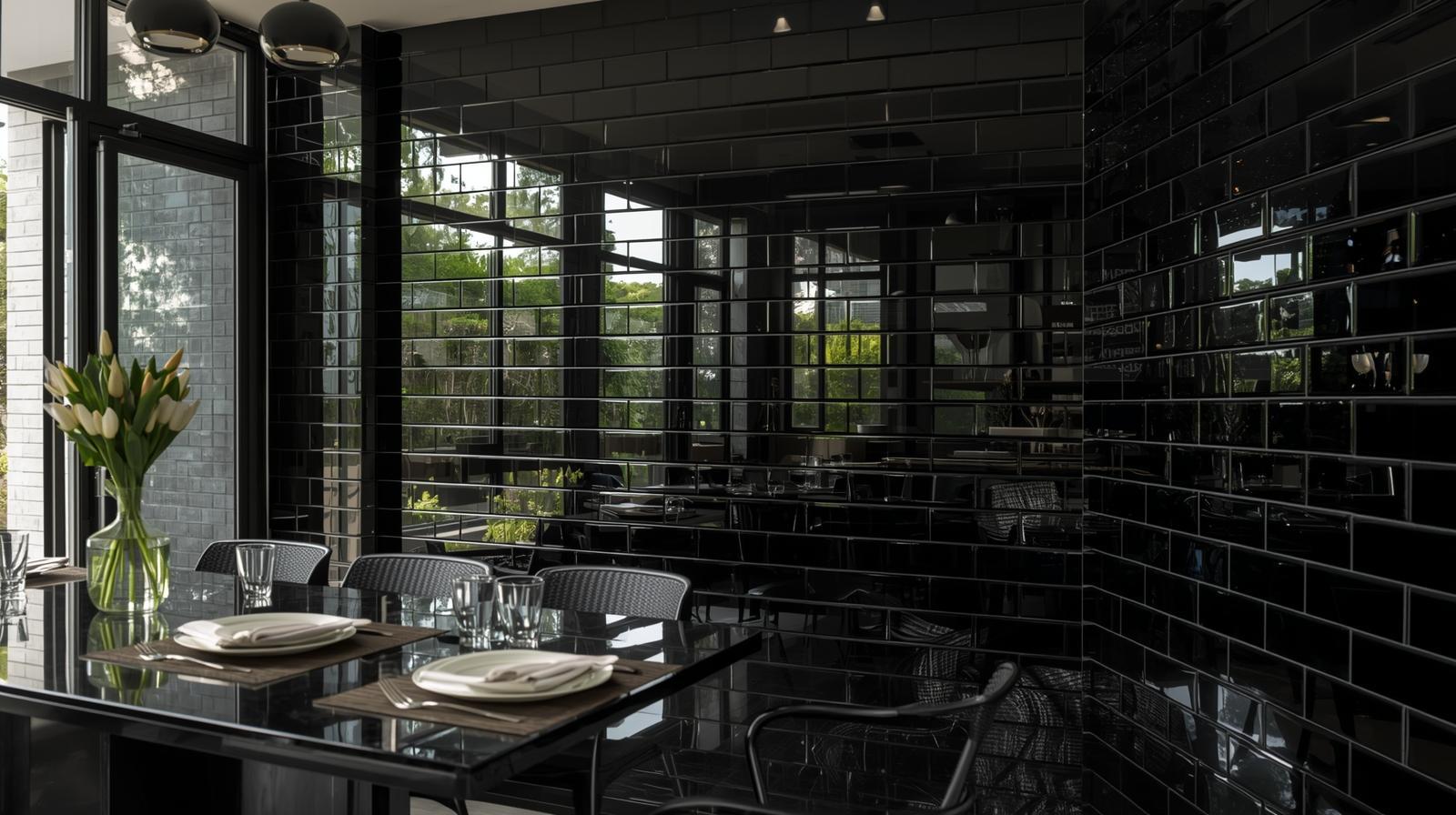
Incorporating black subway tiles into living room design showcases remarkable adaptability. These tiles integrate seamlessly across various design movements, from industrial lofts to minimalist aesthetics, from glamorous art deco to sleek contemporary environments.
In industrial-style environments, black subway tiles complement exposed brick, metal fixtures, and concrete surfaces beautifully. The tiles' smooth, uniform character contrasts with raw textures typical of industrial design, establishing visual equilibrium while preserving the edgy, urban aesthetic. Combined with leather furnishings, vintage lighting, and reclaimed wood elements, quality tile selections ground the environment with refined sophistication.
For minimalist design enthusiasts, black subway tiles might seem unexpected given the emphasis on brightness and openness. However, strategic application on a single feature wall provides the perfect counterpoint to white surfaces, light wood flooring, and streamlined furnishings. This method creates depth and prevents sterility, while the tiles' clean geometry aligns perfectly with minimalist principles of simplicity and functionality.
Contemporary and modern interiors particularly benefit from black subway tiles. The geometric precision appeals to modernist sensibilities, while the monochromatic nature allows colorful furnishings and bold artwork to command attention. When combined with metallic accents, glass elements, and streamlined furniture, black subway tiles contribute to a polished, gallery-inspired atmosphere.
Strategic Application Methods
How you incorporate black subway tiles into your living room significantly influences the overall effect. Several placement strategies can dramatically alter the room's character and perceived dimensions.
Feature wall treatment represents the most popular method. Selecting one wall for tile applications establishes a focal point without overwhelming the environment. This works particularly well behind entertainment centers, fireplace units, or seating arrangements. The feature wall becomes an architectural element that adds texture and interest while maintaining spatial harmony.
Fireplace surrounds offer another excellent opportunity for black subway tile integration. Whether you have a traditional hearth or a contemporary linear unit, surrounding it with black subway tiles elevates this natural centerpiece. The heat-resistant properties of ceramic options or porcelain materials make them practical for this application, while the dark color beautifully frames flames and creates stunning contrast with warm light.
For those seeking dramatic impact, floor-to-ceiling installations on multiple surfaces can transform a living room into a sophisticated, enveloping environment. This bold method works best in rooms with abundant natural light or when balanced with lighter furnishings and strategic illumination design. The result resembles upscale boutique hotels and exclusive establishments, bringing that luxury into residential settings. Consider visiting our showroom to see these applications in person.
Partial wall applications, such as wainscoting-height installations, offer a compromise between subtlety and impact. This method maintains traditional architectural proportions while introducing contemporary materials. The tiles anchor the lower portion of walls, while painted or wallpapered upper sections prevent excessive visual weight.
Grout Selection and Installation Patterns
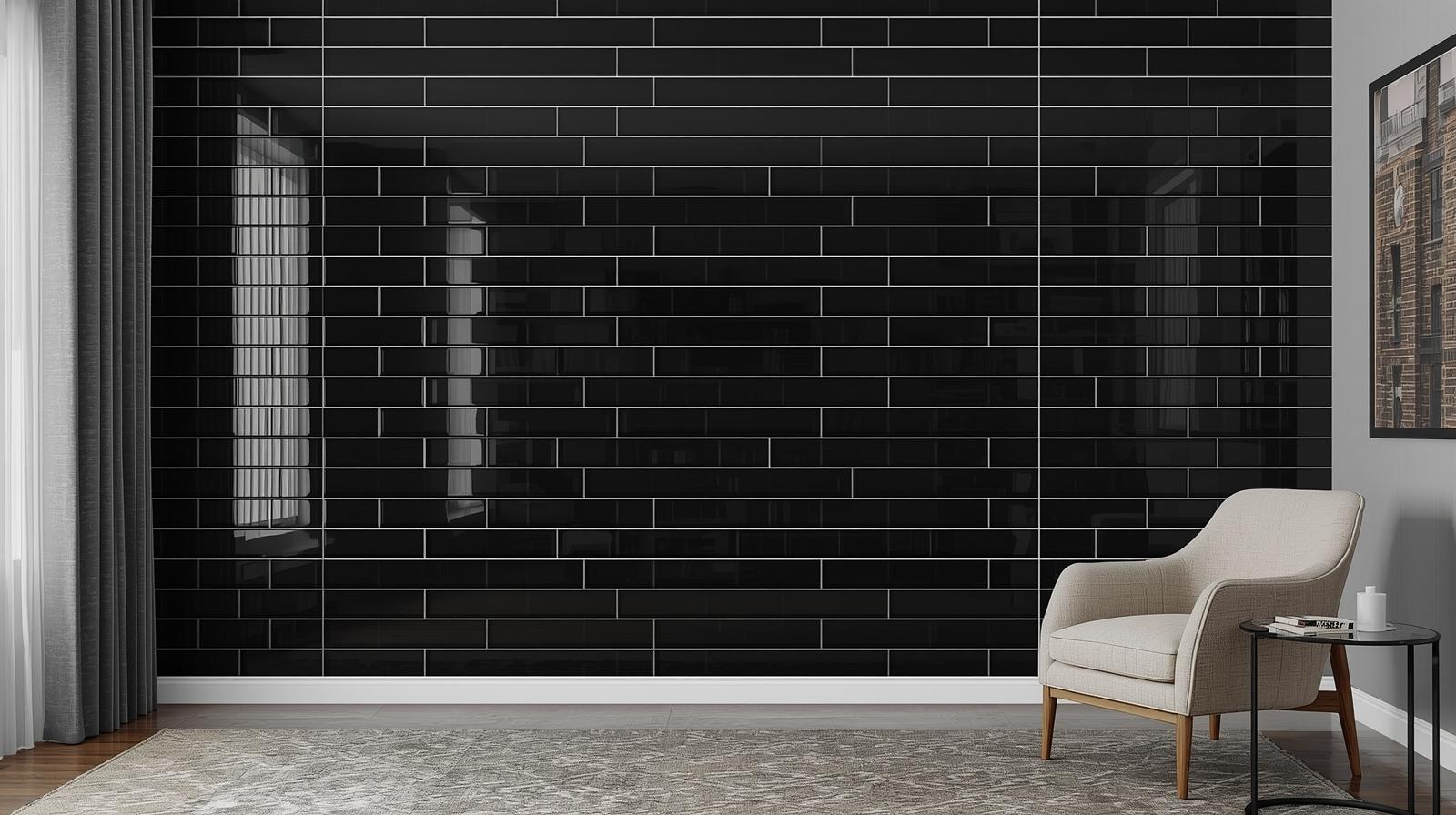
Grout lines play a surprisingly significant role in the final appearance of your black subway tile installation. Your grout color choice can either emphasize or minimize the grid pattern created by the tiles, fundamentally altering the visual effect. Understanding proper grouting techniques ensures a professional finish that lasts.
Black or charcoal grout creates a seamless, almost monolithic appearance. The tiles blend together, and individual rectangular shapes become less pronounced. This choice works well for establishing a smooth, uniform backdrop that doesn't compete with furnishings and decor.
Contrasting white or light gray grout highlights each individual tile and emphasizes the pattern. This method celebrates the graphic quality of subway tiles, establishing a more dynamic, textured appearance. The strong contrast adds visual interest and transforms the tile installation itself into a design feature rather than merely a backdrop. Learning about tile replacement basics can help you understand the importance of proper installation.
Beyond grout color, the laying pattern dramatically affects the overall look. The classic running bond pattern, where tiles are offset by half their length, remains the most popular choice for its timeless appeal and visual movement. However, vertical stacking creates a more contemporary, linear effect that can make ceilings appear higher. Herringbone patterns add complexity and visual interest, though they require more careful planning according to tile installation standards.
Balancing Illumination and Spatial Perception
Introducing black subway tiles into a living room requires thoughtful consideration of lighting and spatial balance. Black surfaces absorb light rather than reflecting it, which can make environments feel smaller or darker if not properly addressed.
Natural light becomes your greatest asset when working with black tiles. Rooms with large windows, skylights, or glass doors can easily accommodate extensive black tile coverage because abundant daylight prevents cave-like feelings. Position furniture to maximize light flow and avoid blocking windows with tall pieces, following space planning guidelines for optimal results.
Artificial lighting strategies must be carefully planned. Layer different types of lighting to ensure the environment feels welcoming at all hours. Recessed ceiling lights provide overall illumination, while wall sconces mounted above or beside the tiled area create gentle washes of light that highlight the tiles' texture. Floor and table lamps add ambient warmth at eye level, establishing a comfortable, livable atmosphere. When planning your home renovation project, lighting should be a priority consideration.
Strategic use of mirrors amplifies both natural and artificial light while creating the illusion of expanded space. A large mirror positioned opposite a tiled wall can effectively double the visual impact while bouncing light throughout the room. This technique proves especially valuable in compact living rooms where black tiles might otherwise feel overwhelming.
Balance dark tiles with lighter elements throughout the room. White or cream-colored sofas, light wood coffee tables, and pale area rugs create essential contrast that prevents excessive visual weight. Metallic accents in brass, copper, or chrome add reflective surfaces that catch and distribute light, adding sparkle and dimension.
Practical Factors and Upkeep
Beyond aesthetics, practical factors deserve attention when considering black subway tiles for living room applications. Understanding maintenance requirements and long-term durability helps ensure your design choice remains satisfying for years.
Black tiles show dust, fingerprints, and water spots more readily than lighter alternatives. However, this concern is somewhat reduced in living rooms, which experience less moisture and splashing than kitchens or bathrooms. Regular dusting with a microfiber cloth keeps tiles looking pristine, while occasional damp mopping with a pH-neutral cleaner maintains their finish.
Glossy versus matte finishes affect both appearance and maintenance. Glossy ceramic selections reflect more light and establish a sleek, polished look but show smudges more obviously. Matte porcelain varieties offer a more subtle, sophisticated appearance and hide imperfections better, though they may show dust slightly more readily. The U.S. ceramic tiles market continues to expand as homeowners discover these versatile options.
When comparing porcelain vs ceramic tiles, consider that porcelain offers superior durability and moisture resistance, making it an excellent choice for high-traffic living areas.
Complementary Materials and Color Palettes
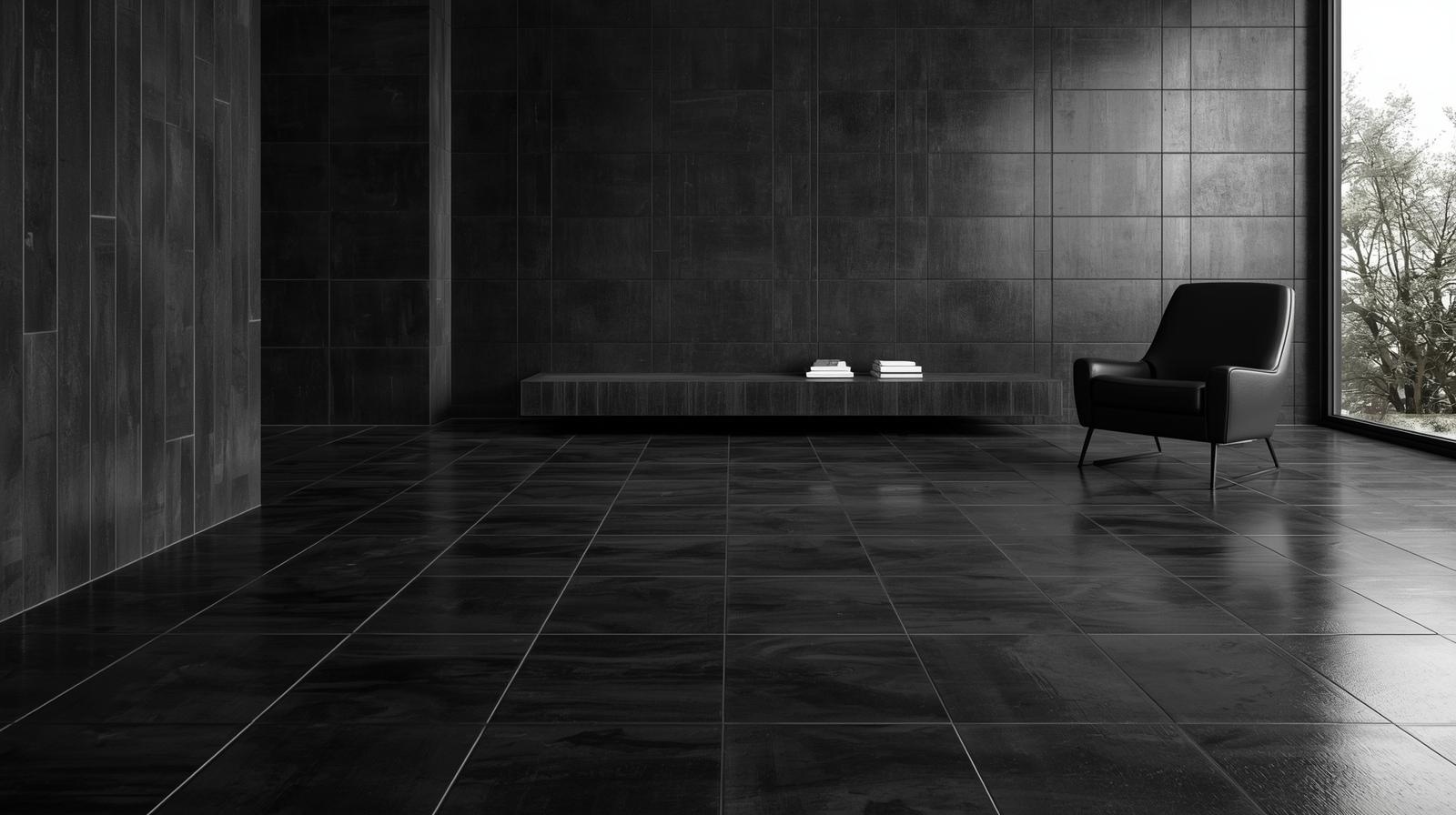
Black subway tiles serve as an excellent foundation for various material combinations and color schemes. Understanding which elements harmonize with black tiles helps establish a cohesive, well-designed living environment. Browse through our product catalog to discover complementary options.
Natural wood tones create beautiful warmth against black tiles. Light woods like oak, maple, or pine provide strong contrast and prevent the environment from feeling too dark, while rich walnut or mahogany adds depth and luxury. Wood furniture, flooring, or decorative elements introduce organic texture that softens the tiles' geometric precision.
Metallic finishes in gold, brass, copper, or chrome add glamour and light-reflective qualities. Metal-framed furniture, lighting fixtures, or decorative accessories create points of visual interest and prevent the black-and-white scheme from feeling too stark. Mixed metals can work together when unified by the neutral black backdrop. The Bristol glossy subway tile offers an excellent metallic sheen that complements these finishes.
Jewel-toned accents in emerald green, sapphire blue, or ruby red establish stunning drama against black tiles. These rich colors share black's sophisticated intensity while adding warmth and personality. Use jewel tones in throw pillows, artwork, or statement furniture pieces for maximum impact.
Neutral palettes of whites, grays, and beiges create serene, sophisticated environments. This method allows the architectural interest of the tiles themselves to shine while maintaining a calm, cohesive atmosphere. Varying textures within the neutral palette such as linen upholstery, wool rugs, and smooth marble accessories prevents monotony. The matte subway tile works beautifully in neutral schemes. Browse different tile styles to find the perfect complement to your design vision.
For added texture and dimension, consider incorporating decorative 3D tiles or mosaic patterns as accent features. These elements can break up large expanses of solid black and add visual interest.
Conclusion
Black subway tiles in the living room represent a bold design choice that rewards those willing to explore unconventional options. These versatile tiles bring sophistication, durability, and architectural interest to social environments, transforming ordinary walls into striking design features. Whether used as a dramatic feature wall, elegant fireplace surround, or immersive full-room treatment, black subway tiles establish a foundation for diverse design movements from industrial to contemporary.
Success with black subway tiles requires careful attention to lighting, spatial balance, and complementary materials. Adequate natural and artificial light prevents darkness, while thoughtful incorporation of lighter furnishings, metallic accents, and warm wood tones creates a balanced, inviting environment. The practical benefits of easy maintenance and long-lasting durability make these tiles as functional as they are beautiful.
For homeowners seeking to establish a living room that makes a statement, Nova Tile and Stone offers unmatched potential. They challenge traditional expectations while delivering timeless appeal that transcends passing trends. With proper planning and execution, black subway tiles can transform your living room into a sophisticated sanctuary that reflects confidence, style, and enduring design vision. Contact our team for expert guidance on selecting the perfect tiles for your project, or learn more about our commitment to quality and customer satisfaction.
Frequently Asked Questions
Will black subway tiles make my living room look smaller?
Black subway tiles can make a room feel more intimate but won't necessarily appear smaller when properly balanced with adequate lighting and lighter furnishings. The key lies in establishing contrast through white or light-colored sofas, rugs, and curtains, and ensuring ample natural light reaches the environment. In rooms with generous windows or high ceilings, black tiles can actually establish a sophisticated, gallery-inspired atmosphere without sacrificing the sense of spaciousness. Strategic use of mirrors and layered lighting also helps maintain an open, airy feeling.
How do I clean and maintain black subway tiles in a living room?
Maintaining black subway tiles is straightforward and requires minimal effort compared to wet areas. Regular dusting with a dry microfiber cloth removes surface dust and prevents buildup. For deeper cleaning, use a damp mop or cloth with a pH-neutral tile cleaner every few weeks. The living room environment is gentler than kitchens or bathrooms, so tiles remain cleaner longer. For glossy finishes, a final buff with a dry cloth prevents streaking and maintains shine.
What grout color works best with black subway tiles?
Grout color choice depends on your desired aesthetic effect. Black or dark gray grout establishes a seamless, monolithic appearance where individual tiles blend together for a smooth, uniform look. This choice works beautifully in minimalist or contemporary environments. White or light gray grout provides strong contrast, emphasizing the grid pattern and celebrating the graphic quality of subway tiles. This establishes more visual texture and works well in environments where the tile installation itself serves as a design feature.
Can black subway tiles work in a small living room?
Black subway tiles can absolutely work in compact living rooms when applied strategically. Rather than covering all walls, consider using tiles on a single feature wall or fireplace surround to add depth without overwhelming the environment. Maximize natural light through sheer curtains or bare windows, and incorporate plenty of white or light-colored furniture and accessories. Glossy porcelain finishes reflect more light than matte options, helping compact environments feel brighter. Explore various tile sizes to find options that work best for your space.
Are black subway tiles a timeless choice or just a trend?
Black subway tiles represent a timeless design choice that transcends temporary trends. Subway tiles themselves have maintained popularity for over a century due to their clean lines and versatility. Black as a color is a classic neutral that works across design eras and movements. While specific applications may evolve with changing tastes, the fundamental appeal of black subway tiles their sophistication, durability, and architectural interest ensures they remain a viable design choice for generations to come.