Subway tile adapts to both retro and modern design aesthetics because its rectangular format serves as a neutral foundation that takes on the character of surrounding elements. Whether you're drawn to vintage charm or contemporary minimalism, creative backsplash ideas using subway tile layouts can anchor your space while reflecting your preferred era.
The key lies in strategic choices about color, grout contrast, installation patterns, and complementary materials that signal either nostalgic warmth or sleek sophistication. Styling subway tile successfully for different periods requires understanding how specific details like colored subway tile selections, subway tile with dark grout, and modern subway tile patterns communicate design intent.
A herringbone subway tile backsplash reads differently when paired with brass fixtures versus matte black hardware, just as vertical subway tile installations create distinct impressions depending on finish and surrounding context. For extensive options across multiple styles, explore tiles organized by design period to see how format, finish, and color influence era-specific appeal.
This guide examines practical approaches for styling subway tile in ways that honor retro sensibilities or embrace contemporary trends, covering pattern selection, color coordination, grout strategies, and material combinations that achieve authentic period aesthetics.
Defining Characteristics That Signal Each Era
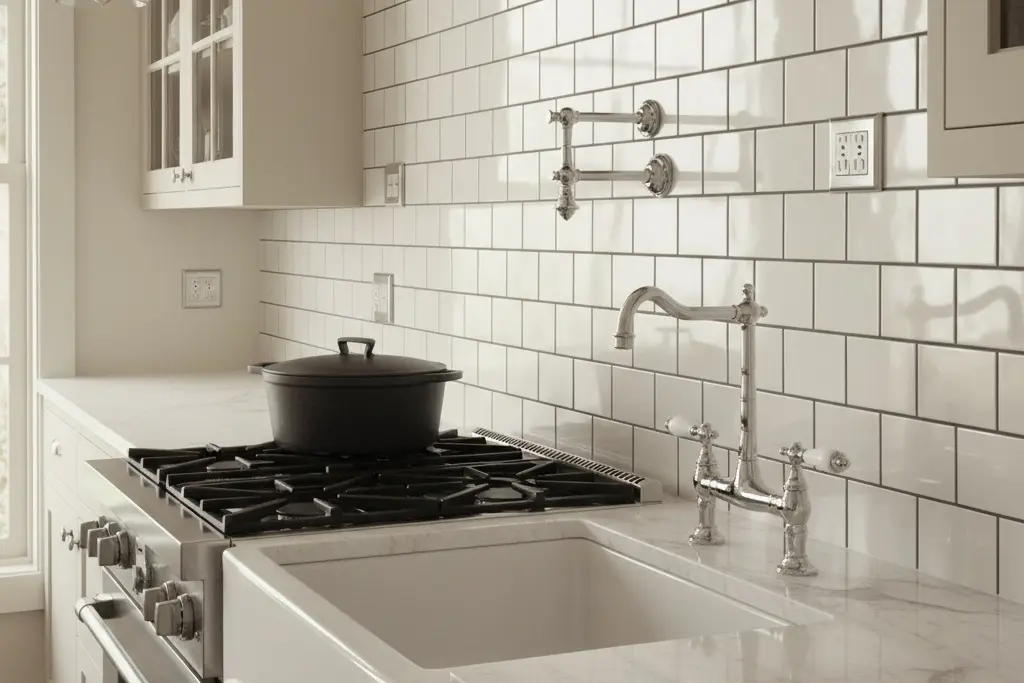
Retro subway tile installations typically feature high-contrast elements that create visual drama and reference specific decades. Classic 1920s-1950s approaches used glossy white tiles with dark grout lines, creating a grid that emphasized craftsmanship and attention to detail.
The reflective finish added brightness to spaces before modern lighting became standard, while contrasting grout showcased geometric precision. Retro bathrooms often incorporated colored subway tile in pastels like mint, pink, or butter yellow, reflecting the optimistic palette of mid-century design. Modern subway tile applications favor subtlety and seamless integration rather than bold contrast.
Contemporary installations often use white or neutral tiles with matching or nearly invisible grout lines, creating uninterrupted surfaces that recede into the background. Modern designs frequently incorporate larger subway tile formats - 3x12 or 4x16 sizes rather than traditional 3x6 dimensions - that reduce grout lines and create cleaner expanses. Matte finishes replace glossy surfaces in many contemporary applications, offering sophisticated texture without shine.
The distinction extends to layout approaches as well. Retro installations typically used traditional running bond patterns, while modern approaches experiment freely with vertical subway tile orientations, basketweave subway tile arrangements, and chevron subway tile patterns that create dynamic visual movement.
Color Selection for Period-Specific Appeal
Retro Color Palettes That Evoke Nostalgia
Authentic retro subway tile styling embraces the optimistic, saturated hues popular from the 1930s through the 1970s. Classic period colors include mint green, sky blue, coral pink, butter yellow, and soft lavender - shades that brought cheerful personality to utilitarian spaces.
These colors worked particularly well in glossy finishes that amplified their brightness and created jewel-like surfaces. When selecting colored subway tile for retro projects, consider how these hues pair with period-appropriate fixtures and hardware. Black and white combinations create another iconic retro aesthetic, particularly when arranged in checkerboard patterns or paired with bold red accents.
This graphic approach references 1950s diners and classic American kitchens where high contrast made strong design statements. Consider pairing a 3x6 subway tile in authentic period colors with vintage-style fixtures. Terrazzo accents were another hallmark of mid-century design, and modern terrazzo-look tiles can complement retro subway tile installations beautifully.
Modern Palettes That Feel Current
Contemporary subway tile projects favor sophisticated neutrals and muted tones that create calm, refined atmospheres. White remains popular but has evolved toward warmer shades like ivory, cream, and bone rather than stark clinical white.
Gray subway tiles in various depths - from pale silver to deep charcoal - offer versatility that works across multiple modern aesthetics. Modern applications increasingly incorporate earth tones like sage green, terracotta, and warm beige. Unlike retro's bold saturated hues, modern colored tiles tend toward dusty, complex shades with multiple undertones.
Grout Strategies That Define Style Direction
Subway tile with dark grout creates the signature look of vintage installations where craftsmanship was celebrated rather than hidden. Using charcoal or black grout with white tiles produces the grid effect that defined mid-century kitchens and bathrooms. Dark grout also disguises minor irregularities and shows less dirt than light grout.
When working with colored subway tile in retro palettes, consider moderate contrast - gray with mint tiles, brown with butter yellow. Modern installations typically use grout colors that closely match the tile, creating seamless surfaces where individual tiles recede into unified planes.
White tiles with white grout, gray tiles with matching gray grout produce the continuous look that contemporary design favors. When modern designs do incorporate contrast grout, they use subtle differences that provide gentle definition without graphic impact.
Installation Patterns and Layout Approaches
Traditional running bond remains the most recognizable retro subway tile layout, where tiles stack in staggered horizontal rows with each tile centered over the joint below. This pattern references the brick masonry that inspired the original subway tile format. Checkerboard patterns using two contrasting colors create another iconic retro look, particularly in black and white combinations.
Border treatments add another layer of period authenticity - consider using decorative pencil liners or 3D decorative subway tile as chair rails that frame installations. Proper edge protection techniques ensure these borders remain secure for decades. Modern subway tile patterns often depart from traditional horizontal layouts. Vertical subway tile installations elongate spaces and draw the eye upward, creating contemporary drama.
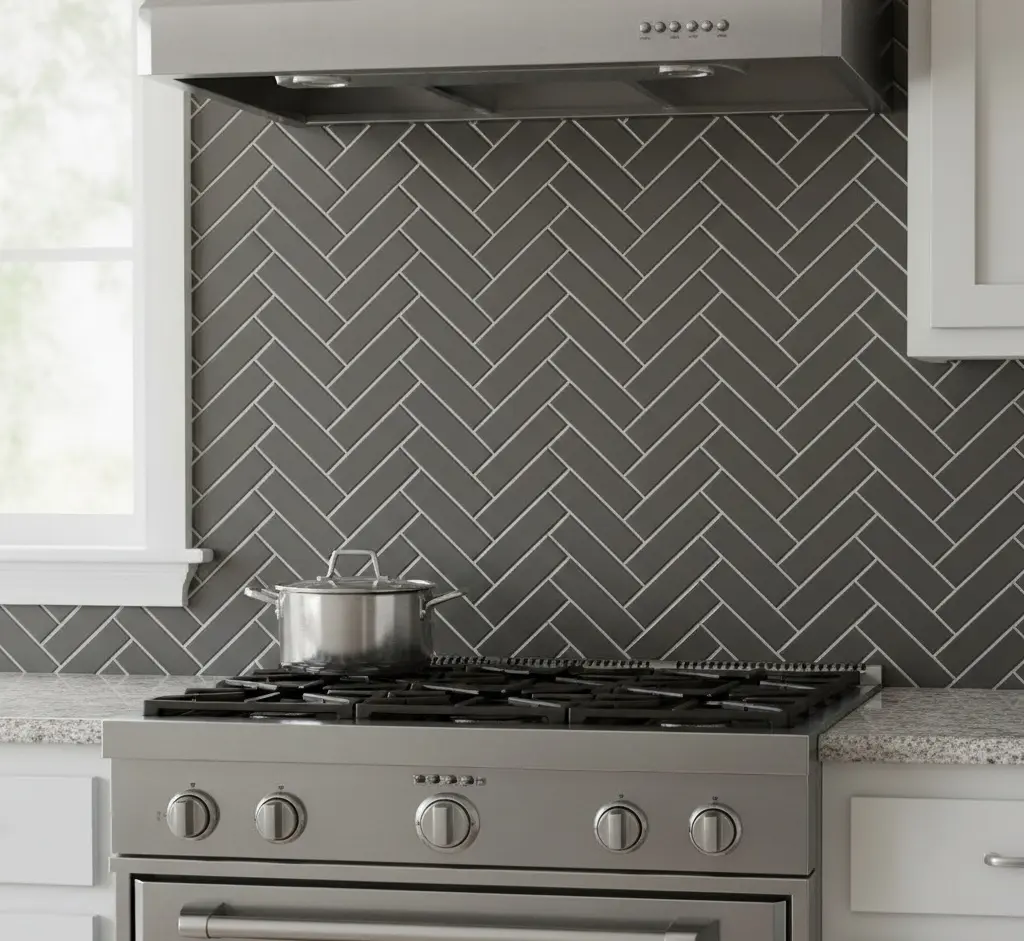
Herringbone subway tile backsplash patterns bring angular dynamism to modern kitchens, arranging rectangular tiles in V-shapes that create sophisticated texture. The chevron subway tile pattern offers similar visual movement with pointed zigzag formations. Basketweave subway tile arrangements create woven texture through layout alone, interlocking tiles in perpendicular pairs.
Modern installations increasingly combine multiple patterns in single spaces, using running bond for field areas and switching to herringbone or vertical layouts for accent zones.
Material Finishes and Fixtures That Complete the Look
High-gloss subway tiles capture authentic retro character through their reflective properties. The shiny finish amplifies color saturation and creates jewel-like surfaces that defined mid-century bathrooms and kitchens, bouncing illumination around rooms.
Period-appropriate fixtures with exposed bulbs or chrome details complement glossy tiles beautifully. Chrome fixtures with cross handles, pedestal sinks, and vintage-style faucets reference specific decades and reinforce nostalgic character. Contemporary projects increasingly favor matte finishes that offer sophisticated texture without reflective shine.
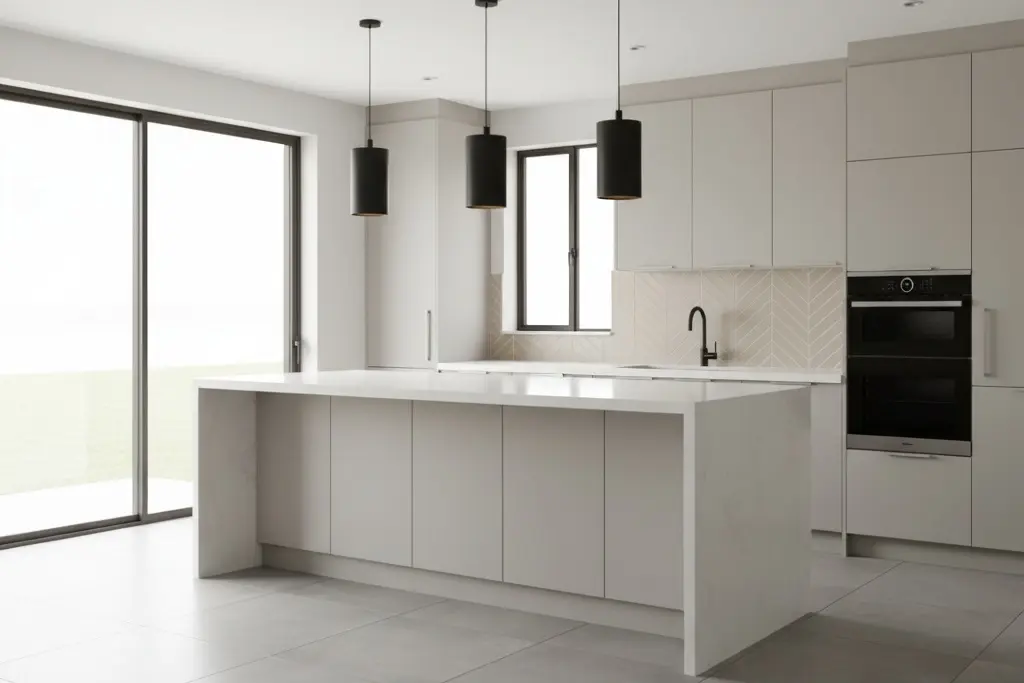
Options like 3x12 matte porcelain subway tile provide visual interest through shadow and relief. Matte finishes pair beautifully with concrete, raw wood, and matte metal fixtures. Modern installations succeed through hardware that disappears - matte black fixtures, brushed nickel pulls, and handle-less cabinetry create seamless aesthetics with geometric forms.
Room-Specific Applications
Vintage-inspired kitchens use subway tiles for full-wall backsplashes extending from counter to ceiling, often in glossy whites or cheerful colors with dark grout. These expansive installations reference periods when tiled walls provided easy-to-clean surfaces in working kitchens.
Modern kitchens typically confine subway tile to strategic zones - the backsplash area between counters and upper cabinets rather than full walls. Contemporary kitchens often use larger subway formats with matching grout that minimizes visual impact. Browse tiles organized by color to see how different hues coordinate with your kitchen aesthetic.
Retro bathrooms often feature floor-to-ceiling subway tile in shower areas and around tubs, extending across entire walls for that classic vintage look. Colored tiles in mint, pink, or blue create period-appropriate charm. Current bathroom tile trends show increasing interest in mixing formats and finishes.
Modern bathroom designs use subway tile more selectively, confining it to shower surrounds and feature walls while leaving other surfaces painted. For outdoor applications, understanding proper installation over concrete becomes essential, while ceramic mosaic options can complement subway tile in accent areas.
Planning Your Successful Project
Successful subway tile projects begin with thorough planning regardless of aesthetic direction. Measure spaces carefully and create detailed layout plans that show how tiles will align with architectural features. Professional tile layout techniques can help you achieve optimal results.
Consider tile size relative to space proportions - smaller 3x6 tiles suit compact bathrooms and create traditional character, while larger formats work better in expansive kitchens and feel more contemporary. Order sufficient materials to complete projects without running short. Tile production varies slightly between batches, so buying from single lots ensures consistent color throughout your installation.
Most suppliers recommend ordering 10-15% extra to account for cutting waste and future repairs. Visit showrooms where you can see products in person and explore tiles organized by type before making final selections. Professional installation ensures projects achieve their aesthetic potential while meeting performance standards. Qualified tile installers understand substrate preparation, waterproofing requirements, and proper adhesive selection.
When selecting installers, review portfolios showing similar projects and verify proper licensing and insurance. Many established tile retailers maintain relationships with skilled installers they can recommend.
Comparison: Retro vs. Modern Subway Tile Approaches
Design Element | Retro Style | Modern Style |
Tile Finish | High-gloss, reflective surfaces | Matte or low-sheen finishes |
Color Palette | Saturated pastels or bold black/white | Sophisticated neutrals or muted earth tones |
Grout Strategy | High contrast (dark grout with light tiles) | Matching or minimal contrast |
Installation Pattern | Running bond, checkerboard | Vertical, herringbone, chevron, basketweave |
Tile Size | Traditional 3x6 format | Larger formats (3x12, 4x16) |
Coverage | Extensive wall coverage | Strategic placement, focused applications |
Fixtures | Chrome, brass, vintage details | Matte black, brushed nickel, minimal profiles |
Industry Standards and Resources
Creating successful subway tile installations benefits from understanding professional standards. The Ceramic Tile Education Foundation provides comprehensive guidance on hiring qualified installers.
Understanding differences between porcelain and non-porcelain tiles helps you select appropriate products. Installation standards published in ANSI A108/A118/A136 provide detailed specifications. Organizations like the Natural Stone Institute offer additional resources, while trade shows like Coverings showcase emerging trends.
Final Thoughts
Subway tile's enduring popularity stems from its remarkable adaptability across design eras. The format works equally well when styled for retro charm or modern sophistication because the rectangular shape provides a neutral foundation that takes direction from surrounding choices.
Success requires understanding how specific decisions communicate aesthetic intent and making consistent choices that support unified vision. Whether you pursue vintage authenticity with glossy colored tiles and chrome fixtures, or embrace contemporary refinement through matte neutrals and minimal hardware, commit fully to your chosen direction.
Contact design professionals who can help refine your vision, browse our full tile collection to discover options that match your style, or visit our product showroom to see materials in person.
Frequently Asked Questions
Can I mix retro and modern subway tile elements in one space?
While possible, mixing eras requires careful restraint to avoid confusion. Consider using modern tile specifications (large format, matte finish) with one retro element like vintage fixtures, or vice versa. Mixing multiple period elements without clear hierarchy typically weakens both aesthetics rather than creating successful eclecticism.
Do glossy or matte subway tiles work better for kitchen backsplashes?
Both work well depending on your aesthetic goals. Glossy tiles enhance light and create retro character but show splatters more visibly. Matte finishes offer contemporary sophistication and hide fingerprints but may require more scrubbing for grease removal. Consider how much cooking you do and which maintenance trade-offs you prefer.
What's the cost difference between retro and modern subway tile installations?
Material costs vary more by tile quality than aesthetic style. However, complex modern patterns like herringbone require more labor than simple running bond, potentially increasing installation costs by 30-50%. Vintage-style fixtures often cost more than contemporary alternatives, affecting overall project budgets.
Will retro subway tile styling hurt my home's resale value?
Authentic period styling can enhance value in appropriate homes where it honors original architecture. However, bold retro choices in contemporary homes may limit buyer appeal. If resale concerns you, consider timeless black-and-white combinations or subtle pastels that read as classic rather than aggressively vintage.
How do I prevent modern subway tile from looking too plain?
Incorporate visual interest through layout patterns (herringbone, vertical), subtle texture, or dimensional tiles rather than relying solely on color. Quality installation with perfect alignment and thoughtful grout selection also elevate simple tiles from boring to sophisticated. Layer materials like wood, concrete, or metal to create depth without pattern complexity.