Quartz look subway tiles are porcelain or ceramic tiles engineered to replicate the crystalline appearance, veining, and mineral patterns of natural quartzite stone. These tiles combine the elegant aesthetics of authentic quartz with enhanced durability, requiring no sealing and minimal maintenance compared to natural stone alternatives.
Key features include: non-porous surfaces that resist staining and moisture, consistent color patterns throughout installations, and available sizes ranging from traditional 3x6 inches to contemporary 4x12 inch formats. Manufacturing technology uses advanced digital imaging to reproduce the sparkling mineral inclusions and subtle veining found in genuine quartzite, creating surfaces that rival natural stone at significantly lower costs.
Primary applications: kitchen backsplashes, bathroom shower walls, fireplace surrounds, and commercial installations where moisture resistance and easy cleaning matter. The engineered porcelain construction withstands heat, humidity, and daily wear while maintaining its appearance without periodic resealing required by natural stone. Installation follows standard tile methods using cement backerboard, modified thinset, and appropriate grout selection based on design preferences.
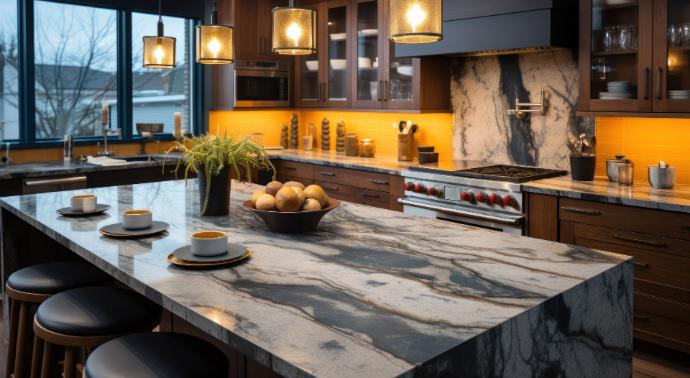
Understanding Quartz Look Tile Construction
High-fired porcelain forms the foundation of quality quartz look subway tiles. Manufacturers subject clay bodies to extreme temperatures, creating exceptionally dense material that resists moisture penetration, scratching, and staining. This engineered composition outperforms many natural materials in demanding residential applications, meeting ANSI A137.1 standards for ceramic tile.
The surface treatment separates premium tiles from basic alternatives. Advanced printing technology applies multiple layers of color and pattern, building visual depth that mimics natural quartz formations. Some manufacturers incorporate actual mineral particles into glazes, generating authentic sparkle when light strikes the surface. Understanding the difference between porcelain and ceramic tiles helps homeowners select appropriate products for specific applications.
Subway format dimensions provide familiar proportions that complement diverse design styles. Standard 3x6 inch sizing honors traditional applications while contemporary variations extend to 2x8, 3x12, and even 4x12 inch formats available in various styles. These expanded dimensions accommodate modern aesthetic preferences for larger tiles and reduced grout lines.
Design Applications That Showcase Quartz Aesthetics
Kitchen backsplashes benefit tremendously from quartz look subway tiles. The vertical installation protects walls from cooking splashes while introducing refined visual interest between countertops and cabinets. Light-colored quartz patterns brighten compact kitchens by reflecting illumination, while darker color selections create dramatic contrast against white cabinetry.
Bathroom applications extend beyond standard shower surrounds. Feature walls behind freestanding tubs establish spa-like atmospheres without premium marble costs. Accent installations above vanities draw attention upward, making modest bathrooms feel more spacious. The National Kitchen & Bath Association recognizes moisture-resistant porcelain as ideal for steam showers and high-humidity environments.
Fireplace surrounds gain contemporary elegance through quartz look tile applications. Heat-resistant porcelain withstands temperature fluctuations that would damage lesser materials. The reflective quality of quartz-inspired surfaces amplifies firelight, creating warm ambiance throughout living spaces.
Commercial spaces employ quartz look subway tiles in reception areas, retail displays, and hospitality settings. The professional appearance communicates quality while withstanding heavy foot traffic, as outlined by Ceramic Tile Distributors Association standards.
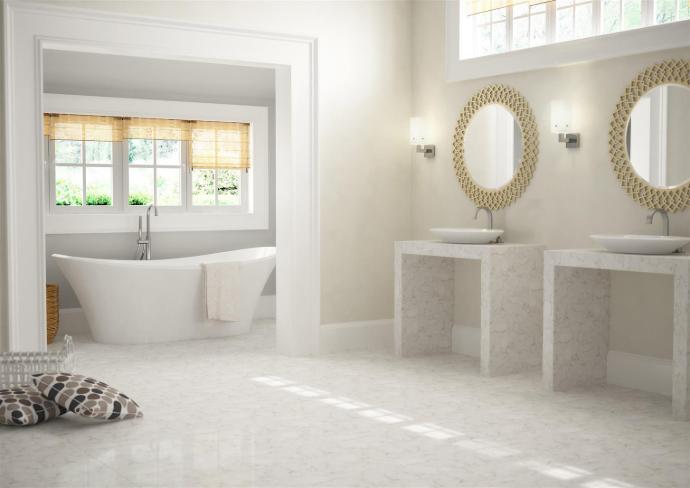
Advantages Over Natural Quartz and Alternative Materials
Cost efficiency represents the most immediate benefit when comparing quartz look tiles to natural quartzite. Natural stone requires quarrying, cutting, and extensive fabrication before installation, with Natural Stone Institute guidelines requiring specialized handling. Porcelain tiles arrive pre-sized and ready for installation, dramatically reducing project budgets while maintaining high-end appearances.
Maintenance requirements decrease significantly with engineered porcelain versus natural stone. Quartzite demands periodic sealing to prevent staining from oils, acids, and pigmented liquids. Quartz look tiles feature non-porous glazed surfaces that resist absorption without any sealing requirements, as explained in TCNA's porcelain tile resources. Daily cleaning requires only mild soap and water.
Consistency throughout installations eliminates the variation challenges inherent to natural materials. Manufactured tiles provide predictable results that simplify design planning and prevent unwanted surprises during installation.
Weight considerations matter particularly in renovation projects. Quartz look porcelain tiles weigh considerably less than natural stone, reducing structural demands and expanding application possibilities for various tile types.
Selecting the Perfect Quartz Look for Your Project
Color selection establishes the foundation for successful installations. Soft whites and creams create bright, open feelings ideal for compact spaces and traditional aesthetics. Gray-toned quartz looks offer sophisticated neutrality that anchors contemporary and transitional spaces, with modern bathroom tile trends favoring these versatile neutrals.
Warmer beige and taupe variations introduce subtle color while maintaining the refined character associated with natural quartzite. These earth-toned options complement wood cabinetry, bronze fixtures, and organic design elements popular in current residential trends. Browse subway tiles by color to explore available palette options.
Darker selections including charcoal and slate-inspired patterns deliver bold contrast suitable for accent walls and statement applications. These dramatic choices work best in well-lit spaces where the crystalline details remain visible.
Finish selection impacts both aesthetics and functionality. Polished surfaces maximize light reflection and showcase tile details. Satin finishes balance visual appeal with practical slip resistance, making them suitable for shower floors. Matte textures provide superior traction in wet areas while delivering contemporary sophistication, as seen in products like the matte porcelain subway tile.
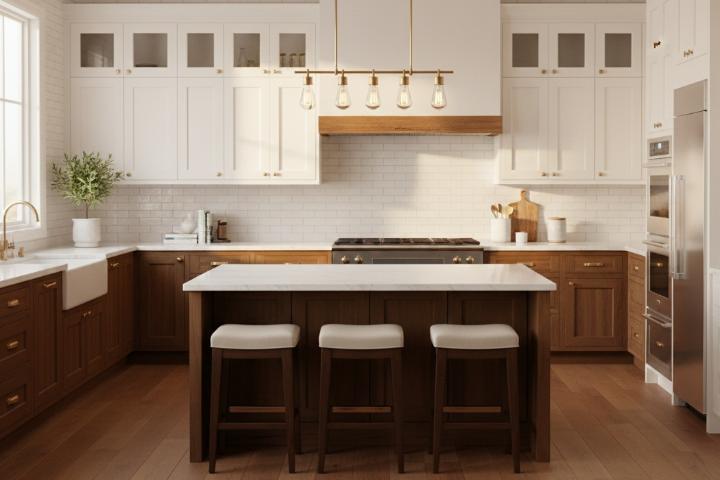
Installation Best Practices
Substrate preparation determines long-term installation success. Cement backerboard provides stable, moisture-resistant foundations for wet areas. Walls must be level and plumb to prevent lippage between tiles and ensure clean sight lines, following professional tile layout guidelines.
Thinset mortar selection impacts both adhesion and final appearance. White thinset prevents color show-through with lighter quartz look tiles, maintaining true surface tones. Modified thinsets bond effectively to cement backerboard and provide flexibility that accommodates building movement.
Layout planning prevents awkward cuts and establishes balanced patterns. Begin installations from focal point areas working toward less visible edges. This positions full tiles where eyes naturally fall while relegating cuts to corners. The Ceramic Tile Foundation recommends proper edge protection for professional results.
Grout selection influences visual impact as significantly as tile choice. Matching grout colors to tile tones create seamless appearances. Contrasting grouts define individual tiles and highlight subway brick patterns. Epoxy grouts provide superior stain resistance in kitchens and bathrooms. Explore our full product selection for coordinating installation materials.
Popular Design Trends
Vertical stacking creates contemporary sophistication while drawing eyes upward. This pattern works exceptionally well in bathrooms with standard ceiling heights, making spaces feel taller and more expansive. Narrow grout lines enhance the vertical emphasis while maintaining practical maintenance, as showcased in designs like the Linear 5x10 glossy 3D decorative subway tile.
Herringbone patterns introduce classic elegance with timeless appeal. This installation style showcases craftsmanship while adding visual movement to walls. Quartz look tiles in neutral tones provide subtle backgrounds that let herringbone geometry shine, with inspiration available at industry events like Coverings.
Mixed-size installations combine standard subway tiles with coordinating larger formats or decorative liners. This approach creates custom looks that reflect personal style while maintaining cohesive color palettes. Browse tiles by style to explore contemporary and traditional pattern options.
Contrasting grout colors have regained popularity after years of tone-on-tone preferences. Dark grout with light quartz look tiles creates graphic impact suitable for contemporary farmhouse and industrial styles. Consider terrazzo-look alternatives for coordinating accent applications.
Conclusion
Quartz look subway tiles represent the perfect convergence of natural beauty and modern engineering. These innovative products deliver the sophisticated elegance of genuine quartzite through advanced porcelain manufacturing that prioritizes both aesthetics and performance. The crystalline sparkle, organic veining, and mineral depth that make natural quartz stone desirable become accessible without the limitations, costs, and maintenance demands inherent to quarried materials.
From kitchen backsplashes to shower surrounds and fireplace features, quartz look subway tiles perform reliably across demanding applications. The non-porous composition resists staining, moisture damage, and bacterial growth while maintaining brilliant appearances through simple cleaning routines.
Cost efficiency makes upscale appearances achievable within realistic budgets. Quartz look porcelain tiles arrive ready for straightforward installation using standard methods and materials, dramatically reducing project expenses without visual compromise.
Ready to explore how quartz look subway tiles can elevate your next project? We offer extensive selections across our showroom locations in Reno, Minden, Sacramento, and Fernley. Take advantage of our $1 sample program to evaluate tiles in your actual space before committing to full orders.
Contact our design consultants for complimentary guidance to help navigate options and ensure selections meet both aesthetic and functional requirements. Visit our online shop or learn more about our company to begin your tile selection journey.
Featured Products
Frequently Asked Questions
What's the difference between quartz look tiles and actual quartz surfaces?
Quartz look tiles are porcelain or ceramic products engineered to replicate natural quartzite stone appearance through advanced printing technologies. Actual quartz surfaces are engineered stone slabs composed of 90-95% ground quartz bound with resins. Quartz look tiles cost significantly less, install using standard tile methods, and weigh considerably less than quartz slabs. Both offer excellent durability, but tiles provide greater design flexibility through varied sizes and installation patterns. Natural quartz slabs create seamless surfaces ideal for countertops, while quartz look tiles excel in vertical applications like backsplashes and shower walls.
Can I install quartz look subway tiles in my shower?
Yes, quartz look subway tiles perform excellently in shower applications due to their porcelain composition. The non-porous glazed surface resists water absorption, preventing moisture damage. Select tiles rated for wet areas and ensure proper substrate preparation using cement backerboard. Use modified thinset mortar and quality grout appropriate for shower environments. For shower floors, choose textured or matte finishes rather than polished surfaces for adequate slip resistance.
How do I choose the right grout color for my quartz look subway tiles?
Grout color dramatically impacts overall appearance. Matching grout to tile color creates seamless looks where tile surfaces dominate visual attention, working beautifully in contemporary designs. Contrasting grout emphasizes individual tiles and highlights patterns like herringbone. White or light gray grout with darker tiles creates graphic impact popular in modern farmhouse styles. Medium grays hide minor discoloration better than stark whites. Order grout samples and test on actual tiles before final selection.
What maintenance do quartz look subway tiles require?
Quartz look subway tiles demand minimal maintenance compared to natural stone. Weekly cleaning requires sweeping or vacuuming followed by damp mopping with pH-neutral cleaners designed for tile surfaces. Avoid harsh chemicals or abrasive tools that can damage grout or dull glazes. For bathrooms, squeegee shower walls after use to prevent hard water deposits. Seal cement-based grout annually with penetrating sealers, though epoxy grouts require no sealing. Unlike natural quartzite, quartz look porcelain tiles never require sealing.
Are quartz look subway tiles suitable for kitchen backsplashes?
Quartz look subway tiles are excellent for kitchen backsplashes, combining aesthetic appeal with practical performance. The non-porous porcelain surface resists staining from cooking oils, tomato sauce, and wine. Heat resistance allows installation directly behind cooktops without thermal damage concerns. The smooth glazed surface wipes clean effortlessly, preventing bacteria accumulation. Installation typically extends from countertop to upper cabinets, creating protective barriers against splashes. The crystalline appearance introduces sophisticated visual interest while coordinating with various countertop materials and cabinet finishes.