Your kitchen backsplash acts as a protective barrier between your walls and cooking splatters, but it needs proper care to maintain its beauty and functionality. To protect your backsplash from grease and stains, seal porous materials regularly, clean spills immediately, and choose grease-resistant surfaces like glazed ceramic or porcelain tiles.
The right combination of material selection, protective treatments, and maintenance routines will keep your backsplash looking pristine for years. Whether you've invested in stunning subway tile layouts or modern subway tile patterns, protecting your backsplash investment should be a priority. Kitchen grease, food splashes, and moisture can gradually damage even the most durable surfaces if left unchecked.
This comprehensive guide will walk you through proven strategies to shield your backsplash from everyday cooking challenges, from selecting the right materials to implementing smart cleaning habits. You'll discover practical solutions that preserve both the appearance and longevity of your kitchen's focal point, ensuring it continues to enhance your space while standing up to daily use.
Understanding Backsplash Vulnerabilities
Different backsplash materials respond uniquely to kitchen grease and moisture exposure. Natural stone options like marble and limestone are particularly porous, absorbing oils and liquids that create stubborn stains over time. These materials require frequent sealing and immediate attention when spills occur. Ceramic and porcelain tiles, especially those with glazed finishes, offer superior resistance to grease penetration, making them practical choices for busy cooking areas.
The grout lines between tiles present another vulnerability point. Standard cement-based grout is highly absorbent and can trap grease, food particles, and moisture, leading to discoloration and potential mold growth. Even creative backsplash ideas featuring chevron subway tile or herringbone subway tile backsplash patterns become compromised when grout deteriorates. Understanding these weak points helps you implement targeted protection strategies.
Your backsplash's location relative to your cooktop significantly impacts its exposure to grease and heat. The area directly behind the stove receives the most splatter, while zones near the sink face moisture challenges. According to the Natural Stone Institute, proper material selection and sealing protocols can dramatically extend the lifespan of any backsplash installation.

Choosing Grease-Resistant Materials
Selecting the right material from the start provides the foundation for a low-maintenance backsplash. Glazed ceramic and porcelain tiles top the list for grease resistance, as their non-porous surface prevents oil absorption. These materials clean easily with simple soap and water, making them ideal for high-traffic cooking zones. Browse options at this tile supplier to find surfaces that balance aesthetics with practicality.
Glass tiles and slabs offer exceptional resistance to staining and grease buildup. Their smooth, non-porous surface wipes clean effortlessly and doesn't harbor bacteria or odors. Glass backsplashes complement contemporary kitchens beautifully while requiring minimal maintenance. For those considering 3x6 subway tiles, glazed versions provide the classic aesthetic with enhanced protection.
Metal backsplashes, including stainless steel and copper, naturally resist moisture and can be cleaned aggressively without damage. However, they show fingerprints and water spots easily, requiring frequent wiping. The Ceramic Tile Foundation recommends evaluating your cooking habits and cleaning preferences when selecting materials, as the best choice varies based on lifestyle factors.
Material Comparison Table
Material Type | Grease Resistance | Maintenance Level | Durability | Best For |
Glazed Ceramic/Porcelain | Excellent | Low | High | High-traffic cooking areas |
Natural Stone (Sealed) | Moderate | High | High | Light cooking zones |
Glass | Excellent | Low | Moderate | Modern, easy-clean spaces |
Metal | Good | Moderate | High | Industrial-style kitchens |
Unglazed Tile | Poor | Very High | High | Decorative areas only |
Proper Sealing Techniques
Sealing creates an invisible protective layer that prevents grease and liquids from penetrating porous surfaces. Natural stone backsplashes require sealing before grouting and resealing every 6-12 months depending on usage intensity. Apply penetrating sealers that soak into the material rather than sitting on the surface, allowing the stone to breathe while blocking stain-causing substances.
Grout sealing is equally critical for all tile installations. After allowing new grout to cure for 48-72 hours, apply a quality grout sealer using a small brush or roller, ensuring complete coverage without puddling on the tiles. This protective barrier prevents grease absorption and makes routine cleaning significantly easier. For vertical subway tile or basketweave subway tile patterns, pay special attention to the increased grout lines that require thorough sealing.
Test your sealer's effectiveness by placing a few water droplets on the surface. If water beads up rather than soaking in, your sealer is working correctly. The Tile Council of North America recommends resealing annually in active cooking areas or whenever water no longer beads on the surface. Consider exploring tiles by type to understand which materials require sealing protocols.
Step-by-Step Sealing Guide
- Clean thoroughly: Remove all grease, soap residue, and debris using appropriate cleaners. Allow the surface to dry completely for 24 hours.
- Apply sealer: Using a foam brush or microfiber cloth, apply sealer in thin, even coats following the manufacturer's directions. Work in small sections to prevent premature drying.
- Allow penetration: Let the sealer soak in for the recommended time (typically 5-15 minutes). Some materials require multiple coats.
- Remove excess: Buff away any excess sealer with a clean cloth before it dries on the surface. This prevents hazy residue buildup.
- Cure properly: Avoid water contact or heavy cleaning for 24-48 hours to allow complete curing. Test with water droplets before regular use.

Daily Maintenance Strategies
Establishing consistent cleaning habits prevents grease buildup before it becomes problematic. Wipe down your backsplash after each cooking session using a microfiber cloth dampened with warm water and a drop of dish soap. This simple habit removes fresh splatter before it hardens or penetrates the surface, reducing the need for aggressive scrubbing later.
For colored subway tile or subway tile with dark grout, daily wiping maintains color vibrancy and prevents discoloration. Focus extra attention on the area directly behind your cooktop, where grease concentration is highest. Keep a designated spray bottle with a mild cleaning solution near your sink for convenient daily touch-ups.
Weekly deep cleaning sessions address accumulated residue that daily wiping might miss. Use pH-neutral cleaners specifically formulated for your backsplash material, avoiding harsh chemicals that can damage sealers or etch surfaces. The experts emphasize that prevention through regular maintenance costs far less than restoration of damaged surfaces.
Dealing With Stubborn Grease
When grease buildup occurs despite preventive efforts, targeted cleaning approaches restore your backsplash's appearance. Create a paste using baking soda and water, apply it to greasy areas, and let it sit for 15-20 minutes before scrubbing with a soft brush. This gentle abrasive cuts through grease without scratching most tile surfaces.
For particularly stubborn deposits on glazed tiles, degreasing dish soap mixed with warm water works effectively. Apply the solution, allow it to penetrate for several minutes, then scrub with a non-abrasive sponge. Rinse thoroughly to prevent soap residue buildup, which can attract more dirt. This specialty subway tile demonstrates how matte finishes may require extra care compared to glossy alternatives.
Steam cleaning provides a chemical-free option for deep cleaning grease from grout lines and textured surfaces. The high heat loosens stuck-on residue while sanitizing the surface. However, avoid steam cleaning natural stone without professional guidance, as rapid temperature changes can cause damage. For comprehensive cleaning guidance, Porcelain Tile Cleaning Tips offers material-specific recommendations.
Pros and Cons of Grease-Fighting Methods
Commercial Degreasers
- Pros: Fast-acting, highly effective on tough buildup, convenient spray application
- Cons: May contain harsh chemicals, can damage natural stone or unsealed surfaces, require thorough rinsing
Natural Solutions (Vinegar, Baking Soda)
- Pros: Non-toxic, inexpensive, safe for most surfaces, environmentally friendly
- Cons: Requires more scrubbing effort, less effective on heavy buildup, vinegar can etch natural stone
Steam Cleaning
- Pros: Chemical-free, sanitizes while cleaning, works well on grout lines
- Cons: Requires equipment investment, not suitable for all materials, time-intensive for large areas
Grout Protection and Maintenance
Grout remains the most vulnerable component of tiled backsplashes. Beyond initial sealing, regular maintenance preserves grout integrity and appearance. Apply grout sealer annually or bi-annually depending on exposure levels, ensuring you're using a product compatible with your grout type. Epoxy grout offers superior stain resistance compared to standard cement-based options, though it costs more and requires professional installation.
For subway tile kitchen ideas featuring light-colored grout, consider switching to darker grout shades during remodeling projects. Dark grout camouflages staining and maintains a cleaner appearance longer. Alternatively, epoxy-based grout contains no cement and resists staining naturally, eliminating sealing requirements altogether.
When grout discoloration becomes severe, professional cleaning or regrouting may be necessary. Steam cleaning can revive dingy grout lines, while oxygen bleach products specifically designed for grout provide whitening without damaging surrounding tiles. Explore various tile sizes to understand how joint spacing affects maintenance requirements.
Protecting High-Splash Zones
The area immediately behind your cooktop faces the greatest grease exposure and deserves extra protection. Install a tempered glass panel over your backsplash in this zone to create an easily cleanable barrier between cooking and your primary surface. These transparent shields protect decorative tiles while adding virtually no visual bulk.
Range hood selection and placement dramatically impact how much grease reaches your backsplash. Choose hoods with adequate CFM ratings for your cooktop size and install them at the proper height (typically 24-30 inches above the cooking surface). Proper ventilation captures grease-laden steam before it settles on surrounding surfaces, reducing cleaning frequency.
For those with stunning 3D decorative subway tile installations, protective measures prevent grease from accumulating in textured grooves where it becomes difficult to remove. Regular wiping immediately after cooking, combined with monthly deep cleaning, keeps dimensional tiles looking fresh. The ANSI standards provide guidelines for tile performance in demanding environments.
Addressing Specific Stains
Different stain types require tailored removal approaches. Oil-based stains respond well to alkaline cleaners or degreasers, while acidic stains (tomato sauce, wine) need alkaline solutions for neutralization. Always test cleaning products on an inconspicuous area first to ensure they won't damage your backsplash finish.
Hard water stains appear as chalky white deposits, particularly near sinks and faucets. Address these with white vinegar (on non-stone surfaces) or commercial lime removers. Apply the solution, let it dwell briefly, then scrub and rinse thoroughly. Preventing these stains proves easier than removing them, so wipe down moisture-prone areas daily.
For mold or mildew in grout lines, use oxygen bleach solutions rather than chlorine bleach, which can discolor grout. Apply the solution, let it work for 30 minutes, scrub with a grout brush, and rinse completely. Improved ventilation and daily drying prevent recurrence. Those interested in terrazzo-look tiles should note that the speckled pattern naturally disguises minor staining better than solid colors.
Subway Tile Care Guidelines
Natural stone backsplashes demand pH-neutral cleaners formulated specifically for stone. Acidic cleaners (including vinegar and lemon juice) etch marble, limestone, and travertine, creating dull spots and surface damage. Use stone-specific sealers and cleaners to maintain the material's natural beauty while protecting against staining.
Ceramic and porcelain tiles tolerate more aggressive cleaning but still benefit from gentle approaches. Avoid abrasive scrubbers on glazed surfaces, as repeated use can scratch the glaze and create microscopic pores where dirt accumulates. For subway tile bathroom trends or kitchen applications, microfiber cloths provide effective cleaning without surface damage.
Glass backsplashes clean beautifully with standard glass cleaners but show water spots prominently. Squeegee after cleaning or use distilled water in your spray bottle to minimize spotting. Metal backsplashes require specific products based on the metal type; stainless steel cleaners, for example, contain oils that create a protective finish while buffing away fingerprints and water marks.
Seasonal Deep Cleaning
Quarterly deep cleaning sessions address accumulated grease and grime that daily maintenance misses. Schedule these around seasonal changes or after periods of heavy cooking (holidays, entertaining seasons). Remove everything from countertops to access the entire backsplash, including corners and edges often overlooked during routine cleaning.
Mix a strong degreasing solution and apply it generously to the entire surface, allowing 10-15 minutes of dwell time for penetration. Work in sections, scrubbing grout lines with a dedicated grout brush and tiles with a soft sponge. Pay special attention to textured tiles or intricate patterns like herringbone subway tile backsplash layouts where grease hides in crevices.
After scrubbing, rinse thoroughly with clean water, changing rinse water frequently to avoid redistributing grease. Dry the surface completely with clean towels, then assess whether resealing is needed. If water no longer beads on stone surfaces or grout lines, plan for resealing within the next few weeks. Visit this design resource for inspiration on maintaining various backsplash styles.
Choosing the Right Cleaning Products
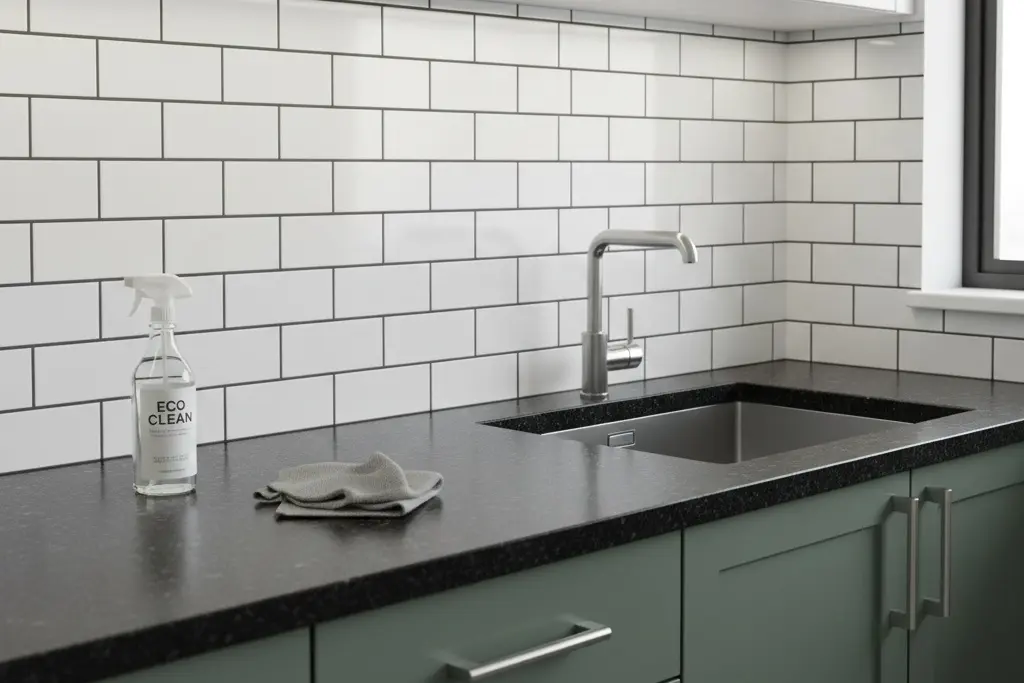
Product selection impacts both cleaning effectiveness and surface longevity. pH-neutral cleaners work safely on all materials, making them ideal for households with mixed backsplash types. These formulations clean effectively without the risks associated with highly acidic or alkaline products that can damage certain materials.
Read product labels carefully to confirm compatibility with your specific backsplash material. Products marked "stone-safe" often work well on all surfaces, while stone-specific formulas may be too gentle for tough grease on ceramic tiles. The Tile Letter resource offers professional insights into maintenance best practices.
Avoid products containing bleach, ammonia, or harsh acids unless specifically recommended for your material. These chemicals can strip sealers, discolor grout, or damage tile finishes. Natural alternatives like castile soap, baking soda, and hydrogen peroxide handle most cleaning tasks safely and economically. For tiles by color selections, consider how cleaning product residues might affect appearance over time.
Professional Maintenance Services
Professional tile cleaning services provide deep restoration when DIY methods fall short. These specialists use industrial-strength equipment and products unavailable to consumers, effectively removing years of buildup without damaging surfaces. Consider professional service every 1-3 years depending on your backsplash condition and material type.
Professional resealing ensures complete, even coverage that DIY applications sometimes miss. Experts apply sealers at optimal temperatures and humidity levels, maximizing product performance and longevity. They also identify early damage signs and recommend preventive measures before costly repairs become necessary.
For valuable installations featuring premium materials or intricate designs, professional maintenance protects your investment. The Coverings trade show showcases innovations in tile care products and services, demonstrating the industry's commitment to maintenance excellence. When searching for qualified professionals, consult resources like Wikipedia's tile information to understand proper installation and care standards.
Preventive Design Considerations
If you're planning a kitchen renovation, design choices can minimize future maintenance challenges. Larger format tiles mean fewer grout lines, reducing the surface area requiring sealing and cleaning. Full-height backsplashes protect walls completely while creating striking visual impact with subway tile colors that complement your design scheme.
Consider backsplash height extension to protect walls during particularly splatter-prone cooking. Some homeowners install backsplashes that reach the ceiling behind the stove, providing comprehensive protection while making a bold design statement. This approach works especially well with vertical subway tile patterns that emphasize height.
Material placement strategy matters too. Reserve delicate or high-maintenance materials for low-splash zones while specifying durable, easy-clean options behind cooktops and sinks. Mix materials strategically to achieve visual interest without compromising practicality. Browse tiles by style to see how various aesthetics perform in demanding kitchen environments.
Long-Term Protection Strategies
Developing comprehensive protection habits ensures your backsplash remains beautiful for decades. Create a maintenance calendar noting when sealing, deep cleaning, and inspection tasks should occur. Consistent scheduling prevents the forgetfulness that leads to damage over time.
Document your backsplash materials and products used during installation, including sealer brands and grout types. This information proves invaluable when reordering supplies or hiring professionals for maintenance. Photograph your backsplash periodically to track its condition and identify gradual changes requiring attention.
Educate household members about proper backsplash care, ensuring everyone understands which products are safe and which areas need special attention. When everyone participates in daily wiping and prompt spill cleanup, the burden doesn't fall on one person, and the backsplash stays cleaner longer. Learn more about quality materials and care at this local showroom.
When to Consider Replacement
Despite best efforts, backsplashes eventually reach the end of their serviceable life. Persistent staining that resists all cleaning attempts, cracked tiles, or crumbling grout indicate replacement may be more cost-effective than continued restoration attempts. If your backsplash looks perpetually dirty despite regular cleaning, the surface may be too damaged to respond to maintenance.
Water damage behind tiles, evidenced by loose tiles or musty odors, requires immediate attention to prevent mold growth and structural damage. In these cases, removal and replacement with properly waterproofed installation prevents future problems. Modern installation standards from organizations like the Family Handyman emphasize proper substrate preparation and waterproofing.
Replacement offers an opportunity to upgrade to more grease-resistant materials or low-maintenance options that better suit your lifestyle. Consider how your cooking habits and cleaning preferences have evolved since your current backsplash was installed. Explore products available from reputable suppliers to compare contemporary options with your existing installation.
Conclusion
Protecting your backsplash from kitchen grease and stains requires a multifaceted approach combining smart material selection, proper sealing, consistent maintenance, and prompt stain treatment. By implementing the strategies outlined in this guide, you'll preserve your backsplash's beauty and functionality for years to come, protecting your investment while maintaining a fresh, clean kitchen environment.
Whether your design features classic subway tile layouts, contemporary patterns, or natural stone elegance, the fundamental principles remain the same: seal porous surfaces regularly, clean frequently with appropriate products, and address issues promptly before they escalate. The effort invested in proper care pays dividends through lasting beauty and reduced long-term maintenance costs.
Ready to explore backsplash options that combine stunning aesthetics with practical durability? Contact the experts at Nova Tile and Stone to discover materials and designs that will enhance your kitchen while standing up to daily cooking demands. Visit the About Us page to learn how this trusted supplier helps homeowners create kitchens that are both beautiful and functional.
Frequently Asked Questions
How often should I seal my kitchen backsplash?
Natural stone backsplashes require sealing every 6-12 months depending on usage intensity, while grout lines should be resealed annually in high-traffic cooking areas. Test sealer effectiveness by placing water droplets on the surface; if water soaks in rather than beading up, resealing is needed. Glazed ceramic and porcelain tiles don't require sealing, only the grout between them.
What's the best way to remove grease buildup from grout lines?
Create a paste using baking soda and water, apply it to stained grout, let it sit for 15-20 minutes, then scrub with a grout brush. For stubborn buildup, use oxygen bleach products specifically designed for grout. Steam cleaning also effectively removes grease from grout while sanitizing the surface. Always reseal grout after deep cleaning to restore protection.
Can I use vinegar to clean my tile backsplash?
Vinegar works safely on glazed ceramic and porcelain tiles but should never be used on natural stone, as its acidity etches marble, limestone, and travertine. For stone backsplashes, use pH-neutral cleaners specifically formulated for natural stone. When in doubt, check manufacturer recommendations for your specific tile type before using any acidic cleaning solutions.
How can I prevent grease splatter from reaching my backsplash?
Install a properly sized range hood with adequate CFM rating positioned 24-30 inches above your cooktop to capture grease-laden steam. Consider adding a tempered glass panel over decorative tiles in high-splash zones for an easily cleanable protective barrier. Wipe down the backsplash immediately after cooking to remove fresh splatter before it hardens or penetrates the surface.
What backsplash materials are most resistant to grease and staining?
Glazed ceramic and porcelain tiles offer the best grease resistance due to their non-porous, impermeable surfaces. Glass tiles and slabs also resist staining exceptionally well and clean easily. Metal backsplashes like stainless steel naturally resist moisture and withstand aggressive cleaning, though they show fingerprints readily. Natural stone requires the most maintenance and offers the least grease resistance without proper sealing.