Bringing the classic appeal of subway tile into outdoor living spaces creates a seamless design connection between your home's interior and exterior environments. Homeowners across Northern Nevada and Northern California are discovering that frost-resistant porcelain subway tiles deliver the same timeless elegance outdoors that has made this format a design favorite for over a century indoors.
From outdoor kitchen backsplashes to pool surrounds and patio accent walls, exterior subway tile applications withstand harsh weather conditions while maintaining their sophisticated appearance. The key lies in selecting appropriate materials rated for outdoor use and following proper installation techniques suited to your local climate.
This comprehensive guide covers everything you need to know about using subway tile in outdoor spaces, including material selection, popular applications, design considerations, and maintenance practices that ensure lasting beauty.
Why Choose Subway Tile for Outdoor Spaces
Subway tile's indoor popularity stems from its versatility, durability, and timeless appeal. These qualities translate effectively to outdoor environments when you select materials designed for exterior exposure. The rectangular format creates clean architectural lines complementing both modern and traditional outdoor designs, as highlighted in current bathroom tile trends that also apply to exterior spaces.
Northern Nevada and Northern California homeowners face unique climate challenges making material selection critical. Temperature fluctuations in Reno and Minden swing dramatically between seasons, while Sacramento experiences intense summer heat. Quality porcelain subway tiles engineered for outdoor use address these challenges through low water absorption rates and freeze-thaw resistance preventing cracking and surface damage.
Outdoor subway tile surfaces resist staining from food, beverages, and environmental debris while cleaning easily with basic maintenance. Unlike wood or composite materials requiring regular sealing, properly installed porcelain subway tiles deliver decades of service with minimal upkeep. This longevity makes them cost-effective investments despite higher upfront material costs compared to some alternatives. Learn more about us and our commitment to quality outdoor tile solutions.
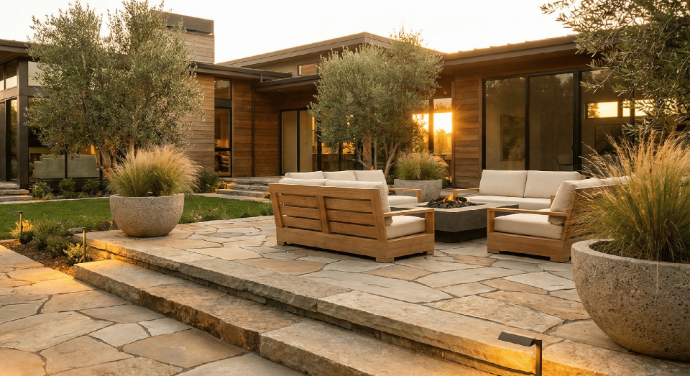
Best Materials for Outdoor Subway Tile Installations
Material selection determines success in any outdoor tile project. Not all subway tiles perform equally in exterior applications, so understanding the differences between options ensures lasting results. When you shop tiles by type, pay close attention to specifications indicating outdoor suitability.
Porcelain subway tiles represent the gold standard for outdoor installations. Manufactured from refined clay fired at temperatures exceeding 2200 degrees Fahrenheit, porcelain achieves a dense, vitrified structure resisting water absorption. The ANSI A137.1-2022 standard for ceramic tile specifies that tiles with water absorption rates below 0.5 percent qualify as true porcelain suitable for freeze-thaw environments.
Ceramic subway tiles, while excellent for interior walls, generally lack density required for fully exposed exterior installations. Their higher porosity allows moisture penetration causing cracking when temperatures drop below freezing. Understanding the differences between porcelain and non-porcelain ceramic tile helps you make informed decisions. Reserve ceramic for covered patios and screened porches where direct weather exposure remains limited.
Slip resistance ratings deserve attention for outdoor floor applications. Tiles with higher coefficient of friction values provide safer walking surfaces when wet. Many porcelain subway tiles feature textured or matte finishes enhancing grip without sacrificing aesthetic appeal. The NKBA recommends always verifying slip ratings meet safety standards for your intended application.
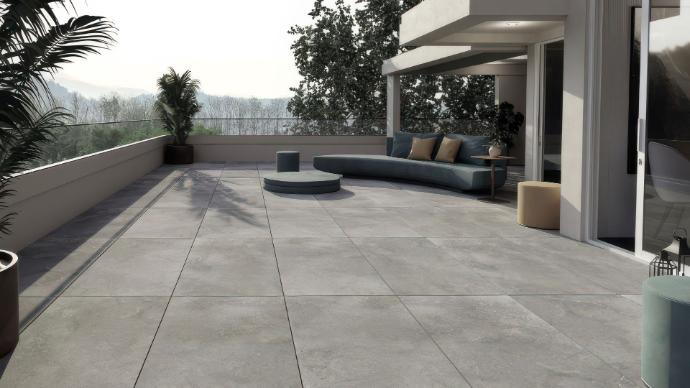
Popular Outdoor Subway Tile Applications
Outdoor Kitchen Backsplashes
Outdoor kitchens have become essential features in Northern Nevada and Northern California homes, extending entertaining seasons and increasing property values. Subway tile backsplashes behind grills, prep stations, and bar areas create cohesive design statements while providing practical, cleanable surfaces that handle grease splatter and weather exposure.
White subway tile backsplashes translate beautifully to outdoor settings, reflecting sunlight to brighten cooking areas. Explore our subway tiles color collection for classic white options. For bolder statements, colored porcelain subway tiles in deep blues, sage greens, or warm terracotta establish outdoor kitchens as distinct design destinations.
Vertical installations behind grills require heat-resistant adhesives and proper spacing from heat sources. Most porcelain subway tiles handle radiant heat from outdoor cooking equipment without issue, though maintaining recommended clearances protects your investment. Consider the Linear 5x10 Glossy 3D Decorative Subway Tile for dramatic textured backsplash effects.
Patio and Deck Surfaces
While subway tile traditionally appears on walls, outdoor-rated porcelain works effectively as patio flooring with proper installation techniques. The elongated rectangular format creates interesting pattern possibilities differentiating these surfaces from standard square tiles. Review professional tile layout tips and tricks before planning your installation.
Herringbone and chevron patterns add dynamic visual movement to patio floors, transforming functional surfaces into design features. Running bond patterns maintain classic appeal while minimizing installation waste. When you shop tiles by style, you'll find options complementing stacked patterns that deliver contemporary minimalism suiting modern architectural styles.
Substrate preparation proves critical for outdoor floor installations. Concrete bases must be properly cured, level, and equipped with drainage slopes preventing water pooling. Exterior-grade thin-set mortars and grout formulations resist moisture penetration and temperature cycling that would compromise standard interior products.
Pool Surrounds and Water Features
Pool areas present demanding conditions requiring careful tile selection. Subway tiles around pools must resist chlorinated water, intense UV exposure, and constant wet-dry cycling without fading or deteriorating. The Ceramic Tile Distributors Association provides certification standards ensuring tiles meet these demanding requirements.
Porcelain subway tiles excel in these environments. Their non-porous surfaces prevent algae growth and chemical absorption while maintaining color stability through seasons of sun exposure. The smooth surfaces also simplify cleaning routines compared to textured alternatives that trap debris.
Consider subway tiles for raised bond beams, water feature walls, and outdoor shower enclosures. Browse our shop for glossy finishes that reflect water and sunlight beautifully, creating jewel-like effects enhancing resort-quality atmosphere in backyard retreats.
Exterior Accent Walls and Facades
Subway tile accent walls transform blank exterior surfaces into architectural features elevating entire outdoor spaces. Whether applied to garden walls, privacy screens, or building facades, the clean lines create sophisticated backdrops for outdoor living and entertaining. The Natural Stone Institute offers additional resources for incorporating natural stone accents alongside subway tile.
Fireplace surrounds represent particularly impactful applications. The classic 3x6 subway tiles format complements both traditional masonry fireplaces and modern linear gas units, creating gathering spots anchoring outdoor living rooms. Select tiles rated for appropriate temperature exposure and maintain proper clearances from fireboxes.

Design Considerations for Outdoor Subway Tile
Color selection involves considerations beyond personal preference. Light-colored tiles reflect heat, keeping surfaces cooler underfoot during hot summers. When you shop tiles by color, consider that dark tiles absorb heat, potentially becoming uncomfortable in direct sunlight but preventing slippery moss growth in shaded areas.
Grout color impacts aesthetics and maintenance significantly. Dark grout hides dirt better than light options, reducing visible wear in high-traffic areas. The Ceramic Tile Foundation recommends proper edge protection and grout selection for outdoor durability. Epoxy grouts offer superior stain resistance compared to cement-based options, justifying higher costs for demanding outdoor environments.
Larger format tiles like the 3x12 Matte Porcelain Subway Tile often suit expansive outdoor areas better than traditional 3x6 dimensions, reducing grout lines and creating cleaner visual expanses. When you shop tiles by size, you'll find smaller formats work well for detailed accents and borders.
Installation Best Practices
Successful outdoor subway tile installations begin with proper substrate preparation. Concrete surfaces must cure completely, typically requiring 28 days minimum for new pours. Existing concrete should be evaluated for cracks, level variations, and drainage issues before tiling. This Old House explains ceramic vs porcelain tile differences affecting installation requirements.
Exterior-rated thin-set mortars contain polymers enhancing flexibility, bond strength, and moisture resistance. Standard interior thin-sets will fail when exposed to weather cycling, leading to loose tiles and costly repairs. Visit a shop local showroom to discuss proper installation materials with our experts.
Expansion joints accommodate thermal movement in outdoor installations. Without proper joint placement, temperature-driven expansion and contraction causes cracking and grout failure. Waterproofing membranes provide additional protection in areas with standing water potential or direct weather exposure. Industry events like Coverings showcase the latest installation technologies and best practices.
Maintenance for Lasting Beauty
Regular sweeping removes debris that scratches surfaces or traps moisture against grout lines. Periodic washing with mild detergent addresses accumulated dirt and environmental deposits without damaging tile or grout. Explore the products we carry including recommended cleaning solutions.
Apply quality penetrating grout sealers annually, especially on floor installations and high-use areas. Sealed grout resists mold and mildew while maintaining original color and preventing moisture penetration. For unique accent pieces, consider our terrazzo look tiles that complement subway tile installations.
Inspect installations seasonally for damage, loose tiles, or grout deterioration. Addressing minor issues promptly prevents major repairs. Northern Nevada's freeze-thaw cycles and Northern California's wet winters can exploit small vulnerabilities quickly.
Conclusion
Outdoor subway tile applications offer homeowners the opportunity to extend timeless design aesthetics into patios, outdoor kitchens, pool areas, and entertainment spaces. When specified correctly with frost-resistant porcelain materials and installed using exterior-rated products, subway tiles deliver decades of durable, beautiful performance in demanding outdoor environments.
Nova Tile and Stone offers comprehensive selections of outdoor-rated porcelain subway tiles at showrooms in Reno, Minden, Fernley, and Sacramento. Our design experts provide free consultations to help select appropriate materials for your specific application. Contact us today or take advantage of our $1 sample program to evaluate colors and finishes in your actual outdoor lighting conditions before committing to your project.
Featured Products
Frequently Asked Questions
Can regular subway tiles be used outdoors?
Standard ceramic subway tiles designed for interior use should not be installed in fully exposed outdoor locations. Their higher porosity allows water absorption causing cracking during freeze-thaw cycles. Only porcelain subway tiles with water absorption rates below 0.5 percent should be used for exterior applications exposed to weather.
How do I know if a subway tile is rated for outdoor use?
Check manufacturer specifications for water absorption rates, freeze-thaw ratings, and explicit outdoor approvals. Tiles rated for exterior installation feature water absorption below 0.5 percent and have passed freeze-thaw cycle testing. Consult tile professionals when specifications are unclear.
What grout should I use for outdoor subway tile installations?
Exterior installations require grout formulated for outdoor use. Polymer-modified cement grouts or epoxy grouts provide flexibility, moisture resistance, and durability outdoor conditions demand. Epoxy grouts offer superior stain resistance despite higher initial costs.
Will outdoor subway tiles get too hot to walk on in summer?
Temperature depends on color, finish, and sun exposure. Light-colored tiles reflect sunlight and remain cooler than dark options. For pool decks and barefoot areas, prioritize lighter colors and consider shade structures for frequently used zones.
How long do outdoor subway tile installations last?
Properly installed outdoor porcelain subway tiles last 25 to 50 years with appropriate maintenance. Longevity depends on material quality, installation techniques, and ongoing care including grout sealing and seasonal inspections.