Modern subway tile is an evolved version of the classic rectangular ceramic tile that originated in early 1900s New York subway stations. Today's subway tiles feature expanded color options, advanced textures, larger formats, and sustainable materials while maintaining the iconic rectangular shape that defines this timeless design element.
Key characteristics of modern subway tile include:
- Diverse color palettes: Beyond traditional white to include nature-inspired grays, browns, blues, and bold contemporary hues
- Advanced surface treatments: Three-dimensional textures, silk finishes, channeled patterns, and weathered effects
- Extended formats: Elongated dimensions that minimize grout lines for cleaner, more continuous appearances
- Eco-friendly materials: Recycled content integration and low-emission manufacturing processes
- Enhanced durability: Glazed ceramic and porcelain construction that resists moisture, heat, and surface damage
Modern subway tile applications span: kitchen backsplashes, bathroom walls, shower surrounds, accent walls, and creative inlay designs. Installation patterns include traditional running bond, vertical stacking, herringbone arrangements, and custom artistic layouts.
Cost considerations: Modern subway tiles range from budget-friendly ceramic options to premium handcrafted varieties, with pricing influenced by material quality, surface treatments, and dimensional specifications.
This comprehensive guide explores contemporary subway tile innovations, sustainable benefits, design strategies, and practical installation tips to help you select and implement the perfect subway tile solution for your space.
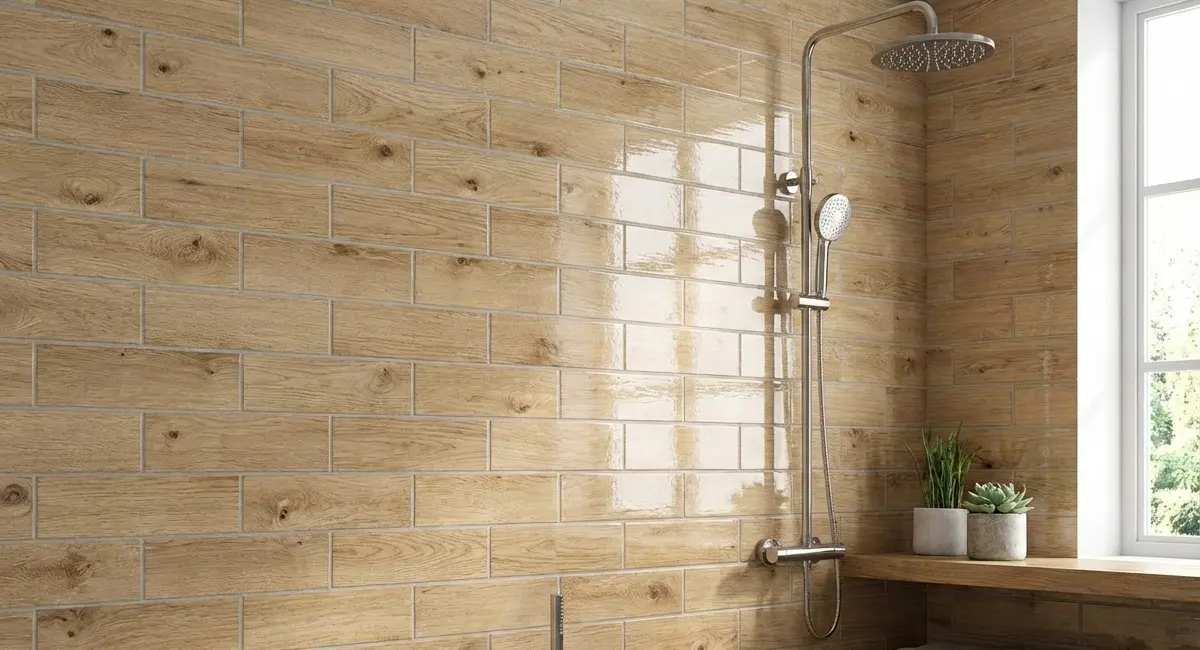
The Enduring Appeal of Subway Tile Design
Subway tile maintains its position as an interior design essential through its remarkable ability to complement diverse aesthetics and environments, functioning equally well as a clean, neutral foundation or a striking statement element. This perfect equilibrium between straightforward design and flexible application keeps subway tile consistently relevant through evolving design movements while honoring its functional and sophisticated heritage.
The foundation of its widespread appeal lies in its clean, geometric form. The straightforward rectangular profile and polished surface introduce structure and sophistication, establishing subway tiles as an excellent option for both home and business environments. Consider classic white subway tiles that deliver a fresh, enduring appearance, or matte variations that produce a gentler, more relaxed atmosphere. Those pursuing modern sophistication can explore rich colors and dynamic arrangements that encourage artistic creativity. When shopping for tiles by type, consider how ceramic and porcelain options differ in performance characteristics.
The robust construction of subway tile amplifies its desirability. Glazed ceramic and porcelain varieties withstand moisture exposure, temperature changes, and surface damage, positioning them perfectly for demanding environments like culinary and bathing areas. Their sealed surfaces also block water penetration, guaranteeing extended performance and simple upkeep. Whether combined with organic wood elements for coziness, brushed metal components for contemporary industrial character, or vibrant fabrics for visual contrast, subway tile's flexibility and strength establish its role as a fundamental element in interior architecture.
Contemporary Design Evolution
Subway tile has progressed far beyond its practical origins to establish itself as a foundation for cutting-edge design creativity. Its uniform dimensions and adaptable characteristics position it as an excellent medium for exploring striking visual elements, inventive arrangements, and enhanced functionality. These attributes allow it to maintain its status as a modern essential while expanding traditional design limitations.
Revolutionizing Color Palettes
Contemporary subway tiles have welcomed color advancement, presenting dynamic tones and shade diversity that extend far beyond conventional neutral options. These developments utilize the iconic rectangular format, converting it into an energetic foundation for current design concepts. This handcrafted character distinguishes it from standard subway tiles, contributing richness and personality that amplifies the distinctiveness of every environment.
Current subway tiles now incorporate nature-derived colors, capturing the gentle grays of marble, the rich browns of stone, or the subtle greens of weathered copper. These natural tones deliver a solid, organic atmosphere to interiors while providing flexibility for both contemporary and traditional design approaches. Additionally, the modular structure of subway tiles enables innovative methods, including gradient blending, shade alternation, or contrasting grout application for enhanced visual appeal. Whether serving as a centerpiece in simplified designs or contributing to complex arrangements, these contemporary choices demonstrate how strategic color and texture selection transforms interiors with sophistication and adaptability.
Advanced Surface Treatments
Subway tiles have incorporated cutting-edge textural developments, introducing dimension and visual appeal to their traditional format. Moving beyond standard matte and polished surfaces, innovative textures including raised geometric designs, channeled patterns, silk-like finishes, and weathered effects provide exciting design opportunities for both vertical surfaces and backsplashes.
Three-dimensional subway tiles feature elevated geometric designs that produce a sculptural, energetic appearance. These configurations work with illumination and shadows, making them perfect for accent walls or dramatic focal areas. Channeled subway tiles provide more subtle surface variation, contributing understated dimension while preserving clean geometry, making them an excellent choice for minimalist environments.
Specialized surface treatments expand subway tile application possibilities further. Silk-finish subway tiles, featuring their gentle, refined luster, balance the strong reflection of polished surfaces with the quiet sophistication of matte options. Weathered finishes, displaying fine, web-like surface patterns, create a vintage, artisanal character, integrating smoothly into both traditional and contemporary environments. Understanding different types of tiles and their properties helps in making informed surface treatment selections.
Extended and Oversized Formats
The development of subway tiles in larger dimensions has created fresh opportunities for interior architecture, merging timeless character with contemporary flexibility. While traditional sizing continues to establish the classic subway tile aesthetic, current elongated options introduce a refined, updated look to both kitchen and bathroom spaces. These expanded formats represent modern preferences for smooth, continuous surfaces and reduced grout visibility.
Extended subway tiles minimize grout line visual interruption, producing cleaner, more unified designs. Their stretched dimensions also support creative arrangements, including vertical installation for enhanced height perception or herringbone configurations for energetic visual flow. Professional designers often reference proven subway tile pattern layouts when planning installations to achieve specific visual effects.
In kitchen applications, horizontally installed subway tiles can establish a continuous backsplash that coordinates beautifully with current cabinetry and hardware. In bathroom settings, subway tiles arranged vertically can improve height perception, creating the impression of expanded space in compact areas. These large, extended formats also perform effectively in transitional environments, combining classic dimensions with contemporary sophistication. Browse tiles by size to explore how different dimensions affect visual impact in your space.
Environmentally Conscious Materials
Current subway tiles extend beyond visual appeal by incorporating environmental responsibility into their construction, establishing them as a sustainable option for today's interiors. Their manufacturing increasingly utilizes recycled components and environmentally friendly processes, responding to increasing demand for ecologically responsible design solutions.
Recycled material integration and low-emission glazing represent common innovations in subway tile production. These methods decrease waste generation and enhance indoor air quality, ensuring tiles contribute positively to both environmental protection and personal wellness. Combined with their structural integrity, which reduces frequent replacement requirements, subway tiles provide lasting value while minimizing resource consumption.
Subway tiles also improve energy performance through subtle yet significant methods. Their thermal consistency helps maintain comfortable interior temperatures by retaining warmth during winter months and remaining cool throughout summer, decreasing dependence on heating and cooling equipment. Polished surfaces contribute further by reflecting natural illumination, brightening interiors, and reducing artificial lighting requirements.
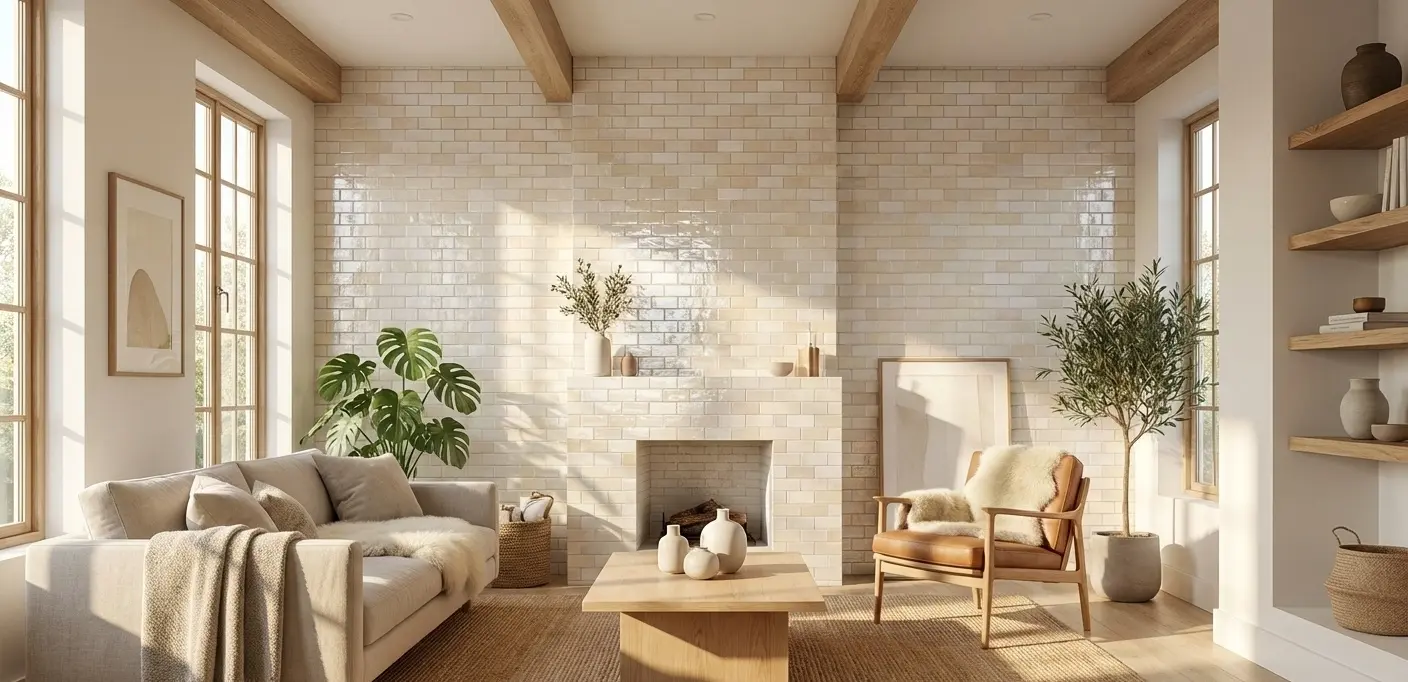
Subway Tiles for Accent Applications
Subway tile provides more than enduring appeal, it can introduce contemporary character to interiors through creative accent implementations. By integrating distinctive designs, materials, and arrangements, subway tiles can convert standard spaces into customized expressions of individual style.
Defining and Emphasizing Elements
Contemporary subway tiles have developed beyond traditional applications, now functioning as instruments to define and highlight architectural components. This strategy converts functional zones into focal areas, establishing visually distinct and sophisticated accents in both modern and classic interiors.
Extended subway tiles demonstrate this innovation. Their narrow, contemporary profile and reflective surface enhance elements like backsplashes, shower recesses, or vanity mirrors, attracting attention while maintaining a sleek appearance. Applying contrasting grout colors or combining them with metallic fixtures can intensify their defining effect, contributing depth and contrast to your design.
Another contemporary method involves integrating textured or metallic subway tiles for framing applications, which strengthens the visual impact of elements like windows, shelving, or alcoves. Illumination serves a crucial function incorporating LED strips or positioning fixtures around tiled frames not only emphasizes the feature but also establishes a layered, dynamic appearance. These refined additions enhance the design while integrating seamlessly with the surrounding environment.
Developing Artistic Inlay Designs
A tile inlay represents a decorative design or pattern integrated into a tiled surface, utilized to establish a focal point or improve the visual appeal of a space. By combining different shapes, colors, or materials, inlays can transform an otherwise basic surface into a distinctive, personalized feature. They frequently appear on floors, walls, backsplashes, or accent areas to introduce character and style to a design.
If you're considering incorporating tile inlays into your project, Nova Tile and Stone offers complimentary design consultations to help you select the perfect patterns, materials, and placement strategies that complement your space and achieve your desired aesthetic.
Using subway tiles, artistic inlays unlock extensive creative potential. Geometric arrangements, including chevrons or hexagons, create movement and dynamic visual engagement, while gradient or color-transition effects using varied tones establish depth and gentle transitions. For contemporary sophistication, asymmetrical layouts like offset tile placement or size mixing introduce unconventional character without overwhelming the overall design.
To enhance texture and contrast further, incorporating materials like glass or metallic elements can deliver reflective or luminous qualities. Combining matte and polished finishes also manipulates light to establish a layered, multi-dimensional effect. Custom elements, including circular or hexagonal tiles, function particularly well as focal points, making the inlay not simply decorative but a distinctive design statement. Professional installation guides for decorative backsplash applications provide detailed techniques for achieving complex inlay designs.
Accent Elements in Surprising Locations
Subway tiles can introduce unexpected appeal to unconventional spaces, demonstrating their flexibility in contemporary design. For example, applying these tiles to line open shelving edges establishes a subtle yet visually attractive accent. Similarly, stair risers can be enhanced with striking patterns or textured variations, converting a functional component into a standout feature.
In kitchen environments, subway tiles can cover the foundation of a kitchen island, creating a unified and stylish appearance that connects the space together. In bathroom applications, they function well to frame mirror perimeters or serve as decorative bands within plain wall surfaces, contributing subtle texture and detail. Smaller zones, including bookshelf backs or window ledges, can also benefit from subway tiles in distinctive finishes, like three-dimensional embossed designs, for a refined yet understated effect.
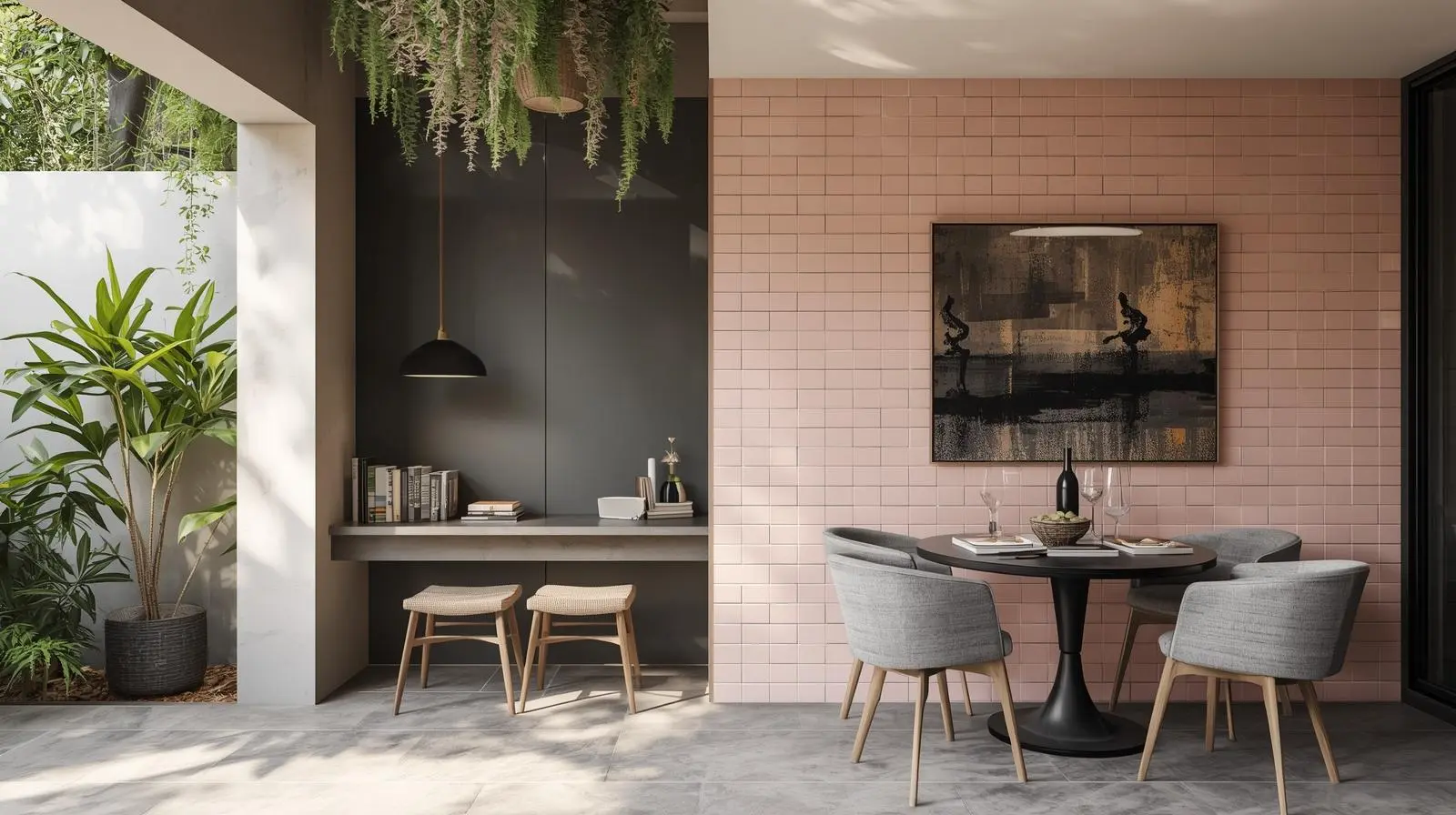
Contemporary Design Strategies
Modern subway tile design excels through inventive layouts and intentional details.
In kitchen spaces, utilize a complete backsplash to establish a refined, continuous surface with their expanded size that reduces grout line visibility. Combine them with dark fixtures, organic wood cabinetry, and under-cabinet illumination to highlight their polished finish and introduce warmth to the environment. When considering comprehensive bathroom renovation approaches, subway tiles offer versatility that complements various design themes.
For bathroom applications, vertical arrangements extend wall height, establishing a contemporary, spacious aesthetic. These identical subway tiles can combine with floating vanities and borderless mirrors to amplify this effect, producing a streamlined, spa-inspired environment. Alternatively, mixing them with contrasting components like brushed metal or matte surfaces contributes depth and refined industrial character. Choosing appropriate flooring materials for bathrooms requires considering how floor selections coordinate with subway tile wall treatments.
Subway Tile's Place in Contemporary Homes
Subway tile has transformed from its utilitarian beginnings into an enduring design foundation, appreciated for its structural integrity, flexibility, and visual appeal. Available in numerous colors, textures, and arrangements, it accommodates both traditional and contemporary interiors, providing unlimited opportunities for developing stylish and environmentally conscious spaces. The fascinating evolution of subway tile design reveals how this simple rectangular format has adapted to changing architectural trends while maintaining its essential character.
To realize these possibilities, expert guidance proves invaluable for achieving your perfect subway tile vision. Professional knowledge in selecting the ideal color, texture, and layout ensures smooth integration into your space, helping you establish a unified and impressive design. When exploring tile selection by color, consider how different hues interact with your existing décor and lighting conditions.
Conclusion
Transform your space with the versatility and enduring appeal of modern subway tile. From its humble beginnings in New York's transit system to becoming today's premier design choice, subway tile continues to redefine interior aesthetics through innovative colors, textures, and applications. Whether you're pursuing a minimalist kitchen backsplash, a spa-inspired bathroom retreat, or bold accent features throughout your home, subway tile delivers the perfect balance of functionality and style.
Take action now to elevate your interior design with subway tile's proven durability, sustainable materials, and limitless creative possibilities. Embrace contemporary formats, experiment with artistic inlays, and discover how strategic placement can transform ordinary spaces into extraordinary design statements. Nova Tile and Stone offers comprehensive selections and expert consultation to bring your vision to life. Visit our shop to explore our complete subway tile collection, or discover convenient local shopping options for hands-on tile selection. Your ideal subway tile solution awaits—start planning your transformation today and experience why this timeless material remains the cornerstone of exceptional interior design.
Frequently Asked Questions
What makes modern subway tile different from traditional subway tile?
Modern subway tile expands beyond the classic rectangular white format to include elongated dimensions, diverse color palettes, advanced surface textures, and eco-friendly materials. Contemporary options feature everything from three-dimensional geometric patterns and silk finishes to nature-inspired colors and larger formats that minimize grout lines. These innovations maintain the timeless rectangular shape while offering enhanced design flexibility and improved sustainability compared to traditional varieties. Comprehensive tile information resource provide detailed technical specifications and historical context for various tile types.
How do I choose the right subway tile layout for my space?
Select your subway tile layout based on your space's dimensions and desired visual effect. Use vertical arrangements to create height in compact bathrooms, horizontal installations for continuous kitchen backsplashes, and herringbone patterns for dynamic movement. Consider elongated formats for modern aesthetics with fewer grout lines, or traditional sizing for classic appeal. Factor in your room's proportions, lighting conditions, and overall design style when making your layout decision. Browse tiles organized by style to visualize different layout possibilities for your specific design preferences.
Are subway tiles suitable for high-moisture areas like showers and kitchen backsplashes?
Absolutely. Glazed ceramic and porcelain subway tiles excel in high-moisture environments due to their non-porous, sealed surfaces that resist water absorption, heat, and scratches. Their durability makes them ideal for shower walls, kitchen backsplashes, and other demanding areas. Choose properly rated tiles for your specific application and ensure professional installation with appropriate waterproofing measures for optimal performance and longevity. Detailed guides on bathroom tile replacement offer step-by-step procedures for achieving professional results in moisture-prone areas. For personalized guidance on sustainable tile options, explore our complete product or contact our design specialists for expert consultation.
What grout color should I use with subway tiles?
Your grout color choice dramatically impacts your design's final appearance. Use matching or neutral grout colors to create seamless, unified looks that emphasize the tile itself. Choose contrasting grout colors to define individual tiles and create bold geometric patterns. Consider dark grout for high-traffic areas to minimize visible wear, or light grout to brighten spaces. Test grout samples with your chosen tiles under your space's lighting conditions before making final selections. Professional installation guidance provides technical specifications for grout selection and application techniques.
How can subway tiles contribute to sustainable interior design?
Modern subway tiles support sustainable design through recycled material content, low-emission manufacturing processes, and exceptional durability that reduces replacement frequency. Their thermal stability helps maintain comfortable indoor temperatures year-round, reducing energy consumption. Glossy finishes reflect natural light to decrease artificial lighting needs. Choose tiles with environmental certifications and combine them with eco-friendly installation materials to maximize your project's sustainability impact. Learn proper installation techniques to ensure long-lasting performance that maximizes your investment's environmental benefits. Learn more about our company and commitment to helping homeowners achieve their ideal tile installations.