Mixing subway tiles with other tile styles creates unique, personalized designs by combining the classic 3x6 inch rectangular format with hexagonal, mosaic, decorative, or large-format tiles to achieve visual interest through contrasting shapes, textures, and patterns. This design technique works best when following the 60-30-10 rule: 60% subway tiles as the dominant element, 30% complementary tile style, and 10% accent tiles for focal points. The most successful combinations include subway tiles with hexagon tiles for geometric contrast, mosaic tiles for texture variation, or decorative tiles for artistic focal points, typically installed in kitchens, bathrooms, and feature walls where the mix creates both functional and aesthetic value.
Understanding the Foundation: Why Subway Tiles Work as a Base
Subway tiles have dominated interior design for over a century, and their enduring popularity stems from their remarkable versatility. These rectangular tiles, traditionally measuring 3x6 inches, serve as the perfect canvas for creative mixing because of their neutral profile and clean lines. When you're ready to shop tiles by style, understanding subway tiles' adaptability becomes your first step toward creating a truly custom look.
The beauty of subway tiles lies in their simplicity. They don't compete for attention, making them ideal partners for bolder tile choices. Whether you're working with glossy white classics or exploring modern matte finishes, subway tiles provide visual breathing room that prevents your design from feeling overwhelming. This balance is crucial when incorporating multiple tile styles into a single space.
Professional designers often recommend subway tiles as a starting point because they're forgiving to work with and widely available in various colors and finishes. Their rectangular shape naturally creates rhythm and flow, guiding the eye through your design while allowing accent tiles to shine in strategic locations.
Strategic Combinations That Transform Spaces
Subway Plus Hexagon: Geometric Sophistication
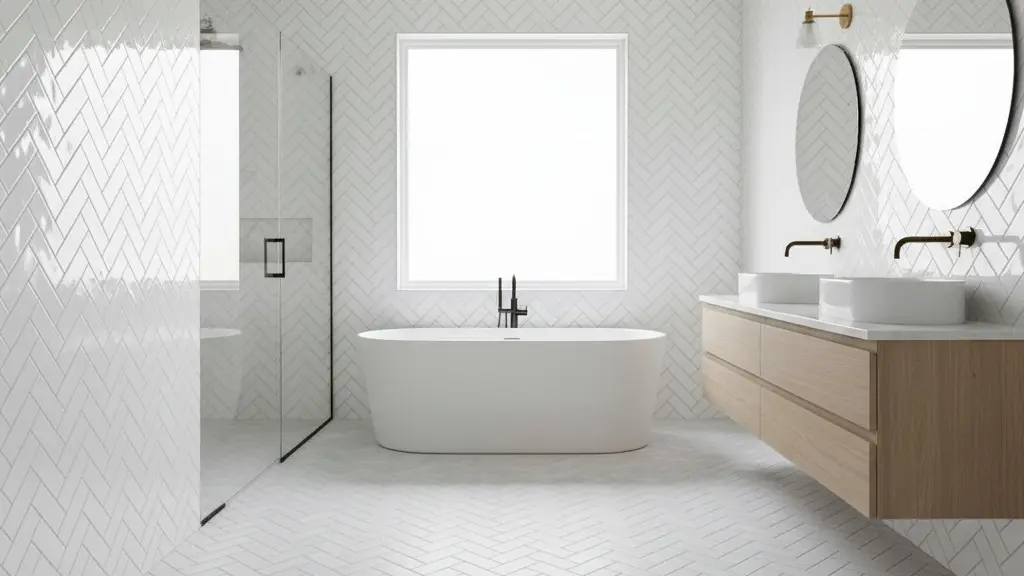
The marriage of linear subway tiles with hexagonal patterns creates stunning geometric interest that feels both modern and timeless. Consider incorporating the Mozart 6in Hexagon Honed or Polished Marble Look Porcelain Tile as a floor companion to wall-mounted subway tiles. This combination works exceptionally well because the hexagon's six sides play beautifully against the subway tile's four corners, creating visual tension without chaos.
When planning this combination, think about transition zones. Use hexagonal tiles on floors and subway tiles on walls, meeting at a clean line for maximum impact. Alternatively, create a feature wall where hexagons form a honeycomb pattern bordered by classic subway tile frames. HGTV's designer showcases demonstrate how this pairing can elevate even traditional kitchen designs.
Subway Plus Mosaic: Textural Drama
Mosaic tiles bring incredible texture and movement when paired with subway tiles. The Paradise 2x2 Mosaic Matte Concrete Look Porcelain Mosaic Tile offers an excellent example of how smaller-scale patterns can create focal points within larger subway tile installations. This combination excels in shower niches, backsplash borders, or as accent strips running through subway tile fields.
The key to success with this pairing lies in color coordination. Keep your palette cohesive by selecting mosaics that either complement or purposefully contrast with your subway tiles. For those interested in exploring various tile types, mosaic options range from glass to natural stone, each offering unique textural qualities that enhance subway tile installations.
Subway Plus Decorative Tiles: Artistic Expression
Decorative tiles serve as the jewelry of your tile design, and when combined with subway tiles, they create memorable focal points without overwhelming the space. The Fresco 6x6 Glossy Ceramic Decorative Wall Tile exemplifies how artistic elements can transform a basic subway tile installation into something extraordinary.
Strategic placement is everything with decorative tiles. Use them sparingly as accent borders, centered medallions, or scattered throughout a subway tile field for an organic, collected-over-time appearance. According to ceramic tile installation experts, maintaining proper spacing and alignment between different tile styles requires careful planning and professional-grade installation techniques.
Size Matters: Scaling Your Design for Impact
Understanding scale relationships between tile sizes prevents your design from feeling disjointed. When you browse tiles by size, consider how different dimensions will interact within your space.
Large Format and Subway: Modern Minimalism
Combining large format tiles like the Terrazzo 24x24 Matte Finish Porcelain Tile with traditional subway tiles creates striking contrast through scale variation. This pairing works particularly well in open-concept spaces where you need to define different zones without building walls. Use large format tiles on floors and transition to subway tiles on walls for a cohesive yet dynamic look.
The technical considerations for mixing these sizes include ensuring proper substrate preparation, as different tile types require specific installation methods. Large format tiles need perfectly level surfaces, while subway tiles can be more forgiving of minor imperfections.
Small-Scale Patterns: Creating Visual Interest
The Perfection 7x8 Hexagon Matte Porcelain Tile demonstrates how medium-scale tiles bridge the gap between tiny mosaics and standard subway tiles. This size relationship creates comfortable visual transitions that feel intentional rather than jarring.
Installation Techniques for Mixed Tile Designs
Professional installation becomes even more critical when mixing tile styles. Each tile type may require different adhesives, trowel sizes, and installation techniques. Rubi's comprehensive guide provides excellent technical details for subway tile installation, which serves as your baseline technique.
Planning Your Layout
Start with detailed drawings or digital mockups before purchasing materials. Map out exactly where each tile style will go, paying special attention to transition points. Consider how patterns will meet at corners, edges, and around fixtures. This planning stage is when you'll discover whether your vision translates practically to your space.
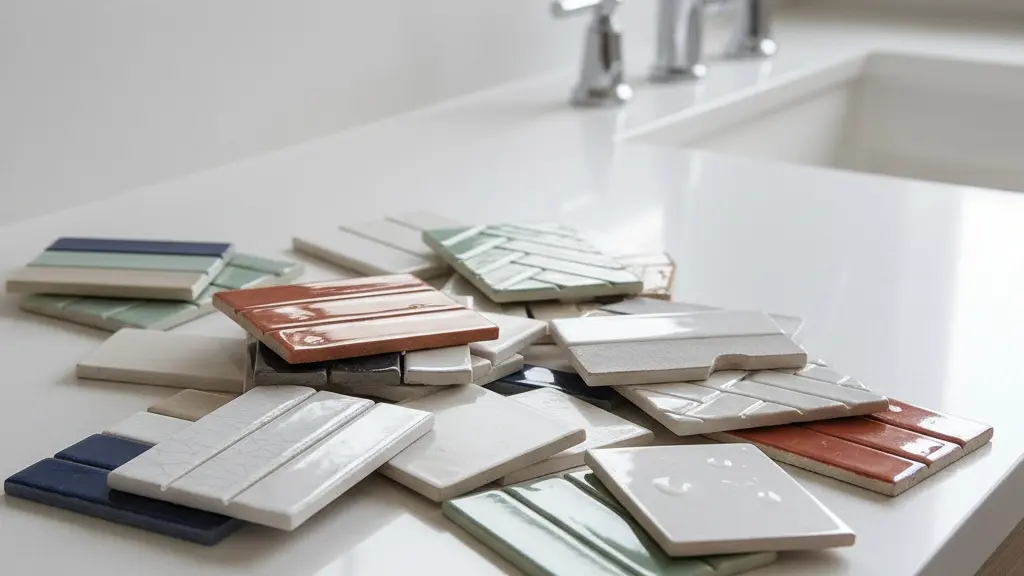
Visit Nova Tile and Stone's showroom to see tile combinations in person. Physical samples reveal texture and color nuances that photos can't capture, helping you make confident decisions about your mixed tile design.
Managing Transitions
The spaces where different tile styles meet require special attention. Options include:
- Schluter strips: Metal or plastic trim pieces that create clean transitions between different tile thicknesses
- Bullnose tiles: As explained by DIY Tile Guy, these finished-edge tiles provide smooth transitions
- Grout lines: Strategic grout placement can define boundaries between tile styles
- Natural breaks: Using architectural features like corners or ledges as transition points
Color Theory and Pattern Coordination
Successful tile mixing relies heavily on understanding color relationships. Whether you're working with complementary colors for drama or analogous hues for harmony, shopping tiles by color becomes easier when you understand basic color theory principles.
Creating Cohesion Through Color
Even when mixing wildly different tile styles, color can unify your design. Consider these approaches:
- Monochromatic schemes: Use various shades of the same color across different tile styles
- Complementary contrasts: Pair opposite colors on the color wheel for maximum impact
- Neutral foundations: Use subway tiles in neutral tones to ground bolder accent tiles
Room-Specific Applications
Kitchen Backsplashes
Kitchens offer the perfect canvas for mixed tile designs. The backsplash area between countertops and upper cabinets provides defined boundaries that make pattern mixing feel intentional. Combine subway tiles as your field tile with decorative accents behind the stove or sink for functional beauty.
Home Tips' buying guide emphasizes considering maintenance requirements when selecting kitchen tiles. Mixed designs may require different cleaning approaches for various tile materials.
Bathroom Transformations
Bathrooms benefit tremendously from mixed tile designs. Use subway tiles in shower surrounds with mosaic floor tiles for slip resistance and visual interest. According to HGTV's remodeling cost guide, strategic tile mixing can achieve high-end looks within reasonable budgets.
This Old House's replacement guide notes that bathroom tile mixing requires careful waterproofing at all transition points to prevent moisture damage.
Outdoor Applications
Don't limit mixed tile designs to interiors. Outdoor tile installation over concrete opens possibilities for creative patio and pool designs combining subway tiles with slip-resistant options.
Professional Tips for DIY Success
When embarking on a mixed tile project, Nova Tile and Stone's team recommends these professional strategies:
- Order 10-15% extra of each tile style to account for cuts, breaks, and future repairs
- Test your layout by dry-fitting tiles before applying adhesive
- Maintain consistent grout lines even when tile sizes vary
- Document your pattern with photos for future reference or repairs
- Invest in quality tools appropriate for each tile type you're installing
Maintaining Mixed Tile Installations
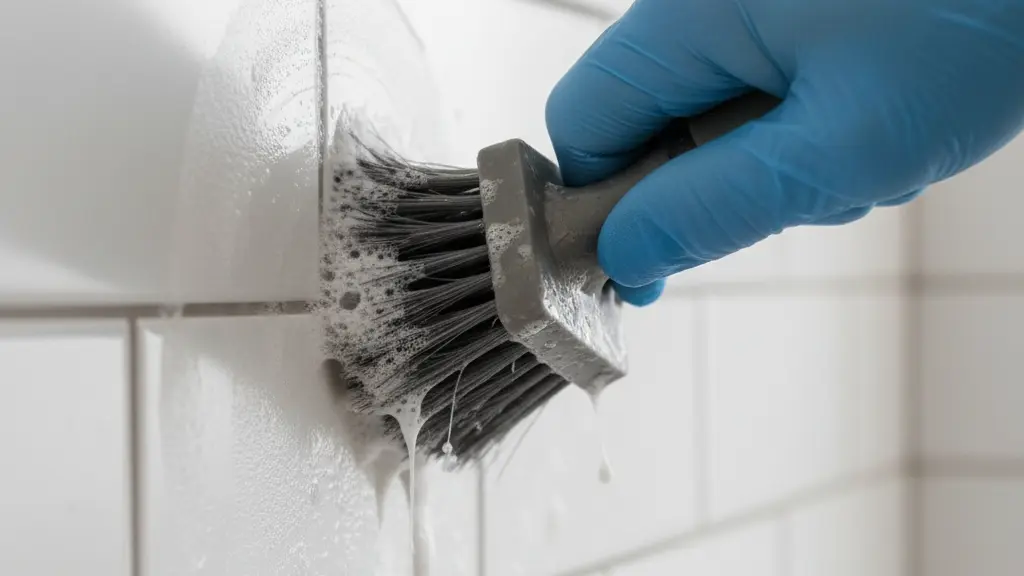
Different tile materials may require varied maintenance approaches. Establish a cleaning routine that addresses each tile type's specific needs without damaging others. Browse the complete product range at Nova Tile and Stone to find compatible sealers and cleaners for your mixed tile installation.
Conclusion
Mixing subway tiles with other tile styles opens endless design possibilities for creating personalized, sophisticated spaces that reflect your unique aesthetic. The key to success lies in thoughtful planning, understanding scale and color relationships, and respecting the technical requirements of each tile type. Whether you're drawn to geometric hexagons, textural mosaics, or artistic decorative tiles, subway tiles provide the perfect foundation for your creative expression.
Start your tile mixing journey by visiting Nova Tile and Stone's comprehensive shop to explore countless combination possibilities. Remember that the best designs balance boldness with restraint, allowing each tile style to contribute to a cohesive whole. With careful planning and quality materials, your mixed tile design will deliver both immediate visual impact and lasting satisfaction.
Ready to transform your space?Contact Nova Tile and Stone's experts for personalized guidance on creating your perfect tile combination. Our extensive inventory and professional expertise ensure your mixed tile project exceeds expectations while staying within budget.
Would you like more information
about a product?
Frequently Asked Questions
What's the ideal ratio when mixing subway tiles with other tile styles?
The most successful mixed tile designs typically follow the 60-30-10 rule. Use subway tiles for 60% of your surface area as the dominant element, incorporate a complementary tile style for 30% to add visual interest, and reserve 10% for accent or decorative tiles that serve as focal points. This ratio creates balance without overwhelming the space and ensures your design feels intentional rather than chaotic. However, these percentages can be adjusted based on your specific space and design goals.
Can I mix different tile materials (ceramic, porcelain, natural stone) in the same installation?
Yes, you can successfully mix different tile materials, but it requires careful planning and proper installation techniques. Each material may have different thickness levels, absorption rates, and installation requirements. Use appropriate transition strips to manage height differences, ensure your substrate can support varying weights, and select adhesives and sealers compatible with all materials. Consider hiring a professional installer experienced with mixed-material projects to ensure longevity and prevent issues like cracking or water damage.
How do I choose grout colors when mixing multiple tile styles?
Grout color selection significantly impacts the final appearance of mixed tile designs. For a cohesive look, choose a grout color that matches the dominant tile (usually your subway tiles) to create visual continuity. Alternatively, select a neutral gray or beige that complements all tile colors without competing for attention. Avoid using different grout colors for different tile sections unless creating intentional contrast. Remember that lighter grouts show dirt more easily but make spaces feel larger, while darker grouts hide stains better and create more defined patterns.
What's the average cost increase when mixing tile styles versus using a single type?
Mixing tile styles typically increases project costs by 15-30% compared to single-tile installations. This increase comes from several factors: purchasing multiple tile types (often in smaller quantities at higher per-square-foot prices), additional installation complexity requiring more labor time, extra materials like transition strips or specialized adhesives, and potential waste from cutting and pattern matching. However, strategic mixing can actually save money by using expensive decorative tiles sparingly as accents while filling larger areas with affordable subway tiles.
Should I mix tile styles in small bathrooms, or will it make the space feel cramped?
Mixed tile designs can actually enhance small bathrooms when executed thoughtfully. The key is maintaining visual flow through consistent color palettes and avoiding overly busy patterns. Use subway tiles on walls to create vertical lines that heighten the space, then add interest with a complementary floor tile or a single accent stripe. Limit yourself to two tile styles in small spaces, and ensure one remains dominant. Light-colored tiles with minimal contrast between styles help maintain an open feeling. Strategic mixing can even make small bathrooms feel larger by creating focal points that draw the eye and add depth to the design.