Creating Dynamic Spaces with Mixed Materials
Subway tiles have become a design staple, but pairing them with complementary materials takes your space from ordinary to extraordinary. When you combine classic subway tiles with wood, metal, or stone, you create visual depth and tactile interest that single-material installations simply cannot achieve. This approach allows homeowners to craft personalized spaces that reflect their unique style while maintaining the timeless appeal of traditional tilework.
Modern interior design celebrates contrast and texture. Mixing materials adds dimension to flat surfaces and creates focal points that draw the eye. Whether you're renovating a kitchen backsplash or designing a bathroom feature wall, understanding how different materials interact helps you make confident choices. The right combinations balance durability with aesthetics, ensuring your investment stands the test of time.
Throughout this guide, you'll discover proven strategies for combining subway tiles with natural and industrial materials. We'll explore specific pairings, provide practical installation tips, and show you how to achieve professional results. By the end, you'll have the knowledge to transform any room into a sophisticated, multi-textured masterpiece.
Why Mixing Materials With Subway Tiles Elevates Your Design
Combining subway tiles with other materials offers numerous advantages that single-surface installations cannot provide. Material mixing creates visual hierarchy, allowing you to guide attention to specific areas while adding warmth and personality to spaces that might otherwise feel sterile. This design strategy also provides practical benefits beyond aesthetics.
Key Benefits of Mixed-Material Design:
- Enhanced Visual Interest: Contrasting textures prevent monotony and create dynamic focal points
- Increased Property Value: Thoughtful material combinations signal quality craftsmanship and design sophistication
- Improved Durability: Strategic placement of harder materials in high-wear areas extends longevity
- Personalization Opportunities: Unique combinations reflect individual style preferences and functional needs
- Cost Efficiency: Accent materials allow budget allocation to statement pieces while using affordable tiles as the foundation
When planning your kitchen backsplash, consider how different materials perform under specific conditions. Metal accents resist heat near cooking surfaces. Wood introduces organic warmth in dining areas. Stone provides natural beauty and extreme durability. Each material serves both decorative and functional purposes.
The growing popularity of mixed-material design reflects broader trends toward personalization in home decor. According to design experts at Coverings, contemporary homeowners increasingly seek installations that tell stories and showcase individual taste. Material mixing accomplishes this while maintaining cohesion through thoughtful color and pattern coordination.
Professional designers often start with white subway tiles as the neutral foundation. This classic choice provides flexibility when introducing bolder accent materials. The resulting designs feel intentional rather than chaotic, with each element contributing to a unified aesthetic vision.
Practical Applications and Design Combinations
Wood and Subway Tile Pairings
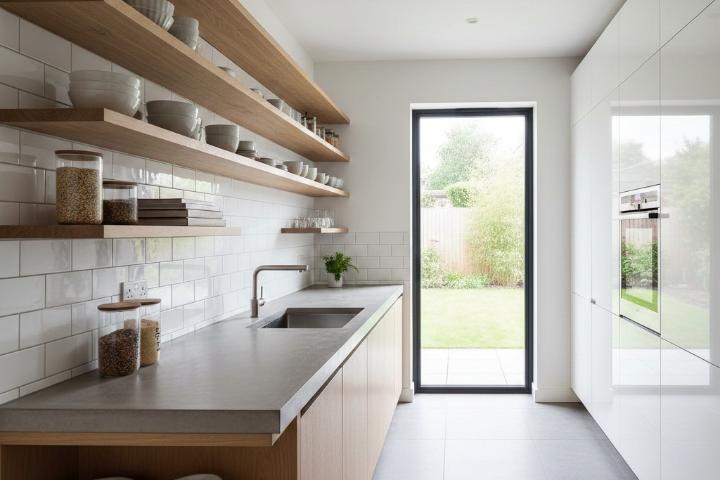
Wood brings irreplaceable warmth to tile installations, creating inviting spaces that feel both modern and organic. Floating shelves in reclaimed oak or walnut complement glossy subway tiles beautifully, particularly when positioned above backsplashes or vanities. The contrast between smooth ceramic surfaces and natural wood grain adds textural richness.
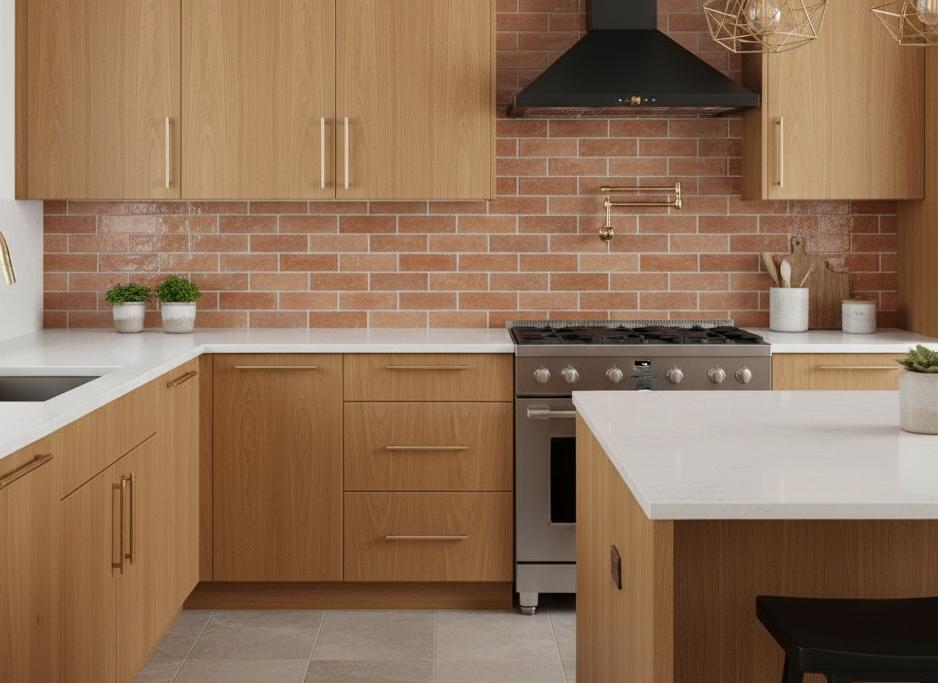
Consider installing wood beam accents horizontally across tiled walls to break up expansive surfaces. This technique works exceptionally well with grey subway tiles, where weathered wood introduces rustic character. Ensure proper sealing of wood elements in moisture-prone areas to prevent warping or discoloration over time.
Black walnut or mahogany paired with white or cream tiles creates sophisticated contrasts suitable for modern farmhouse aesthetics. Lighter woods like maple or birch complement blue subway tiles for coastal-inspired designs. Always maintain consistent spacing between materials to achieve professional-looking results.
Metal Accents With Subway Tiles
Metal introduces industrial sophistication and reflective properties that enhance lighting in any space. Brushed brass or copper trim pieces frame black subway tiles dramatically, while stainless steel complements contemporary white installations. Metal edge profiles protect tile borders while adding architectural detail.
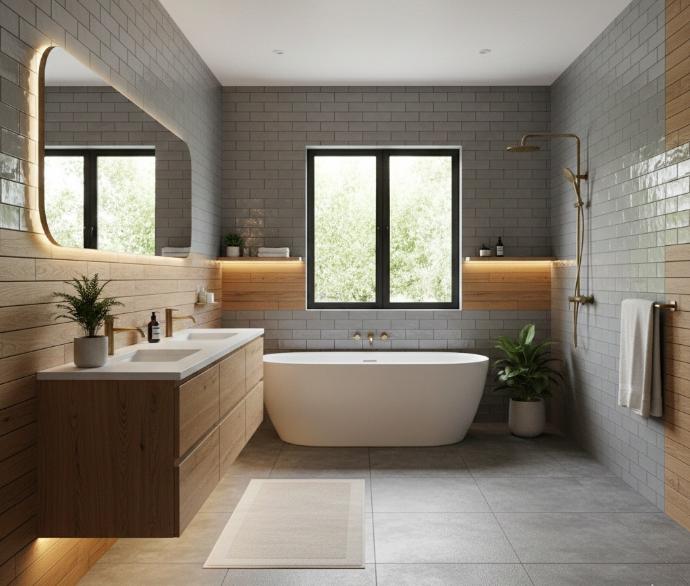
Incorporate metal shelving brackets, towel bars, or decorative inserts within tiled surfaces for functional artistry. The Ceramic Tile Foundation recommends using metal edge protection for durability in high-traffic installations. These elements prevent chipping while contributing to your design narrative.
Aged metals like oil-rubbed bronze or antique brass pair wonderfully with green subway tiles for vintage-inspired kitchens. Modern spaces benefit from polished chrome or matte black finishes. Consider how hardware and fixtures coordinate with metallic accent pieces for cohesive styling throughout the room.
Stone Combinations for Natural Beauty
Natural stone brings unmatched depth and geological interest to subway tile installations. Marble subway tiles paired with rough-hewn granite countertops create stunning textural contrasts. The veining in marble complements the clean lines of standard subway patterns while introducing organic movement.
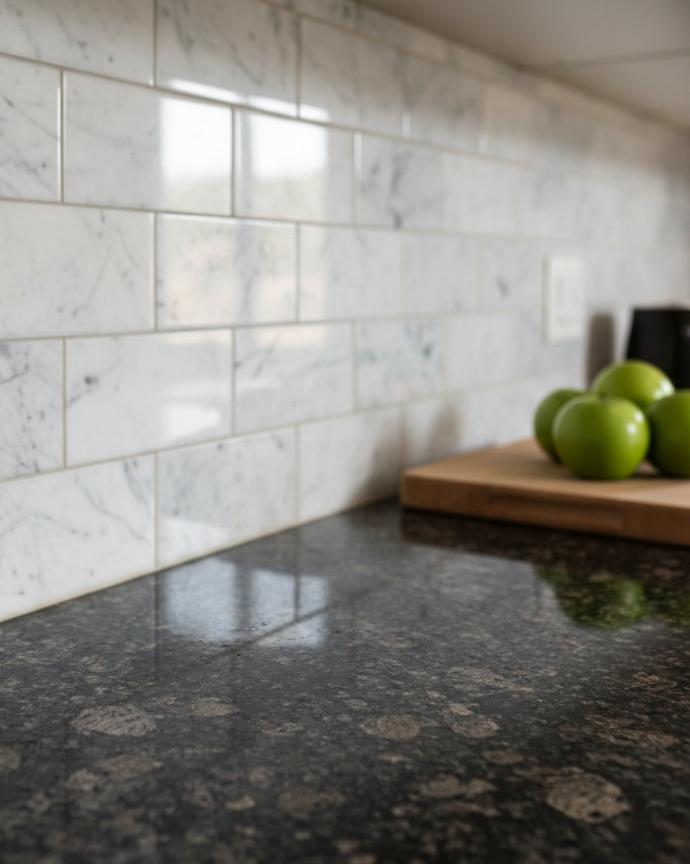
Create feature sections using slate, travertine, or limestone alongside porcelain subway tiles for dramatic effect. According to the Natural Stone Institute, proper sealing ensures stone maintains its beauty in kitchen and bathroom applications. Stone accents work particularly well as vertical stripes or border treatments.
Terrazzo-look tiles offer the beauty of stone with easier maintenance properties. Pair these with solid-colored ceramic subway tiles in complementary tones for contemporary sophistication. The speckled appearance of terrazzo creates visual interest without overwhelming smaller spaces.
Material Pairing Comparison Table:
Material Combination | Best Application | Maintenance Level | Cost Range |
Wood + Glossy White Tiles | Kitchen Backsplash | Medium | $$ |
Brushed Metal + Matte Black Tiles | Bathroom Feature Wall | Low | $$$ |
Natural Stone + Ceramic Tiles | Fireplace Surround | Medium-High | $$$$ |
Aged Brass + Green Tiles | Vintage Kitchen | Medium | $$$ |
Stainless Steel + Grey Tiles | Modern Bathroom | Low | $$ |
Creating Dimension With Texture Variations
Beyond material type, texture variations within tile selections add another layer of sophistication. Combining glossy subway tiles with matte finishes creates subtle contrast that plays with light. This approach works beautifully in bathrooms where reflective surfaces enhance brightness without overwhelming the senses.
Install matte white subway tiles as the primary surface, then introduce glossy accents in strategic locations like behind ranges or within shower niches. The interplay between light-absorbing and light-reflecting surfaces adds depth without requiring different materials. This technique proves especially effective with monochromatic color schemes.
Three-dimensional subway tiles offer another textural option when combined with flat surfaces. According to This Old House, dimensional tiles create shadow patterns that change throughout the day as natural light shifts. Use these sparingly as accent features rather than covering entire walls.
Step-by-Step Guide to Planning Your Mixed-Material Installation
Successfully combining materials requires thoughtful planning before installation begins. Follow these steps to ensure professional results:
Step 1: Define Your Focal Point Identify the area receiving the most visual attention. This might be the space behind your range or the wall facing your bathroom entrance. Concentrate premium materials here while using standard tiles elsewhere.
Step 2: Select Your Color Palette Choose three primary colors maximum to maintain cohesion. Pull accent colors from natural materials like wood grain or stone veining. Test samples together under your actual lighting conditions before committing.
Step 3: Plan Material Transitions Determine where each material begins and ends. Use metal trim pieces or thoughtful grout lines to create clean transitions. Avoid awkward material meetings that occur mid-wall or in visually prominent locations.
Step 4: Consider Practical Requirements Evaluate each material's performance characteristics for its intended location. Ensure wood elements stay away from direct water exposure. Verify metal finishes resist corrosion in humid environments. Check that stone selections suit your maintenance preferences.
Step 5: Order Samples and Create a Mockup Purchase samples of all materials and arrange them on a board matching your wall dimensions. Live with this mockup for several days, observing how lighting affects appearance. Make adjustments before ordering full quantities.
Pros and Cons of Mixed-Material Subway Tile Designs
Advantages:
- Creates unique, personalized spaces that stand out from standard installations
- Allows strategic budget allocation by combining affordable and premium materials
- Provides functional benefits like improved durability in specific zones
- Offers flexibility to update individual elements without complete renovation
- Increases visual interest and prevents design monotony
Disadvantages:
- Requires more planning time and design expertise than single-material installations
- May involve coordinating multiple suppliers and installation specialists
- Some material combinations need specialized maintenance routines
- Initial costs can exceed uniform tile installations when using premium accents
- Poorly executed combinations may appear cluttered or lack cohesion
Understanding these tradeoffs helps you make informed decisions aligned with your priorities. Most homeowners find the advantages far outweigh potential challenges, especially when working with experienced professionals.
How We Can Help You Achieve Your Design Vision
Bringing your mixed-material vision to life requires access to quality products and expert guidance. Our team specializes in helping homeowners navigate the complexities of material selection and coordination. We stock an extensive range of subway tiles in various colors and finishes, ensuring you'll find perfect matches for your project.
We understand that visualizing final results can be challenging when combining multiple materials. That's why we offer sample programs allowing you to test combinations at home before making final decisions. Our experienced design consultants provide personalized recommendations based on your space, style preferences, and budget parameters.
Every project benefits from professional insight into product compatibility and installation requirements. We stay current with industry standards from organizations like the Ceramic Tile Distributors Association and ANSI, ensuring recommendations meet quality and safety benchmarks. Our commitment to excellence extends beyond product sales to comprehensive project support.
Visit our showroom to explore material combinations in person and discuss your specific needs. Our team can connect you with trusted installation professionals who understand the nuances of mixed-material projects. We're dedicated to making your renovation journey smooth and successful from concept through completion.
Conclusion
Mixing subway tiles with wood, metal, and stone opens endless design possibilities that transcend traditional single-material installations. These combinations deliver visual impact, functional benefits, and lasting value that justify the additional planning investment. By understanding how different materials interact and complement each other, you can create spaces that truly reflect your personal aesthetic.
The key to success lies in thoughtful selection, proper planning, and attention to practical requirements. Start with a solid foundation of quality subway tiles, then introduce accent materials strategically to highlight architectural features and create focal points. Remember that less often achieves more impact than overwhelming spaces with excessive variety.
Whether you're drawn to the warmth of wood, the sophistication of metal, or the timeless beauty of stone, the right combinations await your discovery. Explore our complete collection to begin your design journey today. With proper guidance and quality materials, you'll create spaces that inspire and delight for years to come.
Frequently Asked Questions
Can I mix glossy and matte subway tiles in the same space?
Yes, combining glossy and matte finishes creates sophisticated depth through light reflection variations. Use matte tiles as your primary surface and introduce glossy accents strategically. This approach works particularly well in bathrooms where you want brightness without overwhelming glare. Ensure both finishes share the same color family for cohesive results.
What's the best way to transition between subway tiles and wood elements?
Use metal trim pieces, shadow gaps, or intentional grout lines to create clean transitions between materials. Position wood elements like floating shelves above tiled areas rather than interrupting tile patterns mid-wall. Maintain consistent spacing and alignment for professional-looking installations. Seal wood properly in moisture-prone areas to prevent damage.
How do I choose metal finishes that won't clash with my tiles?
Select metal finishes that complement your tile undertones rather than match exactly. Warm-toned tiles pair beautifully with brass, bronze, or copper. Cool-toned installations work well with stainless steel, chrome, or matte black. Test samples together under your actual lighting before committing. According to TCNA, coordinating fixtures and hardware creates cohesive designs.
Are natural stone accents more difficult to maintain than ceramic tiles?
Natural stone typically requires more maintenance than ceramic or porcelain options. Stone needs periodic sealing to resist staining and moisture penetration. However, Why Tile notes that porcelain alternatives often replicate stone's appearance with easier care requirements. Choose materials aligned with your maintenance preferences and lifestyle demands.
Should I hire a professional for mixed-material installations?
Professional installation ensures proper techniques for different materials and clean transitions between surfaces. Experienced installers understand expansion rates, adhesive requirements, and waterproofing needs specific to each material. According to Family Handyman, professional work prevents costly mistakes and ensures long-term performance. Investment in skilled labor protects your material investment.