Subway tile is a rectangular ceramic or porcelain tile measuring 3x6 inches, originally inspired by New York City subway stations, now widely used in kitchens, bathrooms, and commercial spaces for its durability, easy maintenance, and timeless design versatility.
Classic subway tile dominates home design applications, appearing in everything from traditional kitchens to spa-inspired bathrooms. This tile style represents a fundamental selection in interior design projects.
Why subway tiles rank as the most preferred option: Their combination of practical functionality, affordable installation, water resistance, and adaptable aesthetics makes them suitable for both residential and commercial environments. If you're exploring home design options or researching decorative solutions, this guide reveals comprehensive subway shower tile applications.
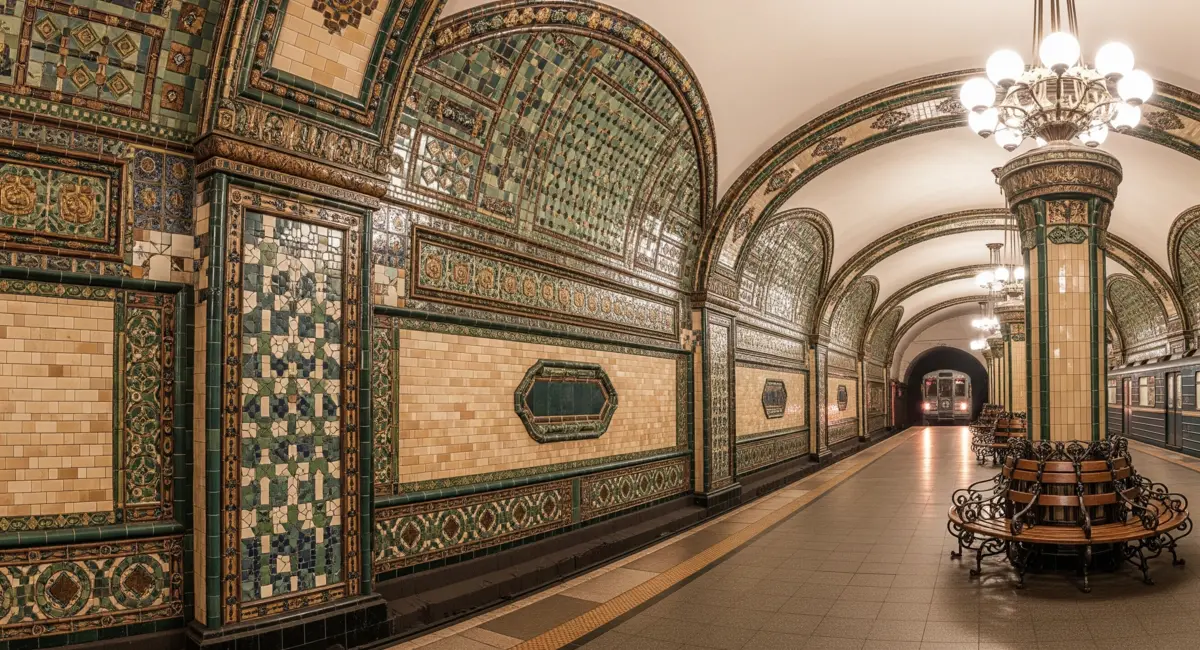
What Is Subway Tile? Quick Definition
The term "subway" derives from the iconic, uniform rectangular tiles installed throughout New York City's underground transit stations. Traditional subway tiles are available in multiple color palettes, including cream, gray, black, blue, and green options from our subway tiles by color collection.
These tiles showcase a clean, timeless appearance and frequently appear in kitchen and bathroom installations. Their straightforward installation process and low maintenance requirements make them ideal for wall surfaces and backsplashes. According to the National Kitchen and Bath Association, subway tiles remain among the top choices for residential renovations.
Despite their simple aesthetic, white subway tile backsplashes offer remarkable versatility. They can be positioned in multiple configurations to achieve diverse interior design themes. Browse our complete tile and stone collection to explore various subway tile options for your project.

Subway Tile Applications:
1. Kitchen Backsplashes:
Kitchens and other high-activity areas are notorious for grease spills and splashes. Subway tile backsplashes, typically made of porcelain or ceramic, are solid and durable in the kitchen, resisting damage from frequent use. The glazed, smooth surface of subway tile allows for quick cleanup of food spills and splatters.
When selecting tiles for your kitchen, consider exploring our shop tiles by type section to find the perfect match. The ANSI A137.1-2022 Standard for Ceramic Tile provides comprehensive guidelines for tile performance in kitchen environments.
2. Bathroom Walls and Showers:
Restrooms and shower areas are usually damp. When sealed correctly, bathroom subway tile acts as an efficient barrier against water intrusion, reducing the formation of mold and mildew. Subway tile showers are more accessible to sterilize because of their non-porous nature, which also helps to keep bathroom design hygienic and clean by inhibiting pathogen growth. White subway tile for a pristine ambiance or glass subway tile for creating a focal point are perfect options.
For bathroom inspiration, check our today's bathroom tile trends and explore our 3x6 subway tiles collection. Proper installation techniques ensure long-lasting performance in wet environments.
3. Fireplace Surrounds:
If crafting visually appealing fireplace surrounds, use ceramic or porcelain subway tiles. They are a sensible and secure choice because of their inherent heat resistance. Additionally, because of the intense heat the fireplace produces, they won't discolor or distort.
Understanding the difference between porcelain vs non-porcelain tile helps you make informed decisions for high-heat applications.
4. Commercial Spaces:
Subway tiles are often used in commercial buildings because of their long lifespan and resistance to corrosion. They also remain visually appealing in high-foot-traffic areas such as restaurants, shops, and cafés. In busy commercial settings, materials that are easy to maintain and clean are essential. Our 3x12 Matte Porcelain Subway Tile provides a contemporary aesthetic that is ideal for commercial spaces.
Subway tile designs in versatile colors, such as white, beige, or nude, work well in a variety of settings since they require minimal maintenance to retain a clean, fresh appearance even after frequent use. The Ceramic Tile Distributors Association provides certification resources for commercial tile installations. Browse our shop tiles by style to find commercial-grade options.
5. Laundry Rooms and Mudrooms:
When choosing the perfect tile materials for laundry rooms and mudrooms, stain resistance is essential. These spaces frequently contain spills, filth, and grime. Because of their nonporous surface, subway tiles are simple to clean, stain-resistant, and durable.
Additionally, subway tiles offer a moisture-resistant barrier that minimizes wall damage and guarantees long-term durability in laundry rooms. This is especially useful because water contact occurs often in these areas. Explore our shop tiles by size section to find dimensions that work best for your utility spaces.
6. Retail and Hospitality Spaces:
Every design component impacts the consumer experience and the brand's overall perception in retail and hospitality contexts. Retail establishments, eateries, lodging facilities, and spas could benefit from the minimalistic design clarity of subway tile patterns. Classic options such as white and glass tile are the most common views in retail and hospitality spaces.
For unique design solutions, consider our Linear 5x10 Glossy 3D Decorative Subway Tile to create memorable brand experiences. Industry events like Coverings showcase the latest innovations in commercial tile applications.

Conclusion
Subway tile continues to prove its worth as a versatile and practical design solution across countless applications. From residential kitchens and bathrooms to commercial establishments and hospitality venues, these timeless tiles deliver both aesthetic appeal and functional benefits. Their durability, easy maintenance, moisture resistance, and clean lines make them an intelligent investment for any space requiring a balance of style and practicality.
Whether you're renovating a single room or designing an entire commercial property, subway tiles offer the flexibility to match your vision while providing long-lasting performance. Their ability to adapt to various design styles from classic to contemporary, ensures they remain a relevant choice for years to come.
As you plan your next design project, consider how subway tile can elevate your space with its proven combination of beauty, functionality, and enduring appeal. Visit our shop to explore our complete selection, or shop local for convenient access to premium tiles in your area.
Frequently Asked Questions
What is the standard size of subway tile?
Traditional subway tiles measure 3 inches by 6 inches, which is the classic dimension inspired by the original New York City subway stations. However, modern variations now come in multiple sizes, including 2x4 inches, 4x8 inches, and even larger formats like 4x12 inches. The size you choose depends on your design preference and the scale of your space, larger tiles work well in spacious areas, while smaller tiles suit more compact or detailed installations. Resources from the Natural Stone Institute provide additional guidance on selecting appropriate tile dimensions. Browse our shop tiles by color to see how different sizes look in various hues.
How do I choose the right grout color for subway tile?
Grout color selection significantly impacts your final design aesthetic. White or light-colored grout creates a seamless, cohesive look that emphasizes the tile surface rather than the grid pattern. Dark grout, such as gray or black, provides striking contrast and highlights the individual tile layout, creating a more dramatic, graphic appearance. Consider your maintenance preferences too, darker grout tends to show less dirt and staining over time compared to white grout in high-traffic areas. For professional guidance, review these tile layout tips and tricks. Explore our products we carry to find coordinating grout options.
Can subway tile be installed in outdoor spaces?
Yes, subway tile can be used outdoors, but material selection is critical. Choose porcelain subway tiles specifically rated for exterior use, as they offer superior frost resistance and can withstand temperature fluctuations without cracking. Ceramic tiles may not be suitable for outdoor applications in freeze-thaw climates. Ensure proper installation with appropriate waterproofing and sealing to protect against weather elements and maintain the tile's longevity in outdoor environments. For alternative aesthetic options that work well outdoors, explore our terrazzo look tiles. If you have questions about specific applications, contact us for expert advice.
What installation patterns work best with subway tile?
Subway tiles offer remarkable pattern versatility. The classic running bond (brick pattern) remains the most popular, where tiles are offset by half their length. Vertical stacking creates a modern, elongated look that makes walls appear taller. Herringbone patterns deliver visual interest and sophistication, while basket weave arrangements provide texture and dimension. Diagonal installations add dynamic movement to your design. Choose a pattern that complements your overall design style and spatial proportions. Following installation best practices from the Ceramic Tile Foundation ensures professional results. Learn more about us and our design consultation services to help you choose the perfect pattern.
How do I maintain and clean subway tile surfaces?
Subway tile maintenance is straightforward, which contributes to its popularity. For regular cleaning, use warm water with a mild, pH-neutral cleaner and a soft cloth or sponge. Avoid abrasive scrubbers that might scratch the glazed surface. For grout lines, a mixture of baking soda and water works effectively for removing stains. Seal grout lines annually to prevent discoloration and moisture penetration. In bathrooms and showers, squeegee tiles after each use to minimize water spots and soap scum buildup, keeping your subway tile looking fresh with minimal effort.