The Rise of Large-Format Subway Tiles
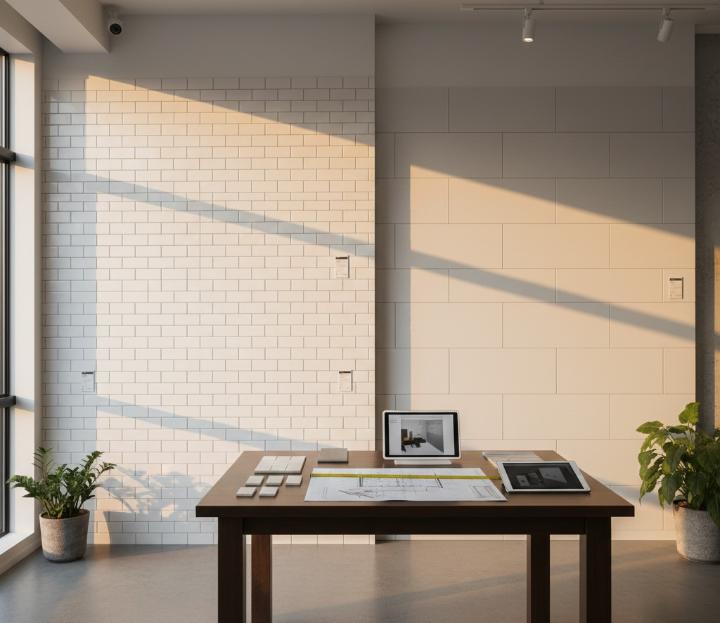
Large-format subway tiles in 3x9 and 4x12 sizes reduce visible grout lines while creating expansive, uninterrupted surfaces that make rooms appear significantly larger. These oversized rectangles deliver the classic subway aesthetic homeowners love with a contemporary proportion that suits open-concept layouts, spa-inspired bathrooms, and modern kitchen backsplash installations.
The elongated dimensions require fewer pieces per square foot, resulting in cleaner sightlines and reduced visual clutter compared to traditional 3x6 formats. Homeowners increasingly favor these generous tile sizes because they balance timeless design with current architectural preferences for streamlined surfaces. This guide covers the specific benefits of 3x9 and 4x12 dimensions, explores design applications across popular color options, and explains how to select materials that perform reliably for decades.
Practical Advantages of Choosing 3x9 and 4x12 Dimensions
A 4x12 tile covers four times the surface area of a standard 3x6 piece, dramatically reducing the total linear footage of grout your installation requires. This translates directly into easier cleaning routines since grout lines trap dirt, soap scum, and cooking residue far more readily than glazed tile surfaces.
Installation costs often decrease with larger formats despite their higher per-piece price. Fewer individual tiles means faster labor time, potentially offsetting premium material costs while eliminating ongoing maintenance that traditional subway layouts demand.
Key advantages include:
- Fewer grout lines create seamless visual flow across wall surfaces
- Reduced maintenance requirements with less grout to clean and reseal
- Modern proportions suit contemporary architectural styles and open floor plans
- Enhanced light reflection from larger uninterrupted glazed surfaces
- Sophisticated appearance that elevates both traditional and modern interiors
The elongated shape draws the eye horizontally when installed in running bond patterns, making narrow galley kitchens and compact bathrooms feel more spacious. Vertical installations create the opposite effect, emphasizing ceiling height in rooms where dramatic vertical lines enhance the architecture.
Design Applications for Every Kitchen Backsplash Style
Large-format subway tiles adapt beautifully to diverse kitchen aesthetics, from farmhouse warmth to industrial edge. The expanded dimensions provide enough visual weight to anchor busy cooking spaces while maintaining the versatility that has made subway tile formats enduringly popular since their origins in early 20th-century transit stations.
White Subway Tiles for Bright, Airy Kitchens
White remains the dominant choice for kitchen installations, and large-format versions amplify the brightness without the busy appearance of smaller tiles. The 4x12 dimension creates a crisp, gallery-like backdrop for colorful cookware and natural wood cabinetry. Glossy subway tiles in white reflect maximum light, while matte subway tiles offer subtle sophistication for spaces where glare concerns exist.
Black Subway Tiles for Dramatic Contrast
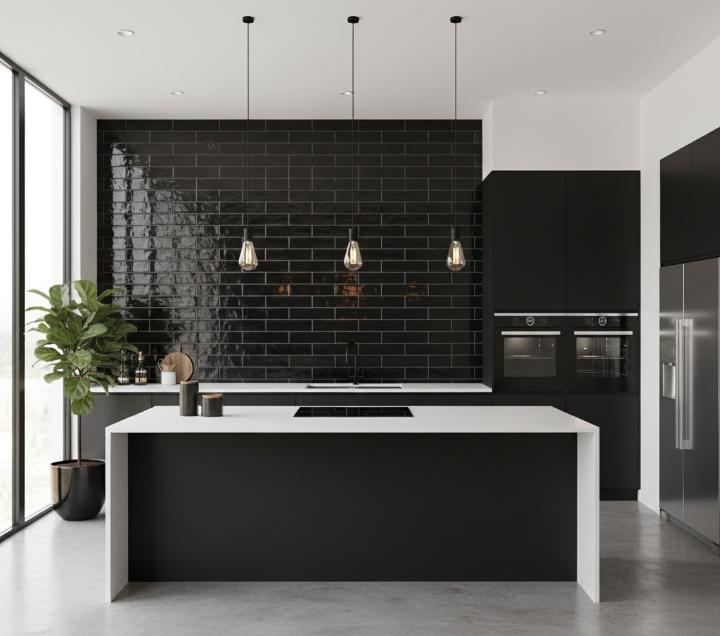
Bold homeowners embrace black subway tiles in oversized formats for striking focal walls behind ranges and cooktops. The reduced grout lines in large-format installations prevent dark tiles from appearing fragmented, maintaining visual impact across the entire backsplash surface. Pair black tiles with light-colored grout for defined edges, or match grout color for seamless drama.
Grey Subway Tiles for Transitional Spaces
Grey spans the spectrum from warm greige to cool charcoal, making it exceptionally versatile for transitional kitchen designs. Large-format grey subway tiles bridge contemporary and traditional elements, working equally well with stainless appliances and antique brass hardware.
Blue and Green Subway Tiles for Coastal Character
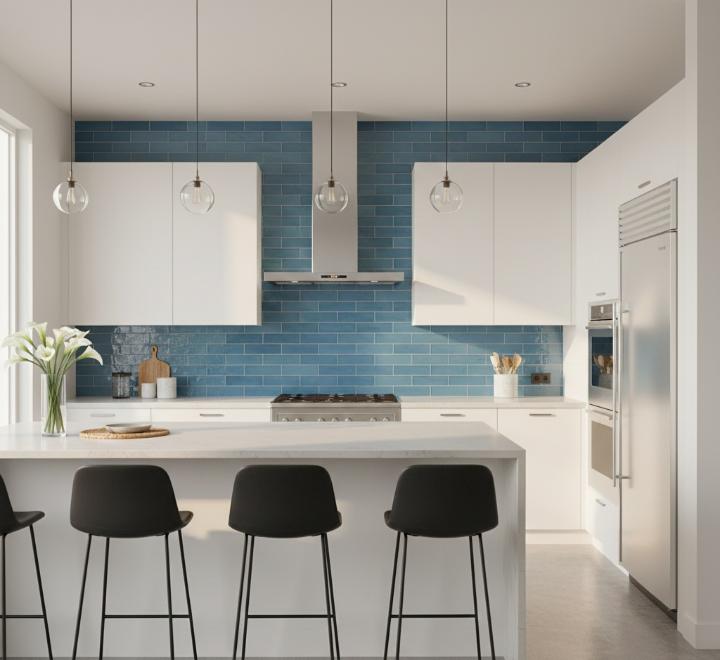
Coastal and Mediterranean kitchens benefit from blue subway tiles and green subway tiles in large formats. Explore subway tile options by color to see nature-inspired hues that bring organic warmth while maintaining ceramic and porcelain durability. For unique visual texture, terrazzo-look tiles offer an alternative aesthetic.
Material Selection: Ceramic vs Porcelain Performance
Choosing between ceramic and porcelain matters more as tile dimensions increase. Larger pieces experience greater stress during handling, transport, and installation, making material composition an important consideration for long-term performance.
| Feature | Ceramic Subway Tiles | Porcelain Subway Tiles |
|---|---|---|
| Water Absorption | Higher (over 0.5%) | Lower (under 0.5%) |
| Best Applications | Interior walls, dry areas | Wet areas, floors, outdoor |
| Hardness Level | 3-4 on Mohs scale | 5-7 on Mohs scale |
| Price Point | Budget-friendly | Premium investment |
| Weight | Lighter | Heavier |
| Cutting Difficulty | Easier | Requires wet saw |
Porcelain subway tiles meet ANSI A137.1 standards for low water absorption, making them appropriate for shower surrounds and areas with direct water exposure. Porcelain also performs well for outdoor applications over concrete where durability matters most. Ceramic subway tiles perform excellently for dry wall applications like kitchen backsplashes where moisture contact remains minimal.
The difference between porcelain and non-porcelain tiles affects installation requirements too. Heavier porcelain pieces demand stronger adhesive bonds and may require additional wall support in certain construction types. Consulting with professionals ensures your substrate can handle the chosen material weight.
Finish Options That Complement Modern Interiors
Surface finish dramatically influences how large-format subway tiles interact with light and surrounding decor. The National Kitchen and Bath Association (NKBA) reports that finish selection ranks among homeowners' top three decision points.
Glossy Subway Tiles High-gloss finishes maximize light reflection, making them ideal for spaces that benefit from brightness. The reflective surface simplifies cleaning since smooth glazed surfaces resist staining better than textured alternatives.
Matte Subway Tiles Matte finishes absorb light rather than reflecting it, creating sophisticated backdrops that photograph beautifully. These surfaces show fingerprints and water spots less readily than glossy alternatives.
Marble Subway Tiles Natural stone subway tiles in marble bring organic variation that manufactured tiles cannot replicate. The Natural Stone Institute recommends sealing marble surfaces to protect against staining in food preparation areas.
Step-by-Step Guide to Selecting Your Large-Format Tiles
Step 1: Measure Your Space Calculate total square footage and add 10-15% overage for cuts, waste, and future repairs. For layouts with decorative patterns, increase overage to 20%.
Step 2: Evaluate Installation Surface Confirm your wall substrate can support tile weight. Proper edge protection during installation prevents chipping on extended pieces.
Step 3: Order Physical Samples Digital images cannot accurately represent color, texture, or finish. Order samples to evaluate tiles against existing cabinetry and lighting conditions.
Step 4: Plan Your Layout Pattern Decide between running bond, stack bond, vertical orientation, or herringbone arrangements based on your design goals.
Step 5: Schedule Professional Installation Large-format subway tiles benefit from professional installation due to their handling challenges and precision requirements.
Professional Support Through Sample Programs and Consultations
Selecting the right large-format subway tiles involves evaluating options across multiple colors, varied sizes, and different material types. Professional tile showrooms provide resources that online-only retailers cannot match, including sample programs and design consultations.
Visiting a local showroom lets you handle actual samples and discuss installation considerations with experienced staff. When comparing 3x6 subway tiles to large-format options, examining both formats side-by-side clarifies how proportion affects visual impact.
Pros and Cons of Large-Format Subway Tiles
Advantages
- Dramatic visual impact with fewer interruptions
- Reduced grout maintenance and cleaning time
- Contemporary aesthetic suited to modern architecture
- Enhanced spatial perception in smaller rooms
- Premium appearance that elevates overall design
Considerations
- Higher per-piece cost compared to standard sizes
- Installation requires precision and experience
- Heavier weight demands appropriate wall support
- Cuts and custom fitting present greater challenges
- Limited availability in some specialty colors
Conclusion
Large-format subway tiles in 3x9 and 4x12 dimensions represent a smart investment for homeowners planning kitchen backsplash installations and bathroom renovations in 2026. These oversized proportions deliver cleaner visual lines, reduced maintenance requirements, and contemporary sophistication that standard formats cannot match.
The practical benefits compound over years of ownership as easier cleaning routines and reduced grout maintenance translate into lasting satisfaction. Explore available styles to discover how large-format subway tiles can enhance your project, and consider visiting a regional tile showroom for design guidance.
Ready to start? Browse the complete collection, contact design specialists, or explore the full product range for immediate delivery options.
Frequently Asked Questions
Are large-format subway tiles harder to install than standard 3x6 sizes?
Large-format tiles require more precision during installation due to their extended dimensions and heavier weight. Professional installers typically handle these materials more efficiently, ensuring level placement and secure adhesion. The reduced number of individual pieces can actually speed overall installation time despite the increased handling difficulty per tile.
Can I use 4x12 subway tiles in a shower installation?
Porcelain subway tiles in 4x12 dimensions work excellently in showers when properly waterproofed substrates are in place. The reduced grout lines actually benefit wet environments by minimizing areas where water can penetrate. Confirm your chosen tiles meet appropriate water absorption standards for shower applications.
What grout width works best with large-format subway tiles?
Most designers recommend 1/16 to 1/8 inch grout lines for large-format subway tiles. Narrower joints emphasize the seamless aesthetic these dimensions provide, while still allowing slight adjustments during installation. Rectified tiles with precisely cut edges permit the tightest grout lines.
Do large-format subway tiles cost significantly more than standard sizes?
Per-tile pricing runs higher for large-format options, but total project costs often balance out. Fewer tiles mean faster installation labor, reduced grout costs, and less material waste from cuts. The premium appearance and easier maintenance provide long-term value that justifies initial investment.
Which rooms benefit most from 3x9 or 4x12 subway tiles?
Kitchens and bathrooms see the greatest visual impact from large-format subway tiles. The expanded proportions particularly suit open-concept kitchens where continuous backsplash surfaces create visual flow, and primary bathrooms where spa-like aesthetics demand sophisticated materials. Mudrooms and laundry rooms also benefit from the reduced maintenance these formats provide.