White grout between subway tiles stays bright with consistent weekly cleaning using pH-neutral solutions, immediate attention to spills, and annual sealer application that prevents staining at the surface level. The key lies in establishing preventive habits rather than relying on aggressive deep-cleaning sessions that damage grout integrity over time.
Whether you've installed classic 3x6 subway tiles in a herringbone subway tile backsplash or chosen vertical subway tile layouts for a contemporary bathroom, maintaining pristine grout lines requires understanding how porosity, sealers, and cleaning chemistry work together.
Homeowners often assume white grout inevitably yellows or darkens within months of installation, but this discoloration reflects missed maintenance opportunities rather than material failure. Clean grout contributes significantly to the overall appearance of modern subway tile patterns, making the difference between spaces that look freshly renovated and those showing premature age.
This guide delivers actionable cleaning strategies, product recommendations, and scheduling frameworks that keep your subway tile layouts looking showroom-ready without hours of scrubbing or expensive professional interventions.
How Subway Tile Grout Stains and Discolors Over Time
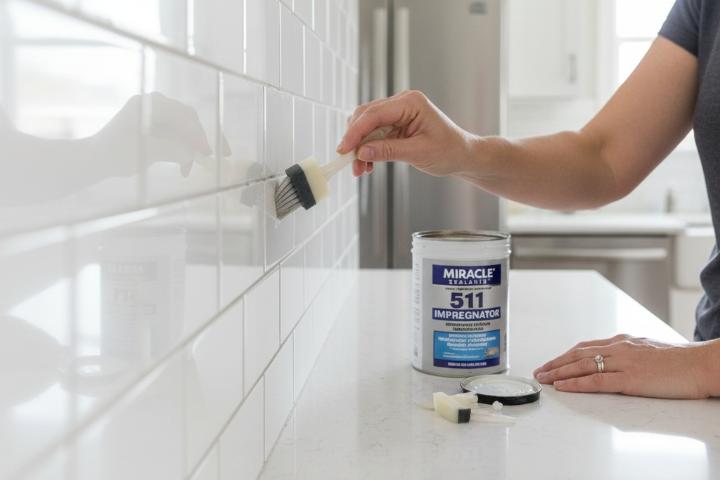
Cement-based grout contains microscopic pores that act like tiny sponges, absorbing moisture, oils, soap residue, and airborne particles that settle on surfaces throughout daily use. This porosity serves important functional purposes during installation and curing, but becomes problematic once your subway tile kitchen ideas or bathroom renovation enters regular service.
Without protective sealers, these pores remain open pathways for discoloration. The staining process happens gradually, often unnoticed until accumulated deposits create visible contrast against your clean tile surfaces. Kitchen backsplashes absorb cooking oils and food splatters while bathroom grout collects soap scum, body oils, and mineral deposits from hard water.
Understanding this absorption mechanism helps you target cleaning efforts effectively and recognize when sealer reapplication becomes necessary. Porcelain tile care resources provide additional insights into protecting both tiles and grout from common household contaminants.
Weekly Maintenance Routines That Actually Work
Effective grout maintenance follows simple weekly schedules rather than occasional intensive cleaning sessions that stress grout joints and require harsh chemicals. Establishing consistent habits prevents buildup accumulation that leads to permanent staining and keeps your creative backsplash ideas looking intentional rather than neglected.
Start each cleaning session by rinsing surfaces with warm water to loosen surface debris before applying any cleaning solution. Mix one tablespoon of pH-neutral cleaner with one quart of warm water for general maintenance cleaning. Apply this solution using soft-bristled brushes or microfiber cloths that remove soil without abrading grout surfaces. Work in small sections, rinsing thoroughly before moving to adjacent areas to prevent solution from drying on surfaces.
Effective Cleaning Products by Application
Product Type | Best For | Frequency | Cautions |
pH-neutral tile cleaner | Weekly maintenance | Every 5-7 days | Rinse thoroughly |
Oxygen bleach paste | Moderate staining | Monthly | Test in hidden area |
Enzymatic cleaners | Organic stains | As needed | Allow proper dwell time |
Steam cleaning | Deep sanitization | Quarterly | Check sealer compatibility |
Avoid chlorine bleach for routine cleaning despite its whitening reputation. While chlorine temporarily brightens grout, repeated exposure breaks down cement binders that hold grout together, leading to erosion, crumbling, and premature joint failure. The ANSI installation standards recommend gentle cleaning approaches that preserve joint integrity throughout the installation's lifespan.
Kitchen Versus Bathroom Grout Challenges
Kitchen and bathroom environments present distinct challenges requiring tailored approaches. Kitchen backsplashes face cooking oils, food acids, and heat exposure that bathroom installations never encounter. Bathroom grout battles humidity, soap residue, and mineral deposits from water contact. Recognizing these differences helps you select appropriate products and cleaning frequencies for each space. Shop tiles by type to find materials rated for your specific application environment.
Kitchen grout behind cooking surfaces requires immediate attention after meal preparation. Oil splatters penetrate unsealed grout within minutes, creating stains that become increasingly difficult to remove. Keep spray bottles of diluted dish soap solution accessible for quick wipe-downs while surfaces remain warm. This simple habit prevents most kitchen grout staining before it begins.
Bathroom grout benefits from squeegee use after showers, reducing mineral deposit accumulation by 70-80% compared to air-drying. Install squeegees within arm's reach of shower exits. Proper ventilation during and after bathing reduces humidity that promotes mold growth in grout joints. The NKBA design guidelines recommend exhaust fans rated for your bathroom's square footage.
Sealer Selection and Application Protocol
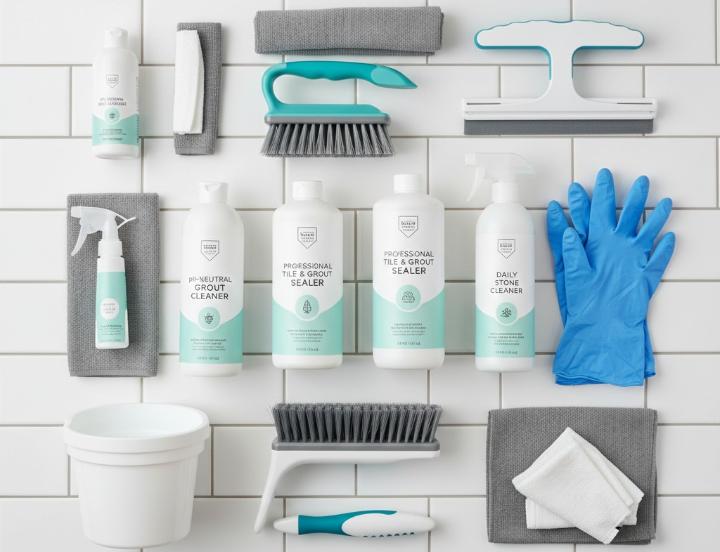
Grout sealers create protective barriers preventing stain absorption while allowing trapped moisture to escape through the joint material. Penetrating sealers work best for most residential applications, soaking into grout pores rather than forming surface films that can peel or discolor over time. Quality sealers protect subway tile with dark grout and white grout installations equally well. Browse our full tile selection to find products compatible with your sealer choice.
Five-Step Sealer Application Process
- Clean grout thoroughly using appropriate cleaners and allow complete drying for 24-48 hours before sealer application.
- Test sealer in an inconspicuous area to verify compatibility with your specific grout type and ensure desired results.
- Apply sealer using foam brushes or spray applicators, working in 3-4 foot sections and maintaining wet edges.
- Allow sealer to penetrate for the manufacturer-specified dwell time, typically 5-15 minutes depending on product formulation.
- Wipe excess sealer from tile surfaces using clean microfiber cloths before it hazes or dries on non-porous materials.
Most sealers require reapplication every 12-18 months in high-traffic areas and moisture-prone environments. Kitchen backsplashes and shower surrounds need more frequent attention than floors receiving light foot traffic. Water droplet testing helps determine when resealing becomes necessary. If water absorbs into grout rather than beading on the surface, protection has diminished and reapplication is warranted. The Ceramic Tile Foundation provides detailed guidance on protecting tile installations throughout their service life.

Dealing With Stubborn Stains and Discoloration
Despite preventive efforts, some staining inevitably occurs and requires targeted treatment approaches. Different stain types respond to different cleaning chemistries, making identification the first step toward effective removal. Organic stains from food, mold, or mildew respond to oxygen bleach and enzymatic cleaners while mineral deposits require acidic solutions that dissolve calcium and lime buildup.
For moderate discoloration affecting large grout areas, create paste using oxygen bleach powder mixed with water. Apply paste to affected grout lines, allowing 30-60 minute dwell time before scrubbing with soft brushes and rinsing thoroughly. This approach safely brightens cement grout without structural damage. TCNA specifications detail proper cleaning chemistries for different tile and grout combinations.
Pros and Cons of Professional Grout Cleaning
Pros:
- Industrial equipment removes deeply embedded stains inaccessible to household tools
- Professional-grade sealers offer longer protection periods
- Technicians identify underlying moisture or installation issues
- Time savings for homeowners with large tile installations
Cons:
- Service costs typically range $3-8 per square foot
- Scheduling constraints may delay treatment during busy seasons
- Some companies use harsh chemicals requiring extended ventilation
- Results vary based on technician experience and equipment
Understanding these tradeoffs helps you decide when professional intervention makes sense versus when DIY approaches deliver comparable results at lower cost.
Pattern Considerations Affecting Grout Maintenance
Your chosen subway tile layouts influence grout maintenance requirements in ways that aren't immediately obvious. Herringbone subway tile backsplash installations and chevron subway tile patterns create more grout joints than standard running bond layouts, increasing cleaning surface area. These modern subway tile patterns deliver stunning visual impact but demand commitment to regular upkeep. Explore creative layout options that balance aesthetic appeal with maintenance reality.
Colored subway tile paired with contrasting grout creates striking designs but highlights any grout discoloration more dramatically than tone-on-tone combinations. White grout with colored tiles shows every stain while dark grout conceals minor soiling. Basketweave subway tile patterns and other complex layouts compound these visibility factors. The Family Handyman tile trends coverage explores how pattern choices affect maintenance. Consider your lifestyle honestly when selecting tiles organized by color.
Material Quality and Installation Impact
Grout quality varies tremendously between products, affecting both initial appearance and stain resistance. Premium grouts contain denser aggregate particles and refined cement formulations that reduce porosity. These products cost more upfront but maintain color consistency better. Some homeowners opt for terrazzo-inspired tile styles that incorporate speckled patterns naturally disguising minor grout discoloration. Similarly, porcelain versus ceramic tile selection affects moisture migration through your installation.
Professional installation ensures proper grout mixing, application depth, and curing conditions that maximize joint durability. Thin grout coverage or improper water ratios during mixing create porous, weak joints that absorb stains rapidly. If you're planning a renovation, consulting local tile specialists helps you select products delivering lasting results. Tile installation guidance covers proper techniques supporting long-term success.
For dimensional interest without excessive grout lines, consider 3D decorative subway tile options that create visual texture within individual tiles rather than through complex multi-tile patterns. Matte porcelain subway tiles in extended formats similarly reduce joint counts while delivering contemporary appeal.
Long-Term Expectations and Realistic Outcomes
Even with optimal maintenance, white grout gradually develops character that differs from installation-day brightness. Natural aging produces subtle tonal shifts that many homeowners consider acceptable patina. Setting realistic expectations prevents frustration and helps you recognize when discoloration crosses from normal aging into problematic staining.
Subway tile bathroom trends increasingly embrace this natural evolution, with designers specifying white grout knowing it will soften over time. The goal isn't perpetual perfection but rather clean, well-maintained surfaces that don't detract from your design choices. General tile information provides historical context on how grout has performed across centuries.
When evaluating your installation, consider viewing conditions honestly. Grout that looks concerning under harsh bathroom lighting may appear acceptable under softer illumination. Outdoor tile applications face more challenging conditions than interior installations. Contact experienced tile professionals when you need guidance distinguishing normal aging from conditions requiring remediation.
Building Sustainable Maintenance Habits
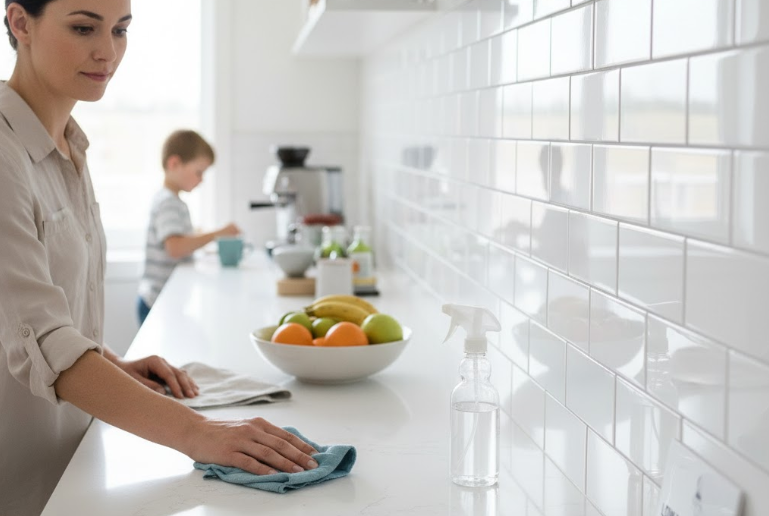
Success with grout maintenance depends less on product selection and more on habit formation. Structure your maintenance routines around existing habits. Clean kitchen backsplash grout while waiting for coffee to brew. Squeegee shower tiles while conditioner processes.
Specialty retailers can recommend products appropriate for your specific installation. Understanding your tile and grout materials through tile selection by size and products available locally helps you make informed choices.
The investment you've made in beautiful subway tile installations deserves protection through consistent care. Whether you've chosen colored subway tiles for bold impact or classic white for timeless appeal, the maintenance principles remain consistent. Clean regularly, seal appropriately, and address stains promptly. Your grout will reward this attention with decades of service.
Learn more about our commitment to quality tile products and discover how we help homeowners throughout Northern Nevada and California create beautiful tiled spaces.
Frequently Asked Questions
How often should I reseal white grout in bathroom applications?
Bathroom grout typically requires resealing every 12-18 months due to constant moisture exposure. Perform the water droplet test quarterly by dripping water on grout lines. If water absorbs rather than beading, resealing is needed. Shower enclosures may need more frequent attention than vanity backsplashes receiving less direct water contact.
Can I use vinegar to clean white grout?
Avoid vinegar and other acidic cleaners on cement-based grout. While vinegar effectively dissolves mineral deposits, its acidity degrades cement binders over time, leading to grout erosion and joint failure. Use pH-neutral cleaners for routine maintenance and reserve oxygen bleach treatments for stubborn staining that requires stronger intervention.
What causes pink or orange discoloration in white bathroom grout?
Pink or orange staining typically indicates Serratia marcescens bacteria growth, which thrives in moist bathroom environments with soap residue. This bacterial growth responds well to oxygen bleach treatments followed by thorough rinsing. Improve bathroom ventilation and reduce humidity to prevent recurrence.
Should I choose white grout or gray grout with white subway tiles?
Gray grout hides minor staining better than white grout while still providing attractive contrast with white tiles. Light gray offers compromise between bright white and dark contrast grout, requiring less aggressive maintenance while still appearing clean. Consider your household's realistic maintenance capacity when making this decision.
Does grout color affect cleaning frequency requirements?
Darker grout colors conceal everyday soiling better than white grout, potentially reducing visible cleaning needs. However, all grout requires similar maintenance regardless of color to prevent mold growth, structural deterioration, and hygiene concerns. The difference is visibility rather than actual cleanliness requirements.