Subway tile patterns offer five primary arrangements for residential and commercial applications: stacked bond (vertical and horizontal), running bond, herringbone, basketweave, and mixed combinations. Each pattern serves specific design objectives, vertical arrangements create height illusion in small bathrooms, horizontal layouts emphasize width in contemporary kitchens, herringbone delivers visual drama for backsplashes, and basketweave provides easy installation with distinctive character. The standard 3-by-6-inch subway tile format originated in New York City's underground transit system in the early 1900s, designed by George C. Heins and Christopher Grant La Farge for easy maintenance and sanitation.
Key subway tile pattern applications:
- Small bathrooms: Vertical stack bond or vertical running bond maximize perceived ceiling height
- Kitchen backsplashes: Herringbone pattern creates focal points behind stoves and sinks
- Modern aesthetics: Horizontal stack bond complements floating shelves and contemporary fixtures
- Large showers: Basketweave arrangement combines simple installation with updated design
- Mixed patterns: Combining multiple arrangements defines distinct zones within single spaces
Grout color selection significantly impacts pattern visibility, high-contrast grout (dark with light tiles) emphasizes geometric configurations, while matching grout tones create seamless, minimalist appearances. Rectangle tiles have evolved from their hygienic transit origins to become versatile design elements suitable for various applications. Homeowners can explore tiles organized by color to find the perfect shade for their space.
Stacked Arrangement
The most straightforward layout is the straight arrangement, also known as stack bond. This grid-style configuration may be the most fundamental; however, that does not make it outdated. This approach has experienced a significant resurgence in design trends due to renewed emphasis on simplicity and minimalist aesthetics. Design professionals and homeowners alike are embracing this clean, contemporary look, as evidenced by current bathroom tile trends showcased in modern renovations. Homeowners can explore different tile types and materials to find the perfect match for their specific project needs.
Two types of stacked arrangements exist, both generating considerable interest in contemporary interiors, the vertical stack bond and the horizontal stack bond. Each approach impacts interior spaces differently.
Vertical Stack Bond
This approach features tiles stacked directly atop one another, ensuring tile joints in each row align precisely with those above and below. The vertical orientation creates the illusion of elevated ceilings when emphasizing vertical space to make rooms appear more expansive. This effect works particularly effectively with larger tile formats, and designers often recommend considering various tile sizes to achieve the desired visual impact. It produces an effect comparable to vertical stripes that generates perceived height, ideal for spaces with low ceilings or confined areas.
Horizontal Stack Bond
Horizontal stacking represents the more prevalent subway tile arrangement, particularly for contemporary rather than traditional aesthetics. This ranks among the subway tile configurations that deliver an appealing linear appearance. Horizontally stacked rectangle tiles complement modern designs and floating shelves effectively, establishing visual lines throughout the area.
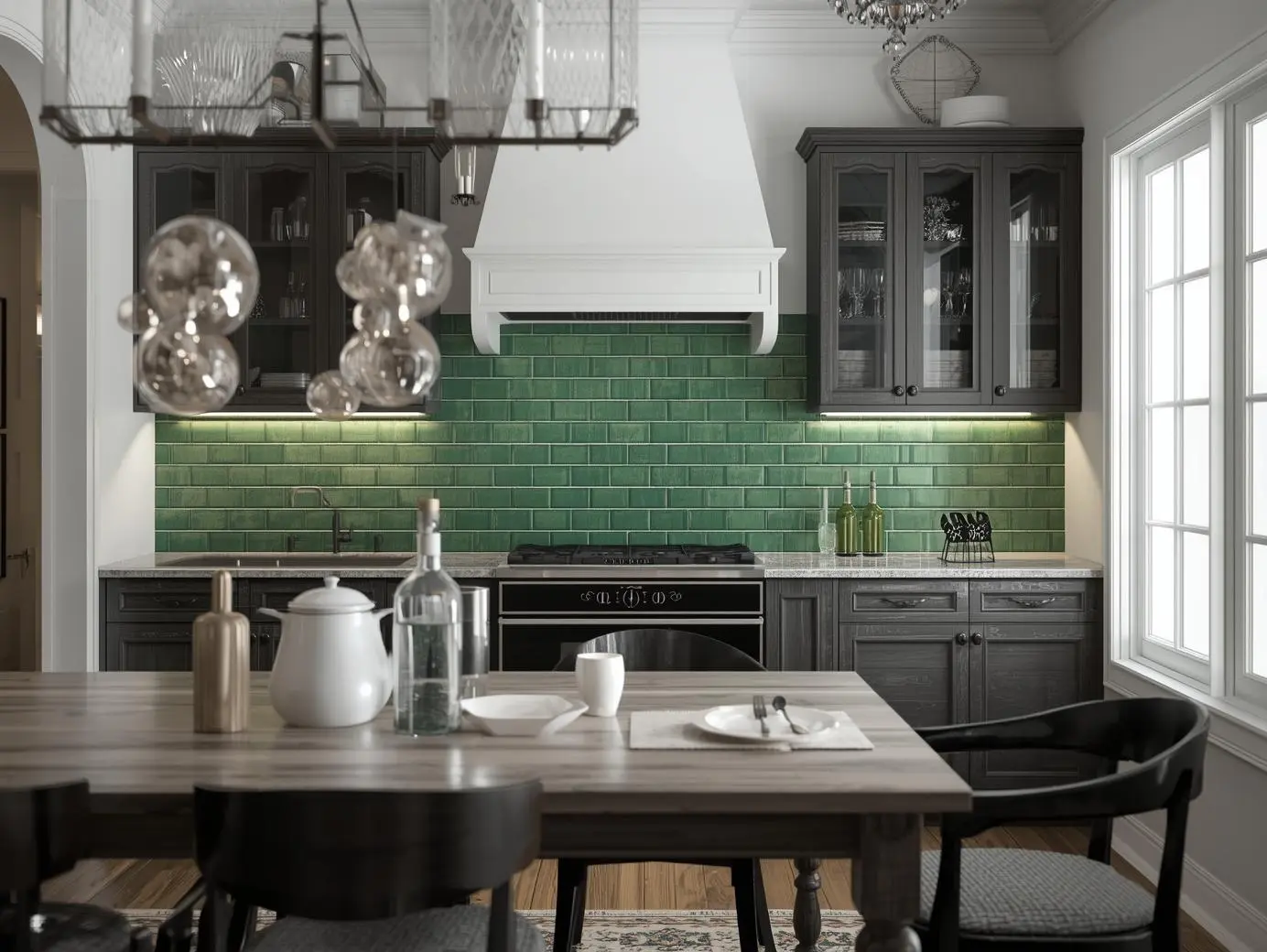
Running Bond Arrangement
The horizontal running bond configuration stands as the most identifiable method for utilizing subway tiles, featuring a traditional brick aesthetic. Subway tiles installed in a traditional running bond layout (alternatively called the offset arrangement) are staggered by aligning each tile's end with the centerline of tiles positioned above and below (known as a 50-percent offset).
Simple to execute, this favored tile configuration suits those seeking traditional and straightforward design. The balanced layout delivers a unified appearance that establishes a serene foundation for active environments. Professional installers consistently follow established tile layout principles and techniques to ensure proper alignment, spacing, and long-lasting results throughout the installation process.
Subway tiles arranged in a traditional running bond configuration offer one method to introduce timeless appeal to bathrooms using contemporary materials. This tile approach can lean traditional or modern, depending on accent detail selections and complementary construction materials. For those seeking comprehensive design inspiration, exploring diverse tile and stone collections provides valuable insight into available options and style possibilities for any project.
Running this tile configuration horizontally accentuates the space's width, while vertical installations highlight ceiling height. The vertical running bond, the rotated interpretation of the traditional brick arrangement presents a distinctive variation worth considering in compact spaces.
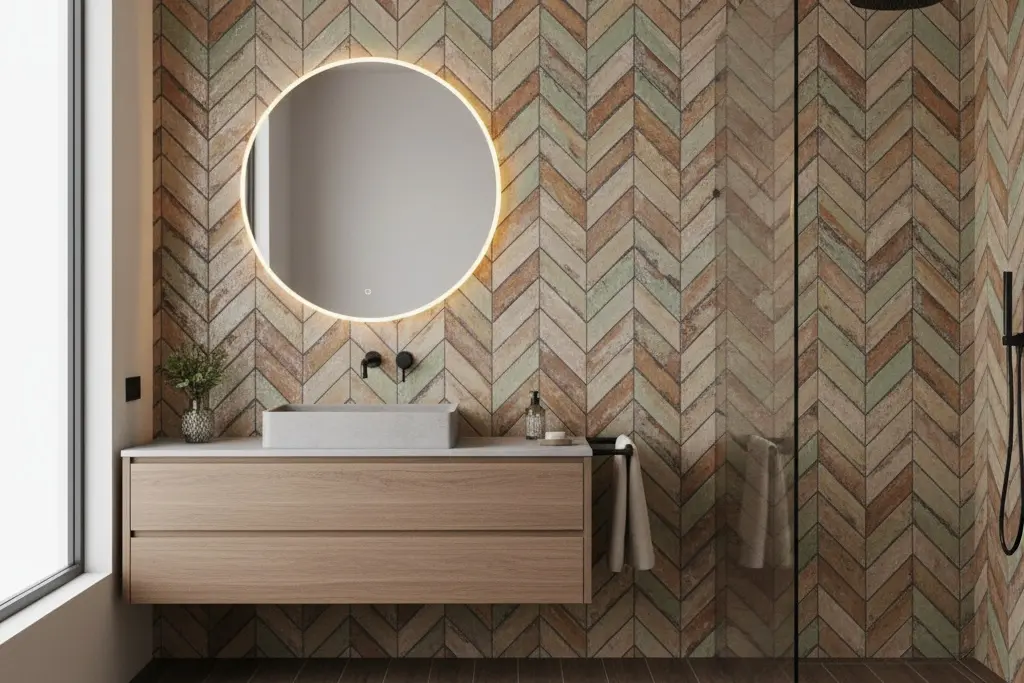
Herringbone Arrangement
Herringbone presents the most demanding installation while delivering exceptional visual impact. One creates a herringbone configuration by positioning tiles in V formations at alternating 45-degree angles. Each tile's short edges fit into subsequent rows, resembling puzzle pieces. For enhanced elegance with this tile, it is important to note that somewhat elongated tiles yield optimal results. Design experts and industry organizations like the National Kitchen and Bath Association consistently recommend consulting with experienced professionals when planning complex tile patterns to ensure successful execution.
Depending on scale, this tile functions effectively in diverse spaces, on vertical and horizontal surfaces. For bold designs, a herringbone configuration effectively covers entire walls for visually striking aesthetics. Similar to the brick arrangement, employing high-contrast grout highlights the tiles, displays the configuration, and achieves a more contemporary appearance. Working with materials sourced from certified tile distributors ensures adherence to industry standards and quality benchmarks for residential and commercial applications.
Herringbone subway tile configurations appear most frequently on kitchen backsplashes. One may deploy the herringbone arrangement across the complete backsplash or confine it to smaller sections such as areas behind sinks or ranges. This pattern works beautifully when executed in various colors, allowing homeowners to create personalized focal points. Regardless, a herringbone configuration presents an ideal opportunity to incorporate distinctive character into one's home.
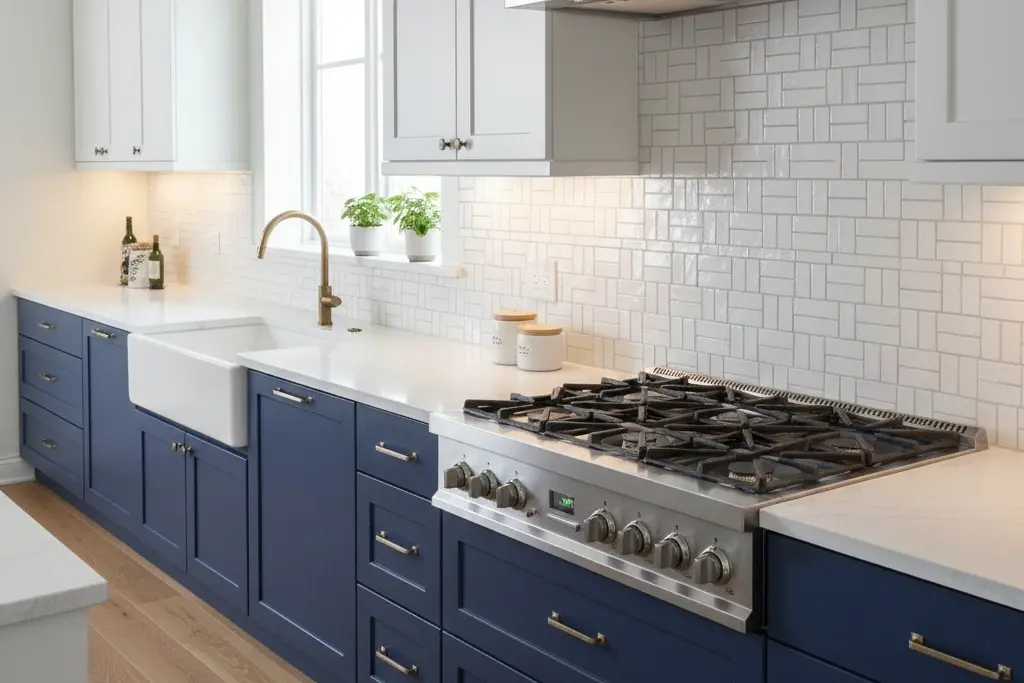
Basketweave Arrangement
A double basketweave configuration offers a contemporary interpretation of the traditional design, an excellent subway tile arrangement providing spaces with recognizable yet distinctive character. This configuration combines paired horizontal tiles bordered by paired vertical tiles. The primary advantage of this arrangement lies in its installation simplicity while contributing unique elements to the environment.
The basketweave configuration delivers a more current design for traditional subway styling. It introduces a modern element and performs exceptionally well in large-format applications such as showers. When planning tile installations, homeowners benefit from understanding the differences between ceramic and porcelain materials, as each offers distinct advantages for specific applications. Additionally, exploring specialty patterns like terrazzo-look tiles can complement basketweave arrangements beautifully. Integrating a basketweave arrangement with subway tiles may represent a minor layout adjustment; however, organizing tiles in two-by-two grids produces an aesthetically pleasing configuration that is entirely unexpected.
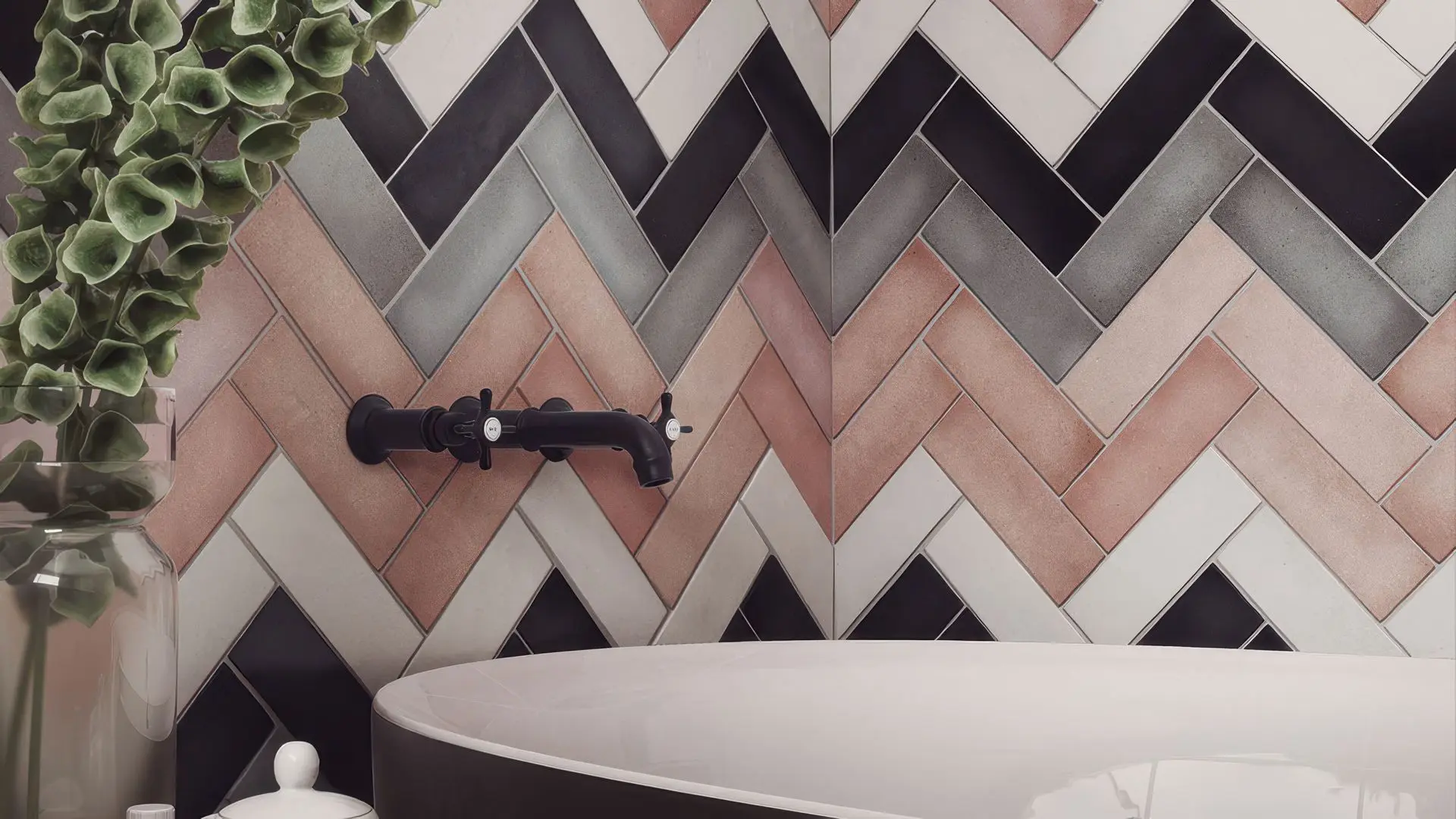
Experiment With Combinations
For those seeking to elevate subway tile design further, the design opportunities with subway tiles prove limitless, given the countless colors, finishes, and configurations available. Homeowners and designers can browse extensive collections organized by style to discover complementary elements that bring their vision to life. Experimentation by combining various tiles enables one to develop a signature arrangement.
This subway tile layout abandons conventional patterns entirely and produces something unique and contemporary. For projects seeking added visual dimension, decorative 3D subway tiles offer textured surfaces that create dramatic shadow play and depth within any space.
Another approach involves incorporating multiple colors and textures within identical subway configurations to provide walls with modern and unexpected character. Subway tile resembles a fundamental design element, it can be utilized consistently and achieve refined, sophisticated appearances depending on styling selections.
It remains perpetually stylish yet can express substantial character when one innovates and explores pattern variations. Develop timeless beauty that is sophisticated, refined, and distinctively yours.
Conclusion
Subway tiles continue to demonstrate their versatility and enduring appeal in contemporary interior design. From their origins in New York City's underground transit system to becoming a staple in homes worldwide, these rectangular tiles have transcended their original purpose to become a medium for creative expression. Whether one selects the clean simplicity of a stacked arrangement, the timeless elegance of a running bond, the visual drama of herringbone, or the unexpected sophistication of basketweave, subway tiles offer extensive possibilities to transform spaces.
The key to maximizing their potential lies in understanding how different configurations affect spatial perception and complement overall design aesthetics. Professional guidance from respected organizations like the Natural Stone Institute helps ensure proper material selection and installation planning for optimal results. One should not hesitate to experiment with colors, textures, and mixed patterns to create an appearance that is distinctly personal.
With proper planning and creative consideration, subway tiles can elevate any room from ordinary to extraordinary while maintaining the classic sophistication that has established them as an interior design standard for over a century. Those ready to begin their tile project can visit local showrooms to experience materials firsthand and receive personalized design consultations from knowledgeable professionals.
Frequently Asked Questions
What tile arrangement works best for small bathrooms?
Vertical stack bond and vertical running bond arrangements function exceptionally well in small bathrooms. These configurations create the illusion of height by drawing the eye upward, making low ceilings appear taller and compact spaces feel more expansive. The vertical orientation mimics the effect of vertical stripes, effectively opening up confined areas. These arrangements should be paired with lighter tile colors and minimal grout lines to maximize the space-enhancing effect. Industry professionals at events like Coverings regularly showcase innovative small-space tile solutions that demonstrate these principles in action. Browse various subway tile colors to find the perfect palette for compact spaces.
How does one choose between horizontal and vertical subway tile arrangements?
The selection depends on spatial objectives. Horizontal arrangements, including horizontal stack bond and running bond, emphasize room width and complement contemporary design aesthetics with floating shelves and modern fixtures. Vertical arrangements accentuate ceiling height and function ideally in spaces where one desires to create the perception of taller rooms. One should consider the room's existing proportions and which dimension requires enhancement before making the selection. Quality installations require tiles meeting established ANSI A137.1 standards for ceramic tile to ensure durability and performance. Browse our complete shop for a full selection of options.
Is herringbone pattern difficult to install for DIY projects?
Herringbone represents the most challenging subway tile arrangement to install due to its precise 45-degree angles and intricate V-shaped pattern formation. Each tile's short edge must fit perfectly into subsequent rows like puzzle pieces, requiring meticulous planning, accurate measurements, and advanced cutting proficiency. While experienced DIY practitioners can undertake this pattern, beginners should consider engaging professional installers to ensure proper alignment and achieve the stunning visual impact for which herringbone arrangements are recognized. Additionally, implementing proven tile edge protection techniques safeguards investment and ensures professional-quality results. To learn more about our company and commitment to quality installations, explore our comprehensive resources.
Can one mix different subway tile patterns in a single room?
Certainly. Mixing arrangements creates visual interest and defines distinct zones within a single space. One might utilize herringbone behind the stove as a focal point while applying running bond across the remaining backsplash. Alternatively, one may combine different colors and textures within the same pattern for modern, unexpected aesthetics. The key is maintaining consistency, whether through grout color, tile size, or finish to ensure the mixed patterns appear intentional rather than disorganized. For specialized applications requiring slip resistance or specific aesthetic qualities, matte porcelain subway tiles provide sophisticated alternatives to traditional glossy finishes. For comprehensive project planning, reviewing complete product ranges helps identify the perfect combination of materials for any application.
What grout color should be used with different subway tile arrangements?
Grout color significantly impacts the arrangement's final appearance. High-contrast grout (dark grout with light tiles or the inverse) emphasizes the chosen pattern, making configurations such as herringbone and basketweave more visually striking and contemporary. Matching or similar-toned grout creates a seamless, unified appearance that emphasizes the tiles themselves rather than the pattern, ideal for minimalist aesthetics with stacked arrangements. One should consider overall design objectives, whether the pattern should stand out prominently or blend subtly into the space. Understanding the distinctions between porcelain and non-porcelain tile options empowers informed decision-making regarding performance characteristics. Homeowners seeking expert guidance can reach out for professional assistance to receive tailored recommendations.