Pairing subway tiles with countertops and cabinets requires balancing color temperature, finish consistency, and visual weight to create cohesive designs. The key involves matching cool-toned tiles with cool surfaces or deliberately contrasting temperatures while maintaining harmony through shared undertones. Understanding material interactions helps you avoid monotonous single-tone spaces or conflicting color temperatures that make rooms feel disjointed.
Your subway tile selection influences everything from perceived room size to maintenance requirements. The rectangular tile format works with virtually any cabinet style and countertop material, but achieving professional results requires understanding which subway tile layouts, modern subway tile patterns, and creative backsplash ideas enhance rather than compete with existing elements. Whether planning herringbone subway tile backsplash installations, chevron subway tile arrangements, or vertical subway tile applications, the relationship between tiles, countertops, and cabinets determines whether spaces feel intentionally designed. This guide examines specific pairing strategies that create balanced, functional spaces where materials enhance each other's best qualities through coordinated design choices available at Northern Nevada and Northern California showrooms.
Color Temperature Coordination Creates Visual Harmony
Color temperature governs how different materials relate in shared spaces. Cool colors contain blue, grey, or green undertones, while warm colors carry yellow, orange, or red undertones. Successful pairing starts by identifying whether existing countertops and cabinets lean warm or cool, then selecting subway tiles that either match this temperature or provide calculated contrast.
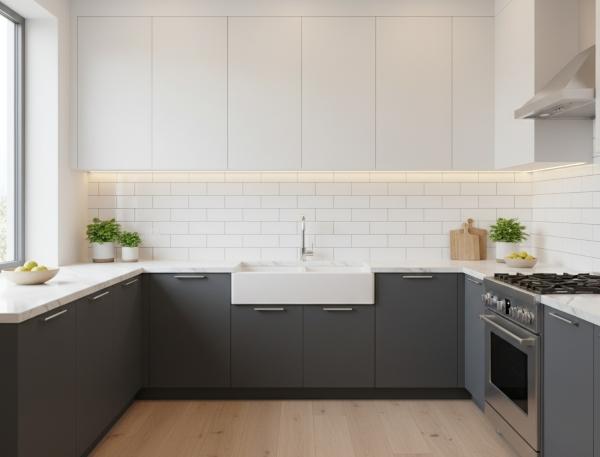
White subway tiles with warm cream undertones complement honey oak cabinets and beige granite countertops by extending the warm palette. Cool grey subway tiles pair naturally with white shaker cabinets and grey quartz countertops, creating cohesive modern kitchens. When introducing temperature contrast deliberately, use countertops as a bridge element containing undertones of both temperatures.
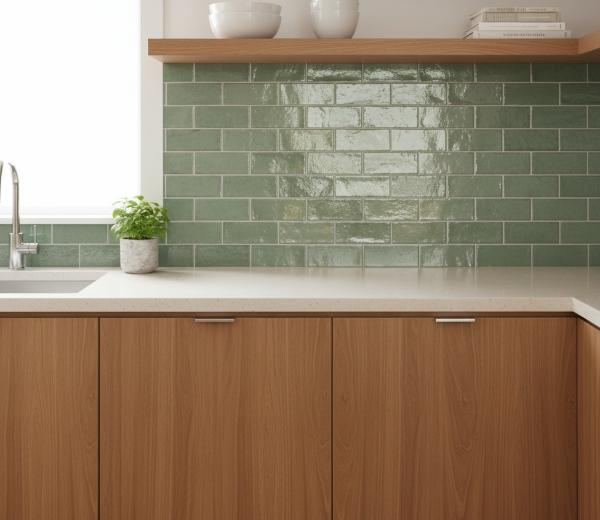
Colored subway tile introduces additional complexity since each hue carries inherent temperature bias. Test samples in your actual lighting conditions before committing, as natural daylight reveals different undertones than artificial lighting. Browse tiles by color to compare how various shades read in different environments throughout the day.
Finish Selection Impacts Material Interaction
Glossy subway tiles create reflective surfaces that amplify natural light and make small spaces feel larger, but this shine introduces maintenance considerations. Glossy ceramic options like Lucida 3x9 tiles demonstrate how reflective finishes catch and redirect light throughout the day. Too many reflective surfaces create glare and show every fingerprint, water spot, and dust particle.
The most successful combinations typically mix finishes strategically rather than matching everything to identical sheens. Glossy subway tiles pair beautifully with matte-finish cabinets because the contrast between reflective backsplash and subdued cabinetry creates visual hierarchy. This combination also balances maintenance, since glossy tiles clean easily while matte cabinets hide minor marks better than high-gloss options.
Matte subway tiles work well with polished countertops, as the contrast between flat tile and glossy stone adds sophistication. When working with natural stone countertops that have inherent texture and movement, matte tiles provide a calming backdrop that doesn't compete visually. Explore tiles by type to compare how different finish options appear in your specific lighting conditions.
Material Compatibility Between Tiles And Countertops
Different countertop materials present unique pairing opportunities when combined with subway tiles. Natural stone countertops like granite and marble contain inherent color variation, veining patterns, and crystalline structures that either harmonize or clash with tile selections.
Busy granite countertops with dramatic movement benefit from simple subway tiles in solid colors. The tile provides visual rest areas that prevent spaces from feeling chaotic. Choose a subway tile color that pulls from one of the minor accent colors in the granite rather than matching the dominant tone.
Solid-color quartz countertops invite more flexibility since they don't compete visually with tile patterns. Quartz ranks high on the Mohs hardness scale, making it exceptionally durable for daily kitchen use alongside subway tile backsplashes. The relationship becomes more about creating focal points and visual interest since the countertop won't contribute pattern or variation.
Butcher block and wood countertops introduce warm organic textures that pair naturally with subway tiles in neutral tones. White, cream, and soft grey tiles provide crisp contrast against natural wood without introducing competing warmth. This combination suite farmhouse and transitional styles where mixing natural materials with clean tile creates balanced, inviting spaces.
Cabinet Color Determines Tile Contrast Levels
Your cabinet color establishes the baseline against which all other materials read. White cabinets offer maximum flexibility, accepting any subway tile color from matching white-on-white schemes to bold navy statements. Matching white subway tiles to white cabinets produces serene environments while contrasting dark or colored tiles introduces drama.
Dark cabinets like navy, charcoal, or espresso create sophisticated backdrops that benefit from lighter subway tiles to prevent spaces from feeling cave-like. The contrast between dark cabinets and light tiles adds depth and prevents visual heaviness. Natural wood cabinets in medium tones work with most subway tile colors but look particularly cohesive with tiles that echo the wood's undertones.
Two-toned cabinet schemes require extra consideration since subway tile typically sits between contrasting cabinet colors. Choose tiles that complement both cabinet colors or match the upper cabinets to maintain visual continuity. When selecting materials from specialized tile retailers, bring samples of your cabinet finish, countertop material, and hardware in their actual finishes. Review the complete subway tile selection to see how different finishes, sizes, and colors interact with various lighting conditions.
Pattern And Grout Selection Affect Overall Cohesion
The layout pattern you choose creates different relationships with cabinets and countertops. Traditional horizontal brick patterns emphasize space width, making narrow kitchens feel wider. Vertical subway tile installations draw the eye upward, increasing perceived ceiling height. Diagonal patterns like herringbone subway tile backsplash or chevron subway tile introduce dynamic movement but require more visual processing.
Grout color dramatically impacts how subway tiles relate to surrounding materials. White grout creates seamless, cohesive looks where individual tiles recede into unified surfaces. This approach suits busy countertops or ornate cabinets where you want tile to serve as a calming element. Dark grout emphasizes the grid pattern and individual tile shapes, creating graphic interest. Subway tile with dark grout works best with solid countertops and simple cabinet styles.
According to professional tile layout guidelines, successful pattern selection considers the relationship between tile size, pattern complexity, and available installation area. A herringbone pattern in 3x6 inch tiles needs roughly 3-4 courses (12-16 inches) to establish its diagonal rhythm. According to NKBA guidelines for kitchen design, successful material coordination considers how elements relate at different viewing distances.
How To Choose Tile Color With Existing Materials
Start by identifying your existing undertones. Determine whether current cabinets and countertops lean warm or cool. Hold white paper against cabinets; if they look yellowish in comparison, they're warm-toned. If bluish, they're cool-toned. This undertone knowledge guides your tile temperature selection.
Decide your design direction: monochromatic harmony (all materials in similar color families), complementary contrast (different colors sharing undertones), or deliberate contrast (opposing temperatures connected by a bridge element). Order tile samples in multiple shades within your identified color family. Test these against actual cabinets and countertops in your actual lighting conditions.
Place samples in the installation location and photograph them in morning, midday, and evening light. Natural daylight reveals true colors while artificial lighting can shift undertones dramatically. Choose grout color alongside tile selection since these elements work together to create the final appearance. Professional installation standards emphasize the importance of pre-installation material coordination to prevent costly mistakes.
Room-Specific Pairing Considerations
Kitchen backsplashes face grease splatter, food stains, and frequent cleaning, making finish selection crucial. Glossy subway tiles clean most easily but show water spots between cleanings. The area behind your stove experiences harsh conditions and benefits from subway tiles rated for commercial applications. Look for porcelain subway tiles that meet ANSI A137.1 standards for water absorption and chemical resistance. Browse tiles organized by style to find options specifically curated for contemporary, traditional, or transitional aesthetics.
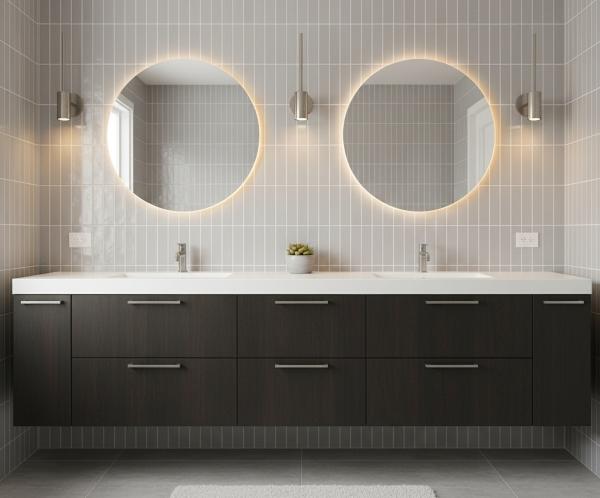
Bathroom vanities with subway tile backsplashes require moisture-resistant materials throughout. Ceramic subway tiles work well in bathrooms due to their water resistance and easy maintenance, particularly behind sinks where soap and toothpaste splatters occur daily. According to tile industry resources, proper material selection based on actual use patterns prevents common bathroom design regrets.
Ceramic Vs Porcelain Subway Tiles Comparison
Factor | Ceramic Subway Tiles | Porcelain Subway Tiles |
Best For | Light-duty backsplashes, standard bathrooms | High-traffic kitchens, commercial applications |
Water Resistance | Absorbs 3-7% water weight | Absorbs less than 0.5% water |
Durability | Adequate for typical residential use | Extremely hard, resists chips better |
Cost | 30-50% less expensive | Higher upfront cost, longer lifespan |
Weight | Lighter, easier DIY installation | Heavier, may require professional installation |
Color Options | Wide variety, surface-glazed color | Through-body color means chips less visible |
Maintenance | Regular grout sealing required | Virtually maintenance-free |
Industry tile shows showcase both material types annually, allowing designers to compare the latest innovations in subway tile manufacturing and finish technologies.
Making The Final Decision
Trust your initial instincts while backing them up with practical testing. If a particular subway tile combination makes you smile when viewing it in your space, that emotional response matters. However, ensure this enthusiasm survives practical considerations like cleaning requirements and long-term design flexibility.
Work with experienced professionals when coordinating multiple materials, particularly for major renovations. Qualified tile installers certified through industry programs understand how different materials interact during installation and can prevent common mistakes.
When you're ready to explore specific subway tile options that coordinate with your existing cabinets and countertops, visit local showrooms serving Northern Nevada and Northern California where you can view materials in person. Learn about the company to discover decades of expertise in tile selection and design consultation. Browse tiles organized by size to find options that match your project requirements. Professional guidance combined with proper material testing ensures your subway tile installation enhances your space for years to come. Learn more about available products or contact the design team to discuss your specific coordination challenges.
Frequently Asked Questions
Should subway tile match cabinets or countertops?
Subway tiles don't need to match either element exactly. The most successful designs coordinate with both by selecting tiles that share undertones with your cabinets while providing appropriate contrast with countertops. If you have white cabinets and grey countertops, soft grey subway tiles would coordinate with the countertop color while contrasting nicely against the cabinets.
What color grout should I use with white subway tile and dark cabinets?
White or light grey grout creates the most cohesive look with white subway tiles, allowing the tiles to read as a unified light surface that contrasts with dark cabinets. This combination prevents the backsplash from feeling too busy while maintaining the dramatic cabinet-to-tile contrast.
Can I use large-format subway tiles with traditional cabinets?
Large-format subway tiles (4x12 inches or larger) generally suit contemporary cabinet styles better than traditional designs. The clean, minimal grout lines of oversized tiles complement modern flat-panel cabinets but can look disproportionate against detailed traditional cabinetry with raised panels and ornate hardware.
How do I coordinate subway tile with granite countertops that have multiple colors?
Pull one of the minor accent colors from your granite for your subway tile rather than matching the dominant tone. This approach creates subtle coordination without exact duplication that can feel flat. For example, if your granite features brown as the primary color with flecks of cream, gold, and black, consider cream or soft grey subway tiles that echo those lighter accents.
Should bathroom subway tile match the kitchen tile in an open floor plan?
Matching subway tile throughout creates cohesion but isn't mandatory in open floor plans. If your kitchen and bathroom are visible from the same vantage point, using the same tile maintains visual flow. However, many homes successfully use coordinating tiles that share color families or styles without being identical.