Looking for subway tile bathroom ideas? Subway tiles are rectangular ceramic or porcelain tiles (typically 3x6 inches) arranged in a brick-like pattern, originally used in New York City subway stations in the early 1900s. Today, they're a top choice for bathroom remodels because they offer timeless style, easy maintenance, and versatile design options that work with any budget.
Why choose subway tiles for your bathroom?
- Versatile styling: Works with traditional, modern, retro, and contemporary designs
- Multiple layout options: Classic horizontal, herringbone, vertical, or mixed patterns
- Wide range of materials: Ceramic, porcelain, marble, and textured varieties
- Color flexibility: Available in white, pastels, bold jewel tones, and neutral shades
- Easy to clean: Smooth surfaces resist moisture and are simple to maintain
- Cost-effective: Available at various price points to fit different budgets
Subway tiles can be installed on bathroom walls, shower enclosures, floors, backsplashes, and even ceilings. Popular design approaches include using white subway tiles with dark grout for modern contrast, vertical layouts to make small bathrooms feel taller, herringbone patterns for visual interest, or marble subway tiles for luxury appeal. Whether you're renovating a compact guest bathroom or creating a lavish master suite, subway tiles transform your space into a welcoming atmosphere. For inspiration and quality selections, explore our comprehensive tile and stone collection.
The Classic Subway Tile Look
The traditional subway tile design showcases rectangular tiles positioned in a brick-style arrangement. This configuration has remained a kitchen and bathroom staple for more than a hundred years thanks to its understated yet elegant appearance. White subway tiles represent the most conventional selection and blend seamlessly with virtually any color palette, delivering a luminous, crisp ambiance. You can select glossy white tiles for a sleek, reflective finish, or go with matte white tiles for a more subtle aesthetic. Browse subway tiles by color to find the perfect shade for your classic bathroom design.
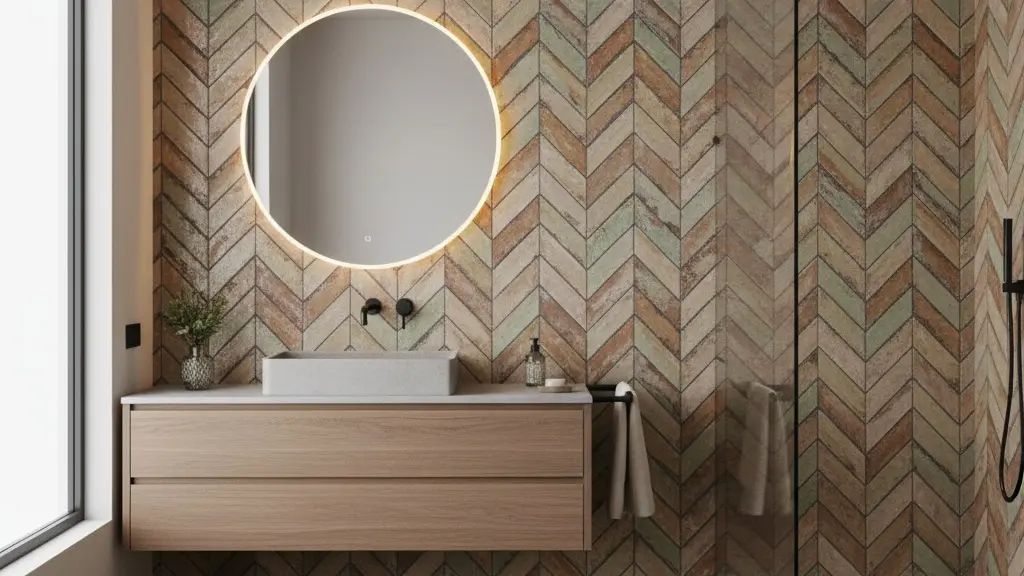
Herringbone Subway Tile Pattern
The herringbone arrangement features tiles placed in a zigzag configuration, producing a visually captivating result. The diagonal lines introduce visual complexity and lend the space a more contemporary and fashionable character. Whether you choose neutral hues or bold colors, the herringbone design can serve as an eye-catching element in your bathroom. It proves particularly impactful on shower walls, where the arrangement guides the gaze skyward and introduces dimension to the area. For expert guidance on achieving perfect tile layouts, check out these tile layout tips and tricks from industry professionals.
Vertical Subway Tile Layout
Positioning subway tiles vertically rather than horizontally can give a compact bathroom increased height and openness. This arrangement proves especially successful in shower enclosures, as the extended shape generates the perception of elevated ceilings. It also complements modern bathroom elements beautifully, including wall-mounted vanities and borderless glass shower enclosures. You can play with various grout shades to either harmonize with the tiles for an understated appearance or establish a bold contrast for heightened visual impact. The National Kitchen and Bath Association offers additional insights on optimizing bathroom layouts for both style and function.
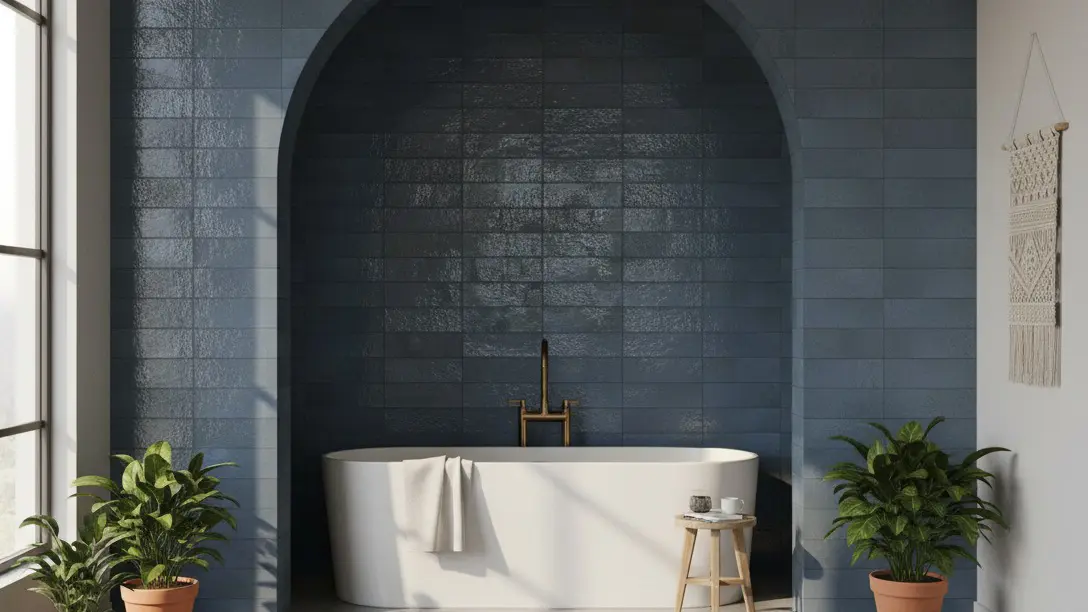
Colored Subway Tiles for a Bold Statement
Subway tiles come in an extensive spectrum of colors, spanning from gentle pastels to deep jewel tones. Subdued shades of blue, green, or gray establish a peaceful and tranquil environment. For a more daring aesthetic, rich navy, emerald green, or even black subway tiles can generate a sophisticated and theatrical impression. Colored subway tiles perform exceptionally well as accent features, like a backsplash or within a statement wall in the shower section. Discover trending color options by visiting today's bathroom tile trends or explore our shop tiles by color section for available selections.
Marble Subway Tiles for a Touch of Luxury
Adding marble subway tiles to your bathroom introduces refinement and class. The organic veining present in marble tiles produces a distinctive and enduring design, rendering each tile an individual masterpiece. Marble functions superbly in both traditional and modern bathrooms and coordinates well with other organic materials like wood and stone. However, marble possesses greater porosity than alternative tile types, requiring appropriate sealing and upkeep to maintain its flawless appearance. For natural stone care guidelines and best practices, consult the Natural Stone Institute for comprehensive maintenance information.
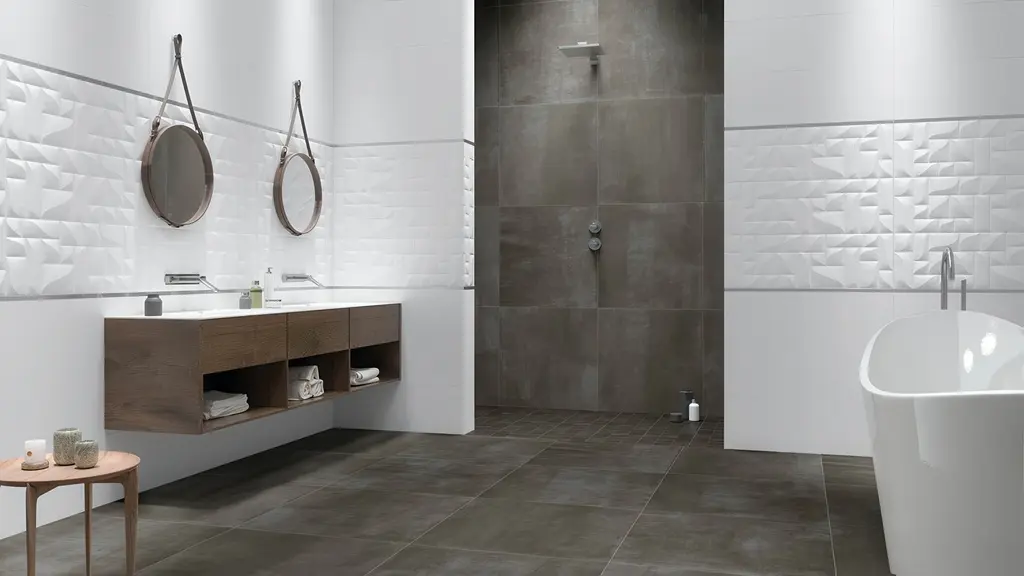
Large-Format Subway Tiles
Large-format subway tiles establish a contemporary look in your bathroom. Bigger tiles reduce grout line visibility, creating a cleaner and more refined appearance. Large-format subway tiles work particularly well in compact bathrooms, as they can generate a more expansive and less crowded feeling. You can select from various finishes, including glossy, matte, or textured, to match your bathroom's complete design scheme.
Subway Tiles with Mosaic Accents
Adding mosaic accents among rows of subway tiles produces stunning contrast and can introduce texture and color to the area. You can pick from geometric designs to floral or abstract configurations, based on the overall atmosphere you wish to establish. This approach functions well as a centerpiece, like over the vanity or as a feature wall in the shower. For those seeking unique accent options, terrazzo look tiles offer an excellent alternative that pairs beautifully with classic subway tiles.
Subway Tile Ceiling Treatment
Applying subway tiles to your bathroom ceiling represents a distinctive and surprising approach. This design concept works especially well in compact bathrooms or areas with elevated ceilings, where the tiles can generate a feeling of dimension. Installing subway tiles on the ceiling contributes elegance and unifies the room. Professional installation is crucial for ceiling applications; learn more about tile edge protection for better installation results.
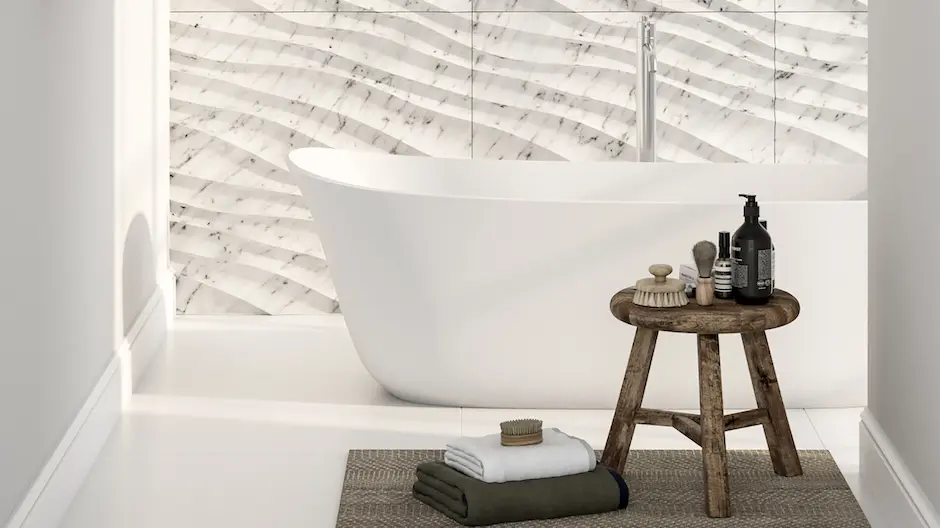
Textured Subway Tiles
Textured subway tiles feature various designs like ribbed, wave, or raised patterns, introducing a sensory element that can enhance the bathroom's welcoming nature. Textured subway tiles function well as accent walls or within the shower zone, where they can produce a striking visual impact as light interacts with the patterns. Our Linear 5x10 Glossy 3D Decorative Subway Tile exemplifies how textured surfaces add visual interest while maintaining classic appeal.
Subway Tiles with Dark Grout
Employing dark grout to establish contrast with light-toned tiles represents a current trend in subway tile design. This design selection emphasizes the crisp lines of the subway tiles and provides the bathroom a more contemporary, edgy character. Dark grout can introduce depth and dimension to the area, particularly when matched with white or light-colored subway tiles. Dark grout also offers the practical advantage of resisting stains more effectively. Browse our shop tiles by style to find designs that complement this trending aesthetic.
Subway Tile Wainscoting
Wainscoting entails covering the bottom portion of the walls with tile, representing an excellent method to integrate subway tiles into your bathroom layout. This approach adds ornamental appeal while simultaneously shielding the walls from moisture and water splashes. Subway tile wainscoting functions well in bathrooms featuring a traditional or cottage-inspired aesthetic. You can combine the wainscoting with wallpaper or paint above the tiles. For the latest design inspirations and product showcases, attend industry events like Coverings, the premier tile and stone exhibition.
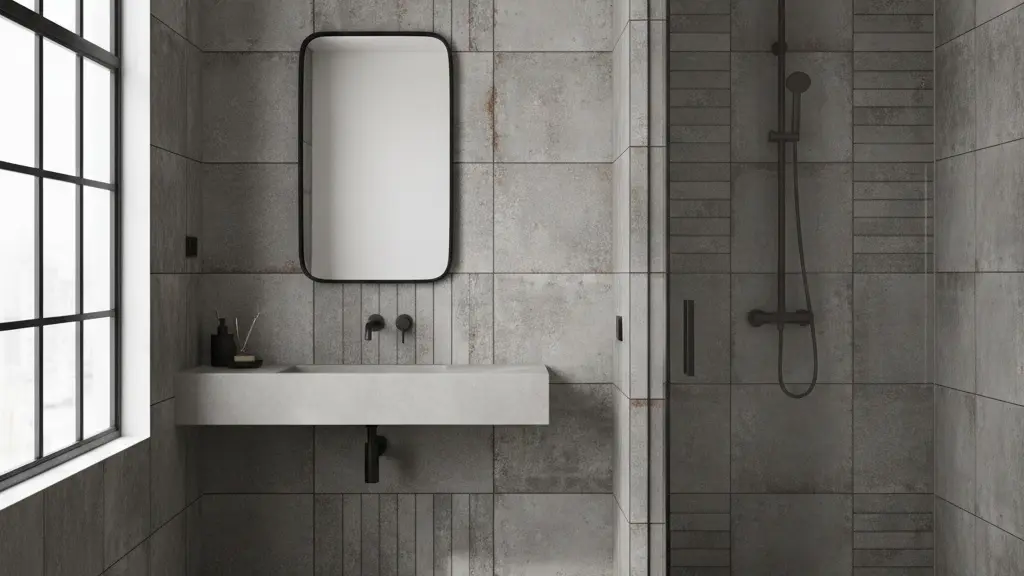
Mixing Subway Tiles with Other Tile Patterns
Blending subway tiles with alternative tile patterns can generate a distinctive and customized appearance for your bathroom. You can merge subway tiles with hexagonal, penny, or mosaic tiles to produce a unique design. This strategy functions well in sections like the floor or backsplash, where varying tile shapes and dimensions can establish an engaging aesthetic. Explore shop tiles by type to discover complementary patterns that work harmoniously together.
Using Subway Tiles for a Retro Bathroom
Subway tiles represent an excellent selection for establishing a retro-influenced bathroom. To achieve a retro aesthetic, match subway tiles with vintage-inspired fixtures, including pedestal sinks, clawfoot tubs, and brass or chrome faucets. You can also utilize black-and-white subway tiles or choose colorful subway tiles in tones like mint green, soft pink, or powder blue for a nostalgic atmosphere. Standard 3x6 subway tiles perfectly capture the authentic vintage look that defined mid-century bathroom design.
Subway tiles present a versatile and fashionable choice for any bathroom renovation. Understanding tile specifications is essential for project success, learn about quality standards through the ANSI A137.1-2022 Standard for Ceramic Tile to ensure you're selecting materials that meet industry benchmarks. Visit our shop to view our complete selection of premium subway tiles.
Conclusion
Subway tiles continue to stand the test of time as one of the most versatile and appealing choices for bathroom design. Their ability to adapt to any style from vintage charm to ultra-modern minimalism makes them an invaluable asset in creating the bathroom of your dreams. Whether you opt for the timeless elegance of classic white tiles, experiment with bold herringbone patterns, or introduce luxury through marble finishes, subway tiles provide endless creative possibilities. The key to a successful subway tile bathroom lies in thoughtful design choices that reflect your personal style while maximizing the functional benefits these tiles offer. With proper planning and installation, your subway tile bathroom will enhance your home's aesthetic appeal and deliver lasting durability and value. Contact us to explore our tile and stone collection for your bathroom remodel.
Frequently Asked Questions
What is the best grout color to use with white subway tiles?
The best grout color depends on your desired aesthetic. White or light gray grout creates a seamless, cohesive look that makes the space feel larger and brighter. Dark gray or black grout provides dramatic contrast, highlighting the tile pattern and adding a modern, edgy feel. For a middle-ground option, medium gray grout offers subtle definition while being more forgiving with stains and discoloration over time. Learn more about the tile products we offer and see the best grout color options for your space.
Are subway tiles suitable for small bathrooms?
Absolutely! Subway tiles are excellent for small bathrooms. Their rectangular shape and simple design create visual flow without overwhelming the space. Using vertical layouts can make ceilings appear higher, while large-format subway tiles minimize grout lines for a cleaner, more spacious feel. Light-colored subway tiles, especially white or soft pastels, reflect light and enhance the sense of openness. Browse shop tiles by size to find the perfect dimensions for your space.
How do I maintain and clean subway tiles in my bathroom?
Subway tile maintenance is straightforward and depends on the material. For ceramic and porcelain tiles, regular cleaning with mild soap and water keeps them looking fresh. Wipe down tiles after showers to prevent soap scum buildup. For grout lines, use a grout cleaner or a mixture of baking soda and water with a soft brush for periodic deep cleaning. Marble subway tiles require more care, use pH-neutral cleaners and reseal annually. Understanding material differences helps you maintain your tiles properly, read about ceramic vs porcelain tile characteristics.
Can I install subway tiles myself, or should I hire a professional?
While DIY subway tile installation is possible for those with moderate home improvement skills, hiring a professional ensures optimal results, especially for complex patterns like herringbone or vertical layouts. Key challenges include achieving perfectly level tiles, maintaining consistent spacing, proper waterproofing in wet areas, and cutting tiles around fixtures. The Ceramic Tile Distributors Association provides resources for finding certified tile installers in your area.
What's the difference between ceramic and porcelain subway tiles?
While both are excellent choices, they have distinct characteristics. Ceramic subway tiles are made from clay fired at lower temperatures, making them slightly more porous and less expensive. They work well for bathroom walls and light-traffic areas. Porcelain subway tiles are fired at higher temperatures, creating a denser, more water-resistant material that's ideal for high-moisture areas like showers and bathroom floors. Porcelain is more durable and stain-resistant but typically costs more. For technical specifications, review the differences in porcelain vs non-porcelain tile standards. Shop local to compare samples, or visit our showroom to learn more about us and our commitment to quality.