Choosing the right subway tile size transforms your space from ordinary to extraordinary. The ideal dimensions depend on your room's proportions, design goals, and the visual impact you want to create-whether that's making a small bathroom feel larger or adding dramatic flair to a spacious kitchen.
This comprehensive guide walks you through selecting perfect subway tile dimensions that complement your space's architecture while reflecting your personal style. Subway tiles have evolved far beyond the classic 3x6-inch format that originated in New York City's underground stations. Today's homeowners can explore various sizes, from petite 2x4-inch tiles to bold 4x12-inch planks, each offering unique aesthetic possibilities.
Understanding how tile dimensions interact with room scale, grout line spacing, and modern subway tile patterns empowers you to make confident design decisions. Whether you're planning a kitchen backsplash renovation or a complete bathroom overhaul, mastering the relationship between tile size and spatial perception ensures your investment delivers lasting beauty and functionality.
Understanding Standard Subway Tile Dimensions
Classic 3x6-Inch Format
The traditional 3x6-inch subway tile remains the most recognized and versatile option for residential projects. This proportion creates a 2:1 ratio that feels balanced and timeless in virtually any setting. The moderate size allows for approximately 8 tiles per square foot, making pattern visualization straightforward during planning stages.
This classic dimension works exceptionally well in average-sized bathrooms (5x8 feet) and standard kitchen backsplash areas. The 3x6 subway tiles create visual interest without overwhelming smaller spaces, while maintaining enough presence to make a statement. Their popularity also means wider availability in colors, finishes, and materials, giving you extensive design flexibility.
Installation costs for 3x6-inch tiles typically fall in the mid-range because contractors are extremely familiar with this format. The size strikes an efficient balance-small enough for intricate cuts around outlets and fixtures, yet large enough to cover substantial areas without excessive labor time.
Petite and Oversized Variations
Smaller formats like 2x4-inch and 2x8-inch tiles offer delicate, refined aesthetics perfect for powder rooms or accent walls. These petite dimensions create more grout lines per square foot, which can either highlight your subway tile with dark grout choices or maintain subtlety with matching grout colors. The increased grout coverage does require more maintenance but delivers unmatched visual texture.
Larger formats including 4x8-inch, 4x12-inch, and 4x16-inch tiles make bold contemporary statements. These oversized options reduce grout lines, creating sleeker, more minimalist appearances that align with modern design sensibilities. The 3x12 Matte Porcelain Subway Tile exemplifies how elongated formats add sophistication to spaces while maintaining the classic subway aesthetic.
Oversized tiles work best in expansive kitchens and primary bathrooms where their scale complements generous square footage. However, they require more precise installation since imperfections become more noticeable on larger surfaces.
How Room Size Influences Tile Selection
Small Spaces: Creating Illusion and Openness
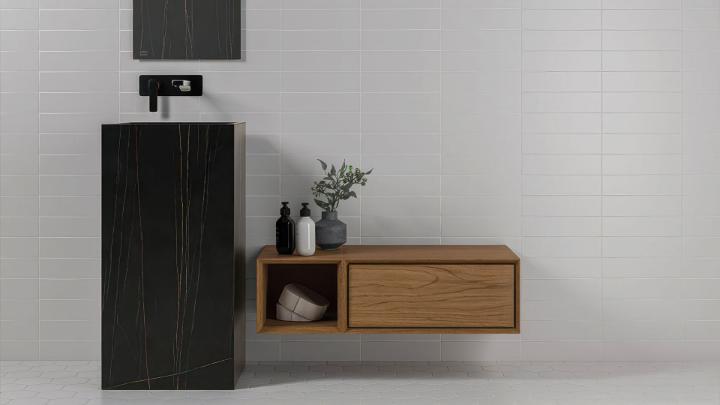
Compact bathrooms and narrow kitchens benefit strategically from specific tile dimensions. Medium-sized tiles (3x6 or 3x9 inches) installed in vertical subway tile orientation draw the eye upward, making ceilings appear higher. This technique proves invaluable in standard 8-foot ceiling heights common in older homes.
For particularly tight spaces under 40 square feet, consider these approaches:
- Use lighter colored subway tile to reflect more light
- Install tiles horizontally to widen narrow hallway bathrooms
- Select glossy finishes that bounce light around the room
- Minimize grout line contrast to create seamless visual flow
The NKBA (National Kitchen & Bath Association) recommends avoiding tiles larger than 4x12 inches in spaces under 50 square feet, as they can make rooms feel cramped rather than spacious.
Large Spaces: Making Bold Statements
Expansive kitchens exceeding 200 square feet and primary bathrooms over 100 square feet accommodate larger tile formats beautifully. Oversized 4x12-inch or 4x16-inch tiles reduce visual clutter by minimizing grout lines, creating sophisticated, gallery-like backdrops.
These dimensions pair excellently with chevron subway tile arrangements that add dynamic movement to generous wall expanses. Large-format tiles also speed up installation in spacious areas, potentially reducing labor costs despite higher material prices. The Linear 5x10 Glossy 3D Decorative Subway Tile demonstrates how substantial dimensions can introduce architectural depth through dimensional patterns.
When working with extensive square footage, establish focal points by varying tile sizes-perhaps using larger formats on main walls and smaller accent tiles in shower niches or behind ranges.
Subway Tile Size Comparison Table
Tile Size | Best For | Visual Effect | Grout Lines/SF | Installation Difficulty |
2x4" | Powder rooms, accent walls | Delicate, intricate | 16-20 | High |
3x6" | Bathrooms, kitchen backsplashes | Balanced, classic | 8-10 | Medium |
3x9" | Medium kitchens, tub surrounds | Elongated, modern | 6-8 | Medium |
4x12" | Large kitchens, commercial spaces | Bold, contemporary | 4-6 | Medium-Low |
4x16" | Feature walls, spacious bathrooms | Dramatic, minimalist | 3-4 | Low |
Pattern Considerations for Different Sizes
Traditional Running Bond Layout
The running bond pattern-where each tile offsets by half-works universally across all subway tile dimensions. This subway tile layout creates horizontal movement that naturally widens spaces when installed parallel to the floor. With standard 3x6-inch tiles, running bond feels comfortable and familiar, making it ideal for traditional and transitional design schemes.
Smaller tiles in running bond generate busier visual texture due to increased grout line frequency. This complexity adds character to otherwise simple spaces but may overwhelm rooms with multiple competing design elements. Conversely, larger tiles in running bond maintain the pattern's classic appeal while delivering contemporary minimalism.
Herringbone and Chevron Patterns
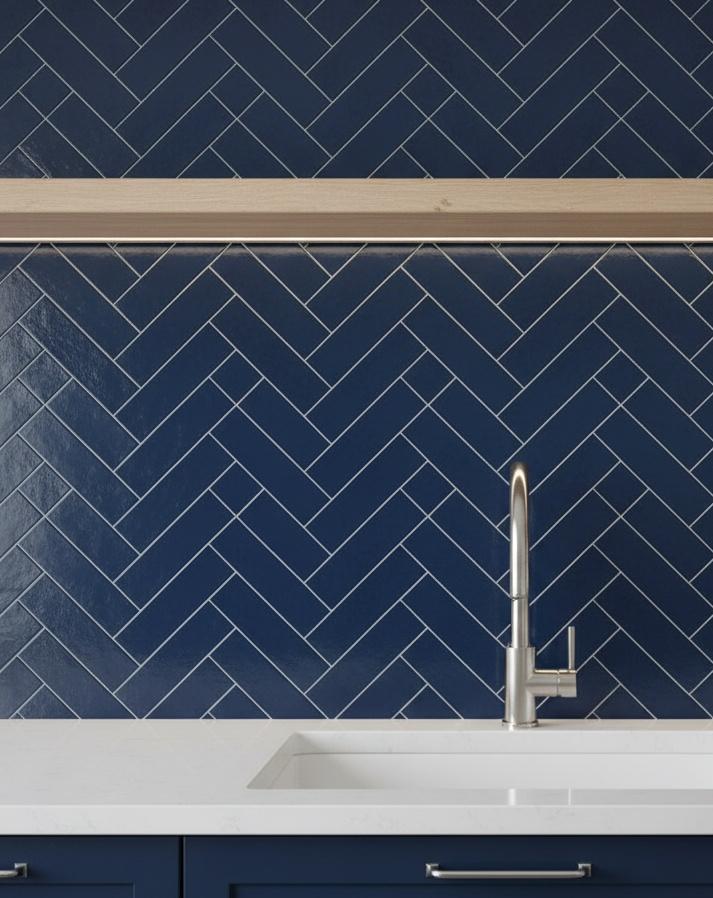
The herringbone subway tile backsplash pattern requires rectangular tiles to create its distinctive V-shaped weaving effect. This arrangement works best with tiles between 2x6 inches and 4x12 inches-dimensions that provide enough length to showcase the pattern without creating awkwardly large zigzags.
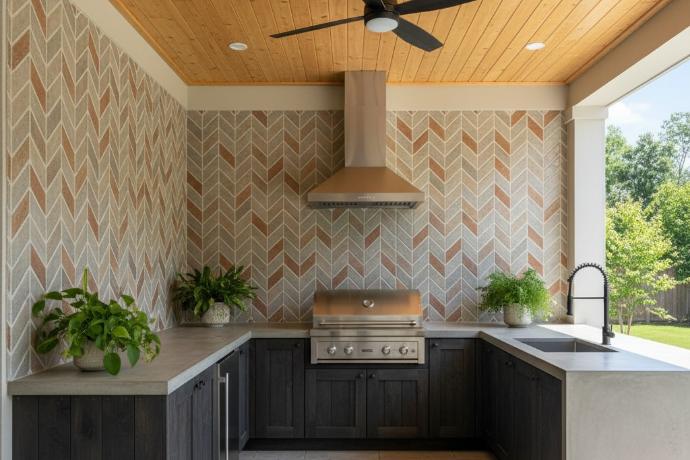
Chevron patterns differ from herringbone by using tiles cut at angles to form continuous V-shapes. This layout demands precise cuts and works optimally with 3x6-inch or 3x9-inch tiles that balance visual impact with manageable installation complexity. Both patterns add substantial visual interest and pair beautifully with neutral colored subway tiles that let the geometry shine.
According to Tile Letter, diagonal patterns like herringbone can visually expand spaces by 15-20% compared to straight layouts, making them excellent choices for modest-sized rooms.
Vertical and Basketweave Arrangements
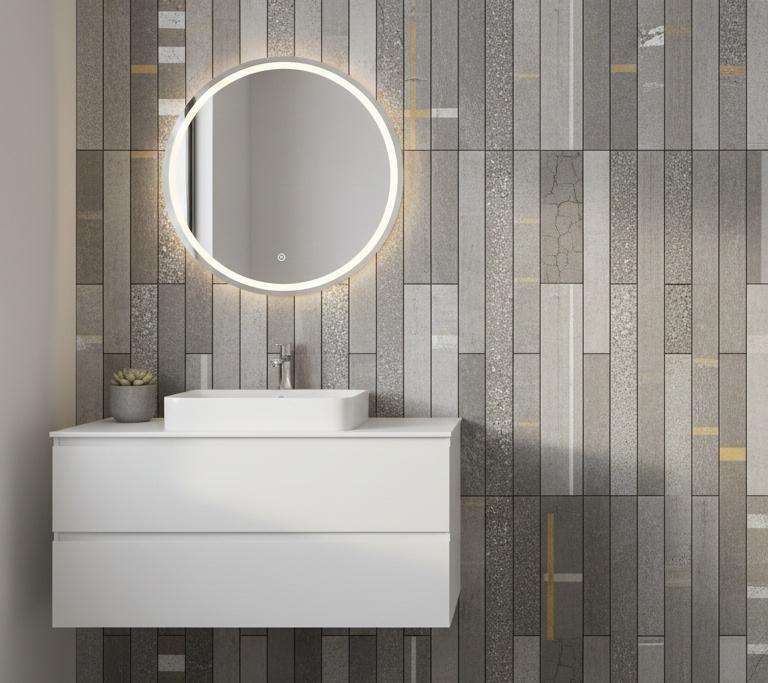
Vertical subway tile installation flips traditional expectations, stacking tiles in columns rather than rows. This orientation works exceptionally well with elongated formats (3x9-inch or 3x12-inch), dramatically emphasizing ceiling height. Designer tip: vertical installations create striking focal walls behind floating vanities or in shower enclosures.
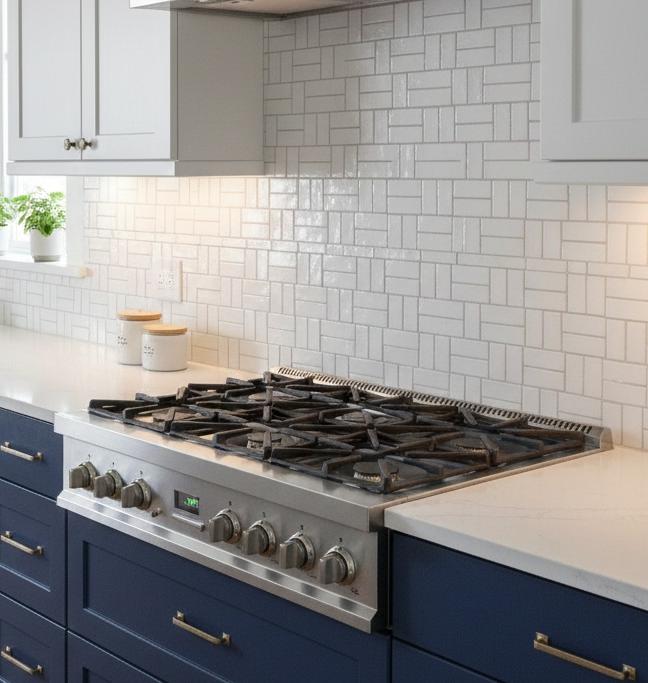
Basketweave subway tile patterns alternate horizontal and vertical tile pairs, forming woven textures reminiscent of classic basketry. This arrangement requires perfectly square or proportionally rectangular tiles-2x4-inch and 3x6-inch formats work ideally. The pattern introduces traditional charm while maintaining subway tile's inherent versatility.
Step-by-Step Guide to Selecting Your Tile Size
Step 1: Measure Your Space Accurately Document wall dimensions, noting obstacles like windows, outlets, and fixtures. Calculate total square footage and identify the longest uninterrupted wall section, which determines maximum practical tile size.
Step 2: Consider Your Design Style Match tile dimensions to your aesthetic goals. Traditional styles favor classic 3x6-inch tiles, contemporary designs embrace larger 4x12-inch formats, and eclectic spaces might mix multiple sizes. Browse tiles by style to visualize options within your preferred design language.
Step 3: Evaluate Pattern Complexity Simple running bond accommodates any tile size, while complex patterns like herringbone require specific dimensional ranges. Determine your pattern preference before finalizing size selection.
Step 4: Calculate Material and Labor Costs Request quotes for multiple tile sizes, including installation. Smaller tiles generally cost less per piece but require more labor. Explore options at Nova Tile and Stone’s tile showroom to compare pricing across various dimensions.
Step 5: Order Samples and Mock Up Purchase sample tiles in your top 2-3 size choices. Temporarily install them on your wall using painter's tape to visualize scale, grout line spacing, and overall aesthetic impact before committing to full orders.
Grout Line Considerations by Tile Size
Impact on Maintenance and Aesthetics
Grout line width and frequency directly correlate with tile dimensions. Smaller tiles create more grout lines per square foot, requiring more intensive cleaning but offering greater slip resistance-crucial for bathroom floors. The Natural Stone Institute recommends 1/16-inch grout lines for tiles smaller than 3x6 inches and 1/8-inch lines for larger formats.
Grout color dramatically affects perceived tile size. Dark grout with light tiles creates grid patterns that emphasize individual tile boundaries, making installations feel busier. Conversely, matching grout colors to tile shades minimize visual interruption, helping smaller tiles appear as more cohesive surfaces.
Cleaning and Long-Term Care
Larger tiles with fewer grout lines reduce maintenance demands significantly. A 4x12-inch tile installation might have 60% fewer grout lines than a 2x4-inch installation covering the same area, translating to less scrubbing during cleaning sessions. Review easy cleaning tips for porcelain tile to understand maintenance commitments before selecting tile size.
Professional sealing every 1-2 years protects grout from staining and moisture penetration. More grout lines mean higher sealing costs and time investment, though modern epoxy grouts resist staining better than traditional cement-based options.
Pros and Cons of Different Tile Sizes
Small Format Tiles (2x4" to 3x6")
Pros:
- Create intricate, detailed patterns
- Better conform to slightly uneven walls
- Offer excellent design flexibility
- Lower individual tile replacement cost
- Provide superior slip resistance
Cons:
- Require more installation time and labor
- Generate more grout lines needing maintenance
- Can make large spaces feel busy
- Higher total project costs due to labor
- More challenging for DIY installation
Large Format Tiles (4x8" to 4x16")
Pros:
- Deliver sleek, contemporary aesthetics
- Reduce grout line maintenance significantly
- Cover expansive areas quickly
- Create seamless, minimalist appearances
- Work well with subtle terrazzo-look tiles
Cons:
- Require extremely flat wall surfaces
- Show installation imperfections more readily
- Less forgiving around irregular fixtures
- May overwhelm smaller rooms
- Higher individual tile replacement cost
Material and Finish Considerations
Porcelain vs. Ceramic Options
Tile material affects both practical performance and aesthetic possibilities across different sizes. Porcelain tiles offer superior density and moisture resistance, making them ideal for high-traffic areas and wet locations. The difference between ceramic and porcelain tile becomes particularly relevant in subway tile applications where water exposure is constant.
Ceramic tiles provide more budget-friendly options and often come in brighter, more varied color palettes. For subway tile kitchen ideas that prioritize aesthetics over heavy-duty performance, ceramic tiles in standard sizes deliver excellent value.
Glossy, Matte, and Textured Finishes
Surface finish interacts with tile size to create distinct visual effects. Glossy finishes on smaller tiles generate sparkle and light reflection that energizes spaces, while matte finishes on larger formats convey sophisticated restraint. Textured 3D tiles work best in medium sizes (3x6 to 4x8 inches) where the dimensional pattern remains visible without overwhelming viewers.
According to the Mohs Hardness Scale, glazed tiles typically rate between 5-7, providing adequate durability for vertical applications regardless of size.
Color Psychology and Tile Size
Light Colors and Space Perception
White and light-colored subway tiles in any size reflect maximum light, making spaces feel more open and airy. However, tile dimension amplifies or moderates this effect. Large-format white tiles create expansive, gallery-like environments, while smaller white tiles introduce texture that adds warmth to potentially stark spaces.
Colored subway tiles in pastels, soft grays, and creamy whites work across all size ranges. Explore tiles by color to discover how hue selection complements dimensional choices.
Bold Colors and Dimension Balance
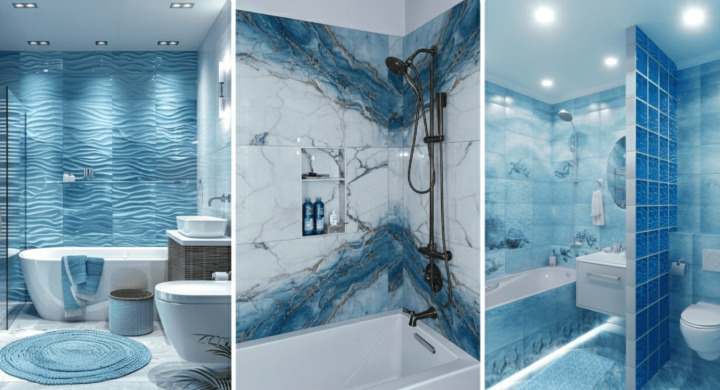
Saturated colors in large-format tiles make powerful statements that can dominate smaller rooms. When working with deep blues, emerald greens, or charcoal blacks, consider moderating tile size to 3x6 or 3x9 inches in compact spaces. This approach delivers color impact without overwhelming room proportions.
Mixing colored tiles with neutral formats creates dynamic creative backsplash ideas that balance visual interest with livability. A popular technique involves using larger neutral tiles as the field with smaller colored accent tiles in strategic locations.
Professional Installation Considerations
Working with Qualified Installers
Tile size significantly impacts installation complexity and cost. The Ceramic Tile Foundation's guide to hiring qualified installers emphasizes verifying contractor experience with your specific tile dimensions and chosen pattern. Larger tiles require advanced leveling skills, while intricate patterns with smaller tiles demand precision cutting expertise.
Request portfolio examples showing projects similar in scale and tile size to your planned installation. Experienced professionals should confidently discuss how they'll handle your space's unique challenges, from uneven walls to complex fixture placements.
Timeline and Budget Factors
Installation timelines vary dramatically based on tile size and pattern complexity. Standard 3x6-inch tiles in running bond might take 2-3 days for an average kitchen backsplash, while herringbone patterns with the same tiles could require 4-5 days. Large-format tiles generally install faster but may need additional wall preparation time.
Budget 15-30% more for labor when selecting intricate patterns or exceptionally small tiles. Visit our local showroom to discuss project specifics with knowledgeable staff who can provide realistic cost estimates based on your dimensional preferences.
Current Subway Tile Bathroom Trends
Trending Size Preferences for 2024-2025
Subway tile bathroom trends currently favor elongated formats that bridge traditional and contemporary styles. The 3x9-inch and 3x12-inch dimensions dominate design magazines and showrooms, offering the familiar subway profile with updated proportions that feel fresh and current.
Vertical installations continue gaining popularity, particularly in shower enclosures where the orientation creates spa-like ambiance. Coverings, the premier tile and stone exhibition, showcased numerous vertical applications in various sizes throughout their latest showcase.
Mixing Sizes for Visual Interest
Progressive designers increasingly combine multiple subway tile sizes within single projects. Common combinations include:
- 3x12-inch field tiles with 2x4-inch accent borders
- 4x12-inch shower walls with 3x6-inch niche details
- Large-format feature walls behind vanities with standard-size surrounding walls
- Graduated sizing that transitions from larger tiles at the bottom to smaller tiles at ceiling height
This layered approach adds architectural complexity while maintaining cohesive aesthetics through consistent color palettes and complementary finishes.
Making Your Final Decision
Selecting the perfect subway tile size requires balancing multiple factors: room dimensions, design preferences, maintenance willingness, budget constraints, and installation complexity. Start by identifying your non-negotiables-perhaps pattern type matters most, or maybe budget drives decisions.
Create a priority matrix ranking these considerations. If easy maintenance tops your list, larger tiles with minimal grout lines make sense. If achieving specific creative backsplash ideas drives your project, tile size becomes secondary to pattern possibilities.
Don't rush this decision. Quality installations last decades, making thoughtful upfront planning worthwhile. Schedule consultations at showrooms where you can see full-scale installations and touch different tile sizes to understand how dimensions affect tactile experience.
Conclusion
Choosing the right subway tile size transforms functional surfaces into design statements that enhance your home's character and value. Whether you select classic 3x6-inch tiles for their timeless versatility, petite 2x4-inch formats for intricate detail, or bold 4x12-inch planks for contemporary drama, understanding how dimensions interact with space, pattern, and maintenance needs ensures successful outcomes.
Remember that tile size affects everything from installation costs to daily cleaning routines, making it a decision worth careful consideration. Start by assessing your space's proportions, clarify your design vision, and consult with experienced professionals who can guide you through technical requirements.
Thinking about starting your subway tile project? Nova Tile and Stone provides a wide range of sizes, finishes, and colors, along with expert advice to help you choose the perfect fit for your space. Stop by our showroom or explore our subway tile collection online to find designs that bring your vision to life with confidence and style
Frequently Asked Questions
What is the most popular subway tile size?
The 3x6-inch format remains the most popular subway tile size due to its balanced proportions and versatility across both traditional and contemporary designs. This classic dimension works well in nearly any space size and accommodates multiple installation patterns, from simple running bond to complex herringbone arrangements.
Can I use large subway tiles in a small bathroom?
While possible, tiles larger than 4x8 inches can overwhelm bathrooms under 50 square feet. For compact spaces, stick with 3x6-inch or 3x9-inch tiles installed vertically to create height illusion. If you prefer larger formats in small bathrooms, use them sparingly as accent features rather than covering all walls.
Do smaller subway tiles cost more to install?
Yes, smaller tiles typically increase installation costs by 20-40% compared to larger formats because they require more individual pieces, increased cutting precision, and additional labor time. However, the tiles themselves often cost less per piece, partially offsetting higher labor expenses.
What tile size works best for herringbone patterns?
Herringbone patterns work optimally with tiles between 2x6 inches and 4x12 inches. The 3x6-inch format represents the sweet spot, providing enough length to showcase the distinctive V-shaped pattern without creating overly large zigzags that can dominate spaces.
Should grout color match my subway tile size choice?
Grout color choice depends on your desired aesthetic rather than tile size, though the relationship matters. With smaller tiles creating more grout lines, contrasting grout colors emphasize the grid pattern, while matching grout creates more cohesive appearances. Larger tiles allow bolder grout color contrasts without overwhelming visual impact.