Subway tiles are rectangular-shaped wall and floor tiles originally designed for New York subway stations, typically measuring 3x6 inches in their traditional format. These versatile tiles can be installed in multiple patterns including brick bond, herringbone, chevron, and stacked layouts, making them suitable for bathrooms, kitchens, backsplashes, and flooring applications throughout residential spaces.
Key characteristics of subway tiles include:
- Shape and Size: Compact, oblong rectangular configuration, traditionally 3x6 inches
- Materials: Available in porcelain, ceramic, terracotta, natural stone, marble, terrazzo, and reflective finishes
- Installation Patterns: Brick bond (offset), stacked (aligned), herringbone (90-degree angles), and chevron (V-shaped)
- Best Uses: Kitchen backsplashes, bathroom walls, shower surrounds, laundry rooms, and floor applications
- Orientation Options: Horizontal placement widens spaces; vertical placement increases perceived ceiling height
Installation considerations: Floor-grade subway tiles require greater thickness (typically porcelain or stone) compared to wall tiles. Professional installation ensures proper adhesive application and grout sealing for moisture resistance in wet areas.
Subway tiles have established themselves as an iconic design element that has been continuously reimagined over the decades to encompass a vast array of hues, layouts, textures and alternative configurations for a distinctive and genuine aesthetic. These enduring tiles offer numerous versatile applications throughout residential spaces as either wall or floor coverings that can be tailored to match your design preferences in terms of aesthetic and arrangement to deliver a signature finishing detail in your upcoming interior renovation.
Understanding Subway Tiles
The phrase 'subway tile' describes a particular tile aesthetic that is conventionally presented in a compact, oblong configuration or dimension. These tiles were originally developed as a sanitary answer for New York's underground transit stations where a streamlined and effortless-to-maintain wall surface was necessary to preserve the hygiene of these subterranean environments, thus providing these iconic tiles with their designation. These original subway tiles were typically a clean white featuring a basic, crisp profile, a design that remains a sought-after selection in interior styling currently. However, subway tile ranges have since expanded to feature an assortment of distinct choices, shades and even modifications of the conventional oblong configuration.
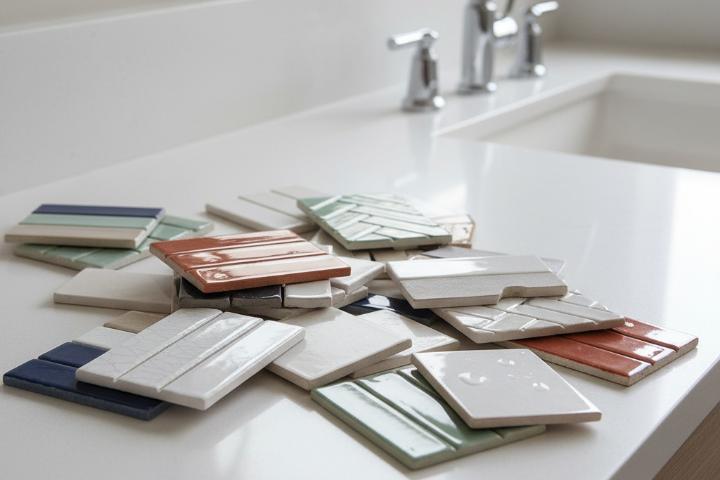
Contemporary subway tile ranges feature selections in an assortment of marble varieties, terracotta, terrazzo and even reflective surface options for an opulent element in your design palette. The basic oblong configuration has likewise been enhanced with choices now featuring elegant bevelled profiles, angular, tapered edges (resembling the configuration of a conventional picket fence) and even parallelogram alternatives that can be fitted together with adjoining tiles to form the sought-after chevron tile arrangement.

Flooring and Wall Coverings for Residential Spaces
The straightforward subway tile has historically been a preferred design choice for residential applications, serving as an exceptional floor or wall covering option in every space from culinary areas to washrooms. Due to the extensive selection of textures and shades offered in modern subway tile ranges, there is certain to be an ideal match for your next renovation or construction endeavor, with various choices being most appropriate as a flooring application as well as selections that are ideally suited as wall coverings. Subway wall coverings are particularly favored in residential washrooms, culinary spaces or utility areas where a sanitary and simple-to-maintain surface is required. Culinary backsplash tiles for instance are frequently chosen for their capacity to resist heat, discoloration or surface damage, all of which are advantages that conventional subway tiles can deliver in residential settings.
Subway tiles for flooring applications are typically constructed of porcelain, terracotta or natural stone for a resilient and long-lasting surface treatment that can handle regular use. In contrast to wall coverings, flooring tiles are typically thicker, establishing a robust and solid surface. These tiles can be installed in numerous arrangements and configurations to establish a striking design feature in residential spaces for that ideal finishing detail.

Designing Arrangements with Subway Tiles
Due to their basic oblong configuration, subway tiles can be utilized to establish numerous distinct arrangements in residential spaces, from the traditional brick bond configuration where each separate tile is offset in length to those positioned above and beneath it to the more modern stacked approaches where each tile aligns in exact symmetry to the adjacent one. Subway tiles can likewise be utilized to establish the popular chevron or herringbone tile arrangements, with parallelogram subway tiles applied for the conventional chevron arrangement and basic oblongs utilized to form the traditional herringbone aesthetic.
Establishing Visual Effects with Subway Tiles
An additional compelling method to utilize subway wall coverings in residential spaces is to experiment with positioning them vertically or horizontally in the area as a technique of establishing visual effects in residential interiors. Extending the breadth of a space is straightforward when utilizing the tile's oblong configuration lengthwise throughout the space, whether they are applied as a floor or wall treatment. This approach is likewise successful where you want to guide the occupant through a layout, with the orientation of the tiles themselves serving as a visual indicator for the movement or path of the area.
If alternatively you are seeking to establish a feeling of elevation in a space with a lower ceiling, installing your subway tiles vertically along the wall will draw the gaze upwards, establishing the perception of an elevated ceiling. Establishing a feeling of dimension or movement in a design composition becomes straightforward with the appropriate configuration and tile configuration. For additional design inspiration, explore the latest trends showcased at Coverings, the premier international tile and stone exhibition.
Subway tiles offer multiple applications throughout residential interiors serving as an outstanding culinary backsplash tile selection, utility area tile, washroom accent wall choice and even as an elegant flooring application. Based on the textures, finishes or materials chosen, these remarkably adaptable tiles from our collection can be applied in numerous methods throughout your interiors for a refined and enduring element.
Conclusion
Subway tiles remain a dependable choice for homeowners and designers seeking to combine practicality with aesthetic appeal in their interior spaces. Their adaptability across various rooms, from culinary areas to washrooms, coupled with their capacity to be arranged in multiple configurations, makes them an intelligent investment for any renovation or construction project. Whether you select traditional white rectangular tiles or opt for contemporary variations featuring bevelled edges, marble finishes, or terrazzo textures, subway tiles provide a foundation for creating spaces that are both functional and visually compelling.
By understanding how to manipulate their placement, orientation, and arrangement, you can transform ordinary surfaces into distinctive design statements that enhance the overall character of your residential interior while maintaining the timeless elegance these tiles are renowned for. For guidance on selecting the right tiles for your project, contact our knowledgeable team or explore our complete tile collection to discover options that perfectly suit your design vision.
Frequently Asked Questions
What makes subway tiles suitable for wet areas like bathrooms and kitchens?
Subway tiles are exceptionally well-suited for moisture-prone environments due to their non-porous surface characteristics, particularly when constructed from porcelain or glazed ceramic materials. Their smooth finish prevents water absorption and bacterial growth, making them a hygienic choice for washrooms and culinary spaces. Additionally, the grouted joints between tiles create a sealed barrier that protects underlying surfaces from moisture damage, while their easy-to-clean surface allows for simple maintenance with standard cleaning solutions. For tiles that meet industry standards, look for products certified under the ANSI A137.1-2022 Standard for Ceramic Tile.
Can subway tiles be used on floors, or are they only for walls?
Subway tiles can absolutely be installed on floors, provided you select appropriate materials designed for flooring applications. Floor-grade subway tiles are typically constructed from porcelain, terracotta, or natural stone, featuring greater thickness and enhanced durability compared to wall-specific varieties. These flooring options can withstand regular foot traffic and are rated for floor use, making them suitable for entryways, culinary areas, and washroom floors when properly installed with appropriate adhesives and grout. Browse tiles by size to find floor-rated options or learn more about certification standards through the Ceramic Tile Distributors Association.
What is the difference between herringbone and chevron patterns with subway tiles?
While both patterns create striking visual interest, herringbone and chevron arrangements differ in their tile configuration and cutting requirements. Herringbone patterns utilize standard rectangular subway tiles positioned at 90-degree angles to one another, creating a staggered, interlocking appearance without requiring custom cuts. Chevron patterns, conversely, require parallelogram-shaped tiles or specially cut rectangles that meet at precise angles to form continuous V-shaped lines across the surface, resulting in a more structured and geometric aesthetic. The Imagine 3x12 Matte Porcelain Subway Tile works beautifully in either pattern, and you can explore professional layout tips and techniques for optimal installation results.
How do I choose between laying subway tiles horizontally or vertically?
The orientation decision should be guided by your spatial objectives and the proportions of your room. Horizontal installation elongates wall surfaces and makes narrow spaces appear wider, making this approach ideal for compact washrooms or galley-style culinary areas. Vertical installation draws the eye upward, creating the illusion of increased ceiling height in rooms with lower ceilings. Consider the natural flow of your space and which dimension you wish to emphasize when making your orientation selection. Explore products we carry to find the perfect dimensions for your layout strategy, and consult with National Kitchen and Bath Association guidelines for design best practices.
Are subway tiles only available in white, or can I find other colors and finishes?
Contemporary subway tile collections have expanded far beyond the traditional white ceramic format to include an extensive spectrum of colors, materials, and surface treatments. Modern options encompass marble varieties in various natural tones, terracotta in warm earth shades, terrazzo with embedded aggregates, and even metallic or reflective finishes for dramatic effect. Surface treatments now include matte, glossy, bevelled, textured, and antiqued finishes, allowing you to customize your selection to complement any design aesthetic from industrial to traditional to contemporary styles. The Linear 5x10 Glossy 3D Decorative Subway Tile exemplifies modern innovation in subway tile design. Learn more about us and visit our local showroom to experience the full range of colors and finishes in person.