Subway tiles increase home value by combining timeless design appeal with exceptional durability, making them a smart investment for kitchens and bathrooms. These rectangular tiles deliver measurable returns through their proven longevity, universal buyer appeal, and ability to complement any design style from traditional to contemporary. Real estate professionals consistently cite updated kitchens and bathrooms featuring subway tile layouts as top value drivers that resonate with buyers.
The enduring popularity of subway tiles stems from their remarkable versatility. Originally designed for New York City's subway system in the early 1900s, these tiles have evolved into a design staple that transcends temporary trends. Today's homeowners can explore modern tile styles ranging from classic white ceramics to bold colored porcelain and creative backsplash ideas showcasing pattern possibilities. The rectangular shape naturally draws the eye across surfaces, making rooms appear larger while creating clean lines.
This guide examines specific ways subway tiles enhance property value, explores creative installation approaches like herringbone subway tile backsplash and chevron subway tile patterns, and provides actionable strategies for planning renovations that deliver strong returns.
Durability That Protects Your Investment
Subway tiles excel in long-term performance, a critical factor when evaluating renovation value. The dense ceramic and porcelain construction resists chips, cracks, and surface damage far better than painted walls or lower-quality materials. This durability translates directly to reduced maintenance costs over your home's lifetime. Quality tiles manufactured to current ANSI standards undergo rigorous testing for strength and wear resistance.
The non-porous surface prevents water infiltration, protecting wall structures from moisture damage that compromises property value. This characteristic proves particularly valuable in kitchens and bathrooms where humidity and splashes occur regularly. Color stability represents another durability advantage since glazed subway tiles retain their original appearance for decades without fading or yellowing like painted surfaces.
Creative Pattern Applications That Stand Out
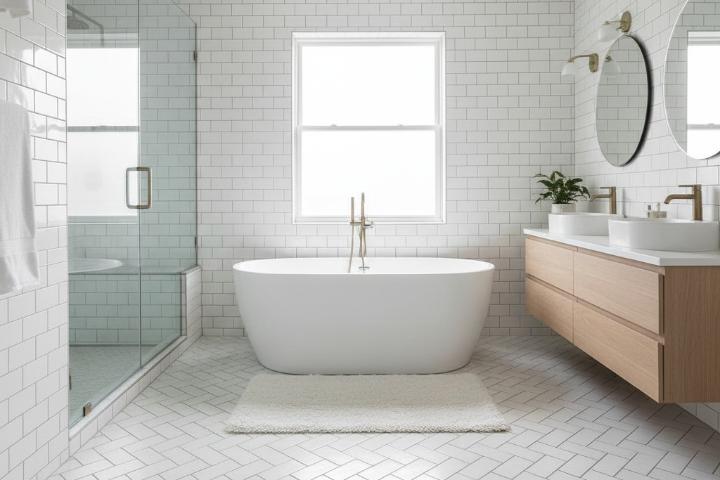
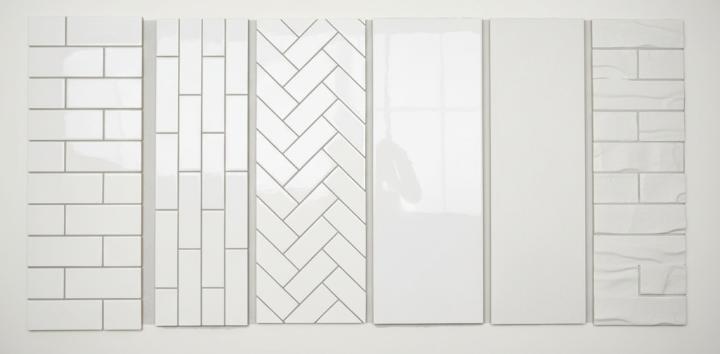
Strategic subway tile patterns create memorable visual impact that elevates perceived home value. The herringbone subway tile backsplash arrangement introduces dynamic movement through its distinctive V-shaped pattern, catching light from multiple angles and adding sophisticated texture. This layout requires approximately 15% more tiles than standard brick patterns but delivers striking results that differentiate your space.
Vertical subway tile installations maximize ceiling height perception, a valuable technique in homes with standard eight-foot ceilings. The continuous vertical lines guide eyes upward, creating an illusion of added space that enhances room proportions. This approach works particularly effectively in shower enclosures and powder rooms where compact dimensions benefit from height emphasis.
Chevron subway tile patterns deliver bold geometric impact through precise angled arrangements. Unlike herringbone patterns where tiles meet at right angles, chevron installations cut tiles at precise angles to create continuous zigzag lines. This technique creates premium visual interest that signals attention to design detail, a quality buyers associate with well-executed renovations.
Basketweave subway tile layouts combine rectangular tiles with small square accents to create woven visual textures. This traditional pattern gained popularity in mid-century bathrooms and has experienced renewed interest among homeowners seeking character without sacrificing clean lines. The stack bond pattern arranges tiles in perfect grid formation, creating contemporary geometric impact that appears in high-end design projects. According to professional layout guidance, planning grout lines as deliberately as tile placement achieves optimal results.
Color Selections That Influence Buyer Appeal
White subway tile maintains its position as the most universally appealing option for resale value, but strategic color choices can differentiate your property in competitive markets. Classic white creates a neutral foundation that buyers visualize personalizing with their own accents. The bright, clean appearance suggests well-maintained spaces and allows natural light to reflect effectively.
Colored subway tile installations inject personality while maintaining broad appeal when executed thoughtfully. Soft blue-green tones evoke spa-like serenity in bathrooms, tapping into wellness trends that resonate with contemporary buyers. Warm beige and taupe options provide subtle warmth without the stark brightness of white, creating inviting atmospheres in kitchens where families gather.
Black and dark gray subway tiles create dramatic contrast that elevates design sophistication when balanced properly with lighter elements. These darker options work exceptionally well in powder rooms or as accent walls where their bold presence creates memorable impressions. Subway tile with dark grout produces seamless monochromatic effects that emphasize geometric patterns.
The finish selection carries equal importance to color choice. Glossy subway tiles amplify light reflection, brightening spaces while creating dynamic visual interest. Matte finishes offer subtler sophistication through understated elegance, reducing glare while maintaining clean lines. When considering options, review tiles organized by color to understand how different shades photograph under various lighting conditions.
Size Variations That Match Your Space
Subway tile dimensions significantly influence spatial perception and installation costs. The traditional 3x6-inch format established the standard through balanced proportions and efficient coverage. This size works universally across applications, from small powder rooms to expansive kitchen walls.
Larger subway tiles measuring 4x12 or 4x16 inches create contemporary aesthetics through elongated proportions. These oversized formats reduce grout line frequency, creating cleaner visual fields that emphasize the tiles themselves. Mini subway tiles measuring 1x3 or 2x4 inches introduce intricate detail that elevates perceived craftsmanship, excelling in accent applications where detailed patterning creates focal points. Explore tiles organized by size to understand available dimensions.
Material Comparison: Ceramic vs Porcelain
Understanding material differences helps optimize renovation investments. Ceramic subway tiles offer excellent value through balanced performance and affordability. The clay-based composition produces vibrant colors and glossy finishes at accessible price points, making ceramic suitable for wall applications in kitchens and bathrooms.
Porcelain tiles deliver superior density and durability through refined clay composition and higher firing temperatures. The resulting low porosity makes porcelain exceptional for areas with heavy moisture exposure or high traffic. Porcelain's through-body color construction means chips reveal matching material rather than contrasting substrates.
Porcelain's lower water absorption rate makes it the superior choice for shower walls and floors where constant moisture exposure occurs. Ceramic's slightly higher absorption remains perfectly adequate for kitchen backsplashes and bathroom accent walls. Ceramic typically costs 20-40% less than comparable porcelain options, allowing budgets to cover larger areas. Review quality tile options to understand the range within both categories.
Professional Installation Value
Proper installation profoundly impacts subway tile longevity and appearance. Professional tile setters bring expertise in substrate preparation, layout planning, and precise execution. According to the Ceramic Tile Foundation's hiring guidance, qualified installers understand critical factors like waterproofing requirements and proper thinset selection that prevent future failures.
Experienced professionals assess wall flatness, identify potential moisture issues, and address structural concerns before setting tiles. This preparatory work creates stable foundations that prevent cracking and premature failure. Layout planning by skilled installers optimizes tile placement to minimize awkward cuts at room edges and fixtures, ensuring symmetrical layouts that appear intentional. When installed according to ANSI A108/A118/A136 standards, tiles create a protective barrier that reinforces wall surfaces.
Organizations like the National Kitchen and Bath Association maintain directories of certified professionals who adhere to industry best practices. Quality installation represents a critical component of renovation value.
Design Coordination for Maximum Impact
Successful subway tile renovations consider how tiles interact with surrounding elements. Coordinate tile selections with cabinet finishes, countertop materials, and fixture styles to develop harmonious designs. White subway tiles pair universally with any cabinet color, providing flexibility for future updates.
Contemporary kitchen designs often feature subway tile backsplashes extending to cabinet height, creating clean transitions between countertops and wall cabinets. Consider how grout color choices influence the overall color palette, ensuring harmony with countertop veining or cabinet hardware finishes.
Lighting design significantly impacts subway tile appearance. Glossy tiles sparkle under focused task lighting, creating dynamic surfaces that enhance perceived luxury. Position under-cabinet lighting to highlight kitchen backsplash installations, emphasizing the tile texture and pattern. Browse comprehensive shopping options to coordinate multiple materials within single renovation projects.
Current Trends Worth Considering
Contemporary subway tile trends emphasize larger formats and reduced grout line visibility for streamlined modern aesthetics. Oversized subway tiles measuring 4x16 inches or larger create expansive, uninterrupted surfaces that align with minimalist design principles.
Colored grout has emerged as a bold design element that creates graphic impact beyond traditional white or gray options. Deep charcoal or navy blue grout formulations introduce unexpected visual interest while maintaining subway tile's fundamental simplicity.
Textured and three-dimensional subway tiles add tactile interest through subtle surface variations. Beveled edges or rippled faces catch light dynamically while maintaining the essential rectangular subway shape. Mixed finish installations combine glossy and matte tiles to create sophisticated tonal variations. According to current bathroom trends, subway tiles continue dominating renovation projects while evolving through pattern innovations.
Cost Considerations and Return on Investment
Subway tile renovation costs vary significantly based on material quality, installation complexity, and project scope. Basic ceramic materials typically range from $2-8 per square foot, while premium porcelain options extend from $8-20 per square foot. Installation labor generally costs $10-25 per square foot depending on pattern complexity.
Return on investment for subway tile renovations depends on current property condition and local market expectations. Updated kitchens and bathrooms typically recover 60-80% of renovation costs at sale time, with well-executed projects sometimes exceeding 100% recovery in competitive markets. According to tile material basics, ceramic and porcelain contain no harmful chemicals, a feature increasingly valued by buyers.
The annual Coverings trade show showcases emerging trends, but classic approaches typically outperform trendy installations for renovation projects focused on resale value. Understanding tile durability standards helps set realistic expectations for performance.
How to Choose Subway Tiles for Your Project
Step 1: Assess Your Space and Goals Measure the areas requiring tile coverage and photograph current conditions. Identify whether the renovation targets personal enjoyment or near-term resale, as this influences material and design choices.
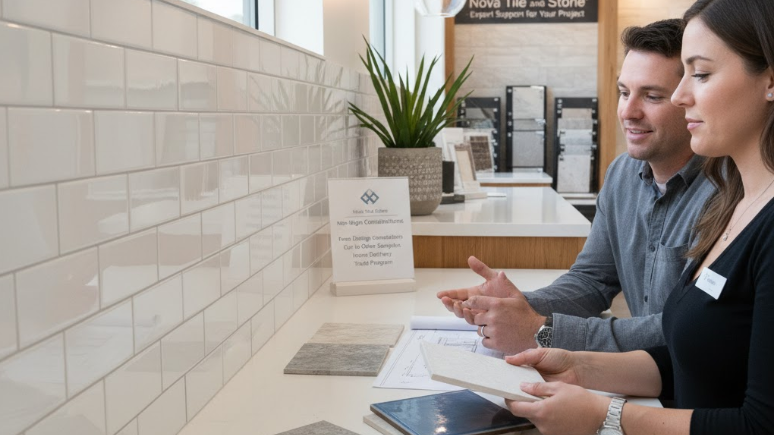
Step 2: Research Design Options Collect inspiration images representing installations that appeal to you. Visit local showrooms to view physical samples under various lighting conditions.
Step 3: Select Materials Based on Application Choose between ceramic and porcelain based on your specific installation location.
Step 4: Plan Layout and Pattern Sketch your preferred installation pattern and calculate material quantities including 10-15% overage for cuts and future repairs.
Step 5: Schedule Professional Installation Interview multiple contractors, requesting references and portfolio examples. Verify licensing and insurance appropriate for your project scope.
Maintenance That Preserves Value
Proper maintenance keeps subway tile installations looking fresh. The smooth, non-porous surface of glazed tiles resists dirt accumulation and cleans easily with standard household products. Regular wiping prevents buildup that might dull finishes.
Grout maintenance proves more critical than tile care. Sealing grout lines annually protects against staining and moisture penetration, particularly important in bathrooms and kitchen backsplashes. This simple preventive maintenance preserves the crisp appearance that defines new-looking installations.
Minor repairs maintain installation integrity. Cracked or loose tiles should receive immediate attention to prevent water infiltration behind surfaces. Professional repair services can match existing tiles and restore damaged areas invisibly.
Subway tiles represent smart renovation investments that deliver measurable value through proven durability, universal appeal, and remarkable design versatility. From subway tile kitchen ideas to subway tile bathroom trends, these rectangular classics continue demonstrating their value in home renovations.
The key to maximizing value lies in thoughtful material selection, professional installation, and strategic design coordination. Whether updating a single kitchen backsplash or renovating multiple bathrooms, subway tiles provide reliable foundations for projects balancing immediate enjoyment with eventual sale considerations.
Ready to explore subway tile options for your renovation project? Contact our team to discuss your specific goals and discover materials that will maximize your property value. Browse available tile types or visit our Northern Nevada and California showrooms to experience quality tiles in person. Start shopping to explore our complete selection including popular options like the Lucida 3x9 Glossy Ceramic Subway Tile and the Montera 2.5x9 Glossy Porcelain Subway Tile.
Frequently Asked Questions
Do subway tiles increase home value?
Yes, subway tiles typically increase home value by improving kitchen and bathroom aesthetics with materials buyers recognize as quality and durable. Well-executed installations in key areas often recover 60-80% of costs at sale time, with some projects exceeding 100% recovery in strong markets. The universal appeal and proven longevity make them safer renovation investments than trend-driven alternatives.
What subway tile pattern adds the most value?
Classic horizontal brick patterns add the most reliable value due to their timeless appeal and broad buyer acceptance. However, herringbone and chevron patterns can command premium interest in contemporary markets where design sophistication influences buyer decisions. The optimal pattern depends on your local market preferences and whether you prioritize safe appeal or distinctive character.
Are subway tiles still popular in 2025?
Subway tiles remain highly popular in 2025, continuing their decades-long dominance in kitchen and bathroom design. While specific trends within the category evolve such as larger formats and colored grout variations the fundamental rectangular shape and clean aesthetic maintain strong appeal across demographic segments. Their enduring popularity reflects versatile design compatibility rather than temporary trend status.
Should I choose ceramic or porcelain subway tiles?
Choose porcelain for high-moisture areas like shower walls and floors where superior water resistance justifies higher costs. Select ceramic for kitchen backsplashes and bathroom accent walls where adequate moisture resistance combines with lower material costs. Both materials deliver excellent value when matched to appropriate applications, with installation quality impacting performance more than material category.
What color subway tiles are best for resale?
White subway tiles offer the safest resale choice due to their universal appeal and compatibility with any design scheme. Soft neutral colors like light gray, beige, or pale blue-green can differentiate properties while maintaining broad acceptance. Avoid highly saturated or unconventional colors unless your local market demonstrates strong preference for bold design choices.