Walking on freshly installed subway tiles too soon can cause serious damage including shifted tiles, cracked surfaces, and adhesive failure that may require complete reinstallation.
Minimum Wait Times for Subway Tiles
The safe waiting period before walking on newly installed subway tiles depends on several factors:
- Ceramic tiles: 24-48 hours minimum
- Porcelain tiles: 48-72 hours minimum
- Natural stone tiles: 48-72 hours minimum
- High-moisture areas: Up to 7 days for complete curing
Why Two Hours Is Not Enough
Two hours provides insufficient time for the adhesive or thin-set mortar to properly bond with your substrate. During this critical early curing phase:
- Adhesive remains wet and unstable
- Weight and pressure disrupt the bonding process
- Tiles can shift out of alignment
- Grout lines may become uneven
- Surface cracks can develop
Key Factors That Affect Drying Time
Several variables influence how long you must wait before walking on your subway tile installation:
- Tile material - Porcelain takes longer than ceramic due to higher density
- Room temperature - Colder environments extend curing time significantly
- Humidity levels - High moisture in the air slows the drying process
- Ventilation - Poor airflow traps moisture and delays curing
- Installation method - Thin-set mortar versus adhesive have different cure times
Understanding these factors helps you plan your installation timeline correctly and avoid costly mistakes. This comprehensive guide explains everything you need to know about proper curing times, environmental conditions, and long-term care to ensure your subway tile installation succeeds.
Critical Factors That Determine Drying Time
Multiple elements work together to determine how quickly your subway tiles will be ready for use. Recognizing these factors allows you to plan your installation timeline accurately and avoid costly mistakes.
How Tile Thickness Impacts Curing
Tile thickness plays a crucial role in determining wait times. Thicker tiles retain significantly more moisture during installation, extending the required drying period before you can safely walk on them. Commercial projects and outdoor applications typically use thicker, more substantial tiles that demand longer curing times. Residential installations often feature thinner subway tiles that cure faster, allowing homeowners to complete their projects more quickly.
Choose your tile thickness based on both your aesthetic preferences and your project timeline. Thicker tiles provide enhanced durability but require patience during the curing process.
Environmental Conditions You Must Consider
Your installation environment dramatically affects how quickly tiles dry and set properly:
Temperature Management Warmer temperatures accelerate the drying process, but excessive heat creates problems. Rapid, uneven drying can cause surface cracks and compromise tile integrity. Cold environments slow the curing process significantly, particularly with dense porcelain materials. Maintain moderate, consistent temperatures throughout your installation area.
Humidity Control High moisture levels in the air extend drying times by slowing moisture evaporation from adhesives and grout. In humid climates, deploy dehumidifiers to maintain optimal conditions for faster, more reliable curing. Monitor humidity levels throughout the installation process according to industry standards for ceramic tile installation.
Adequate Ventilation Proper airflow remains essential for successful tile installation. Stagnant air traps moisture near the surface, dramatically prolonging drying times. Create cross-ventilation using fans or opening windows to promote consistent air movement. Well-ventilated spaces ensure even drying and prevent adhesive problems.
Account for these environmental factors when planning your installation schedule. Adjust your timeline based on current weather conditions and your workspace characteristics.
Understanding Different Subway Tile Materials
The material composition of your subway tiles significantly impacts curing requirements. Each tile type presents unique characteristics that determine proper installation procedures and waiting periods.
Ceramic Tile Installation
Ceramic tiles rank among the most popular choices for homeowners due to their affordability and versatility. These tiles generally cure faster than natural stone alternatives, making them excellent options for kitchens, bathrooms, and living spaces. Proper ventilation accelerates the drying process, allowing moisture to escape efficiently and ensuring secure bonding to the substrate.
Plan for adequate air circulation when working with ceramic tiles. This simple step reduces overall drying time and produces superior installation results. For guidance on ceramic versus porcelain differences, consult expert resources before selecting your material.
Porcelain Tile Considerations
Porcelain tiles offer exceptional durability and density compared to standard ceramic options. Their refined composition makes them ideal for high-traffic areas including kitchens, bathrooms, and outdoor installations. The increased density of porcelain requires extended curing times, especially in cooler environments. Consider options like our matte porcelain subway tile for a refined, contemporary look.
Account for longer wait times when selecting porcelain tiles for your project. These premium materials demand patience but deliver unmatched longevity and performance. Allow complete curing before subjecting porcelain installations to regular use.
Natural Stone Tile Requirements
Natural stone tiles, including marble, granite, and slate, bring luxury and elegance to any space. However, their porous nature absorbs more moisture during installation, requiring extended curing periods. Proper sealing becomes critical when working with natural stone, protecting tiles from moisture infiltration and staining in high-humidity environments like bathrooms and kitchens.
Take extra precautions with natural stone installations. Apply quality sealers and extend curing times beyond standard recommendations to ensure lasting beauty and protection. Consult the Natural Stone Institute for specific care guidelines for different stone types.
Proven Installation Methods
Your chosen installation method directly affects curing time and long-term tile performance. Select the appropriate technique for your specific project requirements and tile type. For distinctive design elements, explore options like 3D decorative subway tiles that add texture and visual interest.
Thin-Set Mortar Application
Thin-set mortar represents the industry standard for installing ceramic and porcelain subway tiles. This method creates strong, reliable bonds and typically cures within 24-48 hours under proper conditions. Actual drying time varies based on humidity levels, temperature, and ventilation quality.
Ensure adequate ventilation when using thin-set mortar. Follow manufacturer specifications for mixing ratios and application thickness, and review professional tile layout tips to achieve optimal results. Allow recommended curing time before permitting foot traffic on newly installed tiles.
Adhesive Installation Options
Adhesive offers an alternative installation method, though it sees less frequent use than thin-set mortar. Adhesive drying times can extend beyond mortar, depending on tile characteristics and application thickness. Like mortar, proper ventilation accelerates the curing process. Always consult manufacturer guidelines for optimal results.
Consider your project timeline when choosing between adhesive and thin-set mortar. Each method has appropriate applications based on materials we carry and installation location.
Grout Application and Curing
Grouting serves dual purposes: securing tiles in position and protecting against moisture penetration. Proper grout selection and curing directly impact installation longevity. For optimal protection, consider implementing tile edge protection techniques during installation.
Traditional Grout Standards
Traditional grout typically requires 24-48 hours to cure completely. During this critical period, avoid walking on tiles or placing furniture in the installation area. Properly cured grout maintains tile position and prevents future issues including water damage and loose tiles.
Respect recommended curing times for grout. Rushing this process compromises your entire installation and may require costly repairs.
Epoxy Grout Benefits
Epoxy grout provides superior durability and exceptional resistance to stains and moisture. This makes it perfect for high-traffic areas and moisture-prone locations like bathrooms. While epoxy grout requires extended curing time, typically up to 72 hours, its enhanced strength justifies the additional wait for spaces demanding maximum protection.
Invest in epoxy grout for installations requiring premium performance. The extended curing time pays dividends in long-term durability and reduced maintenance needs. If you're working on a bathroom renovation project, epoxy grout offers the best protection for moisture-rich environments.

Essential Guidelines for New Tile Installations
Knowing when to safely walk on freshly installed subway tiles preserves installation quality and appearance. Follow these proven guidelines to protect your investment.
Recommended Waiting Periods
Regardless of tile material, wait a minimum of 24-48 hours before walking on newly installed subway tiles. This period allows adhesive or mortar to set properly, preventing damage to your installation. Natural stone tiles may require 48-72 hours due to their porous characteristics. Larger tiles or high-moisture environments may demand up to one week for complete curing.
Plan your project timeline to accommodate proper curing periods. Patience during installation prevents expensive repairs later. Consider browsing our complete tile collection to select materials that match your project schedule.
Recognizing Proper Curing
Before walking on your subway tiles, verify complete curing by checking key indicators. Grout should feel firm to the touch, and tiles should remain stable without any movement. Visible moisture beneath or around tiles signals ongoing curing. Wait until all signs of moisture disappear before using your newly tiled space.
Test tiles carefully before resuming normal activities. Confirming complete curing protects your installation from premature damage. Professional installers certified through tile contractor programs follow strict protocols to ensure proper curing before project completion.
Long-Term Care for Subway Tile Floors
Once tiles have fully cured, ongoing maintenance preserves their appearance and extends their lifespan. Implement these care strategies to keep your subway tiles looking beautiful.
Establish Regular Cleaning Routines
Maintain your porcelain subway floor tiles by sweeping or vacuuming regularly to remove dirt and debris that could cause scratches. For routine cleaning, use mild detergent mixed with warm water, avoiding harsh chemicals that damage tile finishes or weaken grout lines. Consistent maintenance prevents grime accumulation, especially in grout lines, keeping your subway tiles pristine.
Create a regular cleaning schedule appropriate for your household traffic patterns. Consistent care maintains tile beauty with minimal effort. When selecting your tiles, explore our subway tile color options to find shades that complement your cleaning routine and lifestyle.
Implement Scratch Prevention Measures
Protect your subway tiles from scratches by placing felt pads or protective covers under furniture legs, particularly heavy items like tables and chairs. When relocating furniture, lift pieces instead of dragging them across tile surfaces to prevent abrasion. Position doormats at entryways to reduce dirt and debris that can scratch tiles over time.
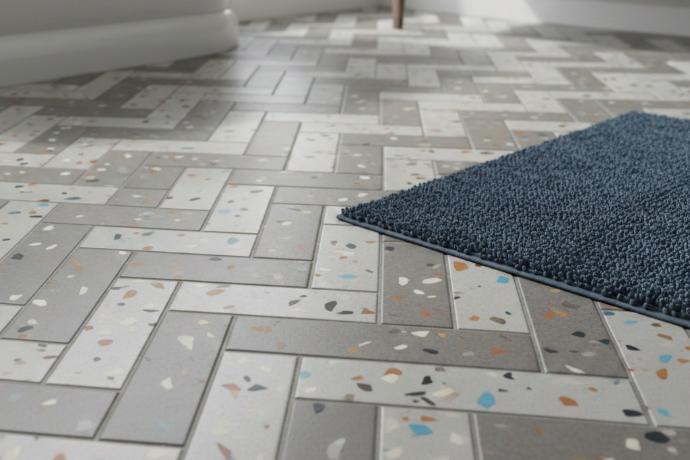
Take proactive steps to prevent tile damage. Simple protective measures dramatically extend tile lifespan and appearance. For unique design options, consider terrazzo-look tiles that naturally camouflage minor surface wear while adding contemporary style.
Guard Against Staining
For natural stone subway tiles, regular sealing prevents stains and moisture absorption. Reseal according to manufacturer recommendations and clean spills immediately to avoid permanent staining. Avoid acidic cleaners like vinegar or lemon juice, which erode natural stone surfaces and cause long-term damage.
Treat natural stone tiles with appropriate care products. Proper maintenance preserves their natural beauty indefinitely. For additional design options across all tile types, browse our tiles by color selection. For design inspiration and style guidance, visit resources like the National Kitchen & Bath Association or attend industry events such as Coverings, the premier tile and stone exhibition.
Conclusion
Successfully installing subway tiles requires understanding and respecting proper curing times. Walking on tiles after just two hours of installation can severely compromise your project, leading to shifted tiles, cracked surfaces, and failed adhesive bonds. Following manufacturer guidelines and accounting for environmental factors ensures your installation cures properly and delivers lasting results.
Whether you're working with ceramic, porcelain, or natural stone subway tiles, patience during the curing process protects your investment and prevents costly repairs. By implementing proper care routines after installation, your subway tiles will maintain their beauty and functionality for decades. Take the time to plan your project timeline carefully, allowing adequate curing periods for both adhesive and grout. Your attention to proper installation procedures and maintenance practices ensures stunning, durable results you'll enjoy for years to come.
Ready to start your subway tile project? Visit Nova Tile and Stone's showrooms in Reno, Minden, Sacramento, or Fernley to explore our extensive selection.
Take advantage of our $1 sample program to test tiles in your space before committing to your purchase. Schedule a free design consultation with our experts to ensure your installation succeeds from start to finish.
Featured Products
Frequently Asked Questions
What happens if I walk on subway tiles before they're fully cured?
Walking on tiles too early can cause multiple problems including shifted tile positions, cracked surfaces, and compromised adhesive bonds. The weight and pressure from foot traffic disrupts the curing process, creating uneven surfaces and potentially requiring complete reinstallation. Always wait the recommended minimum of 24-48 hours, or longer for natural stone and porcelain tiles, before allowing any foot traffic on newly installed subway tiles.
Can I speed up the drying process for my subway tile installation?
While you cannot dramatically accelerate curing times, you can optimize conditions to ensure efficient drying. Improve ventilation by using fans or opening windows to promote air circulation. Maintain moderate temperatures between 65-75°F, avoiding excessive heat that can cause uneven drying. In humid climates, deploy dehumidifiers to remove excess moisture from the air. Never apply artificial heat sources directly to tiles, as this can cause cracking and damage.
How do I know when my subway tiles are completely cured and safe to walk on?
Several indicators confirm complete curing: grout should feel firm and dry to the touch, tiles should remain completely stable without any movement when gently pressed, and no visible moisture should appear beneath or around tiles. The adhesive color typically lightens as it dries, providing a visual cue. When in doubt, wait an additional 24 hours beyond the recommended time. Patience prevents expensive repairs and ensures lasting installation quality.
Do different rooms require different curing times for subway tiles?
Yes, room characteristics significantly affect curing times. Bathrooms and kitchens with higher humidity levels require extended curing periods compared to drier spaces like entryways or living rooms. Basement installations in naturally damp environments need additional time for proper curing. Outdoor installations face varying conditions based on weather and temperature, often requiring the longest curing periods. Always adjust your timeline based on specific environmental conditions in your installation area.
Should I avoid certain activities besides walking during the curing period?
During the curing period, refrain from all activities that could disturb your installation. Avoid placing furniture, rugs, or decorative items on tiles. Don't clean or wash tiles until adhesive and grout have fully cured. Prevent pets and children from accessing the installation area. Maintain consistent room temperature and avoid opening windows if outdoor humidity is high. Once proper curing is complete, gradually resume normal activities, starting with light foot traffic before introducing heavier furniture and equipment. For more guidance on tile selection and care, explore our complete range of tile styles or learn more about Nova Tile and Stone.