Subway tile layouts can transform any space from ordinary to extraordinary without draining your wallet. The secret lies not in expensive materials, but in strategic installation patterns and smart design choices that create visual impact. Whether you're renovating a kitchen backsplash or updating a bathroom, modern subway tile patterns offer endless possibilities for achieving that designer look at a fraction of the cost.
The beauty of subway tiles is their versatility. These classic rectangular tiles have graced walls for over a century, yet they continue to evolve with contemporary design trends. Today's homeowners are discovering that creative backsplash ideas using affordable subway tiles can rival high-end installations when executed thoughtfully. From chevron subway tile arrangements to unexpected color combinations, the right approach can elevate your space dramatically.
This guide reveals professional techniques for maximizing the visual impact of budget-friendly subway tiles. You'll discover how installation patterns, grout choices, and color selections can create depth, texture, and sophistication. Get ready to explore practical strategies that deliver luxury aesthetics without the premium price tag.
Why Subway Tiles Work for Budget-Conscious Design
Subway tiles remain a designer favorite for good reason. Their rectangular shape and modest size make them incredibly affordable compared to larger format tiles or specialty materials. A standard 3x6-inch subway tile costs significantly less per square foot than most decorative options, yet the installation possibilities are limitless.
The economic advantage extends beyond the tile itself. Because subway tiles are industry standards, they're widely available at various retailers and specialty stores, keeping prices competitive. This widespread availability also means easier replacement if needed and consistent quality across different price points. The manufacturing standards ensure that even budget-friendly options meet durability requirements.
Another cost-saving factor is installation efficiency. Professional installers are familiar with subway tile work, which can reduce labor costs compared to more complex tile types. The straightforward rectangular shape means less waste during cutting and fitting, translating to material savings. When you explore tiles by type, you'll notice subway tiles consistently offer better value per square foot.
Material Options That Stretch Your Budget
Ceramic subway tiles represent the most economical choice while still delivering excellent performance. These tiles suit most residential applications, particularly in kitchens and bathrooms where they resist moisture effectively. Understanding the difference between ceramic and porcelain helps you make informed decisions based on your specific needs and budget constraints.
Porcelain subway tiles cost slightly more but offer superior durability and stain resistance. For high-traffic areas or spaces requiring extra durability, the modest price increase justifies the long-term benefits. Porcelain's advantages become particularly valuable in commercial settings or busy family kitchens where performance matters.
The finish you choose also impacts your budget. Glossy finishes typically cost less than matte or textured options, yet they reflect light beautifully, making spaces appear larger. Consider products like the Imagine 3x12 Matte Porcelain Subway Tile for a contemporary look that balances cost and style.
Pattern Strategies That Create High-End Impact
Herringbone Subway Tile Backsplash
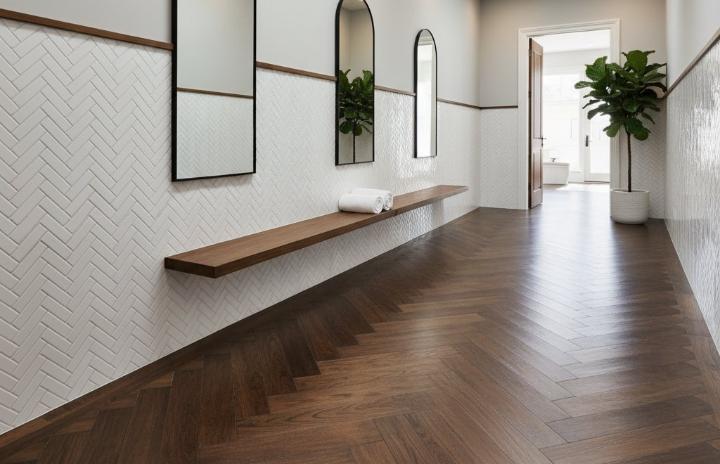
The herringbone subway tile backsplash stands out as one of the most impactful layout patterns. This diagonal arrangement creates dynamic visual movement that draws the eye and adds architectural interest. Despite its sophisticated appearance, herringbone uses the same affordable tiles as traditional layouts, with the pattern itself creating the luxury effect.
Installation requires precision, as each tile angles at 45 degrees to create the characteristic V-shaped weaving pattern. While this increases labor time slightly, the dramatic result justifies the modest additional cost. The pattern works exceptionally well in narrow spaces, as the diagonal lines create an illusion of width.
Herringbone particularly shines in kitchen backsplashes where the pattern adds energy and personality. The continuous zigzag pattern eliminates the horizontal lines that can make spaces feel chopped up. This layout transforms standard 3x6 subway tiles into statement pieces that rival far more expensive design choices.
Step-by-Step Guide to Planning Your Herringbone Pattern:
- Measure and mark your center point on the wall to ensure balanced symmetry from that focal area outward
- Calculate tile quantity by adding 15-20% extra for the angled cuts required in herringbone layouts
- Create a dry layout on the floor first to visualize the pattern flow and identify potential challenges
- Start installation from the center working outward to maintain pattern consistency and visual balance
- Use tile spacers consistently to ensure uniform grout lines that enhance the geometric precision
Vertical Subway Tile Installations
Vertical subway tile orientation offers an unexpected twist that immediately elevates any space. This layout runs tiles in columns rather than traditional horizontal rows, creating an illusion of height that makes ceilings appear taller. The vertical orientation costs nothing extra in materials but delivers significant visual impact.
This approach works brilliantly in bathrooms with lower ceilings or narrow kitchens where vertical emphasis opens up the space. The uninterrupted vertical lines guide eyes upward, counteracting the compressing effect of low ceilings. When combined with floor-to-ceiling installation, the effect becomes even more dramatic.
Color selection enhances the vertical effect. Light-colored tiles in vertical arrangements maximize the height illusion, while darker tones create bold, contemporary statements. Browse tiles by color to find options that complement your existing palette while achieving your desired spatial effect.
Chevron Subway Tile Arrangements
Chevron subway tile patterns create sophisticated, modern aesthetics through precise angular alignment. Unlike herringbone, chevron tiles meet at perfect points, forming continuous V-shaped stripes across the surface. This creates cleaner, more contemporary lines that appeal to minimalist design sensibilities.
The chevron pattern requires more precise cutting at tile ends, which slightly increases installation complexity. However, the resulting visual impact rivals custom tile work costing significantly more. The pointed joins create rhythm and movement that standard layouts cannot achieve.
This pattern excels in creating focal walls or feature areas. Consider using chevron behind ranges or in shower enclosures where the pattern becomes a design centerpiece. The geometric precision adds an architectural quality that elevates the entire space beyond its material cost.
Basketweave Subway Tile Designs
Basketweave subway tile creates textured, dimensional surfaces through alternating tile orientations. This classic pattern arranges tiles in perpendicular pairs, mimicking woven fabric. The interlocking appearance adds depth and visual interest while using standard, affordable materials.
Installation complexity sits between traditional running bond and herringbone patterns. The alternating orientation requires attention to pattern flow but doesn't demand the precision of diagonal layouts. This makes basketweave an accessible option for achieving distinctive results without premium installation costs.
The pattern naturally creates visual texture even with solid-colored tiles. When executed in neutral tones, basketweave adds subtle sophistication. With colored subway tile options, the pattern becomes bold and graphic, offering versatility across design styles.
Color and Grout Combinations That Add Depth
Subway Tile with Dark Grout
Subway tile with dark grout represents one of the simplest yet most effective techniques for achieving high-end aesthetics. The contrasting grout lines create grid patterns that add definition and architectural character. This approach works particularly well with white or light-colored tiles, where dark grout creates graphic impact.
Charcoal, black, or deep gray grout transforms ordinary subway tile installations into contemporary design statements. The defined grout lines emphasize the pattern geometry, whether you choose traditional running bond or more complex arrangements. This technique costs no more than light grout but delivers significantly greater visual interest.
Practical benefits accompany the aesthetic advantages. Dark grout shows less staining and discoloration over time, reducing maintenance concerns in kitchens and bathrooms. This longevity makes dark grout both a design and practical choice. Proper tile maintenance becomes simpler when grout color naturally disguises minor staining.
Strategic Color Blocking
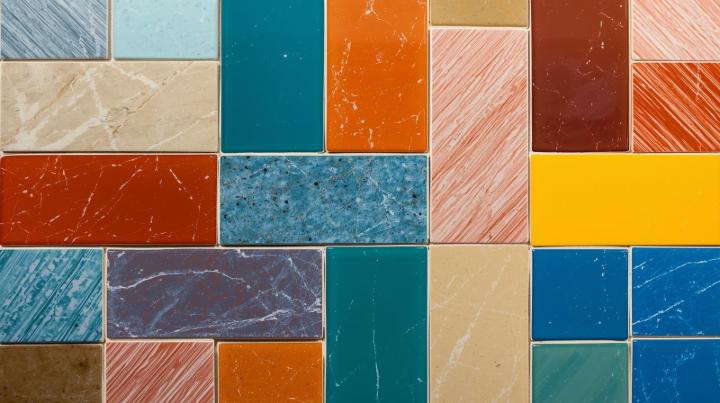
Color blocking with subway tiles creates custom looks without custom costs. This technique uses tiles in different colors to create zones, patterns, or gradients. By purchasing standard colors and arranging them creatively, you achieve designer results at commodity prices.
Consider using two or three complementary colors in geometric arrangements. Create horizontal stripes, vertical columns, or checkerboard patterns that add personality and visual interest. The variety available when you shop by color enables endless creative combinations.
Color blocking works particularly well in larger installations where pattern scale can develop fully. Kitchen backsplashes offer ideal canvases for this technique, allowing you to coordinate with countertops, cabinets, and fixtures. The technique transforms standard materials into personalized design expressions.
Comparison: Pattern Complexity vs. Impact
Pattern Type | Installation Difficulty | Visual Impact | Best For | Cost Factor |
Traditional Running Bond | Easy | Moderate | Timeless looks, DIY-friendly | Lowest |
Vertical Stack | Easy | High | Modern spaces, height illusion | Low |
Herringbone | Moderate | Very High | Sophisticated kitchens | Moderate |
Chevron | Moderate-High | Very High | Contemporary focal walls | Moderate |
Basketweave | Moderate | High | Textured, dimensional looks | Moderate |
Size Variations for Added Interest
Mixing Subway Tile Dimensions
Combining different subway tile sizes creates custom appearances using standard products. Pairing 3x6 tiles with 3x12 formats adds rhythm and scale variation that mimics expensive custom tile work. The size contrast creates visual hierarchy and breaks up monotonous expanses.
This technique works beautifully when creating borders or accent bands within larger installations. Use smaller tiles for field areas and larger formats for horizontal stripes or vertical columns. The dimensional variety adds sophistication while maintaining cohesive color and finish.
Products like the Linear 5x10 Glossy 3D Decorative Subway Tile demonstrate how size variations create unique textures. When you browse tiles by size, consider how mixing dimensions might enhance your design vision.
Scale Considerations for Small Spaces
Smaller spaces benefit from careful size selection. Larger subway tiles create fewer grout lines, which helps small bathrooms and kitchens feel more expansive. The reduced visual interruption allows surfaces to read as continuous planes rather than busy patterns.
Conversely, very small tiles can overwhelm tight spaces with excessive grout lines. Stick with standard 3x6 or larger formats in compact areas. The classic proportions balance visual interest with spatial flow, preventing the cramped feeling that excessive pattern creates.
Professional installers often recommend considering viewing distance when selecting tile size. Backsplashes viewed from across rooms can handle smaller tiles effectively, while shower walls benefit from larger formats that create seamless appearances.
Texture and Finish Techniques
Three-Dimensional Subway Tiles
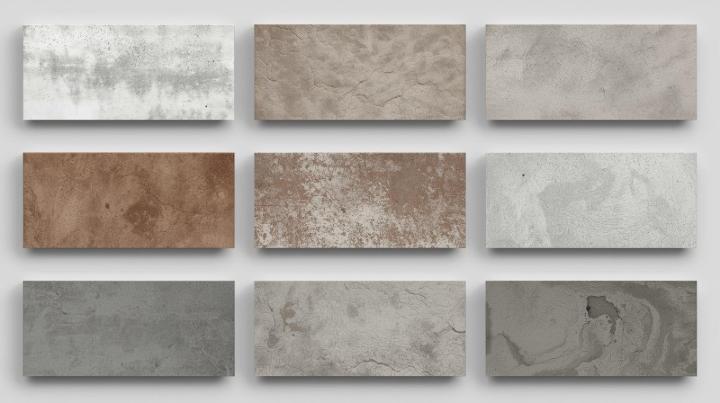
Three-dimensional subway tiles create dramatic shadow lines and texture without requiring complex installation patterns. These tiles feature raised surfaces, waves, or geometric relief that catches light and creates movement. While slightly more expensive than flat tiles, they remain far more affordable than stone or specialty materials.
The dimensional surfaces work particularly well in areas with good lighting where shadows can develop fully. Consider using 3D tiles as accent strips within flat tile fields, creating focal points without covering entire walls. This strategic placement maximizes impact while controlling costs.
Matte finishes on dimensional tiles enhance shadow definition, while glossy surfaces create interplay between light reflection and surface texture. The combination delivers luxury aesthetics typically associated with high-end materials. Explore contemporary tile styles to find dimensional options that fit your budget.
Mixing Finishes for Depth
Combining glossy and matte finishes within single installations creates subtle sophistication. Use glossy tiles for field areas to maximize light reflection, then incorporate matte tiles as accent borders or bands. The finish contrast adds dimension through light absorption and reflection variations.
This technique requires no special installation skills yet produces results that appear custom-designed. The material cost remains minimal since both finishes typically price similarly. The visual complexity comes entirely from thoughtful planning rather than expensive materials.
Consider the maintenance implications of finish choices. Glossy tiles show water spots more readily but clean easily. Matte surfaces hide water marks but may require more scrubbing for certain stains. Balance aesthetic preferences with practical considerations for your specific application.
Trendy Yet Timeless Applications
Subway Tile Kitchen Ideas That Last
Subway tile kitchen ideas continue evolving while maintaining classic appeal. Modern installations often extend backsplashes to ceilings, creating dramatic impacts that make kitchens feel larger and more cohesive. This floor-to-ceiling approach uses more material but eliminates the visual break that partial backsplashes create.
Kitchen islands present opportunities for pattern experimentation. While main backsplashes might use traditional layouts, island backs can showcase herringbone, vertical, or chevron patterns. This creates focal points without overwhelming the entire kitchen with busy patterns.
Color trends favor both stark whites for timeless appeal and bold colors for personality. Navy, sage green, and terracotta subway tiles gain popularity while remaining more affordable than stone or glass alternatives. Kitchen design organizations track these trends, helping homeowners make informed choices that balance current style with lasting appeal.
Subway Tile Bathroom Trends
Subway tile bathroom trends emphasize floor-to-ceiling installations that create spa-like environments. Shower enclosures entirely clad in subway tile feel luxurious yet cost significantly less than stone or large-format porcelain. The smaller tile size actually works better on the slopes and angles common in shower construction.
Current bathroom tile trends show movement toward colored grout that complements rather than contrasts with tile color. This creates softer, more integrated appearances while maintaining the definition that grout lines provide. Experiment with grout colors that sit between your tile color and pure white for sophisticated results.
Accent walls behind vanities or within niches offer perfect opportunities for pattern play. Use standard running bond throughout most of the bathroom, then introduce herringbone or vertical patterns in these smaller areas. This balanced approach delivers visual interest without pattern overload.
Pros and Cons of Budget Subway Tile Strategies
Pros:
- Significant cost savings compared to premium tile materials while achieving comparable aesthetics
- Wide availability ensures easy sourcing, competitive pricing, and simplified replacement if needed
- Pattern flexibility allows creative expression without expensive custom tile manufacturing
- Proven durability backed by decades of successful installations in residential and commercial settings
- Timeless appeal ensures your investment remains stylish rather than quickly dated
- Easy maintenance with straightforward cleaning requirements and readily available care products
Cons:
- Pattern complexity increases installation time and labor costs for intricate layouts
- Grout maintenance requires periodic cleaning and sealing regardless of tile quality
- Limited uniqueness since subway tiles remain popular and widely used
- Quality variations exist between brands, requiring research to find reliable budget options
- Cutting requirements for complex patterns may increase material waste and installation complexity
Professional Tips for Maximum Impact
Edge Protection and Finishing
Proper edge protection ensures professional-looking installations that last. Use Schluter strips or bullnose tiles at exposed edges to create finished appearances and protect tile corners from chipping. These finishing touches cost little but significantly impact the overall installation quality.
Consider how tile edges meet countertops, windows, and ceiling lines. Clean transitions in these areas separate amateur installations from professional results. Invest in proper trim pieces and edge solutions to elevate your budget tile installation.
Metal or PVC edge profiles come in various finishes including brushed nickel, chrome, and matte black. Select profiles that complement your fixtures and hardware for cohesive design integration. These details demonstrate thoughtful planning that characterizes high-end installations.
Lighting Considerations
Lighting dramatically affects how subway tile installations appear. Under-cabinet lighting in kitchens creates shadow play that enhances dimensional tiles and pattern complexity. The interplay between light and surface texture adds depth that flat lighting cannot achieve.
In bathrooms, consider how vanity lighting will interact with your tile choice. Glossy finishes maximize light reflection, brightening spaces with limited natural light. Matte finishes create sophisticated, moody atmospheres in well-lit bathrooms where glare becomes problematic.
Test tile samples under your actual lighting conditions before committing to large purchases. Colors and finishes appear drastically different under warm versus cool lighting. This simple step prevents costly disappointments and ensures your budget tiles perform as envisioned.
Shopping Smart for Quality Materials
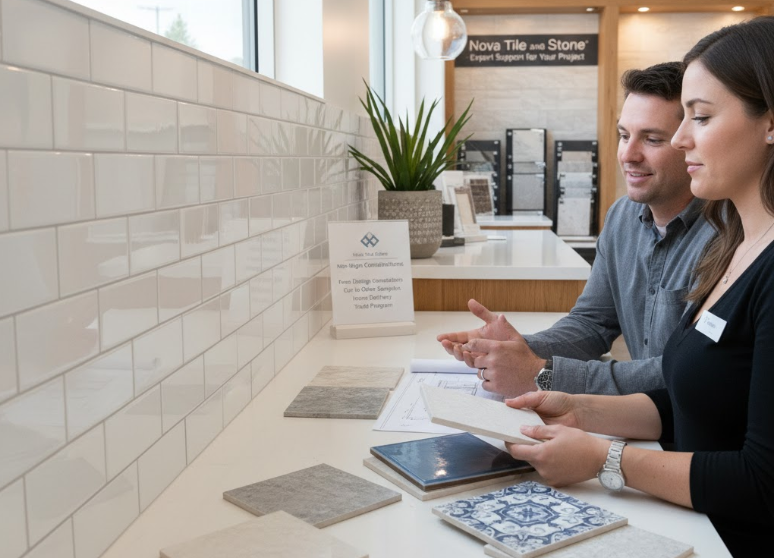
When shopping for products, prioritize reputable suppliers who stock quality materials even at budget price points. Read product specifications carefully, paying attention to hardness ratings and absorption rates that indicate durability and performance.
Industry events like Coverings showcase the latest tile innovations and connect consumers with manufacturers. These events provide opportunities to see products in person and learn about quality indicators that matter for long-term satisfaction.
Compare products across different carrying categories to understand the full range of options available at various price points. Sometimes slightly higher initial investment in tile quality reduces long-term maintenance costs and replacement needs.
For inspiration and trendy patterns, consider terrazzo-look options that combine subway tile simplicity with contemporary speckled patterns. These modern takes on classic formats offer unique aesthetics while maintaining the affordability that makes subway tiles so appealing.
Conclusion
Achieving high-end aesthetics with affordable subway tiles requires strategic thinking rather than expensive materials. Through creative patterns like herringbone subway tile backsplash, vertical subway tile installations, and chevron arrangements, standard tiles transform into designer statements. Color blocking, grout contrast, and finish variations add further sophistication without premium costs.
The key lies in understanding that luxury comes from thoughtful execution rather than material price tags. Whether updating a kitchen backsplash or renovating a bathroom, these techniques deliver results that rival far more expensive installations. Pattern selection, color coordination, and professional finishing details elevate budget materials into polished designs.
Ready to transform your space with stunning subway tile installations? Explore our complete collection to discover endless possibilities for creating your dream design. Our company tile experts stand ready to help you select the perfect materials and provide guidance for achieving professional results. Contact us today to start your design journey.
Frequently Asked Questions
What is the most affordable subway tile pattern that still looks expensive?
Vertical subway tile installations offer maximum impact at minimal cost. This pattern uses standard tiles in upright orientation, creating height illusions and contemporary aesthetics without requiring additional materials or complex cutting. The simple 90-degree rotation from traditional layouts transforms ordinary tiles into sophisticated design statements.
Does dark grout cost more than white grout?
Grout colors typically cost the same regardless of shade. Dark grout with subway tile creates high-end appearances through visual contrast rather than material expense. The primary consideration should be maintenance preferences and aesthetic goals rather than cost differences, as pricing remains consistent across color options.
Can I mix different subway tile sizes in one installation?
Absolutely. Mixing subway tile dimensions creates custom appearances using standard products. Combine 3x6 with 3x12 tiles for borders, accent bands, or size-blocked patterns. This technique adds visual interest and sophistication while maintaining budget-friendly pricing. Plan layouts carefully to ensure balanced proportions and proper scale relationships.
Which subway tile pattern is easiest for beginners?
Traditional running bond and vertical stack patterns offer the simplest installations for DIY enthusiasts. These layouts require minimal cutting and straightforward alignment. Vertical installations prove slightly easier than horizontal running bond since gravity assists tile positioning. Both patterns deliver professional results without demanding advanced tile-setting skills.
How do I choose between ceramic and porcelain subway tiles?
Select based on your application requirements and budget. Ceramic subway tiles suit most residential kitchens and bathrooms at lower costs. Porcelain offers superior durability and stain resistance for high-traffic areas or demanding conditions. Both materials perform well when properly installed, making ceramic the smart budget choice for standard residential applications.