Timeless Elegance Meets Modern Design
Herringbone patterns transform ordinary subway tiles into extraordinary architectural statements. This zigzag arrangement creates visual movement that elevates any space from basic to breathtaking. The classic herringbone layout has experienced a remarkable renaissance in contemporary interiors.
Subway tiles arranged in herringbone patterns offer distinctive texture and depth that standard grid layouts simply cannot achieve. This diagonal weaving technique adds sophistication while maintaining the clean lines that make subway tiles eternally appealing. The 2026 design landscape embraces this traditional pattern with fresh color palettes and innovative material choices.
Homeowners and designers are rediscovering herringbone's versatility across multiple applications. When selecting natural stone tiles for herringbone installations, resources like the Natural Stone Institute provide valuable guidance on material properties and best practices. This guide explores how to incorporate this timeless pattern into your project. You'll discover color combinations, material selections, and installation considerations that bring herringbone subway tiles into the modern era.
Why Herringbone Subway Tiles Elevate Your Space
The herringbone pattern delivers both aesthetic appeal and practical advantages that standard layouts cannot match. This arrangement creates optical illusions that make rooms appear larger and ceilings seem taller. The diagonal lines guide the eye through spaces, adding architectural interest without overwhelming design schemes.
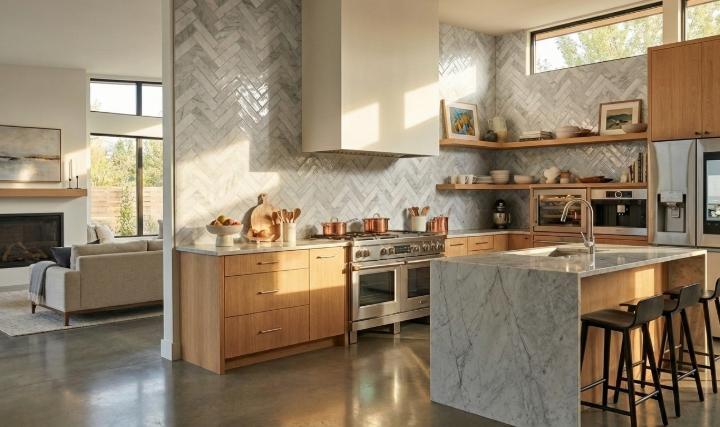
Kitchen backsplash installations benefit tremendously from herringbone patterns. The interlocking design minimizes grout line monotony while creating focal points that anchor entire room designs. This pattern works equally well in bathrooms, entryways, and accent walls throughout residential and commercial properties.
Key Benefits of Herringbone Subway Tiles:
- Creates dynamic visual interest through directional flow
- Disguises minor wall imperfections better than straight patterns
- Adds perceived value to properties through premium appearance
- Offers flexibility with various tile sizes and materials
- Provides timeless appeal that transcends passing trends
The installation requires more precision than standard layouts, which translates to higher perceived quality. Professional installers at certified facilities understand the technical requirements for achieving perfect alignment. According to the Ceramic Tile Distributors Association, proper pattern execution significantly impacts long-term performance and visual impact.
Stunning Design Applications for Every Style
White Subway Tiles in Herringbone
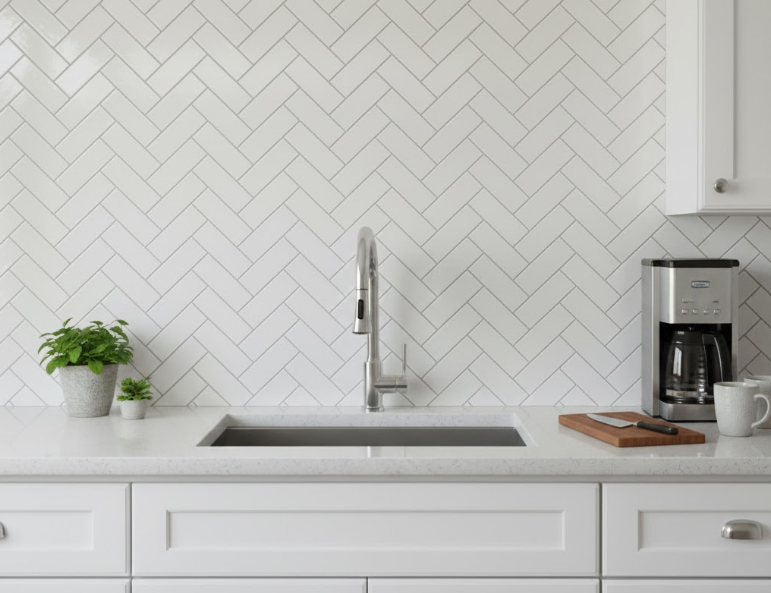
White subway tiles remain the cornerstone of herringbone applications across traditional and contemporary spaces. This combination delivers crisp, clean aesthetics that brighten kitchens and bathrooms effortlessly. Glossy finishes reflect light beautifully, creating spacious atmospheres in compact areas.
Pairing white herringbone with contrasting grout colors adds definition and character. Charcoal or black grout emphasizes pattern geometry while maintaining sophisticated neutrality. This approach works particularly well in farmhouse and transitional kitchen backsplash designs where texture matters as much as color.
Black Subway Tiles for Bold Statements
Black subway tiles arranged in herringbone patterns create dramatic backdrops for modern interiors. This bold choice works exceptionally well in powder rooms, wet bars, and feature walls. The dark palette adds depth while the pattern prevents overwhelming visual weight.
Consider pairing black herringbone with metallic fixtures and natural wood accents. Light-colored grout softens the intensity while highlighting the intricate pattern work. This combination appeals to homeowners seeking contemporary edge without sacrificing timeless appeal.
Grey Subway Tiles for Versatile Neutrality
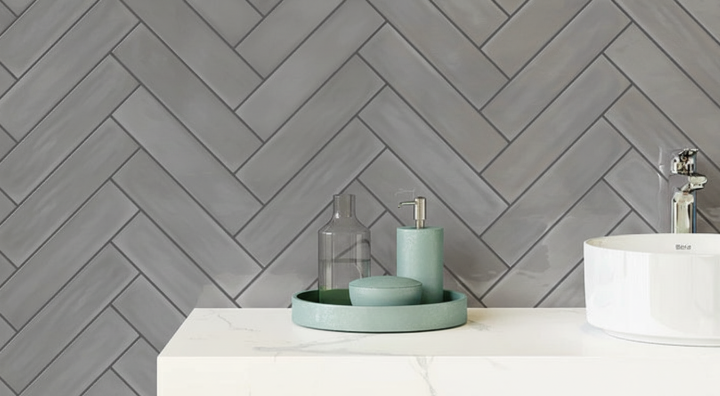
Grey subway tiles offer perfect middle ground between stark white and dramatic black. This versatile palette complements virtually any design scheme from industrial to Scandinavian minimalism. The herringbone pattern adds sophistication that solid grey walls simply cannot achieve.
Multiple grey tones can be blended within single herringbone installations for subtle variation. This technique creates organic movement reminiscent of natural stone without the maintenance concerns. Professional designers at the National Kitchen & Bath Association frequently specify grey herringbone for its universal adaptability.
Blue Subway Tiles for Coastal Charm
Blue subway tiles bring refreshing energy to bathrooms and coastal-inspired kitchens. Lighter blues evoke tranquil seascapes while deeper navy tones add richness and gravity. The herringbone arrangement prevents color from feeling flat or one-dimensional.
Mixing blue tones within herringbone patterns creates ombre effects that flow beautifully. This graduated approach works particularly well behind vanities and in shower enclosures. Pair with brass or gold fixtures for warmth that balances cool color temperatures.
Green Subway Tiles for Natural Connection
Green subway tiles connect interior spaces with nature through organic color palettes. Sage, emerald, and olive tones arranged in herringbone patterns bring botanical sophistication indoors. This trend continues gaining momentum throughout 2026 as biophilic design principles expand.
The herringbone layout enhances green's natural variation and depth. Matte finishes work particularly well with earth tones, creating understated elegance. Consider these options when browsing tiles by color for your project.
Material Choices: Marble, Porcelain, and Ceramic
Marble subway tiles deliver luxurious aesthetics with natural veining that enhances herringbone complexity. Each piece brings unique character, ensuring no two installations look identical. The investment pays dividends in timeless elegance and perceived value.
Porcelain subway tiles offer superior durability and water resistance compared to traditional ceramic options. According to Tile Council of North America standards, porcelain's density makes it ideal for high-traffic areas. This material handles temperature fluctuations and moisture exposure exceptionally well.
Ceramic subway tiles provide budget-friendly alternatives without sacrificing style or quality. Modern manufacturing produces incredibly consistent sizes that simplify herringbone installation. The ANSI A137.1 standards ensure reliable performance across residential applications.
Material | Durability | Water Absorption | Cost | Maintenance |
Marble | Medium-High | Medium | High | High |
Porcelain | Very High | Very Low | Medium-High | Low |
Ceramic | Medium | Low-Medium | Low-Medium | Medium |
Choosing the Perfect Herringbone Subway Tiles
Selecting appropriate materials starts with understanding your project requirements and aesthetic goals. The products available span multiple styles, sizes, and finishes that accommodate various design visions. Consider durability requirements alongside visual preferences for optimal results.
Pros of Herringbone Subway Tiles:
- Distinctive pattern creates architectural interest
- Works across multiple design styles
- Available in numerous colors and materials
- Increases perceived property value
- Hides minor installation imperfections better than grid patterns
Cons to Consider:
- Requires more material due to cutting and waste
- Installation costs typically run higher than standard layouts
- Pattern complexity demands experienced installers
- May overwhelm very small spaces
- Cleaning diagonal grout lines requires extra attention
Professional guidance ensures proper material selection for specific applications. The team provides expert consultation to match tiles with project requirements. Browse tiles by type to explore material categories and performance characteristics.
Sample programs allow homeowners to preview tiles in actual lighting conditions before committing. This service eliminates uncertainty and ensures color satisfaction. Contact specialists to request samples for your herringbone project.
Step-by-Step Planning Guide for Herringbone Installation
Step 1: Measure and Calculate Materials
Accurate measurements prevent shortages and excessive waste. Add 15-20% overage for herringbone patterns due to diagonal cutting requirements. This extra material accounts for edge trimming and potential breakage during installation.
Step 2: Select Tile Size and Material
3x6 subway tiles work beautifully in traditional herringbone layouts. Larger formats create bolder patterns while smaller tiles suit intricate spaces. Material choice impacts durability, maintenance, and overall investment according to This Old House guidance.
Step 3: Choose Grout Color Strategically
Grout selection dramatically affects final appearance and maintenance requirements. Contrasting grout emphasizes pattern geometry while matching grout creates seamless flow. Consider stain resistance and cleaning frequency when selecting grout colors.
Step 4: Hire Experienced Installation Professionals
Herringbone patterns demand precision that amateur installations rarely achieve. Professional installers understand proper layout techniques and spacing requirements. The Tile Letter provides excellent resources on professional installation standards.
Step 5: Plan for Long-Term Maintenance
Different finishes require varying maintenance approaches. Glossy surfaces show water spots more readily than matte alternatives. Natural stone demands periodic sealing while porcelain remains virtually maintenance-free. Understanding these requirements prevents future disappointment.
Where to Find Premium Herringbone Subway Tiles
Sourcing quality materials from trusted suppliers ensures successful project outcomes. The extensive inventory includes diverse options for herringbone applications across residential and commercial settings. Browsing tiles by style helps narrow selections based on design preferences.
Local showrooms provide hands-on experiences that online shopping cannot replicate. Seeing actual tiles under various lighting conditions reveals true colors and finishes.Shopping locally supports community businesses while ensuring personalized service and expert guidance.
Unique offerings like terrazzo-look tiles expand herringbone possibilities beyond traditional subway formats. These contemporary options blend vintage charm with modern manufacturing precision. Exploring tiles by size reveals format options that complement various herringbone scales.
Free shipping on qualifying orders removes barriers to premium material selection. This service ensures budget-conscious homeowners access top-quality products regardless of geographic location. Expert staff provide ongoing support from initial selection through installation completion.
The 2026 design landscape celebrates herringbone patterns executed with fresh perspectives. This trusted supplier combines extensive inventory with personalized service that larger retailers cannot match. Their commitment to quality and customer satisfaction has earned industry recognition according to Wikipedia tile standards.
Conclusion
Herringbone arrangements elevate subway tiles from functional surfaces to genuine design features. This classic pattern adapts beautifully to contemporary color palettes and innovative materials. The 2026 interpretation balances timeless appeal with fresh, modern sensibilities.
Whether renovating kitchens, updating bathrooms, or creating stunning accent walls, herringbone subway tiles deliver unmatched visual impact. The investment in quality materials and professional installation pays dividends through lasting beauty and performance. Your space deserves the sophistication that only herringbone patterns provide.
Explore the complete selections of tile colors and discover how herringbone subway tiles can transform your vision into reality. Expert guidance awaits to help navigate options and ensure perfect choices for your unique project requirements.
Frequently Asked Questions
What makes herringbone patterns more expensive than standard subway tile layouts?
Herringbone installations require additional materials due to diagonal cutting and waste. The pattern demands greater precision and installation time from experienced professionals. These factors combine to increase both material and labor costs compared to standard grid arrangements.
Can herringbone subway tiles work in small bathrooms?
Absolutely, herringbone patterns actually enhance small spaces by creating visual movement and depth. The diagonal lines make rooms appear larger than standard horizontal layouts. Consider lighter colors and smaller tile formats to maximize this effect in compact bathrooms.
How do I choose between glossy and matte subway tiles for herringbone?
Glossy finishes reflect light beautifully and make spaces feel larger and brighter. Matte surfaces offer sophisticated subtlety and hide water spots more effectively. Consider your maintenance preferences, lighting conditions, and overall design aesthetic when selecting finishes according to Family Handyman trends.
What grout width works best for herringbone subway tile patterns?
Standard 1/8-inch grout lines work well for most herringbone subway tile installations. This width provides adequate spacing for proper adhesion while maintaining pattern integrity. Consult with professional installers to determine optimal spacing for your specific tile selection.
Are porcelain or ceramic tiles better for kitchen backsplash herringbone?
Porcelain offers superior durability and stain resistance ideal for kitchens based on Mohs hardness scale ratings. Ceramic provides excellent performance at lower price points for backsplash applications. Both materials work beautifully when properly installed and maintained in kitchen environments.