Cracked subway tile can be repaired if the damage is minor and isolated, but replacement is recommended when multiple tiles are affected or structural issues exist. The decision depends on the crack's severity, location, and whether underlying problems caused the damage.
Most homeowners find that replacing 1-3 damaged tiles costs less than $200, while repairing chips or hairline cracks can work temporarily for cosmetic fixes. Nobody wants to spot a crack zigzagging across their beautiful kitchen backsplash or bathroom wall. Whether you've invested in a classic herringbone subway tile backsplash or sleek vertical subway tile installation, discovering damage feels like watching your design dreams crumble.
The good news? You don't always need to rip everything out and start over. Understanding when to repair versus replace cracked subway tile saves you money, time, and unnecessary stress. This guide walks you through the decision-making process with practical steps you can follow today.
What Actually Causes Subway Tiles to Crack?
Subway tiles crack for reasons that go beyond accidental impacts. Understanding the root cause determines whether you're facing a one-time fix or a recurring nightmare.
Structural movement tops the list of culprits. Houses settle over time, and even minor foundation shifts create pressure on rigid tile installations. According to the Ceramic Tile Foundation, improper substrate preparation or missing expansion joints cause 60% of tile failures. If your home is newer than five years old or sits on expansive soil, movement-related cracks become more likely.
Temperature fluctuations wreak havoc on subway tile kitchen ideas that weren't properly planned. When tiles are installed over radiant heating without the correct underlayment, the constant expansion and contraction eventually leads to stress cracks. Bathrooms with poor ventilation face similar issues. Steam and heat cycles create microscopic movement that accumulates over months or years.
Installation errors remain surprisingly common, even with professional work. Insufficient thinset coverage, wrong trowel size, or rushing the curing process all compromise tile integrity. The American National Standards Institute updated their tile installation standards in 2022 specifically to address these recurring problems. Exploring products we carry ensures you start with quality materials that installers can work with confidently.
Impact damage happens, especially in high-traffic areas. Dropped cast iron pans, kids throwing toys, or aggressive cleaning with metal tools can all chip or crack even the toughest colored subway tile. These isolated incidents typically affect just one or two tiles and don't indicate larger problems.

Should You Repair Minor Damage or Replace the Tile?
The repair versus replace decision hinges on three critical factors: crack severity, tile availability, and long-term goals.
When Repairing Makes Sense
Minor chips along tile edges or hairline surface cracks smaller than 1/8 inch can often be repaired successfully. If the crack doesn't penetrate through the tile body and water can't seep behind it, epoxy-based repair compounds create acceptable fixes for low-visibility areas. Repairing works best when you need a quick cosmetic improvement or the damaged tile sits in an inconspicuous corner.
Repair limitations become apparent quickly. Even the best color-matched fillers rarely disappear completely under direct light. The repair will likely show texture differences compared to the surrounding glazed surface. According to This Old House, porcelain tiles hold repairs better than ceramic options due to their denser composition, but neither performs like an intact tile.
When Replacement Is the Better Choice
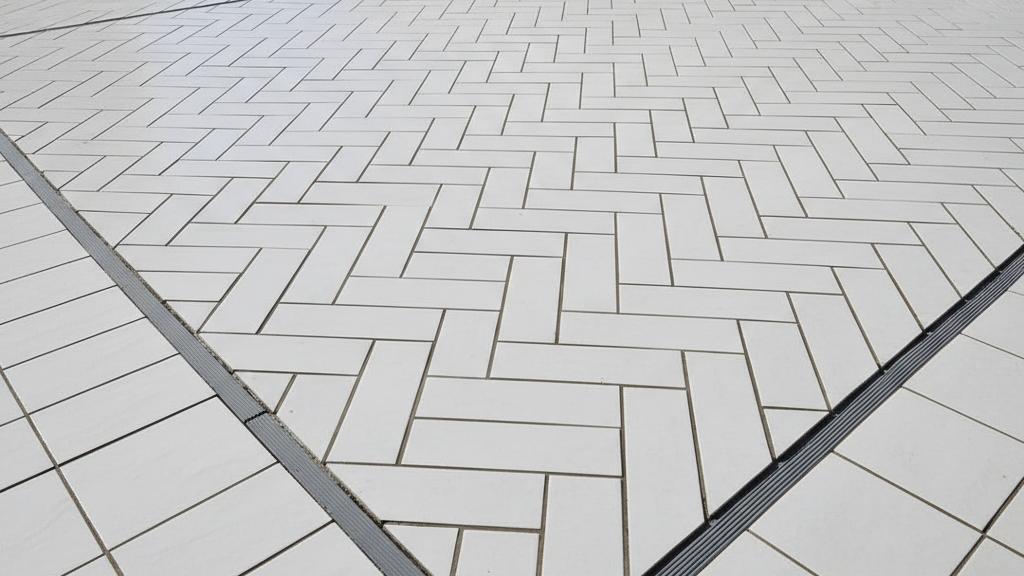
Replace tiles when cracks extend through the full thickness, water has penetrated behind the surface, or multiple tiles show damage. These situations signal underlying problems that repairs can't address. Modern subway tile patterns like chevron subway tile or basketweave subway tile require precise alignment, making patched cracks particularly noticeable.
Replacement advantages extend beyond aesthetics. You eliminate water infiltration risks, address substrate issues during the process, and restore full structural integrity. The National Kitchen & Bath Association recommends replacement over repair in moisture-prone areas to prevent mold growth and further damage.
Factor | Repair | Replace |
Cost | $15-50 per tile | $100-300 per tile (installed) |
Time Required | 1-2 hours | 4-6 hours (including curing) |
Durability | 1-3 years typical | 20+ years with proper installation |
Visual Result | Visible patch or line | Seamless match with existing tiles |
Water Resistance | Compromised | Fully restored |
Best For | Cosmetic fixes, temporary solutions | Moisture areas, structural issues |
Shopping tiles by size helps you find exact replacements that match your existing installation dimensions perfectly.
How Do You Know If It's Just the Tile or Something Worse?
Diagnosing the full extent of damage separates simple fixes from major renovations. Missing this step costs homeowners thousands in repeated repairs.
Start by tapping tiles surrounding the cracked one with a plastic tool handle. Solid tiles produce a sharp, clear tone. Hollow sounds indicate the tile has separated from the substrate or the thinset has failed. Tile Letter recommends checking at least 12 inches in all directions from visible damage to map the affected area accurately.
Look for moisture stains on grout lines or tile edges. Discoloration, especially with subway tile with dark grout, reveals water has penetrated the installation. Press gently on tiles near the crack. Any movement, however slight, confirms the bond has failed and replacement becomes necessary.
Check for pattern consistency in the damage. Single cracks radiating from impact points suggest isolated incidents. Multiple cracks following the same direction or appearing at regular intervals point to substrate movement or installation problems requiring professional assessment.
Examine the substrate once you remove a damaged tile. Drywall should feel firm and dry. Cement board shouldn't crumble or show soft spots. Water damage behind subway tile bathroom trends installations often goes unnoticed until removal reveals the extent. Finding local shop options connects you with professionals who can properly evaluate substrate conditions.
Warning Signs That Demand Professional Help
- Cracks appearing within one year of installation
- Multiple tiles showing damage in different locations
- Visible bowing or buckling of the tile surface
- Persistent musty odors near the tiled area
- Grout that continuously cracks despite repairs
- Soft or spongy feeling when pressing on tiles
The Certified Tile Installer program trains professionals to identify and address these complex scenarios properly.

Step-by-Step: Replacing a Single Cracked Subway Tile
Replacing one damaged tile requires precision but follows a straightforward process that professionals complete daily.
Step 1: Remove the Damaged Tile Carefully
Score the grout lines surrounding the cracked tile using a grout saw or rotary tool. Remove all grout completely to prevent damaging adjacent tiles during extraction. Drill a small hole in the center of the cracked tile, then use a chisel to carefully break it into pieces, working from the center outward. The Coverings trade show demonstrations show professionals using this technique to minimize collateral damage.
Step 2: Clean and Prepare the Surface
Scrape away old thinset from the substrate using a putty knife or chisel. The surface should be level with surrounding tiles and completely clean. Any high spots prevent proper adhesion and create future problems. Vacuum thoroughly to remove dust that interferes with bonding.
Step 3: Apply Thinset and Set the New Tile
Use the same thinset type as the original installation. Apply a thin, even layer to both the substrate and the back of the replacement tile (back-buttering ensures full coverage). Press the tile into place with slight twisting motions to achieve proper adhesion. Use tile spacers to maintain consistent grout lines matching your subway tile layouts.
Step 4: Allow Proper Curing Time
Resist the urge to grout immediately. Thinset requires 24-48 hours to cure fully depending on humidity and temperature. Premature grouting compromises the bond and leads to future cracks. Porcelain tile cleaning guidelines emphasize proper curing for long-term performance.
Step 5: Grout and Seal
Mix grout to match existing lines, then apply using a rubber float at a 45-degree angle. Wipe excess immediately with a damp sponge, rinsing frequently. After 72 hours, apply grout sealer to prevent moisture penetration and staining.
Browsing tiles by style before starting ensures your replacement tile matches perfectly with your current aesthetic.
Can You Prevent Future Cracks From Happening?
Prevention beats repair every single time, especially with creative backsplash ideas you've invested significant money and effort into creating.
Choose quality materials from the start. Premium subway tiles, like 3x6 subway tiles or 3x12 matte porcelain options, resist cracking better than budget alternatives. According to the Natural Stone Institute, investing 20-30% more in tile quality reduces replacement needs by up to 70% over the installation's lifetime.
Ensure proper installation by hiring certified professionals. The cheapest bid usually signals cut corners on substrate prep, thinset coverage, or curing time. Request references and verify credentials through industry organizations. For critical installations featuring modern subway tile patterns, professional expertise becomes essential rather than optional.
Maintain expansion joints where tile meets different materials or covers large areas. These joints accommodate natural movement without transferring stress to rigid tile surfaces. Most installations require joints every 20-25 feet and at all transitions to different flooring materials.
Control environmental factors in your space. Use exhaust fans during showers and cooking to manage moisture and temperature swings. Avoid placing extremely hot cookware directly against backsplash installations. These simple habits significantly extend tile lifespan.
Regular maintenance keeps small problems from becoming big ones. Inspect grout lines every six months for cracks or gaps that allow water penetration. Reseal grout annually in wet areas. Address any damage immediately rather than waiting for convenient timing.
Pros and Cons of Different Prevention Strategies
Using Flexible Grout
- Pros: Accommodates minor substrate movement, reduces crack transfer to tiles, works well with modern subway tile patterns
- Cons: Costs 30-50% more than standard grout, requires specific mixing ratios, not suitable for all applications
Installing Crack Isolation Membranes
- Pros: Separates tile from substrate movement, prevents 80% of stress-related cracks, recommended for newer homes
- Cons: Adds $2-4 per square foot to installation costs, requires experienced installer, increases floor height
Choosing Porcelain Over Ceramic
- Pros: Superior strength and crack resistance, better moisture protection, maintains appearance longer
- Cons: 25-40% higher material costs, harder to cut during installation, heavier weight considerations
Exploring tiles by color helps you select options with the right combination of durability and aesthetic appeal for your specific application.
What Are the Latest Trends in Durable Subway Tile Installations?
Design trends now prioritize longevity alongside aesthetics, making cracked tile less common in newer installations.
Textured 3D surfaces like Linear 5x10 glossy decorative subway tiles hide minor imperfections naturally while adding visual interest. The dimensional surface disguises small chips or stress lines that would stand out on flat glazed tiles. According to Family Handyman's bathroom trends, textured tiles have grown 40% in popularity specifically because they age more gracefully.
Larger format tiles reduce grout lines, which are common failure points. While traditional 3x6 dimensions remain classic, many designers now specify 3x12 or 4x12 formats. Fewer grout lines mean fewer potential crack pathways and easier maintenance over time.
Terrazzo-look alternatives combine the aesthetic of natural stone with porcelain's durability. Terrazzo-look collections deliver visual texture without the crack susceptibility of actual stone installations. These patterns naturally camouflage any future minor damage within their varied surface design.
Mixed material combinations strategically place more durable materials in high-impact zones. Pairing standard subway tile colors with metal or glass accent strips creates visual interest while reinforcing vulnerable areas like countertop edges or behind ranges.
Professional designers increasingly specify crack-resistant layouts for client projects. The Tile Council of North America reports that vertical subway tile orientations experience 25% fewer cracks than traditional horizontal running bond patterns because the layout better distributes stress.
When Should You Just Start Over With a New Installation?
Sometimes the most cost-effective solution involves removing everything and installing fresh tile correctly.
Multiple tile failures within a year indicate systemic problems that spot repairs cannot fix. If you're replacing more than 15% of your installation, removing everything and addressing underlying issues makes financial sense. Piecemeal repairs accumulate costs that quickly exceed new installation expenses.
Discontinued tile patterns create matching nightmares. If your exact tile is no longer available and the damaged area is prominent, mismatched repairs look worse than starting fresh with a cohesive new design. Browsing the complete shop selection shows current options that might inspire an upgrade.
Water damage to the substrate requires full removal regardless of tile condition. Once drywall or underlayment is compromised, attempting to save tile becomes penny-wise but pound-foolish. Moisture trapped behind tiles creates mold and structural decay that spreads beyond the visible damage.
Design dissatisfaction combined with cracked tiles presents an opportunity. If you've been dreaming of updating your space anyway, don't invest money repairing tiles you planned to replace eventually. Consider this damage a nudge toward the renovation you've been postponing.
Home sale preparation sometimes justifies full replacement. Real estate professionals report that damaged tile installations create buyer concerns disproportionate to the actual problem. Fresh, modern installations increase perceived home value and accelerate sales. Consulting with experts through the contact page provides specific recommendations for your situation.
Starting fresh also lets you implement lessons learned from the failed installation. Correcting substrate issues, improving waterproofing, or adjusting the layout prevents repeat problems. Learning about professional installation practices helps you ask the right questions before committing to a new project.

Finding the Right Replacement Tiles and Installation Support
Sourcing exact matches challenges even experienced professionals, but several strategies improve your success rate.
Start by checking for manufacturer information stamped on tile backs or boxes. Many brands use batch numbers that help suppliers locate remaining inventory from your original run. Take a clean, unbroken tile (or large pieces from the damaged one) to local tile shops for comparison against current stock.
Digital color matching has improved dramatically in recent years. High-resolution photos of your existing installation help online suppliers identify close matches. However, lighting conditions affect perceived color significantly, so always order samples before committing to large quantities.
Tiles by type searching narrows options effectively. Understanding whether you have ceramic, porcelain, or glass tiles eliminates unsuitable alternatives immediately. Checking tiles by type filters selections to compatible materials that match your substrate and installation requirements.
Consider slight variations acceptable in low-visibility areas. Replacing tiles behind appliances or at floor level with near-matches keeps projects moving forward when exact colors aren't available. Reserve precious matching tiles for prominent locations where discrepancies would stand out.
Professional tile suppliers maintain relationships with manufacturers that provide access to older inventory or discontinued lines. Building relationships with knowledgeable suppliers pays dividends beyond immediate replacement needs. Partnering with trusted tile providers ensures you have expert guidance throughout the decision-making and installation process.
Conclusion
Deciding between repairing and replacing cracked subway tile doesn't have to feel overwhelming. Assess the damage honestly, understand underlying causes, and consider long-term implications before choosing your path forward. Minor cosmetic damage in dry areas might accept temporary repairs, but structural cracks, water infiltration, or multiple failures demand replacement. Prevention through quality materials, proper installation, and regular maintenance eliminates most cracking problems before they start. When replacement becomes necessary, view it as an opportunity to correct previous mistakes and implement current best practices. Your tile installation should last decades, not years.
Frequently Asked Questions
How much does it typically cost to replace one cracked subway tile?
Professional replacement of a single subway tile costs $100-300 including labor, matching materials, and finishing. DIY replacement reduces costs to $15-50 for materials only, but requires tools and skill to avoid damaging surrounding tiles during removal.
Can hairline cracks in subway tile get worse over time?
Yes, hairline cracks almost always expand due to thermal cycling, moisture penetration, and continued substrate movement. What starts as a barely visible line can become a pronounced crack within 6-12 months, especially in high-moisture environments like showers and backsplashes.
Is it possible to match old subway tile exactly?
Exact matches are difficult but not impossible if you have manufacturer information and batch numbers. Tile colors can vary between production runs, and discontinued lines may require sourcing from specialty suppliers. Slight variations often go unnoticed in less visible areas.
Should you use the same grout when repairing cracked subway tile?
Always match the original grout type (sanded vs. unsanded) and color as closely as possible. New grout won't perfectly match aged grout regardless of color matching efforts, but the difference typically becomes less noticeable after several months of regular cleaning.
How long should replacement subway tiles cure before using the area?
Allow 24-48 hours before walking on floor tiles or touching wall installations. Wait 72 hours minimum before grouting, and avoid exposing tiles to water for at least one week after grouting. Full cure strength develops over 28 days, so treat the area gently during this period.