Eco-friendly subway tiles are revolutionizing sustainable home renovations by offering durable, recyclable, and low-impact alternatives to traditional ceramic options. Made from recycled materials, natural stone, or sustainable manufacturing processes, these tiles reduce environmental impact while maintaining the classic aesthetic appeal of traditional subway tiles. Sustainable subway tile options include recycled glass tiles, reclaimed ceramic pieces, bamboo fiber tiles, and porcelain tiles made with renewable energy, providing homeowners with stylish solutions that support green building practices and long-term environmental responsibility.
The Growing Demand for Sustainable Building Materials
The construction industry is experiencing a significant shift toward sustainable practices, with eco-conscious homeowners increasingly seeking environmentally responsible renovation materials. This transformation has sparked innovation in tile manufacturing, leading to the development of subway tiles that combine traditional aesthetics with modern sustainability standards.
Sustainable renovation practices have become more than just a trend; they represent a fundamental change in how we approach home improvement projects. When planning your next renovation, choosing eco-friendly materials like sustainable subway tiles can significantly reduce your project's carbon footprint while creating beautiful, lasting spaces.
The different types of tiles available today showcase remarkable advances in sustainable manufacturing. Traditional subway tiles, while timeless in design, often involve energy-intensive production processes and non-renewable raw materials. In contrast, modern eco-friendly alternatives maintain the classic subway aesthetic while incorporating recycled content, renewable materials, and energy-efficient manufacturing techniques.
Understanding Eco-Friendly Subway Tile Materials
Recycled Glass Subway Tiles
Recycled glass tiles represent one of the most innovative sustainable options available today. These tiles are manufactured using post-consumer and post-industrial glass waste, diverting materials from landfills while creating stunning design elements. The manufacturing process requires less energy than traditional ceramic production, and the finished product offers excellent durability and water resistance.
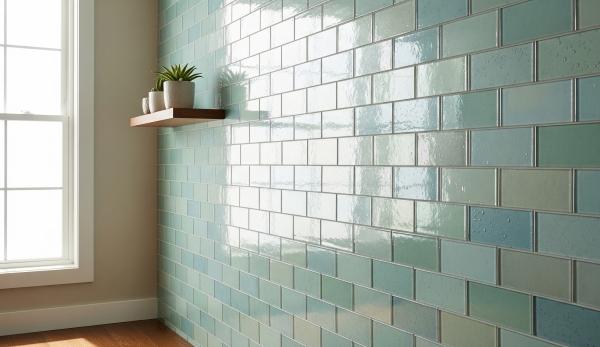
The beauty of recycled glass subway tiles lies in their unique character. Each tile contains subtle variations in color and texture, creating depth and visual interest that mass-produced ceramics cannot match. These variations occur naturally during the recycling process, ensuring that no two installations are exactly alike.
Reclaimed and Recycled Ceramic Options
Reclaimed ceramic subway tiles offer another excellent sustainable choice for renovation projects. These tiles are salvaged from demolished buildings, restored, and prepared for new installations. The process preserves the character and history of original materials while preventing waste from entering landfills.
Modern recycled ceramic tiles incorporate post-consumer ceramic waste into new tile production. This process reduces the demand for virgin clay and other raw materials while maintaining the performance characteristics that make ceramic tiles popular for kitchens and bathrooms.
Natural Stone Alternatives
Natural stone subway tiles provide a sustainable option when sourced responsibly. Unlike manufactured tiles, natural stone requires minimal processing, reducing energy consumption during production. Stone tiles also offer exceptional durability, often lasting decades longer than synthetic alternatives.
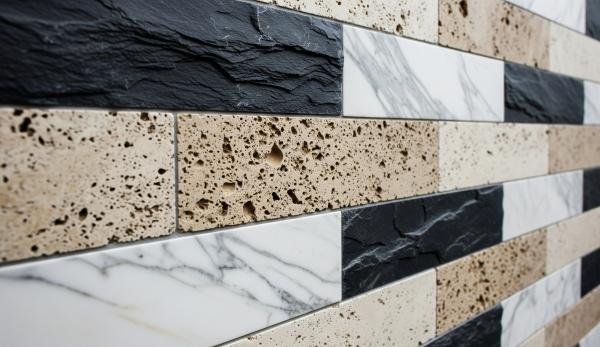
When selecting natural stone options, look for locally quarried materials to minimize transportation impacts. Many stone suppliers now provide detailed information about their quarrying practices and environmental stewardship programs.
Bio-Based and Composite Materials
Innovation in sustainable materials has led to the development of subway tiles made from bamboo fiber, cork, and other renewable resources. These types of tiles offer unique aesthetic properties while supporting sustainable forestry and agricultural practices.
Bamboo fiber tiles, for example, incorporate rapidly renewable bamboo with recycled content to create durable, water-resistant surfaces suitable for various applications. The bamboo component provides natural antimicrobial properties, making these tiles particularly suitable for bathroom flooring choices.
Manufacturing Processes and Environmental Impact
Energy-Efficient Production Methods
Leading tile manufacturers have invested heavily in energy-efficient production technologies. Solar-powered kilns, waste heat recovery systems, and improved firing techniques significantly reduce the energy required to produce subway tiles. Some facilities now operate entirely on renewable energy, achieving carbon-neutral production.
The firing process, traditionally the most energy-intensive aspect of tile production, has seen remarkable improvements. Advanced kiln designs reduce firing times and temperatures while maintaining product quality, resulting in substantial energy savings and reduced greenhouse gas emissions.
Water Conservation in Tile Manufacturing
Water usage in tile production has decreased dramatically through innovative recycling and treatment systems. Modern facilities capture, treat, and reuse process water multiple times before discharge, minimizing environmental impact and reducing operational costs.
Closed-loop water systems prevent contaminated water from entering local watersheds while recovering valuable materials that would otherwise be lost as waste. These systems represent a significant advancement in sustainable manufacturing practices.
Sustainable Packaging and Transportation
Eco-friendly tile manufacturers increasingly focus on sustainable packaging solutions. Recycled cardboard, biodegradable protective materials, and optimized packaging designs reduce waste while ensuring products arrive safely at their destinations.
Transportation efficiency improvements include optimized loading patterns, regional distribution centers, and partnerships with logistics companies committed to reducing carbon emissions. These efforts significantly decrease the environmental impact associated with product delivery.
Installation and Maintenance Benefits
Durability and Longevity Advantages
Eco-friendly subway tiles often exceed the durability of traditional options due to advanced manufacturing processes and high-quality materials. This longevity reduces replacement frequency, minimizing long-term environmental impact and providing better value for homeowners.
The durability of sustainable tiles becomes particularly important in high-traffic areas and bathroom remodel ideas where moisture resistance is crucial. Quality eco-friendly tiles maintain their appearance and performance for decades with proper installation and care.
Low-Maintenance Requirements
Many sustainable subway tiles require less maintenance than traditional alternatives. Natural antimicrobial properties, stain resistance, and easy-cleaning surfaces reduce the need for harsh chemical cleaners, supporting healthier indoor environments.
The reduced maintenance requirements of eco-friendly tiles extend beyond daily cleaning. Many sustainable options resist fading, chipping, and other forms of wear that commonly affect traditional ceramic tiles, maintaining their appearance longer with minimal intervention.
Health and Indoor Air Quality Benefits
Sustainable subway tiles contribute to healthier indoor environments through low or zero volatile organic compound (VOC) emissions. Unlike some synthetic materials, eco-friendly tiles do not off-gas harmful chemicals, supporting better indoor air quality throughout the tile's lifespan.
Natural antimicrobial properties found in certain sustainable materials help prevent mold and bacteria growth, particularly important in moisture-prone areas like bathrooms and kitchens. These properties occur naturally in materials like bamboo and certain stone types, providing ongoing health benefits without chemical treatments.
Design Versatility and Aesthetic Appeal
Color and Texture Options
Modern eco-friendly subway tiles offer an impressive range of colors and textures rivaling traditional options. Advanced manufacturing techniques create consistent colors while maintaining the natural variation that makes each installation unique.
The texture possibilities in sustainable subway tiles range from smooth, glossy finishes to heavily textured surfaces that provide slip resistance and visual interest. These options allow designers and homeowners to achieve virtually any aesthetic goal while maintaining environmental responsibility.
Size and Pattern Flexibility
Sustainable subway tiles are available in traditional 3x6 inch dimensions as well as contemporary variations including 2x8, 4x8, and 6x12 inch formats. This size variety enables creative pattern installations including herringbone, vertical stack, and diagonal layouts.
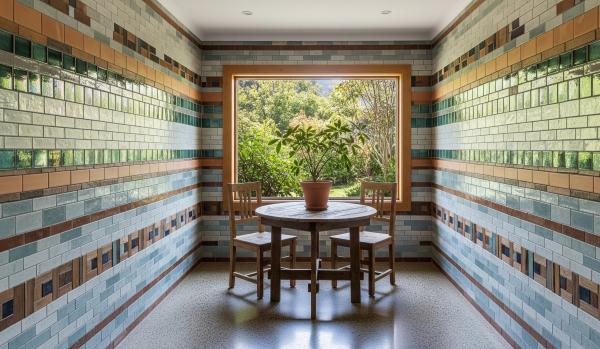
Pattern flexibility extends beyond size variations to include mixed-material installations combining different sustainable tile types. These combinations create unique design statements while maintaining consistent environmental benefits throughout the project.
Integration with Other Sustainable Materials
Eco-friendly subway tiles integrate seamlessly with other sustainable building materials including reclaimed wood, recycled metal fixtures, and low-VOC paints. This compatibility simplifies the process of creating comprehensively sustainable renovation projects.
The neutral palette and classic styling of subway tiles complement sustainable design elements while providing a timeless backdrop that won't require frequent updates. This longevity supports sustainable design principles by reducing the need for future renovations.
Cost Considerations and Value Analysis
Initial Investment vs. Long-Term Savings
While eco-friendly subway tiles may carry higher upfront costs than basic ceramic options, the long-term value proposition often favors sustainable choices. Superior durability, reduced maintenance requirements, and potential energy savings offset initial price differences.
The average cost master bathroom remodel includes significant material expenses, making the incremental cost of sustainable tiles a relatively small portion of total project costs. When considered over the tile's expected lifespan, sustainable options often provide superior value.
Available Incentives and Rebates
Many regions offer tax incentives, rebates, or credits for sustainable building materials and energy-efficient renovations. These programs can significantly reduce the effective cost of eco-friendly subway tiles, improving project economics while supporting environmental goals.
LEED certification programs and other green building standards recognize sustainable tile choices, potentially increasing property values and marketability. These benefits provide additional financial justification for choosing eco-friendly options.
Market Trends and Future Outlook
The sustainable building materials market continues expanding as consumer awareness and demand increase. This growth drives innovation and competition, leading to improved products and more competitive pricing for eco-friendly subway tiles.
Market trends indicate increasing availability of sustainable options as major manufacturers invest in green technologies and processes. This expansion improves product selection while driving down costs through economies of scale.
Professional Installation and Best Practices
Selecting Qualified Installers
Proper installation is crucial for maximizing the performance and longevity of eco-friendly subway tiles. Experienced installers understand the unique characteristics of sustainable materials and can ensure optimal results using appropriate techniques and materials.
The Ceramic Tile Foundation installation resources provide valuable guidance for both professionals and homeowners planning tile projects. These resources emphasize proper preparation, adhesive selection, and installation techniques that maximize tile performance.
Sustainable Installation Materials
Eco-friendly tile projects should incorporate sustainable installation materials including low-VOC adhesives, recycled content grouts, and environmentally responsible sealers. These materials complement sustainable tiles while maintaining consistent environmental benefits throughout the installation.
Proper substrate preparation using sustainable materials ensures long-term performance while supporting project sustainability goals. Modern eco-friendly installation materials often outperform traditional options in durability and performance characteristics.
Maintenance and Care Guidelines
Sustainable subway tiles typically require simple maintenance routines using environmentally friendly cleaning products. Avoiding harsh chemicals preserves the tile's natural properties while supporting healthy indoor environments.
Easy cleaning tips for porcelain tile apply to many sustainable options, emphasizing gentle cleaning methods that preserve tile appearance and performance. Regular maintenance prevents damage and extends tile lifespan, supporting sustainability goals through reduced replacement frequency.
Popular Eco-Friendly Subway Tile Products
Innovative Porcelain Options
Modern porcelain subway tiles like the Matte Porcelain Subway Tile demonstrate how traditional aesthetics can incorporate sustainable manufacturing processes. These tiles offer excellent durability while reducing environmental impact through improved production methods.
The Terrazzo 24x24 Matte Finish Porcelain Tile showcases how larger format tiles can provide subway-style aesthetics with reduced grout lines and installation time. This efficiency reduces labor costs and installation waste while creating striking design statements.
Hexagonal and Alternative Formats
Hexagonal tiles like the Mozart 6in Hexagon Honed or Polished Marble Look Porcelain Tile offer sustainable alternatives to traditional subway layouts while maintaining classic appeal. These formats create visual interest while providing the durability and sustainability benefits of modern porcelain manufacturing.
The Perfection 7x8 Hexagon Matte Porcelain Tile demonstrates how innovative shapes can create unique design opportunities while supporting sustainable building practices through durable, long-lasting materials.
Decorative and Accent Options
Decorative tiles like the Fresco 6x6 Glossy Ceramic Decorative Wall Tile provide opportunities to incorporate sustainable materials in accent applications. These tiles can complement primary subway installations while adding visual interest and design flexibility.
When planning sustainable renovation projects, accessing quality materials from reputable suppliers like Nova Tile and Stone ensures access to the latest eco-friendly options and expert guidance for making informed material choices.
Future Innovations in Sustainable Tiles
Emerging Technologies
Research and development in sustainable tile manufacturing continue advancing, with innovations including bio-based binders, carbon-capturing production processes, and closed-loop recycling systems. These technologies promise even more sustainable options for future renovation projects.
Nanotechnology applications in tile manufacturing offer possibilities for self-cleaning surfaces, improved durability, and enhanced performance characteristics while maintaining environmental responsibility. These advances will likely become mainstream options in coming years.
Industry Transformation
The tile industry's commitment to sustainability continues deepening as manufacturers recognize both environmental responsibilities and market opportunities. This transformation drives continuous improvement in product offerings and manufacturing processes.
Collaboration between manufacturers, designers, and environmental organizations accelerates innovation while ensuring that new products meet both performance and sustainability standards. These partnerships create comprehensive solutions for environmentally conscious renovation projects.
Making the Right Choice for Your Project
Evaluating Project Requirements
Successful sustainable tile selection requires careful evaluation of project requirements including traffic levels, moisture exposure, maintenance preferences, and design goals. Different eco-friendly options excel in various applications, making proper selection crucial for project success.
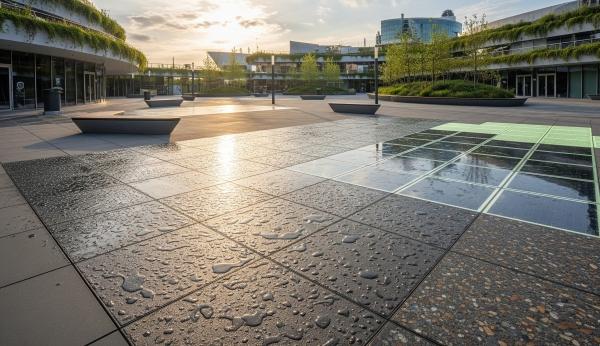
Consider factors such as outdoor tile over concrete patio requirements if your project extends to exterior spaces. Sustainable tiles suitable for outdoor applications must meet additional durability and weather resistance standards while maintaining environmental benefits.
Working with Design Professionals
Collaboration with experienced design professionals familiar with sustainable materials ensures optimal product selection and installation planning. These experts understand how to integrate eco-friendly tiles effectively while achieving desired aesthetic and performance goals.
Professional guidance becomes particularly valuable when coordinating sustainable tiles with other green building elements or when pursuing certification under programs like LEED or ENERGY STAR. Expert knowledge helps navigate complex requirements while maximizing project benefits.
Planning for Long-Term Success
Successful sustainable tile projects require long-term thinking that considers maintenance requirements, replacement schedules, and evolving design preferences. Choosing timeless designs and high-quality sustainable materials supports both aesthetic and environmental goals over extended periods.
Documentation of product specifications, installation details, and maintenance recommendations ensures optimal long-term performance while supporting warranty claims and future renovation planning. This documentation becomes particularly important for sustainable products that may have specific care requirements.
Conclusion
Eco-friendly subway tiles represent a perfect intersection of classic design aesthetics and modern environmental responsibility. These sustainable options prove that homeowners no longer need to compromise between style and environmental consciousness when planning renovation projects. From recycled glass and reclaimed ceramic to innovative bio-based materials, sustainable subway tiles offer diverse options suitable for any design vision while significantly reducing environmental impact.
The benefits of choosing eco-friendly subway tiles extend far beyond initial environmental considerations. Superior durability, reduced maintenance requirements, improved indoor air quality, and long-term cost savings make these materials excellent investments for any renovation project. As manufacturing technologies continue advancing and market availability expands, sustainable options become increasingly competitive with traditional alternatives.
Whether you're planning a bathroom remodel or updating kitchen backsplashes, eco-friendly subway tiles provide beautiful, durable, and environmentally responsible solutions. By choosing sustainable materials from reputable suppliers and working with qualified installers, you can create stunning spaces that reflect both personal style and environmental values.
The future of home renovation lies in sustainable practices that preserve natural resources while creating beautiful, healthy living spaces. Eco-friendly subway tiles represent an essential component of this sustainable approach, offering proven solutions that benefit both homeowners and the environment. As you plan your next renovation project, consider the lasting impact of your material choices and the positive difference that sustainable options can make.
To explore the full range of eco-friendly tile options and receive expert guidance for your sustainable renovation project, visit Nova Tile and Stone and discover how beautiful, responsible design choices can transform your space while protecting our planet for future generations.
Would you like more information
about a product?
Frequently Asked Questions
What makes subway tiles eco-friendly compared to traditional ceramic tiles?
Eco-friendly subway tiles are manufactured using sustainable practices that significantly reduce environmental impact. These tiles often incorporate recycled materials such as post-consumer glass, reclaimed ceramic, or recycled content from manufacturing waste. Additionally, sustainable manufacturing processes utilize renewable energy sources, water recycling systems, and energy-efficient kilns that reduce greenhouse gas emissions. Many eco-friendly options also feature natural materials like bamboo fiber or responsibly quarried stone that require minimal processing. The combination of recycled content, sustainable manufacturing, and reduced resource consumption makes these tiles substantially more environmentally responsible than traditional ceramic alternatives.
How do eco-friendly subway tiles perform in high-moisture environments like bathrooms?
Sustainable subway tiles excel in high-moisture environments due to their superior manufacturing quality and material properties. Many eco-friendly options, particularly porcelain varieties, feature extremely low water absorption rates that prevent moisture penetration and bacterial growth. Natural materials like certain stones provide inherent antimicrobial properties that resist mold and mildew formation. Recycled glass tiles offer excellent water resistance while maintaining their appearance indefinitely in wet conditions. The dense composition and proper firing techniques used in sustainable tile manufacturing often result in superior moisture resistance compared to standard ceramic tiles, making them ideal for bathroom applications and other high-humidity spaces.
Are eco-friendly subway tiles more expensive than conventional options?
While eco-friendly subway tiles may have higher initial costs than basic ceramic options, the total cost of ownership often favors sustainable choices. The superior durability of many eco-friendly materials reduces replacement frequency, providing long-term savings. Additionally, reduced maintenance requirements and improved energy efficiency can offset initial price differences. Many regions offer tax incentives, rebates, or credits for sustainable building materials that significantly reduce effective costs. When considering factors such as longevity, performance, health benefits, and potential property value increases, eco-friendly subway tiles frequently provide better value than conventional alternatives. Market trends show decreasing price gaps as sustainable options become more mainstream and manufacturing scales improve.
Can eco-friendly subway tiles achieve the same design aesthetics as traditional options?
Modern eco-friendly subway tiles offer design versatility that equals or exceeds traditional ceramic options. Advanced manufacturing techniques produce consistent colors, textures, and finishes while maintaining sustainable practices. Recycled glass tiles provide unique visual depth and character impossible to achieve with standard ceramics. Natural stone options offer inherent beauty and variation that synthetic materials cannot replicate. Sustainable tiles are available in all traditional subway sizes plus contemporary formats, enabling creative pattern installations including herringbone, vertical stack, and diagonal layouts. The range of available colors, textures, and finishes in eco-friendly options allows designers and homeowners to achieve virtually any aesthetic goal while maintaining environmental responsibility. Many sustainable tiles actually offer superior design possibilities due to their unique material properties and manufacturing processes.
What certifications should I look for when selecting eco-friendly subway tiles?
When selecting eco-friendly subway tiles, look for certifications that verify environmental and health standards. GREENGUARD certification ensures low chemical emissions for improved indoor air quality. ENERGY STAR ratings indicate energy-efficient manufacturing processes. Cradle to Cradle certification evaluates the entire product lifecycle including material sourcing, manufacturing, use phase, and end-of-life considerations. Look for tiles with high recycled content percentages, preferably certified by third-party organizations. LEED points contribution information helps if you're pursuing green building certification. Additionally, seek manufacturers with ISO 14001 environmental management certification and transparent sustainability reporting. Regional certifications may also apply depending on your location. Reputable suppliers like those offering comprehensive tile selections can provide detailed certification information and guidance for selecting products that meet specific environmental standards and project requirements.