Cleaning porcelain subway tiles requires only three household ingredients: dish soap, white vinegar, and baking soda. For daily maintenance, wipe tiles with warm water and a drop of dish soap using a microfiber cloth. For deep cleaning, spray a 1:1 vinegar-water solution on tiles, let sit for 5-10 minutes, then scrub and rinse. Porcelain's non-porous surface makes it naturally stain-resistant and easier to clean than ceramic or natural stone, requiring no special sealers or expensive products.
The key to maintaining spotless subway tiles in various colors is consistent daily care rather than intensive scrubbing sessions. Kitchen backsplashes benefit from quick wipe-downs after cooking to prevent grease buildup, while bathroom tiles should be squeegeed after each shower to eliminate soap scum and hard water deposits. This proactive approach keeps your tiles looking pristine with minimal effort, as porcelain's glazed surface repels moisture and prevents dirt from penetrating below the surface.
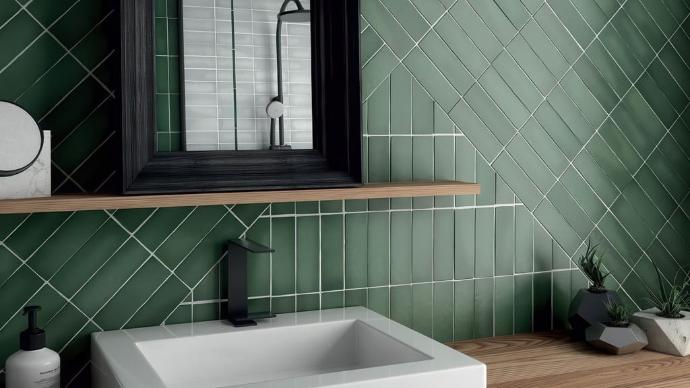
Understanding Your Porcelain Subway Tiles
Porcelain is fired at higher temperatures than ceramic, creating a denser, less porous material that's incredibly resistant to moisture, stains, and wear. According to ANSI standards for ceramic tile, porcelain must have a water absorption rate of 0.5% or less, which contributes to its superior durability. The glazed surface of most porcelain tile options creates a protective barrier that repels dirt and grime.
Unlike porous materials where spills can penetrate and stain, porcelain keeps everything on the surface where you can easily wipe it away. The Tile Council of North America confirms that this non-porous characteristic makes porcelain ideal for wet areas like kitchens and bathrooms.
Daily Maintenance for Sparkling Tiles
The secret to keeping porcelain subway tiles looking their best isn't complicated cleaning marathons. It's consistent daily maintenance that prevents buildup before it starts. Keep a microfiber cloth handy near your tiled surfaces and make it a habit to quickly wipe away splashes, soap residue, or cooking splatters while they're fresh.
For kitchen backsplashes, give your tiles a quick once-over with a damp microfiber cloth after cooking, especially when frying or sautéing. This prevents grease from building up and becoming that stubborn, sticky film that's much harder to remove later. In bathrooms, squeegee shower tiles after each use to prevent soap scum and hard water deposits from forming. This thirty-second habit dramatically reduces how often you'll need to deep clean.
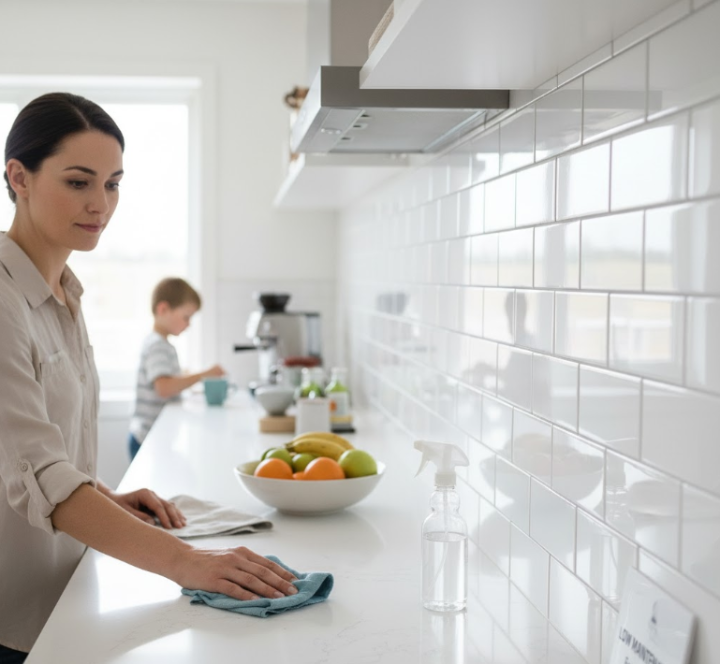
The Best Cleaning Solutions for Porcelain
You don't need a cabinet full of specialized cleaners to keep 3x6 subway tiles spotless. The most effective cleaning solution is probably already in your kitchen: warm water mixed with a few drops of dish soap. Mix about a tablespoon of dish soap into a gallon of warm water, and you have a cleaning solution that works wonders.
For tougher jobs, white vinegar diluted with equal parts water creates a powerful yet safe cleaning solution that tackles soap scum, hard water deposits, and mineral buildup. Simply spray the solution onto the affected areas, let it sit for five to ten minutes, then wipe clean with a microfiber cloth or soft sponge. Always rinse with clean water afterward to remove any vinegar residue.
Baking soda serves as an excellent gentle abrasive for stubborn spots. Create a paste by mixing baking soda with water until it reaches a toothpaste-like consistency. Apply this paste to stains or areas with built-up grime, gently scrub with a soft brush or cloth, then rinse thoroughly. The mild abrasive action removes buildup without scratching the glazed surface.
Deep Cleaning Your Porcelain Subway Tiles
Even with regular maintenance, your porcelain subway tiles will benefit from periodic deep cleaning. Set aside time monthly or quarterly, depending on your tiles' location and exposure to dirt and moisture. The Ceramic Tile Distributors Association recommends establishing a consistent cleaning schedule based on usage patterns.
Start by removing loose dust and debris with a dry microfiber cloth or vacuum with a soft brush attachment. Next, prepare your cleaning solution and work in sections to ensure complete coverage. Apply your cleaning solution generously, allowing it to dwell on the surface for several minutes to break down grease, soap scum, and other residues.
Use a non-abrasive sponge or microfiber cloth to scrub in circular motions, paying extra attention to areas where grime tends to accumulate. The grout lines require special attention during deep cleaning. While tiles in different sizes are non-porous, grout is quite porous and can harbor dirt, mildew, and stains. Use a grout brush or old toothbrush to scrub grout lines with your cleaning solution. For particularly dingy grout, let a paste of baking soda and water sit on the grout lines for fifteen minutes before scrubbing.
Tackling Common Stains and Issues
Hard water stains are common in bathrooms, appearing as white, cloudy deposits on tiles. The vinegar solution excels at dissolving these mineral deposits. For severe buildup, apply undiluted vinegar, let it sit for twenty minutes, then scrub and rinse. This Old House recommends this method for maintaining porcelain's appearance over time.
Soap scum develops when soap residue combines with hard water minerals. Prevent soap scum by switching to liquid body wash instead of bar soap, which leaves more residue. When soap scum appears, vinegar solution breaks it down effectively. For stubborn cases, sprinkle baking soda over the affected area after spraying with vinegar. The fizzing reaction helps lift the scum away.
Grease buildup on kitchen backsplashes requires dish soap and warm water solution. For heavy grease accumulation, use a slightly higher concentration of dish soap or add a splash of white vinegar. Apply the solution, let it sit to break down the grease, then wipe away with a clean, damp cloth.
Mold and mildew can develop in humid environments like showers. Regular ventilation and daily squeegee habits prevent most mold growth, but if you spot mold, address it immediately. A solution of one part bleach to ten parts water kills mold effectively. The National Kitchen and Bath Association emphasizes proper bathroom ventilation to prevent these issues. Always ensure adequate ventilation and never mix bleach with other cleaning products, especially vinegar or ammonia.
Tools and Techniques for Success
Microfiber cloths are your best friend. They're absorbent, non-abrasive, and clean without leaving lint or streaks. A soft-bristled brush helps with grout cleaning, while a squeegee is essential for daily shower maintenance. Browse our complete tile selection to find the right supplies for your needs.
Avoid using steel wool, abrasive scrubbers, or harsh chemical cleaners on porcelain tiles. Stick with soft cloths, non-abrasive sponges, and gentle cleaning solutions for the best results. When cleaning, work from top to bottom so dirty water flows down to areas you haven't cleaned yet. Professional installers at Coverings, the premier tile industry event, recommend using circular motions when scrubbing and always rinsing thoroughly after cleaning to prevent residual products from leaving a dull film.

Long-Term Care and Protection
While porcelain doesn't require sealing, the grout benefits from periodic sealing to prevent staining and moisture penetration. Apply a grout sealer annually to keep grout looking fresh and make future cleaning easier. The Ceramic Tile Foundation provides detailed guidance on proper grout maintenance and edge protection techniques.
Address any cracks or chips in tiles promptly to prevent moisture from penetrating beneath the surface. Even small damage can allow water to seep underneath, potentially causing mold growth, grout deterioration, or substrate damage over time. If you notice damage to your tiles in various styles, whether in your kitchen backsplash, bathroom walls, or other tiled areas, replacement may be necessary to maintain the integrity of your space.
You can contact usat any of our showroom locations to discuss replacement options and receive a free design consultation. Our design team can help you select tiles that match your existing installation or guide you toward a fresh new look. We also invite you to explore our extensive selection of matte porcelain subway tiles that offer excellent durability and moisture resistance, or consider upgrading to our glossy 3D decorative options that add visual interest while maintaining practical functionality.
Proper ventilation in bathrooms prevents excessive moisture buildup that can lead to mold and mildew. Run your bathroom fan during and after showers, or open a window to allow humidity to escape. In kitchens, use your range hood when cooking to remove grease-laden air before it settles on your backsplash. Family Handyman notes that proper care extends the life of bathroom tile installations significantly.
Conclusion
Cleaning porcelain subway tiles doesn't require expensive products or complicated techniques. With regular maintenance using simple household ingredients like dish soap, vinegar, and baking soda, you can keep your tiles looking pristine for years. The key is consistency. Those daily quick wipe-downs prevent buildup that requires intensive scrubbing later.
Remember that porcelain's non-porous nature works in your favor, making it naturally resistant to stains and moisture. Whether you're working with classic white and colored tiles or exploring modern terrazzo-look options, proper cleaning methods protect your investment while maintaining beautiful aesthetics.
Visit Nova Tile and Stone to explore our complete selection of porcelain subway tiles, and shop at our local showrooms in Reno, Minden, Sacramento, and Fernley.
Take action today to establish these simple cleaning routines, and enjoy beautiful, low-maintenance tile surfaces that enhance your home's style for decades. For more information about our product selection or to learn more about us, visit our website or stop by any of our Northern Nevada and Northern California locations.
Featured Products
Frequently Asked Questions
Can I use bleach on porcelain subway tiles?
Yes, you can safely use diluted bleach on porcelain subway tiles, though it's typically only necessary for addressing mold or mildew. Mix one part bleach with ten parts water for a safe cleaning solution that won't damage the tiles. However, use bleach sparingly and ensure adequate ventilation while cleaning. Never mix bleach with other cleaning products like vinegar or ammonia, as this creates dangerous fumes. According to Tile Letter, proper cleaning techniques preserve tile integrity over the long term. For routine cleaning, gentler solutions like dish soap and water or vinegar and water work just as effectively without the harsh chemical smell or potential risks associated with bleach.
How often should I deep clean my porcelain subway tiles?
The frequency of deep cleaning depends on the tile location and usage. Kitchen backsplashes typically need deep cleaning monthly due to grease and food splatter, while bathroom tiles may require deep cleaning every four to six weeks depending on household size and usage patterns. However, if you maintain consistent daily cleaning habits like wiping down kitchen tiles after cooking and squeegeeing shower tiles after use, you may extend the time between deep cleaning sessions. High-traffic areas or tiles in rental properties might need more frequent attention, while tiles in guest bathrooms used infrequently may only require deep cleaning quarterly.
Will vinegar damage my porcelain tiles or grout?
Vinegar is safe for porcelain tiles and sealed grout when properly diluted and used correctly. The non-porous nature of porcelain makes it resistant to the mild acidity of vinegar solutions. However, always dilute vinegar with equal parts water and rinse thoroughly after cleaning to prevent any potential residue buildup. If your grout is unsealed or in poor condition, vinegar's acidity could potentially cause gradual deterioration over time with repeated use. In these cases, stick with pH-neutral cleaners like dish soap and water. The Natural Stone Institute confirms that for sealed grout in good condition, diluted vinegar used occasionally for tough cleaning jobs won't cause damage and effectively removes soap scum and hard water deposits.
What's the best way to prevent soap scum buildup on shower tiles?
Prevention is easier than removal when it comes to soap scum. Switch from bar soap to liquid body wash, as bar soap leaves significantly more residue that combines with hard water minerals to form soap scum. After each shower, use a squeegee to remove water from tile surfaces. This thirty-second habit dramatically reduces soap scum formation by preventing the residue and minerals from drying on the tiles. Additionally, ensure proper bathroom ventilation by running the exhaust fan during and after showers to reduce humidity and help surfaces dry faster. If soap scum does develop despite these preventive measures, address it immediately with a vinegar and water solution before it builds up into a stubborn film.
Can steam cleaners be used on porcelain subway tiles?
Yes, steam cleaners work excellently on porcelain subway tiles and offer a chemical-free cleaning method that's both effective and environmentally friendly. The high-temperature steam loosens dirt, grease, and grime while sanitizing the surface without requiring cleaning products. Steam cleaning is particularly effective for deep cleaning grout lines, as the penetrating heat reaches into the porous grout to remove embedded dirt and kill mold spores. However, ensure your grout is in good condition and properly sealed before using a steam cleaner, as the heat and moisture can potentially damage deteriorating or unsealed grout. Always follow the steam cleaner manufacturer's instructions and avoid holding the steam nozzle in one spot for extended periods, which could potentially damage grout or create excess moisture.