Earth-tone subway tiles bring warm, grounded color palettes to kitchen spaces through hues derived from natural clay, stone, and mineral pigments. These tiles in shades of terracotta, sand, olive, rust, and warm gray create visual connections to organic materials while maintaining the clean geometry that makes subway tile layouts universally adaptable.
The combination of earthy colors with the classic rectangular format produces kitchens that feel both contemporary and timeless, avoiding the sterile quality that stark white surfaces can create while still providing the structure and durability required in cooking spaces.
Natural kitchens prioritize sustainable materials, tactile textures, and color schemes that reflect the outdoors, making earth-tone subway tile an ideal surface choice. The warm neutrals complement wood cabinetry, stone countertops, and metal hardware without competing for attention. Modern subway tile patterns like herringbone subway tile backsplash and vertical subway tile arrangements add visual interest while allowing the organic color palette to remain the focal point.
When planning kitchen renovations that emphasize natural aesthetics, explore tiles organized by color to discover the range of earth-tone options available in various finishes and dimensions. Whether you're working on a full renovation or a focused backsplash update, quality tile selection makes all the difference in achieving authentic organic design.
This guide examines specific strategies for incorporating earth-tone subway tiles into organic kitchen designs, covering color coordination, pattern selection, material considerations, and practical applications that balance aesthetic goals with performance requirements for cooking environments.
Understanding Earth Tone Color Families and Their Kitchen Applications
Earth tones encompass warm neutrals derived from natural pigments found in soil, clay, and vegetation. Terracotta shades bring vibrant orange-brown warmth, while sand and beige tones offer subtle neutrality. Olive and sage greens connect spaces to plant life, and warm grays provide modern elegance without coldness.
Terracotta and rust hues energize spaces and work well in Mediterranean and Southwestern designs. Sand tones deliver versatility that complements virtually any cabinet color. Colored subway tile in these softer earth tones provides visual interest while maintaining neutral foundations. Olive greens bring sophistication as creative backsplash ideas, contrasting beautifully against white cabinets while coordinating with wood and brass fixtures.
Selecting the right earth-tone family depends on lighting conditions and cabinet colors. North-facing kitchens benefit from warmer terracotta and sand tones. South-facing spaces accommodate the full spectrum, including deeper rust and olive shades. White cabinets allow maximum flexibility, while wood cabinets coordinate best with sand, beige, and warm gray tiles.
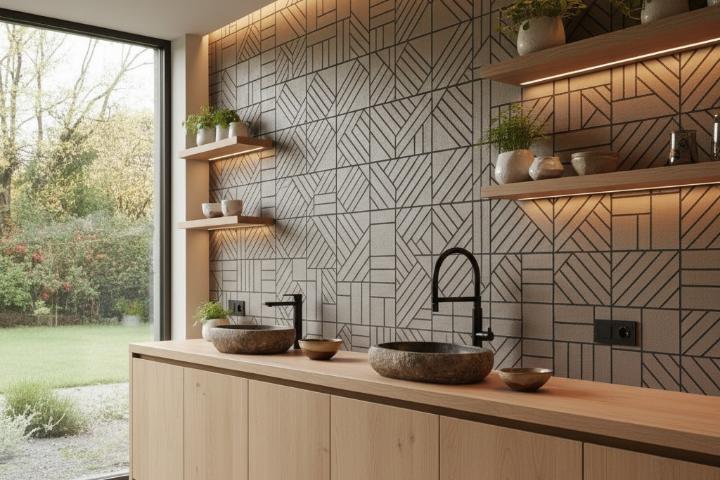
Material Selection: Porcelain vs Ceramic for Earth-Tone Kitchen Tiles
Porcelain tiles offer superior density and water resistance compared to ceramic alternatives, making them ideal for backsplash installations behind sinks and stoves. Porcelain's consistent color throughout the tile body means chips remain less noticeable. The material's low porosity prevents staining from cooking oils and sauces while resisting scratches better than ceramic options.
Ceramic subway tiles provide excellent aesthetics at lower price points. The distinction between ceramic and porcelain matters most for floor installations where durability becomes critical. For backsplashes, both materials perform well, though porcelain offers advantages in high-moisture areas and delivers textured surfaces that mimic handmade ceramics while providing modern performance.
Layout Patterns That Enhance Organic Kitchen Aesthetics
Creative backsplash ideas using earth-tone subway tiles extend beyond traditional horizontal patterns. The herringbone subway tile backsplash creates dynamic diagonal lines that add energy without overwhelming spaces. This pattern works particularly well with earth tones because diagonal orientation creates subtle color variations as light shifts throughout the day.
Vertical subway tile installations elongate wall height, making standard 8-foot ceilings feel more spacious. Different tile layout approaches change how color appears on walls. Chevron subway tile patterns create V-shaped arrangements that deliver visual impact while maintaining clean geometry. Basketweave subway tile arrangements alternate vertical and horizontal pairs, introducing texture through geometric variation.
Stack bond patterns create contemporary grid effects suited to modern organic kitchens. This layout emphasizes rectangular geometry while allowing subtle color gradations when using multiple earth-tone shades. The precise alignment demands qualified tile installers familiar with this pattern's technical requirements.
Grout Selection Strategies for Earth-Tone Subway Tiles
Grout color dramatically influences how earth-tone tiles read visually. Subway tile with dark grout creates strong grid patterns that emphasize rectangular geometry, working well when the installation should become a focal point. Dark brown or charcoal grout against terracotta or sand tiles creates definition without harsh contrast.
Matching grout to tile color creates seamless surfaces where tiles blend into continuous color fields. Beige grout with sand tiles or gray grout with warm gray tiles minimizes grid visibility, making spaces feel larger. Medium-value contrast grout provides balance-warm gray grout against terracotta or taupe grout against olive green creates visible patterns with softer impact than extreme contrasts.
Grout finish affects maintenance and appearance. Sanded grout suits joints wider than 1/8 inch, providing structural strength for larger spaces. Un-sanded grout works for tightly spaced tiles with 1/16 to 1/8 inch joints, creating smooth lines that clean easily. Epoxy grout provides maximum stain resistance for earth-tone installations.
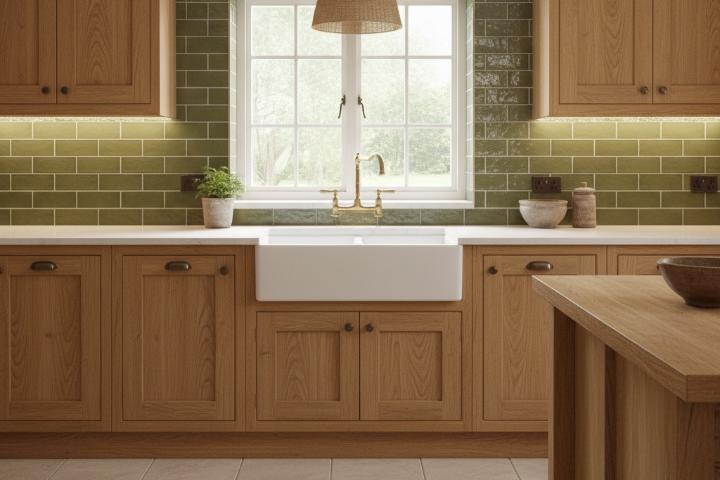
Coordinating Earth-Tone Tiles with Natural Kitchen Elements
Wood cabinetry creates the foundation for organic designs. Light woods like maple or whitewashed oak pair with the full earth-tone spectrum. Medium-tone woods including cherry and walnut coordinate with sand, warm gray, and terracotta tiles. Dark woods benefit from lighter earth tones that prevent spaces from feeling heavy.
Stone countertops influence earth-tone selection. Granite with warm brown flecking coordinates with terracotta and sand tiles. Gray granite pairs with warm gray earth tones. Quality hardware finishes like brass and copper complement warm earth tones while developing natural patina over time. Brushed nickel suits cooler earth tones, and bronze finishes bridge the spectrum.
Sizing and Scale Considerations for Kitchen Applications
Traditional 3x6 subway tiles remain the most popular size for backsplashes, working well in kitchens of any size. Larger formats including 4x12 and 4x16 create contemporary appearances, reducing grout line frequency and allowing earth-tone colors to read more purely. These expanded proportions suit modern kitchens with larger footprints.
Smaller variations including 2x4 formats introduce delicate geometry suited for accent bands or detail work. Exploring tiles by size helps you understand how dimensional changes affect visual impact. Mixing subway tile sizes creates custom looks-pairing 3x6 field tiles with 2x4 accents in complementary earth tones adds subtle variation and geometric interest. For projects seeking natural stone aesthetics with modern performance, terrazzo-look options provide earth-tone appeal.
Installation Best Practices for Earth-Tone Kitchen Tiles
Proper surface preparation ensures long-term performance. Backsplash installations require clean, flat, dry surfaces. Tile installation standards establish substrate preparation guidelines. White thin-set works with lighter earth tones, while gray thin-set suits darker tiles. Modified thin-set contains polymer additives improving adhesion over drywall.
Plan tile layout to prevent awkward cuts. Mark centerlines before beginning installation. Dry-lay the first row to determine how cuts fall at corners. Professional installation practices ensure quality results. Grout application requires proper technique-mix to peanut butter consistency, apply diagonally, and clean with damp sponges. Allow 48-72 hours curing before sealing.
Comparing Earth-Tone Subway Tiles with Alternative Backsplash Materials
Feature | Earth-Tone Subway Tile | Natural Stone | Painted Drywall | Glass Tile |
Water Resistance | Excellent | Good (requires sealing) | Poor | Excellent |
Heat Resistance | Excellent | Excellent | Poor | Good |
Maintenance | Low | Moderate to High | Low | Low |
Color Stability | Permanent | May vary/darken | Requires repainting | Permanent |
Installation Cost | Moderate | High | Low | High |
Lifespan | 50+ years | 50+ years | 5-10 years | 30+ years |
Organic Aesthetic | Strong | Very Strong | Moderate | Low |
Customization | High (patterns) | Moderate | High (color) | Moderate |
This comparison reveals why earth-tone subway tiles excel in organic kitchen applications. The combination of durability, aesthetic flexibility, and manageable maintenance requirements makes subway tile formats more practical than many alternatives. Natural stone delivers comparable organic aesthetics but requires more maintenance and costs more initially. Glass tiles provide modern looks but lack the warmth and natural character that organic kitchen designs require.
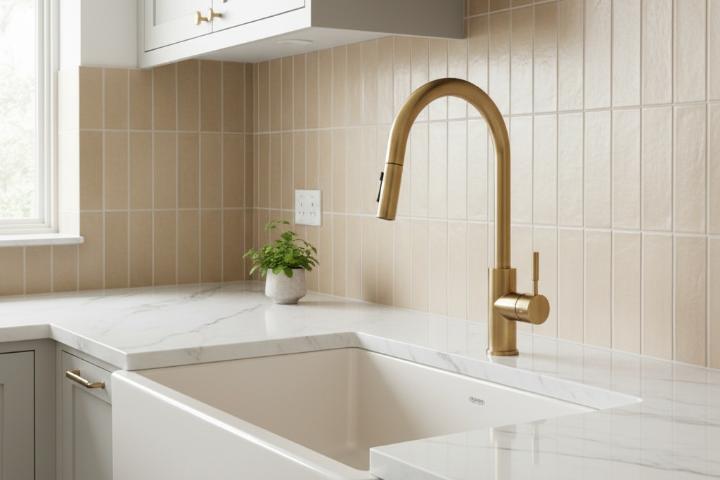
Step-by-Step Guide to Selecting Your Earth-Tone Subway Tile
Step 1: Evaluate Your Kitchen's Natural Light and Existing Elements
Begin by assessing how much natural light enters your kitchen throughout the day. North-facing kitchens benefit from warmer earth tones like terracotta and sand that compensate for cooler natural light. South and west-facing spaces can accommodate the full earth-tone spectrum including cooler olive and warm gray options. Document your cabinet color, countertop material, and hardware finish, as these elements must coordinate with your tile selection.
Step 2: Define Your Design Direction and Color Preferences
Determine whether your organic kitchen leans traditional, contemporary, or transitional. Traditional organic kitchens pair well with terracotta and rust earth tones. Contemporary spaces suit warm grays and subtle sand shades. Transitional designs work with any earth-tone family. Consider which colors feel most calming and appealing to you personally, as you'll live with this choice for years. Browse available products to see actual tile options in various earth-tone colors.
Step 3: Select Tile Format and Layout Pattern
Choose subway tile dimensions based on your kitchen's scale and aesthetic direction. Standard 3x6 sizes suit most applications, while larger formats create more contemporary looks. Decide on layout patterns that enhance your space. Herringbone adds movement, vertical installations create height, and traditional horizontal running bond delivers timeless appeal. For textured options, consider 3D decorative subway tiles or matte porcelain formats. Sketch your preferred pattern before purchasing materials.
Step 4: Coordinate Grout Color with Overall Design Vision
Select grout colors that support your design intent. Dark grout creates graphic patterns, matching grout produces seamless surfaces, and mid-tone contrast grout balances visibility with cohesion. Request grout color samples to test against your selected earth-tone tiles. Consider maintenance requirements. Darker grouts hide staining better than light colors in kitchen environments. Visit local showrooms to see actual tile and grout combinations installed on vertical surfaces under proper lighting.
Step 5: Order Samples and Test in Your Actual Kitchen Space
Never select earth-tone subway tiles based solely on online images or showroom lighting. Order physical samples and view them in your actual kitchen under both natural daylight and artificial evening lighting. Tape samples to your wall near cabinets and countertops to assess color coordination. Observe how the earth tones appear at different times of day. This testing phase prevents costly mistakes and ensures your final selection meets expectations for color, texture, and finish.
Pros and Cons of Earth-Tone Subway Tiles in Organic Kitchens
Pros:
- Timeless Appeal: Earth-tone colors avoid trend-driven hues that may feel dated as design preferences evolve, providing long-term aesthetic relevance
- Natural Material Coordination: Warm neutrals harmonize effortlessly with wood cabinetry, stone countertops, and metal hardware without creating visual competition
- Versatile Pattern Options: Subway tile geometry adapts to numerous layout patterns from traditional running bond to contemporary herringbone arrangements
- Forgiving Maintenance: Earth-tone colors show less dirt and water spotting than stark white tiles, reducing visible cleaning needs between deep cleans
- Psychological Warmth: Organic color palettes create inviting, comfortable kitchen atmospheres that encourage gathering and cooking activities
- Resale Value: Neutral earth tones appeal to broad buyer preferences, protecting home resale value better than bold color choices
Cons:
- Lower Light Reflection: Earth tones absorb more light than white tiles, potentially making kitchens feel darker in spaces with limited natural light
- Color Matching Challenges: Finding exact earth-tone matches for future repairs or additions can prove difficult as tile production runs vary in color
- Limited Brightness Enhancement: Organic colors won't brighten kitchens as effectively as white or light gray tiles in smaller or darker spaces
- Coordination Requirements: Earth-tone tiles demand careful coordination with existing elements, requiring more planning than universally neutral whites
- Trend Sensitivity: While timeless compared to bold colors, earth-tone popularity fluctuates with broader design trends toward warmer versus cooler palettes
- Grout Color Decisions: Earth tones require more careful grout selection than white tiles, where white grout provides automatic coordination
Earth-Tone Tiles in Different Kitchen Zones
Behind the Range: Terracotta or rust tiles create warm backdrops for stainless steel appliances. Herringbone or chevron patterns add architectural interest in this focal point.
Sink Wall Areas: Lighter sand and warm gray tiles show water spots less visibly. Brass faucets pair beautifully with warm earth tones while chrome suits cooler options.
Full-Height Installations: Vertical subway tile layouts from counter to ceiling work best with lighter earth tones to prevent overwhelming spaces.
Accent Walls: Olive or terracotta accent walls opposite the work area create visual interest without interfering with functional zones.
Conclusion
Earth-tone subway tiles deliver the perfect synthesis of timeless geometry and organic color for natural kitchens that prioritize warmth, authenticity, and connection to natural materials. The extensive range of earth tones from terracotta to warm gray provides flexibility to match any organic kitchen aesthetic while maintaining the practical performance that kitchens demand. Creative subway tile layouts including herringbone, vertical, and chevron patterns add visual interest without compromising the format's inherent simplicity and elegance.
The decision to incorporate earth-tone subway tiles affects kitchen atmospheres for decades, making careful selection of color, material, pattern, and grout essential for achieving desired results. Whether renovating existing spaces or designing new construction, earth-tone subway tiles offer proven durability, manageable maintenance, and aesthetic versatility that adapts as your tastes evolve. The investment in quality materials and proper installation creates kitchen environments that feel grounded, inviting, and naturally beautiful.
For homeowners ready to create organic kitchens with earth-tone subway tiles, explore the complete tile collection to discover colors, finishes, and sizes that match your vision. Professional guidance helps navigate the selection process, ensuring your choices coordinate with existing elements while achieving the natural aesthetic you envision. Browse tiles by style and connect with tile specialists who understand how earth-tone palettes, installation patterns, and material properties combine to create kitchens that honor organic design principles while meeting modern performance standards. Visit your local showroom to see samples in person and contact us for project consultations.
Frequently Asked Questions
What are the best earth-tone colors for small kitchens?
Lighter earth tones including sand, beige, and warm gray work best in small kitchens because they reflect more light than darker terracotta or rust options, helping spaces feel larger and brighter. These softer colors create open, airy environments while still delivering the warmth and organic character that earth-tone palettes provide. Avoid very dark earth tones in compact kitchens unless you have exceptional natural light, as they can make already small spaces feel more confined.
Do earth-tone subway tiles require special cleaning products?
Earth-tone subway tiles need only standard pH-neutral tile cleaners or mild dish soap with warm water for routine maintenance. Avoid harsh acidic cleaners that might damage grout or tile glazes. The earth-tone colors actually show less dirt and water spotting than white tiles, making them more forgiving between cleanings. For grease buildup near cooking areas, specialized tile degreasers work effectively without requiring products specifically formulated for colored tiles.
Can I mix different earth-tone colors in one backsplash?
Yes, mixing complementary earth tones creates custom looks with added visual interest. Pair sand with terracotta, warm gray with olive, or beige with rust for subtle color variations. Plan mixed installations carefully to ensure colors balance rather than clash. Use roughly 60-70% of one dominant color with 30-40% accent colors for best results. Test combinations with physical samples before purchasing full quantities to ensure satisfaction with color relationships.
How do earth-tone tiles affect kitchen resale value?
Earth-tone subway tiles generally maintain or enhance kitchen resale value because neutral color palettes appeal to broad buyer demographics. Unlike bold trendy colors that might alienate potential buyers, earth tones provide safe middle ground between stark whites and polarizing brights. Buyers appreciate that earth-tone kitchens require minimal updating to match personal preferences, making homes more marketable. Quality tile installations in classic patterns demonstrate careful home maintenance that buyers value.
What's the best grout color for terracotta subway tiles?
Medium brown or warm charcoal grout works beautifully with terracotta subway tiles, creating enough contrast to showcase the tile pattern without harsh lines. Matching terracotta-colored grout produces seamless appearances where tiles blend together. Avoid white grout with terracotta as this high contrast can feel jarring in organic kitchen designs. Test multiple grout colors against your specific terracotta tiles, as variations in tile color affect which grout shade looks most harmonious.