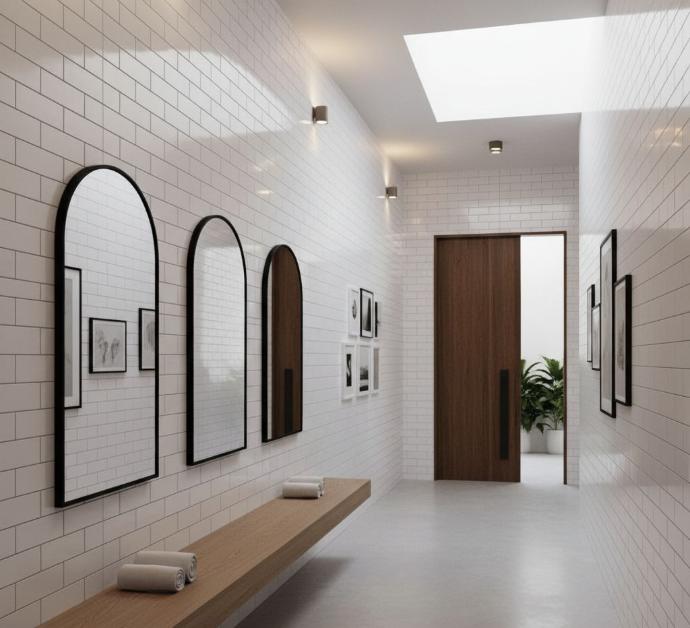
Yes, white subway tiles can make small spaces look bigger by reflecting light and creating visual continuity. These tiles work through three primary mechanisms: light reflection that brightens rooms by up to 30%, reduced visual clutter from their clean lines, and enhanced depth perception when paired with strategic design elements.
The effectiveness of white subway tiles in expanding spatial perception depends on four key factors. When exploring different tile types, understanding these factors helps optimize your selection:
- Tile size and grout lines - Larger formats (4x8, 4x12, 3x9) create fewer grout lines, producing cleaner visual surfaces that make spaces feel more open
- Lighting strategy - Combining natural light with cool-temperature artificial lighting (4000K-5000K) maximizes the reflective benefits
- Grout color selection - Matching white or light gray grout creates seamless surfaces that prevent visual fragmentation
- Contrast elements - Pairing white tiles with darker cabinetry, flooring, or accents adds depth and prevents sterile appearances
White subway tiles perform best in small bathrooms, compact kitchens, and narrow hallways where light reflection matters most. This guide explores the science behind their space-expanding properties and provides actionable implementation strategies for Northern Nevada and Northern California homes.
Understanding Color Psychology in Small Space Design
Color selection fundamentally alters spatial perception. White holds particular significance in interior design, especially when addressing space limitations in compact rooms. When shopping tiles by color, understanding these psychological effects helps homeowners make informed decisions that maximize their space's potential.
White's Spatial Impact
White, frequently described as the "hue of illumination," creates powerful psychological effects on room dimensions, particularly in smaller environments. Associated with purity, minimalism, and balance, white generates sensations of expansiveness. The reflective characteristics of white surfaces allow both daylight and electric lighting to travel farther into rooms, minimizing shadows and amplifying brightness.
In confined areas such as powder rooms or galley kitchens, white subway tiles achieve maximum effectiveness when combined with streamlined fixtures and uncluttered cabinetry that reinforce spatial openness. According to ANSI A137.1 standards for ceramic tile, properly installed white tiles provide both aesthetic and functional benefits in moisture-prone areas. White additionally provides calming psychological benefits, establishing peaceful atmospheres.
Leveraging Visual Contrast
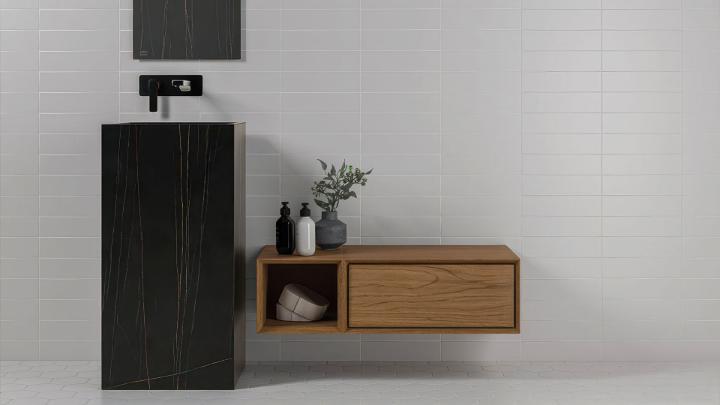
White subway tiles reflect ambient light and expand spatial perception, yet their impact intensifies when paired against contrasting components. The contrast principle states that opposing colors or surface treatments make individual elements more prominent. When working with white subway tiles, incorporating deeper-toned cabinetry, flooring, or feature walls accentuates the luminosity of white tiles, generating more dynamic room experiences.
Consider a compact kitchen: matching a white subway tile backsplash with dark countertops or flooring introduces dimensional depth. Visual contrast guides sight lines outward, making the room register as more substantial than actual measurements. In bathrooms featuring dark flooring or vanities, white subway tiles direct visual attention upward to create height and openness.
This effect transcends color—surface texture plays an equally significant role. Matte or textured finishes combined with smooth white tiles establish satisfying equilibrium, delivering both visual appeal and tactile variation. The National Kitchen & Bath Association emphasizes the importance of balanced design elements in creating functional, beautiful spaces.
Strategic Lighting for Enhanced Spaciousness
Illumination fundamentally shapes how expansive any room feels, with particular importance in space-limited environments. Whether utilizing natural daylight or electric lighting, the interaction between light sources and surfaces dramatically transforms spatial perception. Professional tile layout techniques combined with proper lighting create maximum visual impact.
Natural Versus Artificial Light Sources
Natural daylight provides ideal conditions for establishing spaciousness, and white subway tiles magnify this benefit by reflecting sunlight throughout interior spaces. This luminosity transforms even compact areas into open, welcoming environments. Current bathroom tile trends show increasing preference for light-reflective surfaces in small spaces.
In rooms where natural light remains restricted, artificial lighting becomes indispensable. Through layering ambient, task, and accent illumination, you can replicate the dimensional brightness of natural daylight. Cool light temperatures ranging from 4000K to 5000K maintain bright, open atmospheres, and combining them with reflective tile surfaces generates airy ambiance even in naturally darker areas.
Fixture Selection Impact
Beyond light type and color temperature, the fixtures themselves critically influence spatial perception. Recessed lighting excels in compact spaces by providing substantial illumination without consuming visual real estate, allowing attention to focus on design features like white subway tiles.
Track lighting delivers adaptability by channeling light toward designated zones such as backsplashes or decorative elements, ensuring no sections remain in shadow. Decorative fixtures including minimalist pendant lights or contemporary chandeliers direct sight lines upward, establishing vertical dimension and openness. When shopping tiles by style, consider how your fixture choices will interact with tile finishes.
Layout and Design Strategies for Space Optimization
While illumination and color prove essential for influencing spatial experience, overall room arrangement and design execution play equally vital roles. How spaces are organized and which materials get selected either enhance or diminish perceived dimensions. Understanding the differences between ceramic versus porcelain tile helps inform these layout decisions.
Creating Spatial Illusions
Generating the illusion of expanded space requires strategic layout. Vertical design elements, such as vertically arranged subway tiles, elongate rooms by guiding sight lines upward and establishing height perception. Conversely, horizontal tile arrangements widen narrow rooms by drawing eyes across spaces.
Selecting furniture with exposed legs represents another impactful method for opening compact rooms. Floating vanities or chairs with visible legs reveal more flooring, reducing visual congestion and making rooms feel less confined. This unobstructed view establishes openness, permitting light to circulate freely. The Ceramic Tile Foundation provides guidance on proper tile installation techniques that maintain clean sight lines.
Pattern and Texture Applications
Incorporating patterns and textures offers subtle yet effective methods for enhancing spatial perception. Patterns, when deployed strategically, guide visual attention in ways that expand room feel. Tile designs featuring understated stripes or geometric configurations add depth without overwhelming sight lines. For those seeking unique visual effects, decorative 3D subway tiles create dimension while maintaining light-reflective properties.
However, avoid excessively bold patterns or heavy textures in compact spaces, as they can emphasize confined dimensions. White subway tiles, with their straightforward, smooth surfaces, provide excellent methods for adding texture without generating clutter. Their glossy finishes reflect illumination and contribute to overall brightness, enhancing spatial perception.
Practical Implementation Tips for Small Spaces
Integrating white subway tiles into compact spaces represents an excellent design decision, but maximizing their potential requires implementing complementary strategies that enhance the tiles and amplify room openness. When shopping by tile size, consider how different dimensions impact your specific space constraints.
Transform Compact Bathrooms
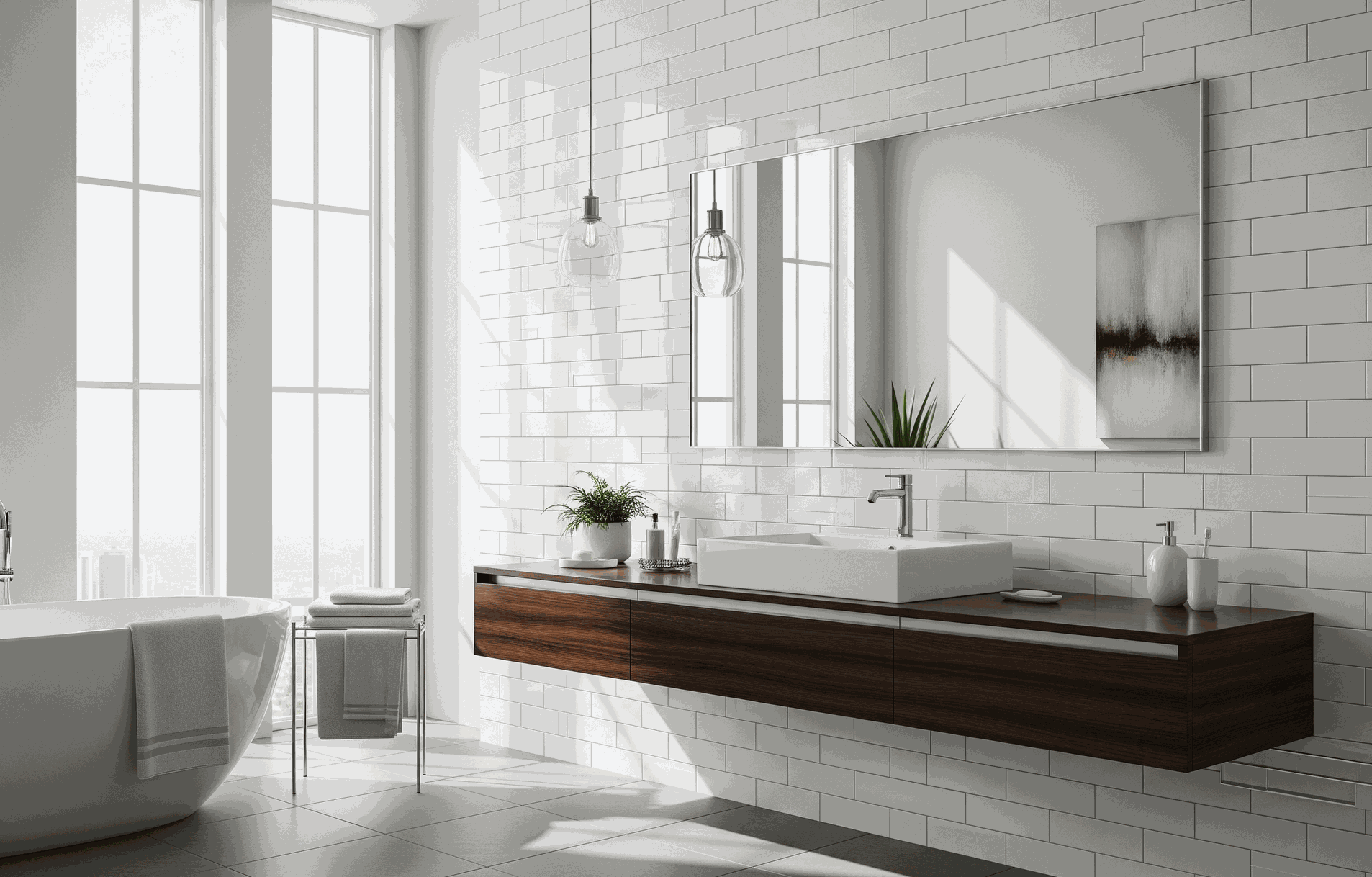
Small bathrooms frequently feel cramped, yet installing white subway tiles along walls and in shower enclosures dramatically opens these spaces. The reflective properties bounce light throughout rooms, making them feel considerably more spacious. For visual width enhancement, arrange tiles horizontally, and select floating vanities or wall-mounted fixtures to maintain clear floor space.
Recessed lighting proves invaluable for establishing openness in compact bathrooms. Positioned in ceilings or surrounding mirrors, recessed illumination prevents dimness, ensuring bathrooms remain bright and welcoming. These modifications transform tight bathrooms into serene, spacious retreats. The Ceramic Tile Distributors Association provides resources for certified tile installers who can execute these designs professionally.
Optimize Small Kitchen Spaces
White subway tiles revolutionize compact, darker kitchens, especially when matched with thoughtful lighting and visual contrast. Installing white subway tiles as backsplashes instantly brightens rooms by reflecting available illumination. The popular 3x12 matte porcelain subway tile offers an ideal balance of light reflection and contemporary style for small kitchens.
When kitchens feature darker countertops or flooring, leverage these elements to establish contrast against white tiles. This introduces depth and makes kitchens feel more expansive. Install recessed lighting beneath cabinets or along ceilings ensuring even illumination distribution. To explore the full range of materials available, visit Nova Tile and Stone's product showcase.
Utilize Mirrors for Spatial Enhancement
Mirrors represent proven design techniques for making compact spaces feel larger, and they complement white subway tiles exceptionally well. Consider positioning large mirrors on walls opposite white tile backsplashes in kitchens or above bathroom vanities. Mirrors reflect both illumination and tile surfaces, doubling spatial perception.
Additionally, mirrors framed with light-toned or minimalist materials complement white subway tiles, reinforcing cohesive room design. In kitchens or bathrooms with limited natural light, pairing mirrors with strategically placed lighting fixtures ensures entire spaces remain bright and airy. Contact our design team for personalized mirror placement recommendations.
Exploring White Subway Tile Alternatives
White subway tiles represent popular selections for creating spacious feelings, yet alternative options offer comparable results with distinctive aesthetics. The Coverings trade show annually showcases innovative tile designs that expand beyond traditional white subway formats.
Beyond Pure White
While white excels at opening rooms, alternative shades including soft blues, pale greens, or light grays achieve similar spacious effects. These colors reflect light comparably to white tiles while offering warmer, more personalized aesthetics. Pastel green or soft blue tiles evoke calming, coastal atmospheres while maintaining airy ambiance.
Pastel or muted tones work particularly effectively in spaces with restricted natural light, as they reflect both natural and artificial illumination. When combined with minimalist fixtures or white accents, these tones create open, expansive appearances without the starkness that pure white sometimes introduces. Understanding porcelain versus non-porcelain options helps inform material selection for these alternative colors.
Decorative Tile Options
For homeowners seeking alternatives that maintain light-reflective properties while adding visual interest, decorative tiles with unique patterns or shapes provide excellent solutions. Glossy finishes help enhance light reflection, making rooms feel open and bright, similar to white subway tile effects. Terrazzo-look tiles offer a contemporary alternative with speckled patterns that reflect light while adding subtle visual texture.
Traditional 3x6 subway tiles remain the most versatile option, but exploring variations adds personality while maintaining spatial benefits. The Natural Stone Institute provides education on natural stone alternatives that offer similar light-reflective qualities.
Conclusion
White subway tiles deliver exceptional solutions for transforming small spaces into bright, open environments that feel substantially larger than actual dimensions. Through strategic implementation combining reflective tile surfaces, thoughtful lighting placement, visual contrast elements, and optimized spatial layouts, even the most compact rooms can achieve impressive expansiveness.
The key to maximizing white subway tiles in small spaces lies in understanding how color psychology, light reflection, and visual principles work together to alter spatial perception. When white tiles reflect natural and artificial light while complementing darker accents and strategic mirror placement, they create powerful illusions of expanded square footage.
For homeowners throughout Northern Nevada and Northern California looking to transform their small spaces, Nova Tile and Stone provides expert guidance, quality materials, and comprehensive support from our local showrooms in Reno, Minden, Sacramento, and Fernley. Learn more about our company and start your design journey today with our $1 sample program and free design consultations.
Featured Products
Frequently Asked Questions
Do white subway tiles work in bathrooms with no windows?
Yes, white subway tiles excel in windowless bathrooms by maximizing artificial light reflection. Install cool-temperature LED lights (4000K-5000K) in recessed fixtures or around mirrors to replicate natural daylight. The reflective white tile surfaces will bounce this light throughout the space, creating brightness and openness despite the absence of windows. Pair with glossy tile finishes for maximum light reflection.
What grout color makes white subway tiles look most spacious?
White or light gray grout creates the most spacious appearance with white subway tiles by establishing seamless, continuous surfaces that minimize visual interruption. This monochromatic approach emphasizes overall expansiveness rather than individual tile boundaries. Matching grout colors prevent grid patterns from fragmenting walls visually, which is especially important in small spaces where you want maximum spatial flow.
Can I use white subway tiles on floors to make rooms look bigger?
While white subway tiles traditionally work best on walls, you can use them on floors with proper material selection. Choose porcelain subway tiles rated for floor applications with adequate slip resistance. However, for maximum spatial impact in small rooms, consider using white subway tiles on walls while selecting complementary large-format floor tiles in light colors, as fewer grout lines on floors create cleaner sight lines.
How do I prevent white subway tiles from looking sterile in small spaces?
Prevent sterile appearances by introducing warm-toned wood elements, textured fabrics, and strategic darker accents that create visual depth. Add warmth through brass or bronze fixtures, natural materials like wooden shelving or woven baskets, and plants that introduce organic elements. Consider choosing white subway tiles with subtle texture or slight color variation rather than pure stark white for added visual interest.
What tile size works best for making small bathrooms look bigger?
Larger format subway tiles (4x8, 4x12, or 3x9) typically make small bathrooms appear more spacious than traditional 3x6 tiles because they create fewer grout lines, resulting in cleaner, less interrupted visual surfaces. The reduced grout lines minimize visual clutter and create more seamless appearances. However, in very small powder rooms under 40 square feet, standard 3x6 tiles may provide better proportional balance. Browse our complete tile selection or visit Nova Tile and Stone showrooms for personalized size recommendations based on your specific bathroom dimensions.