Zellige tiles can work exceptionally well in modern kitchens when properly installed and maintained. These handcrafted Moroccan tiles feature hand-cut terra cotta clay with distinctive glazed finishes that create unique, irregular surfaces measuring typically 2x6 or 3x6 inches.
For kitchen applications, zellige tiles offer several key benefits: heat resistance suitable for backsplash areas behind cooktops, moisture resistance through glazed surfaces, and compatibility with various design styles from contemporary to traditional. The tiles require professional installation with proper sealing, wider grout lines (3/16 to 1/4 inch), and regular maintenance using mild soap and warm water.
Available colors range from neutral whites and creams to bold blues, greens, and terracottas. While zellige tiles cost more than standard subway tiles due to artisanal production, they provide lasting durability, timeless aesthetic appeal, and unique character through natural color variations and dimensional irregularities. Each tile's handmade nature means no two pieces match exactly, creating dynamic visual interest that changes with lighting throughout the day.
Understanding Zellige Tile Characteristics
Zellige represents centuries of Moroccan craftsmanship. Each piece is hand-cut from terra cotta clay, glazed, and fired in traditional kilns. This process creates tiles with subtle dimensional variations, undulating surfaces, and glaze that pools and shifts in captivating ways. The imperfections aren't flaws but rather signatures of authentic handwork.
The glaze finish ranges from glossy to slightly matte, with colors that shift depending on lighting conditions. According to the Ceramic Tile Foundation, proper understanding of tile characteristics ensures successful installations. Unlike machine-made alternatives, no two pieces match exactly, creating walls that feel alive with movement and depth.
The clay body beneath the glaze maintains a porous nature, which affects how these tiles interact with moisture, cleaning products, and kitchen activities. Understanding this characteristic proves essential when considering installation locations and maintenance requirements.
Kitchen Design Compatibility
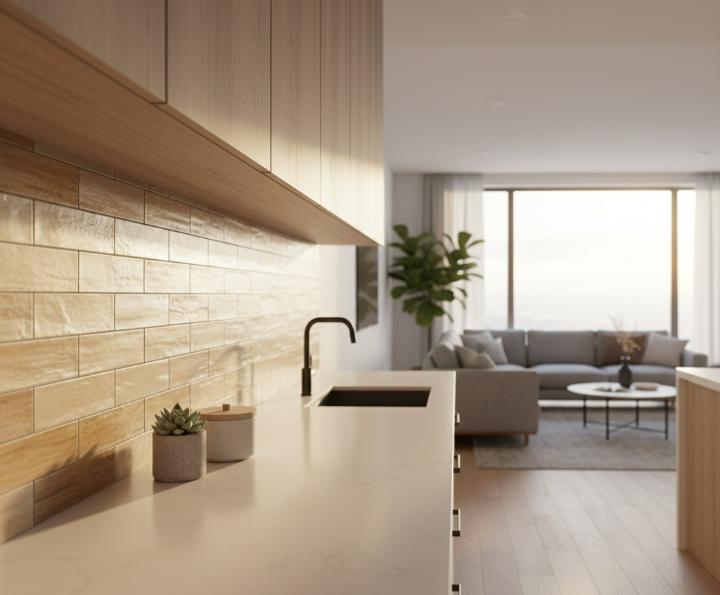
Modern kitchens embrace various aesthetic directions, from minimalist contemporary to warm transitional styles. Zellige tiles adapt surprisingly well across these design spectrums. Their handmade quality introduces organic warmth into sleek modern spaces, softening hard edges and industrial materials.
The color palette available through our collection spans from crisp whites and soft neutrals to deep emeralds, cobalt blues, terracotta oranges, and charcoal blacks. This range allows coordination with virtually any cabinet finish, countertop material, or hardware selection. White and cream varieties offer versatility similar to classic subway installations while adding textural interest.
Dimensional variation in handmade tiles creates shadow lines and light play that flat, uniform surfaces cannot achieve. Under kitchen lighting, the surfaces shimmer and shift, adding dynamic visual interest throughout the day. The National Kitchen and Bath Association emphasizes how proper tile selection enhances overall kitchen functionality and aesthetics.
Practical Performance in Kitchen Environments
Kitchens demand materials that withstand heat, moisture, grease splatter, and frequent cleaning. Zellige tiles meet these challenges with some considerations. The glazed surface provides protection against water penetration and makes routine cleaning straightforward. Warm water and mild soap handle most daily maintenance needs without special products.
Heat resistance suits zellige well for backsplash applications behind cooktops and ranges. The ceramic material tolerates temperature fluctuations without damage. However, the handmade nature means slight surface irregularities where grease or food particles might collect more readily than on perfectly flat tiles. Regular wiping prevents buildup in these small crevices.
The porous clay body beneath the glaze requires proper sealing during professional installation. Industry standards from ANSI A137.1 provide guidelines for proper ceramic tile installation. With correct installation techniques, these tiles perform reliably in kitchen moisture conditions without degradation.
Durability concerns often arise with handmade tiles. While the material withstands normal kitchen use, the glaze can chip if subjected to sharp impacts. Reasonable care during use and avoiding impacts from heavy objects preserves the surface integrity.
Design Applications and Layout Options
Backsplash installations represent the most common kitchen application. The protected position between counters and upper cabinets provides ideal conditions for these tiles. Full-height backsplashes create dramatic focal points, while modest installations covering standard 18-inch backsplash heights offer subtle elegance.
Accent walls incorporating zellige bring color and texture to kitchen dining areas or open-concept spaces. You can explore various tile styles to find the perfect match for your design vision.
Layout patterns extend beyond simple running bond arrangements. Stacked patterns create more contemporary, geometric looks. Herringbone and chevron patterns produce stunning results that emphasize the handmade quality. Tile Letter magazine offers valuable insights into various layout techniques. Vertical stack patterns elongate spaces and provide modern alternatives to traditional horizontal orientations.
Color Selection Strategy
Neutral zellige shades offer versatility and longevity. White, cream, and gray options coordinate with evolving design trends while providing timeless appeal. These lighter colors also help smaller kitchens feel more spacious and bright, reflecting light around the room.
Bold color selections make definitive design statements. Deep blues, rich greens, and warm terracottas establish strong personalities and work beautifully in kitchens with simple cabinet finishes. These saturated hues showcase the glaze variations most dramatically, with light dancing across the undulating surfaces.
Browse subway tile colors to see how different hues transform kitchen spaces. Mixing multiple zellige colors creates custom patterns and gradients. Ombre effects transitioning from light to dark introduce artistic flair, while checkerboard patterns with contrasting colors deliver bold, graphic statements.
Maintenance and Longevity
Daily cleaning requires only gentle approaches. Soft cloths or sponges with mild dish soap and warm water handle routine maintenance. Avoid abrasive scrubbers that might scratch glazes or harsh chemicals that could damage sealers. The glazed surface resists staining when properly sealed and maintained.
Grout care extends tile longevity. Periodic sealing of grout lines maintains moisture resistance and prevents discoloration. The Ceramic Tile Distributors Association provides certification programs that ensure installers follow best practices for long-lasting results.
Minor chips or glaze damage, should they occur, often blend into the overall handmade character rather than standing out as obvious defects. This forgiving quality means these installations age gracefully, developing patina over time rather than looking worn.
Long-term performance matches other quality ceramic tiles when properly maintained. Understanding the differences between ceramic and porcelain materials helps homeowners make informed decisions. The material doesn't fade, degrade, or require replacement under normal conditions.
Coordinating with Kitchen Elements
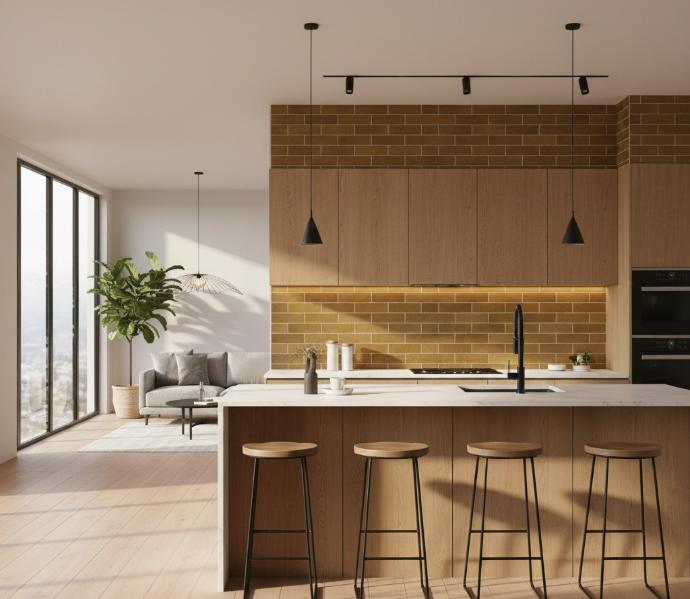
Cabinet relationships significantly influence how zellige tiles integrate into overall kitchen designs. White or light gray cabinets pair beautifully with virtually any tile color. Natural wood cabinets harmonize with earth-tone tiles, creating warm, organic palettes. Dark cabinets benefit from lighter tile selections that provide contrast.
Countertop coordination requires balancing pattern and visual weight. Busy countertop materials like elaborate granite or dramatic marble might overwhelm when paired with colorful zellige. The Natural Stone Institute offers resources on coordinating various materials effectively.
Hardware finishes interact with tile glazes in interesting ways. Warm brass or copper hardware complements earth-tone tiles beautifully. Polished chrome or brushed nickel pairs well with cooler blues, greens, and grays. Matte black hardware creates striking contrast against lighter tile colors.
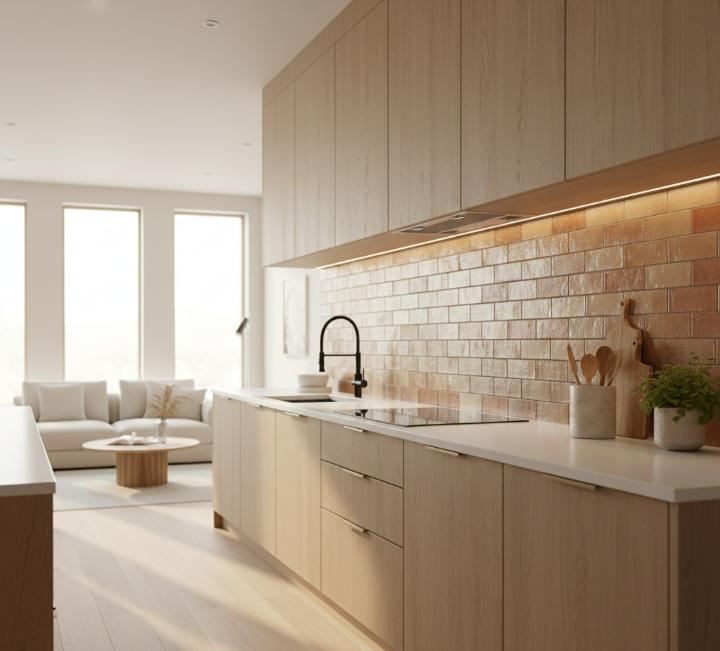
Lighting design enhances zellige installations dramatically. Under-cabinet lighting positioned to graze across tile surfaces emphasizes texture and glaze variations. Pendant lights over islands cast changing shadows throughout the day.
Professional Installation Considerations
Selecting qualified installers ensures successful zellige installations. The handmade nature of these tiles requires experience and expertise. Professional installers assess existing conditions and make necessary corrections before beginning tile work.
Layout planning accounts for how irregular tiles meet cabinet edges, outlets, and corners. Resources like TCNA guidelines help ensure installations meet industry standards. Experienced installers blend tiles from multiple boxes during installation, distributing color variations evenly across surfaces.
The setting process requires patience and attention. Each tile must be carefully positioned to maintain reasonably consistent grout lines while honoring the handmade variations. Quality installations reflect the investment homeowners make in premium materials.
Industry Trends and Design Direction
Current kitchen design trends embrace authentic materials with visible craftsmanship. Homeowners increasingly reject mass-produced uniformity in favor of products that tell stories and display human touch. Family Handyman reports growing interest in artisanal tiles across residential projects.
Pattern mixing represents another significant trend. Rather than matching all surfaces perfectly, designers now layer different materials, patterns, and textures for visual richness. For instance, pairing zellige with terrazzo-look tiles creates sophisticated contrast.
Sustainability consciousness influences material selection increasingly. Handcrafted tiles produced through traditional methods often carry smaller environmental footprints than industrial manufacturing processes. Industry events like Coverings showcase how traditional methods align with contemporary environmental values.
Complementary Tile Options
While zellige tiles excel in many applications, combining them with complementary tile types creates layered, sophisticated designs. Decorative subway tiles with 3D textures work beautifully as accent strips within zellige installations, adding another dimension of visual interest.
For homeowners seeking coordinated looks across multiple spaces, matte porcelain subway tiles offer practical alternatives in high-traffic areas while maintaining aesthetic continuity with zellige featured in focal zones. This approach allows strategic placement of premium handmade tiles where they create maximum impact.
The key to successful mixed-material installations lies in thoughtful planning. Professional designers excel at creating cohesive schemes that incorporate multiple tile types without appearing disjointed.
Getting Started with Your Project
Beginning a kitchen renovation requires careful planning and preparation. Start by gathering inspiration from design magazines, online resources, and showrooms. Create mood boards that capture desired aesthetics, color preferences, and overall vision for the space.
Visit our local showroom to see different sizes in person and understand how they transform spaces. Review products we carry to understand the full range of options available.
Learn more about our company and approach to helping homeowners achieve their design goals. Our team brings expertise in tile selection, design coordination, and project planning that ensures successful outcomes.
Conclusion
Zellige tiles bring authentic Moroccan craftsmanship into contemporary kitchens with remarkable success. Their handmade character introduces warmth, texture, and visual interest that mass-produced alternatives cannot replicate. While requiring thoughtful selection and appropriate maintenance, these tiles perform reliably in kitchen environments when properly applied.
The compatibility with diverse design styles makes zellige remarkably versatile. Color options spanning neutrals to bold saturated hues allow personalization that reflects individual tastes while maintaining broad appeal. The distinctive glaze variations create living surfaces that interact beautifully with kitchen lighting throughout the day.
For homeowners seeking kitchen finishes that combine functionality with artistry, zellige tiles deliver compelling solutions. Explore 3x6 subway tile options and discover how these exceptional tiles can transform your kitchen. Browse tiles by type to find the perfect match, or reach out to our team for personalized guidance. Explore our complete tile selection and visit our website to begin exploring the possibilities.
Frequently Asked Questions
How do handmade Moroccan tiles hold up to daily kitchen use and cleaning?
When properly sealed during professional installation, these tiles withstand daily kitchen activities very well. The glazed surface resists moisture, heat, and routine cleaning. Regular maintenance with mild soap and water keeps them looking beautiful. Avoid abrasive cleaners or harsh chemicals that might damage glazes or sealers. With reasonable care, these installations maintain their beauty for decades.
Can you use these tiles directly behind cooktops and ranges?
Yes, the ceramic material handles heat exposure in backsplash positions without issues. The tiles won't discolor, crack, or degrade from cooking heat. Many homeowners specifically choose these tiles for cooking zones because the varied glaze creates forgiving surfaces where minor splatter doesn't show as readily as on uniform alternatives.
What makes handmade tiles different from standard options?
The artisanal production process involves hand-cutting each piece from clay, applying glazes individually, and kiln-firing in traditional methods. This labor-intensive approach produces distinctive character through unique variations in each tile. The result delivers beauty and lasting quality that mass-produced alternatives cannot replicate.
Do irregular surfaces make these tiles harder to clean than flat alternatives?
The slight undulations require marginally more attention during cleaning compared to perfectly flat surfaces, but the difference proves minimal in practice. Most homeowners find that regular wiping with soft cloths handles routine maintenance easily. The varied surfaces actually help disguise minor wear or residue that might show more obviously on uniform tiles.
Will the color and appearance fade or change over time?
Quality ceramic glazes maintain their color indefinitely under normal conditions. These tiles won't fade from light exposure or discolor from age. The appearance might subtly evolve as grout develops patina, but this aging typically enhances rather than detracts from the overall aesthetic. Proper sealing and maintenance preserve the original beauty while allowing the installation to develop character that only improves with time.