Subway tile transforms bathrooms from ordinary to extraordinary through timeless appeal and endless design versatility. These classic rectangular tiles offer stunning modern subway tile patterns that work beautifully from shower walls to flooring, creating cohesive spaces that balance style with durability.
Whether you're drawn to traditional white layouts or bold colored subway tile installations, understanding your options helps you design a bathroom that reflects your personal aesthetic while maintaining lasting value. The beauty of subway tile layouts lies in their adaptability. Homeowners today move beyond standard horizontal arrangements, exploring creative backsplash ideas like chevron subway tile and herringbone subway tile backsplash designs that add architectural interest.
From minimalist white schemes with dark grout to colorful patterns that make bold statements, subway tiles deliver both practicality and visual impact. According to the Natural Stone Institute, understanding material properties ensures you select tiles that perform beautifully in moisture-rich environments. This guide walks you through inspiring patterns, color combinations, and installation approaches that help you create a bathroom worthy of design magazine features.
Why Subway Tiles Remain A Bathroom Staple
Subway tiles have maintained popularity for over a century because they solve multiple design challenges simultaneously. Their rectangular shape creates clean lines that make small bathrooms feel larger while providing a neutral backdrop for bolder fixtures and accessories.
The standard 3x6-inch format works harmoniously with most bathroom dimensions, though modern variations now include 3x6 subway tiles and extended sizes like 3x12 options that create different visual effects. Durability ranks among the top reasons designers and homeowners choose subway tiles. Properly installed ceramic and porcelain subway tiles withstand moisture, temperature changes, and daily wear without showing significant damage.
According to ANSI A137.1-2022 standards, quality ceramic tiles meet rigorous performance criteria for residential applications. Maintenance simplicity adds to their appeal, as smooth glazed surfaces resist staining and require only basic cleaning routines to stay pristine.
Classic And Creative Layout Patterns
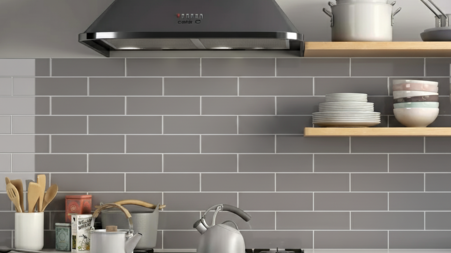
Traditional Horizontal Running Bond
The running bond pattern remains the most recognized subway tile layout, featuring tiles stacked horizontally with each row offset by half a tile length. This arrangement creates horizontal lines that visually widen narrow bathrooms while maintaining a clean, orderly appearance.
Installation simplicity makes horizontal running bond accessible for professional tilers following ANSI A108/A118/A136 installation standards. Consider pairing white subway tiles with subway tile with dark grout to emphasize the horizontal lines and add contemporary contrast.
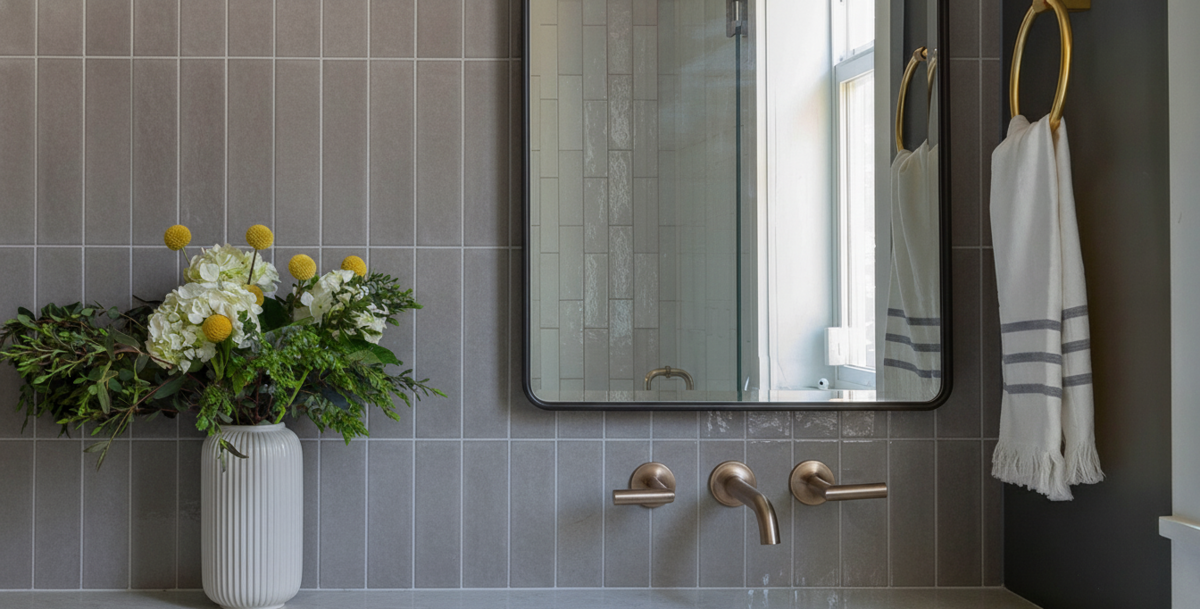
Vertical Subway Tile For Height Enhancement
Vertical subway tile installations flip the traditional orientation, stacking tiles in vertical columns that draw the eye upward. This pattern makes standard 8-foot ceilings feel taller and adds modern sophistication to bathroom designs. The vertical arrangement requires careful planning using tile layout tips and tricks to ensure symmetry and proper alignment.
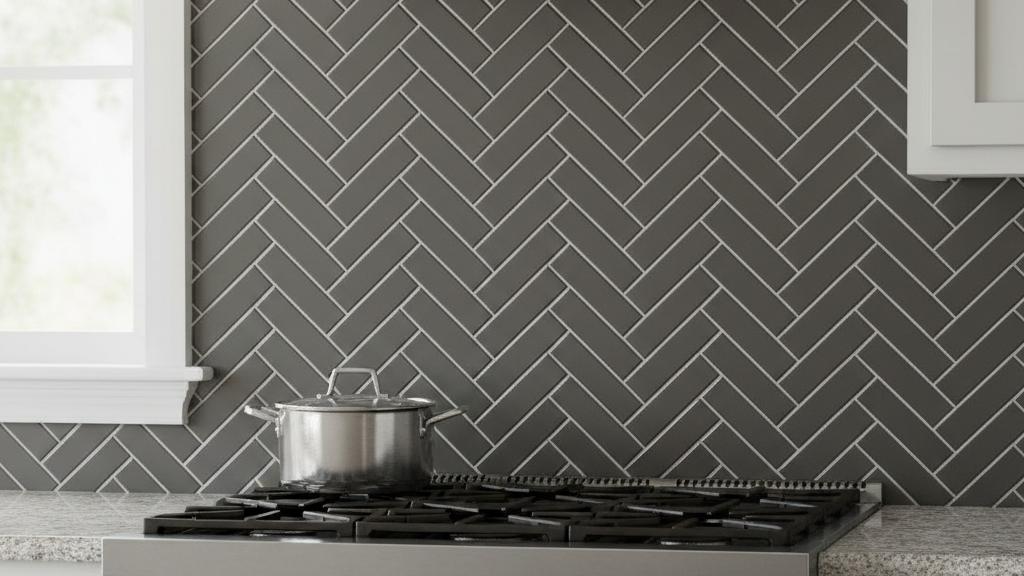
Herringbone Subway Tile Backsplash Designs
Herringbone subway tile backsplash patterns create dynamic diagonal movements that transform standard tiles into sophisticated design features. This V-shaped arrangement positions tiles at 45-degree angles, alternating directions to form zigzag patterns that add energy and visual complexity.
According to the National Kitchen & Bath Association, herringbone patterns rank among the most requested specialty layouts in contemporary bathroom renovations. The pattern requires more planning and cutting than straight layouts, impacting installation time and costs.
However, the dramatic results justify the additional effort for homeowners seeking distinctive designs. Herringbone works beautifully behind vanities, in shower niches, or as full wall installations that serve as bathroom focal points.
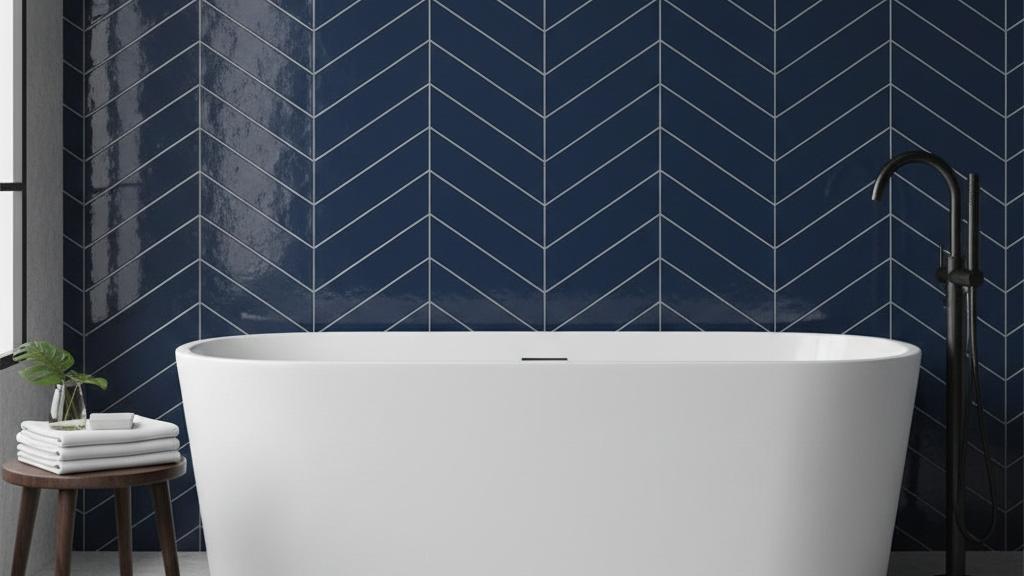
Chevron Subway Tile For Bold Statements
Chevron subway tile patterns create continuous V-shapes through precisely cut tiles that meet at perfect points. Unlike herringbone where tiles remain rectangular, chevron requires angled cuts on each tile end to form seamless zigzag lines.
This precision creates cleaner, more pronounced patterns that deliver maximum visual impact. Many homeowners find qualified tile installers through professional associations to ensure proper execution. Consider chevron patterns for accent walls or shower feature walls rather than entire bathrooms to avoid visual overwhelm.
The bold geometry works best when balanced with calmer surfaces. When exploring products we carry, look for tiles with slight color variations that add depth to chevron patterns.
Color And Finish Combinations That Define Style
Classic White With Contemporary Twists
White subway tiles provide blank canvases that adapt to changing decor trends without requiring replacement. Modern interpretations introduce different white shades from warm ivory to cool bright white, letting you fine-tune the overall temperature of your bathroom palette.
Finish variations transform white subway tiles from basic to brilliant. Glossy finishes reflect light to brighten darker bathrooms, while matte surfaces create sophisticated, contemporary looks that hide water spots better than shiny alternatives. The Linear 5x10 Glossy 3D Decorative Subway Tile adds dimensional texture that creates subtle shadows and visual interest beyond flat tiles.
Beveled edges add another layer of sophistication, with angled edges catching light differently than flat surfaces to create subtle plays of shadow and highlight that add depth to monochromatic schemes.
Colored Subway Tile For Personality Expression
Colored subway tile breaks away from white dominance, injecting personality through hues that range from soft pastels to deep jewel tones. Navy, emerald, terracotta, and sage green appear frequently in current subway tile bathroom trends, offering richness without overwhelming spaces. Subway tiles color options expand yearly as manufacturers respond to demand for more diverse palettes.
Color Selection Guide:
- Assess Natural Light: North-facing bathrooms benefit from warm colors while south-facing spaces handle cool tones
- Consider Square Footage: Darker colors work best in larger bathrooms or as accent walls in smaller spaces
- Plan Long-Term: Choose colors you'll appreciate for years rather than trendy shades
- Test Samples: View tiles in your actual bathroom lighting at different times of day
- Balance Boldness: Pair colorful tiles with neutral fixtures and flooring
The Power Of Contrasting Grout
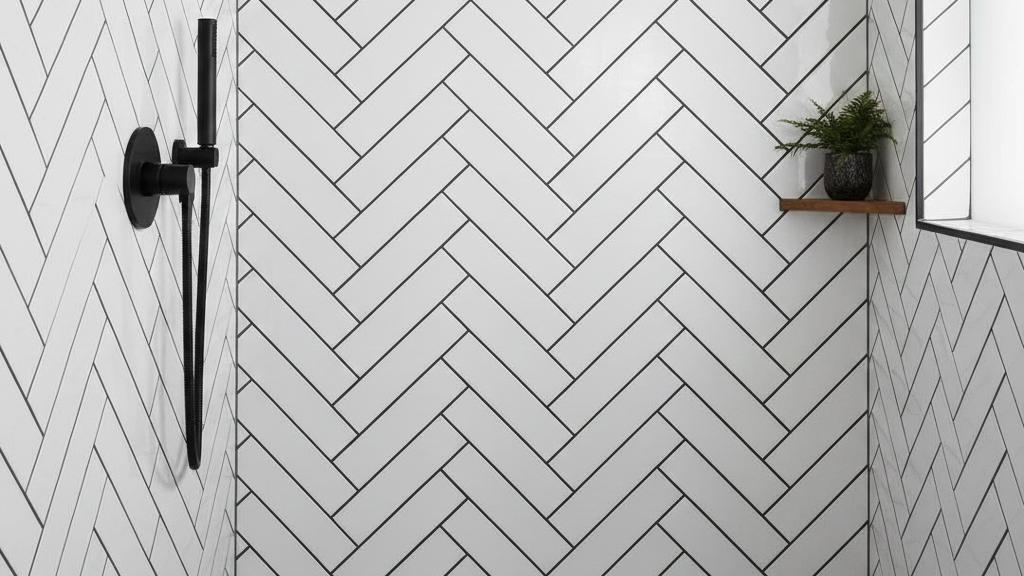
Subway tile with dark grout revolutionized subway tile aesthetics by emphasizing grid patterns that add graphic punch to installations. Charcoal or black grout against white tiles creates bold contrast that defines each tile clearly while adding contemporary edge. Contrasting grout serves practical purposes beyond aesthetics, as darker grout hides staining and discoloration better than white grout.
Grout Color Comparison Table:
Grout Color | Best Tile Pairing | Maintenance Level | Visual Effect | Style Compatibility |
White | White, light pastels | High (shows stains) | Clean, seamless | Traditional, coastal |
Light Gray | White, gray, blue | Medium | Soft definition | Transitional, modern |
Charcoal | White, light colors | Low | Bold contrast | Contemporary, industrial |
Black | White, bright colors | Low | Maximum drama | Modern, maximalist |
Matching Tile | Any colored tile | Medium | Monolithic look | Minimalist, spa-like |
Subway Tile Application Zones In Bathrooms
Shower Wall Installations
Shower walls represent the most common subway tile application, where moisture resistance and easy cleaning matter most. Full-height tile installations protect walls completely while creating unified looks. Consider extending tiles to the ceiling rather than stopping at standard 7-foot heights to maximize waterproofing and visual height. Pattern mixing within showers adds interest without requiring different tile types. Use horizontal running bond on main walls and switch to herringbone on the shower back wall for focal impact.
Bathroom Floor Applications
Subway tiles work on bathroom floors when properly selected. Herringbone and basketweave patterns function better on floors than simple running bond because they provide more visual interest when viewed from above. Slip resistance becomes critical for floor tiles, so choose matte or textured finishes rather than glossy surfaces. The National Park Service's Mohs Hardness Scale guide helps you understand tile durability ratings that indicate suitability for floor applications.
Vanity Backsplash Features
Vanity backsplashes present opportunities for creative subway tile patterns without committing to full-wall installations. The smaller surface area allows bolder color choices or intricate patterns that might overwhelm larger spaces. Chevron or vertical arrangements behind mirrors create eye-catching features that anchor vanity zones.
Pros and Cons of Full-Height Vanity Wall Tiling:
Pros:
- Creates cohesive, finished appearance throughout bathroom
- Maximizes moisture protection around sinks and vanities
- Allows for dramatic pattern and color statements
- Increases perceived bathroom size through material continuity
- Adds significant value perception to bathroom renovations
Cons:
- Increases material costs substantially compared to minimal backsplashes
- Requires more installation time and labor expenses
- Limits flexibility for future decor changes
- May feel visually heavy in smaller powder rooms
- Creates maintenance challenges if tile extends behind vanity cabinets
Mixing Subway Tiles With Other Design Elements
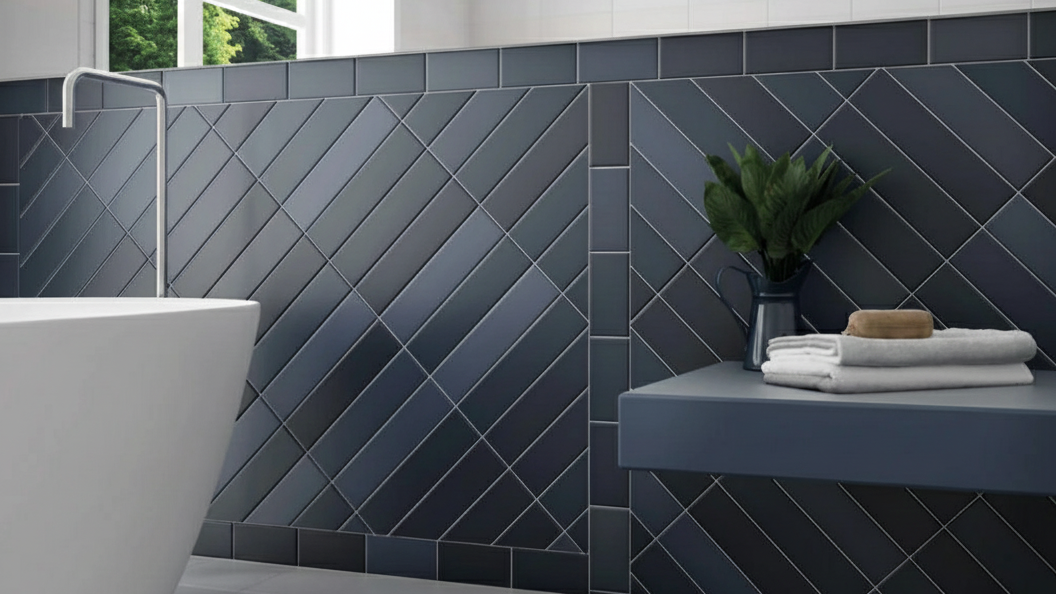
Subway tiles serve as excellent backgrounds for decorative accent tiles that add color pops or pattern complexity. The terrazzo look tiles pair beautifully with solid subway tiles, adding playful sophistication to otherwise simple installations. Mosaic inserts break up large subway tile expanses without requiring complete pattern changes. Create mosaic bands within shower niches, around bathtub decks, or as wainscoting borders in larger bathrooms.
Fixture finishes should harmonize with tile and grout choices to create cohesive bathroom designs. Matte black fixtures pair beautifully with white subway tiles and dark grout for modern industrial aesthetics. The Family Handyman's bathroom tile trends guide shows how fixture and tile coordination creates harmonious spaces.
Installation Best Practices For Lasting Results
Proper substrate preparation determines installation success and longevity. Walls must be flat, plumb, and structurally sound before tile installation begins. Drywall should be moisture-resistant in wet areas, with proper waterproofing membranes installed behind shower tiles. According to Coverings, the tile and stone industry's leading event, proper preparation prevents 90% of installation failures.
While subway tiles appear simple to install, achieving professional results requires experience, proper tools, and attention to detail. Professional installers understand waterproofing requirements, appropriate thinset selection, and proper curing times. Experienced installers complete projects faster with less material waste than inexperienced workers. When planning bathroom renovations, factor professional installation into budgets from the start.
Current Subway Tile Bathroom Trends
Modern subway tile bathroom trends embrace larger formats that reduce grout lines and create more continuous surfaces. The 3x12 format gains popularity for its ability to make standard bathrooms feel more expansive while maintaining subway tile's classic proportions. Textured and three-dimensional subway tiles add tactile interest that flat tiles cannot achieve. These dimensional tiles suit feature walls and shower back walls where their complexity shines.
Incorporating Traditional Elements
While contemporary formats dominate current installations, understanding the historical evolution of tile design helps homeowners appreciate how subway tile became such an enduring choice. The classic 3x6 format originated in early 20th century transit systems, where durability and easy maintenance were paramount. Today's designers often blend these traditional proportions with modern materials like glass, porcelain, or even metal finishes to create bathrooms that honor the past while feeling fresh and current.
Mixed finish installations combine glossy and matte subway tiles in the same color for subtle contrast. When you shop tiles by style, you'll discover numerous finish combinations. Sustainable and recycled content tiles address environmental concerns while maintaining aesthetic quality, appealing to environmentally minded homeowners.
Selecting The Right Subway Tiles For Your Project
Bathroom size influences appropriate subway tile dimensions. Smaller powder rooms benefit from standard 3x6 tiles that maintain classic proportions without overwhelming limited square footage. Larger master bathrooms accommodate bigger formats like 4x12 or 6x12 tiles that create more expansive feels. When you shop tiles by size, consider your specific bathroom dimensions.
Quality subway tiles feature consistent dimensions, uniform glazing, and straight edges that facilitate precise installations. Examine tiles for warping, chips, or glaze imperfections before purchasing. Water absorption rates indicate tile suitability for wet applications. Porcelain tiles absorb minimal water, making them ideal for showers and high-moisture areas.
Conclusion
Subway tiles offer unmatched versatility for creating bathrooms that balance timeless appeal with personal style. From classic white horizontal installations to bold colored chevron patterns, these adaptable tiles suit virtually any design vision. Their proven durability and easy maintenance make them practical choices that maintain beauty through years of daily use.
Ready to transform your bathroom with stunning subway tile installations? Contact us to explore our extensive collection and receive expert guidance for your project. Our locally available selections include classic and contemporary options that bring your vision to life. Visit our showroom or browse our complete catalog to discover the perfect tiles for your bathroom transformation. When you shop tiles by color, you'll find inspiration for creating the bathroom you've always envisioned. Learn more about us and how we help homeowners achieve beautiful, functional spaces.
Frequently Asked Questions
What is the most popular subway tile pattern for bathrooms?
The horizontal running bond pattern remains the most popular subway tile layout because it creates clean, timeless looks that complement any bathroom style. This classic arrangement features tiles stacked horizontally with each row offset by half a tile length, creating visual width while maintaining simple elegance. Its popularity stems from versatility, easier installation compared to complex patterns, and proven ability to remain stylish across changing design trends.
Should I use matching or contrasting grout with white subway tiles?
Contrasting dark grout with white subway tiles creates modern, graphic looks that emphasize the grid pattern and add contemporary edge. This combination ranks among current bathroom trends and requires less maintenance than white grout which shows staining more readily. However, matching white grout delivers seamless, traditional appearances that make walls feel more continuous and spacious. Choose based on your preferred aesthetic and willingness to maintain lighter grout.
Can subway tiles be used on bathroom floors?
Subway tiles work beautifully on bathroom floors when properly selected and installed. Choose matte or textured finishes rather than glossy surfaces to prevent slipping, and verify tiles are rated for floor applications with appropriate slip resistance. Herringbone and basketweave patterns function better on floors than simple running bond because they provide more visual interest when viewed from above. Consider larger format subway tiles (4x12 or 6x12) for floors to reduce grout line frequency.
How do I choose between glossy and matte subway tiles?
Glossy subway tiles reflect light to brighten darker bathrooms and create traditional, classic looks with high shine. They're easier to clean but show water spots more readily than matte finishes. Matte subway tiles offer contemporary, sophisticated appearances that hide water spots and fingerprints better while providing subtle elegance. Consider your bathroom's natural lighting (glossy works well in dim spaces), cleaning preferences, and overall design style when choosing between finishes.
What size subway tiles work best for small bathrooms?
Standard 3x6 subway tiles work best for small bathrooms because they maintain classic proportions without overwhelming limited square footage. Their moderate size creates balanced looks that don't visually shrink spaces further. Use light colors, simple horizontal or vertical patterns, and matching grout to maximize the sense of spaciousness. Avoid overly complex patterns like chevron or basketweave in very small bathrooms as they can create visual chaos in confined areas.