Yes, subway tiles are an excellent choice for accent walls in 2025. They combine durability (lasting 20+ years), easy maintenance (simple soap and water cleaning), and timeless design that works in any room. Subway tiles cost less than natural stone while offering superior moisture resistance, making them ideal for kitchens, bathrooms, and living spaces.
Key Benefits:
- Durability: Resistant to scratches, chips, and stains
- Low Maintenance: Clean with mild detergent and water
- Versatile Design: Available in multiple colors, sizes (2x9 to 4x16), and finishes (glossy, matte, textured)
- Moisture Resistant: Perfect for high-humidity areas
- Cost-Effective: 30-50% less expensive than natural stone
- Timeless Appeal: Won't look dated in 5-10 years
When to Consider Alternatives: If you prefer highly ornate designs, rustic textures, or natural wood warmth, materials like natural stone, brick, or wood paneling may better suit your aesthetic.
Yes, subway tiles are an excellent choice for accent walls. They offer exceptional durability, timeless aesthetic appeal, and low maintenance requirements that make them suitable for kitchens, bathrooms, living rooms, and beyond. Subway tiles work across multiple design styles and are available in ceramic and porcelain materials with various colors, finishes, and sizes to match any space.
At Nova Tile And Stone, we offer an extensive selection of subway tiles including our popular Lucida 3x9 Glossy Ceramic, Bristol 3x8 Glossy Porcelain, Sicily 4x16 Glossy Ceramic, and Cyprus 2x9 Rectangle Ceramic collections. Our $1 sample program and free design consultations help you make confident decisions for your accent wall project.
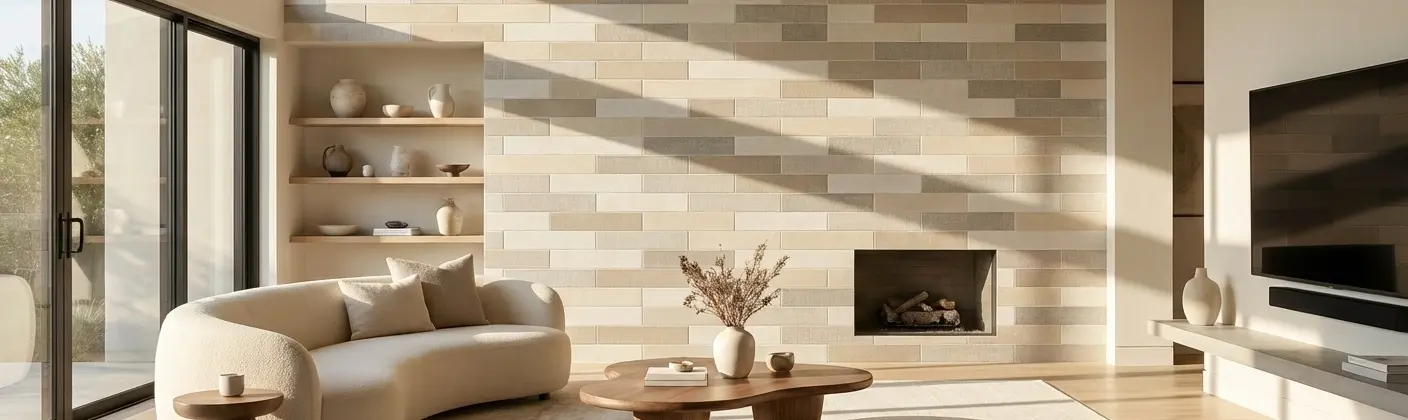
The Advantages of Subway Tiles for Accent Walls
Subway tiles have evolved from their early 1900s New York City subway origins into an enduring design icon. Originally selected for their practicality and ease of cleaning in high-traffic public spaces, these tiles proved their worth in demanding environments. Their clean lines and subtle sophistication make them compatible with diverse interior styles, from rustic farmhouse kitchens to sleek urban lofts. This adaptability has contributed to their sustained popularity across more than a century of changing design trends.
Durability and Maintenance
One of the most compelling advantages of subway tiles is their outstanding durability. Constructed from ceramic or porcelain, these tiles demonstrate high resistance to scratches, chips, and stains a quality endorsed by professional installation standards. Their non-porous surface makes them particularly suitable for moisture-prone spaces, and their smooth surface enables effortless cleaning with a damp cloth and mild detergent.
For daily maintenance, simply wipe down your subway tile accent wall with warm water and a pH-neutral cleaner. Avoid harsh chemicals or abrasive scrubbers that could damage the glaze. For grout lines, a soft-bristled brush helps remove accumulated dirt without causing damage. This minimal upkeep requirement makes subway tiles particularly appealing for busy households where time is precious.
Aesthetic Appeal and Design Flexibility
Subway tiles are accessible in an extensive range of colors, dimensions, and finishes, enabling limitless customization opportunities. For a clean and minimalist appearance, consider white subway tiles with a matte finish like our Perfection 2.5x8 Matte Porcelain. For more striking effects, explore darker-colored tiles or those with glossy finishes.
Color psychology plays a significant role in tile selection. Cool tones like blues and greens promote relaxation and work well in bathrooms and bedrooms. Warm neutrals like beige and taupe create inviting atmospheres perfect for kitchens and living areas. Bold colors like navy, emerald, or charcoal make dramatic statements that anchor a room's design scheme.
The arrangement of subway tiles significantly influences visual impact, with 12 different installation patterns to choose from. A traditional brick pattern offers timeless appeal, while herringbone or chevron patterns introduce contemporary flair. Vertical stacking creates modern sophistication, while diagonal layouts add unexpected visual interest.

Design Considerations for Subway Tile Accent Walls
When integrating a subway tile accent wall, evaluate the overall design framework following professional planning guidelines. Room dimensions significantly affect impact in compact spaces, bold colors can feel confining, while in larger rooms, dramatic accent walls introduce visual interest. Lighting also serves a critical function, as subway tiles display different characteristics under varying conditions.
Natural light brings out the true color and texture of tiles, while artificial lighting can create different moods. Warm LED bulbs enhance cream and beige tones, while cool lighting complements white and gray tiles. Consider how your space looks at different times of day before finalizing your tile selection.
The color of your subway tiles substantially impacts the overall mood. Lighter tones establish brightness and airiness, while darker colors introduce drama and sophistication. The size of subway tiles and tile types also influence visual impact larger tiles create minimalist appearances while smaller tiles add texture and detail.
Scale matters significantly in tile selection. In smaller rooms, oversized tiles can overwhelm the space, while tiny tiles may create visual clutter. The traditional 3x6 size works universally well, but experimenting with proportions like 2x8 or 4x12 can create distinctive looks that set your space apart.
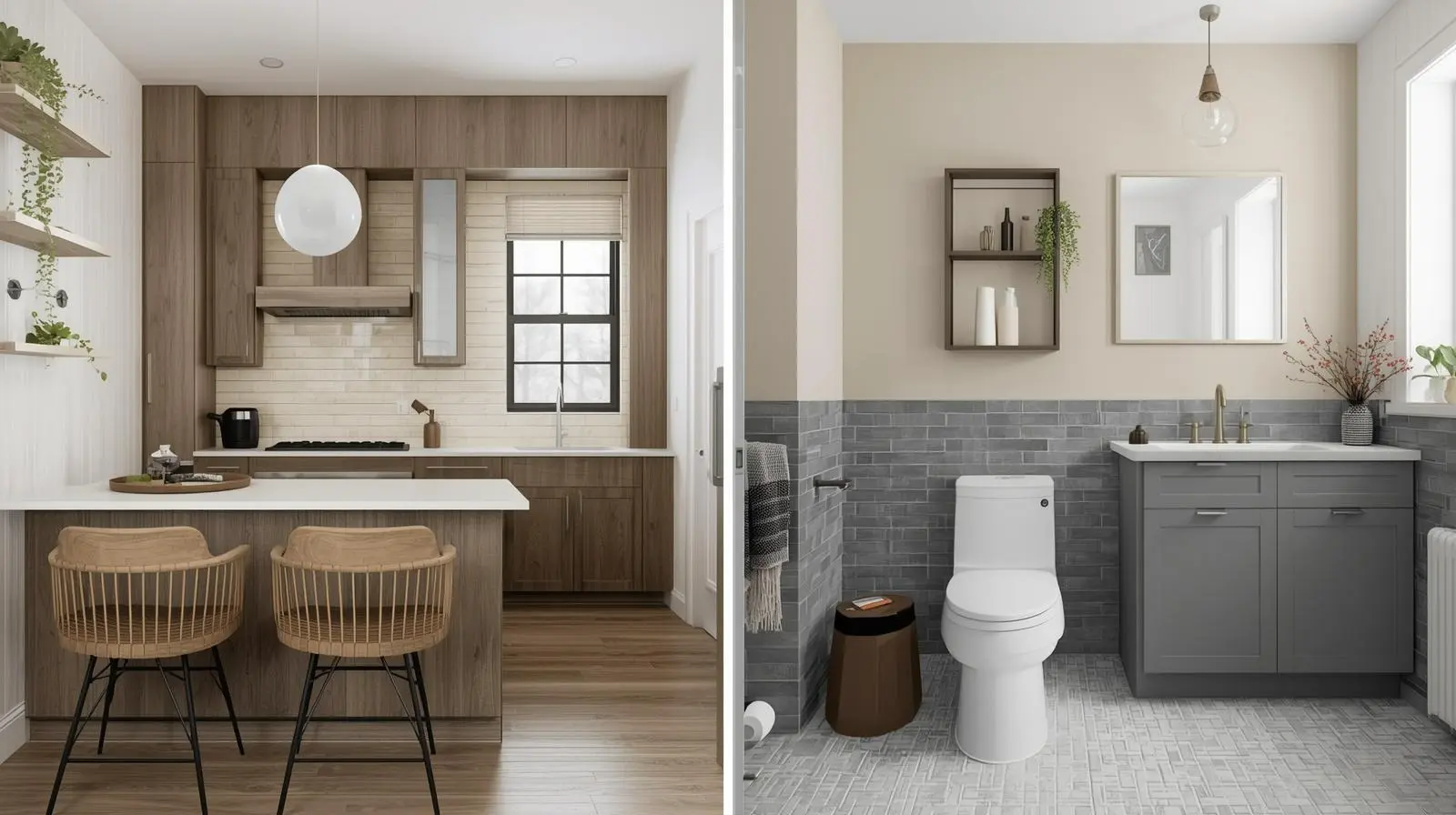
Subway Tiles In the Kitchen and Bathroom
The kitchen backsplash is the most prevalent application for subway tiles, recognized for their durability, cleaning ease, and timeless aesthetic. The growing ceramic tile market reflects increasing consumer demand. Whether you prefer a traditional subway layout or contemporary herringbone pattern, experimenting with different arrangements helps you discover the perfect combination.
Kitchen backsplashes typically extend from countertop to upper cabinets, creating a protective and decorative band. Consider extending tiles to the ceiling in areas behind the stove for added protection and visual impact. Coordinating grout color with your tile choice can either create seamless continuity or bold contrast, depending on your design goals.
In bathrooms, subway tiles frequently establish shower surrounds and tub areas. For bathroom remodeling inspiration, subway tiles offer endless possibilities. If you're considering DIY, learning how to replace bathroom tiles is valuable. Understanding proper grouting techniques ensures professional-looking results.
Bathroom installations require careful waterproofing considerations. Ensure proper substrate preparation with cement board or waterproof membranes in wet areas. This foundational work prevents moisture damage and ensures your beautiful tile work lasts for decades.
Subway Tiles Beyond Traditional Spaces
Subway tiles work beautifully beyond kitchens and bathrooms. In laundry rooms, they protect walls from splashes while adding style. For mudrooms, they provide durability and moisture resistance explore bathroom flooring choices for comprehensive guidance. In living rooms, they create stunning feature walls and fireplace surrounds. Experiment with different tile styles to discover combinations that suit your personal aesthetic.
Home offices and entryways also benefit from subway tile accent walls. These spaces experience heavy use and occasional moisture exposure, making durable, easy-clean surfaces particularly valuable. An accent wall behind a desk or console table adds architectural interest while remaining practical.
For outdoor spaces, select weather-resistant porcelain tiles like our Terrazzo 3x3 Mosaic Tile for added visual interest. Our design experts help you visualize the potential impact of your design choices.
Alternatives to Subway Tiles
While subway tiles offer versatility, alternatives include marble look tiles, natural stone, brick, and wood paneling. Marble look tiles combine refined aesthetics with functionality and moisture resistance. Understanding bullnose tile applications helps create polished edges. Natural stone introduces timeless elegance but requires more maintenance. Brick offers rustic appeal, while wood paneling provides warmth and organic feel.
Each material brings distinct characteristics to your space. Natural stone offers unique veining and patterns that make every installation one-of-a-kind. Brick provides textural depth and industrial charm. Wood creates warmth and acoustic benefits. Consider how these materials align with your lifestyle, maintenance preferences, and long-term design vision.
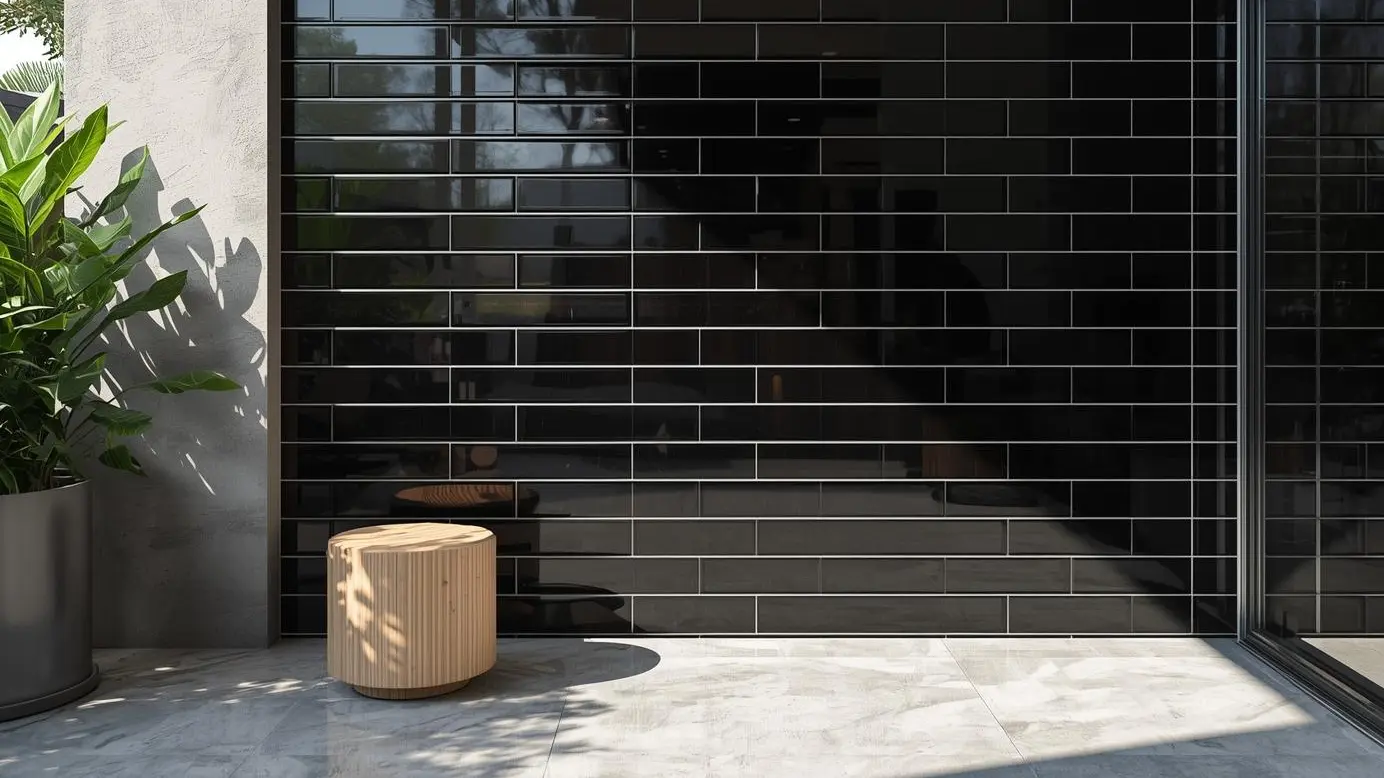
Installation Tips for Success
Proper installation is crucial for long-lasting results. Start by ensuring your wall surface is clean, level, and properly prepared. Use appropriate tile adhesive for your substrate type and tile material. Plan your layout carefully to minimize small cuts at edges and corners, which can detract from the overall appearance.
Spacers ensure consistent grout lines, while a good tile cutter or wet saw makes clean cuts possible. Take time with your layout dry-fitting tiles before applying adhesive helps identify potential issues before they become permanent problems. If the project seems beyond your skill level, professional installation ensures optimal results and protects your investment.
Why Subway Tiles Are a Smart Choice
Subway tiles offer a distinctive blend of timeless appeal, design flexibility, and practical benefits. Whether establishing a bold living room feature, elevating a bathroom surround, or refining a kitchen backsplash, they provide durability and ease of maintenance. Navigating the extensive array of materials we carry becomes easier with our expert design services.
The investment value of subway tiles extends beyond immediate aesthetics. Their timeless appeal means they won't look dated when design trends shift, protecting your home's resale value. Their durability ensures you won't face replacement costs for decades, making them economically sound long-term choices.
Ready to transform your space? Order your $1 sample today and schedule a free consultation with our design team.
Conclusion
Subway tiles deliver a powerful combination of durability, versatility, and timeless aesthetic appeal. Whether you're drawn to the clean sophistication of our Lucida 3x9 Glossy Ceramic, the bold Bristol 3x8 in dramatic blue, or the natural warmth of our Sicily 4x16 in Soft Sage, subway tiles provide endless opportunities to personalize your space.
Remember that successful accent walls require thoughtful planning consider lighting conditions, spatial dimensions, and existing design elements. For those interested in the artisanal side, exploring handmade ceramic tile techniques can deepen your appreciation.
Take the first step today. Explore our collection at our Northern Nevada and California showroom locations, order your samples online, and connect with our design experts. Your dream accent wall is just a consultation away.
Frequently Asked Questions
What is the best color of subway tile for a small accent wall?
For smaller accent walls, lighter colors such as white, cream, or soft neutrals work exceptionally well to create an open and airy feel. These lighter tones reflect light effectively and make compact areas appear more spacious. However, for a bold statement in a small space, consider a darker or vibrant color on just one focal wall while keeping surrounding walls light. Our free design consultation can help determine which approach best suits your specific space.
How do I choose between glossy and matte finish subway tiles?
Glossy finishes offer maximum light reflection, making them ideal for smaller or darker spaces. They create dramatic, contemporary looks and are extremely easy to clean perfect for kitchens and bathrooms. Matte finishes provide softer sophistication and hide water spots better. They work beautifully in modern, minimalist designs. Consider ordering $1 samples of both finishes to see how they interact with your specific lighting.
Can subway tiles be used in rooms other than kitchens and bathrooms?
Absolutely! Subway tiles create stunning accent walls throughout your home in living rooms as fireplace surrounds, in bedrooms as headboard backdrops, in laundry rooms for style and protection, and in mudrooms where durability meets design. They bring the same durability and low maintenance to these spaces, making them a smart investment for any room.
How much does it cost to create a subway tile accent wall?
The cost varies based on tile selection, wall size, pattern complexity, and installation method. Generally, ceramic subway tiles offer budget-friendly options, while porcelain tiles represent a premium investment with enhanced durability. A typical accent wall (80-100 square feet) ranges from moderately priced to higher-end depending on your choices. Additional costs include adhesive, grout, and professional installation if needed. Schedule a free consultation with our design experts for detailed pricing based on your specific project requirements and to explore value-maximizing approaches within your budget.
What pattern should I use for my subway tile accent wall?
The pattern dramatically impacts visual effect. Classic running bond (traditional brick pattern) offers timeless appeal and makes walls appear wider. Herringbone patterns introduce sophisticated contemporary flair. Vertical stack patterns create clean lines and make ceilings appear higher. Diagonal patterns add dynamic energy as statement pieces. The optimal pattern depends on room proportions, ceiling height, and design aesthetic. For low ceilings, vertical or herringbone patterns create height illusion, while horizontal patterns emphasize width. Contact our design team for a free consultation to discuss pattern options that best complement your space.
Want to know more about accent walls?
Click for more