What is subway tile and why is it so popular? Subway tile is a rectangular tile format, traditionally measuring 3x6 inches with a 2:1 length-to-width ratio, originally designed for New York City's subway system in 1904. Its enduring appeal comes from its glazed, easy-to-clean surface, timeless aesthetic, versatility across design styles, and availability in multiple materials including ceramic, glass, stone, and marble.
Despite subway tile's widespread appeal, there's a wealth of knowledge still waiting to be discovered. At Nova Tile and Stone, we've always understood that subway tile delivers practicality, enduring style, and versatility across diverse interior spaces. However, what truly defines subway tile? What's the story behind its creation? These were questions we couldn't fully answer, so we investigated. Here are 9 facts that might surprise you.
1. Its Roots Trace Back Below Manhattan Streets
You've likely deduced that the original subway tiles appeared underground, within New York City's subway network. At its 1904 launch, designers George C. Heins and Christopher Grand La Farge faced a challenging assignment: create a surface that maintained cleanliness while providing comfort, security, and approachability for residents experiencing underground transportation for the first time. Their answer, tiles featuring gently rounded edges and a shiny surface, ensured the subway platforms remained hygienic, refined, and luminous. This early innovation in tile design set standards that continue to influence modern ceramic tile specifications, including those outlined by the ANSI A137.1-2022 Standard for Ceramic Tile. For those interested in exploring authentic subway-style options, our collection of 3x6 subway tiles captures this timeless dimension.

2. The Original Subway Tile Remains Visible Inside a Defunct Subway Platform
Investigators and design enthusiasts eager to see the original subway tile can arrange access to New York City's inaugural subway platform: the abandoned City Hall station. While the New York Transit Museum provides guided visits, local New Yorkers have reportedly stayed aboard the 6 train route to glimpse it as well. To explore how historical subway tile aesthetics have evolved into modern designs, visit shop tiles by style.
3. Its Creation Stemmed from a Cleanliness Movement
Subway tiles emerged during Victorian society's preoccupation with sanitation. Thanks to their shiny, glazed surface, they resist staining, allow effortless maintenance, and bounce light effectively. They swiftly gained recognition as functional and hygienic, becoming the preferred wall treatment in various settings, from bathrooms and kitchens to meat markets. Today, these identical characteristics make them a sensible selection for contemporary kitchens, bathrooms, and beyond. The National Kitchen and Bath Association continues to recognize subway tile as a top choice for functional bathroom and kitchen design. Browse our comprehensive tile and stone collection to see hygienic tile options for your space.
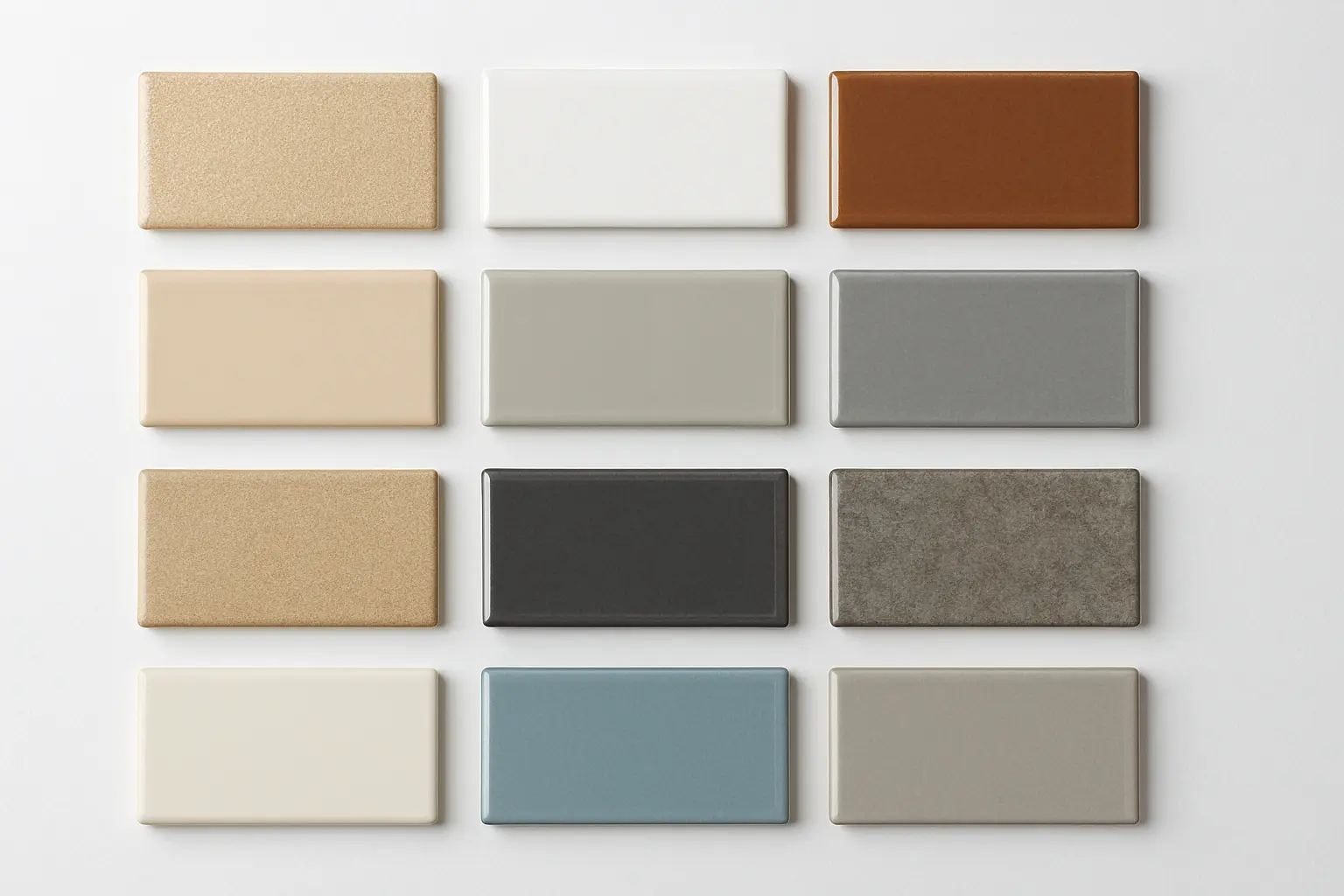
4. The Traditional Size? That Remains Debatable
What precisely qualifies as subway tile? The answer proves somewhat elusive, particularly when you associate subway tile with one specific rectangular format. Though traditional subway tile dimensions measure three by six inches, the classification continues evolving. Currently, tiles featuring a two-to-one length-to-width ratio typically fall under the subway tile category. Additionally, they no longer exclusively come in rectangular forms. When planning your project, shop tiles by size to compare various subway tile dimensions and find the perfect fit for your space.
5. Glass and Stone Versions Exist as Well
If you assumed subway tile could be identified by its composition, reconsider. The technical specification describes a thin, low-temperature fired, glazed ceramic tile. However, the Washington Post notes that the very first installations in New York City's subway actually used white glass. Today, "subway tile" appears in multiple materials, including glass, stone, and marble, among others. Understanding material differences is essential, resources like Ceramic vs Porcelain Tile and the Natural Stone Institute provide valuable insights into each option's unique properties.
6. Grout Selection Carries Weight
Following the deliberation (and investment) involved in selecting tile, grout might seem secondary. It shouldn't be: your grout choice can dramatically transform your subway tile's appearance and aesthetic. Consider the numerous options, spanning from dark to light and every shade between. Professional installers certified by the Ceramic Tile Distributors Association understand that proper grout selection significantly impacts both aesthetics and longevity. When choosing your tile color palette, browse subway tiles by color to visualize how different hues pair with various grout tones.
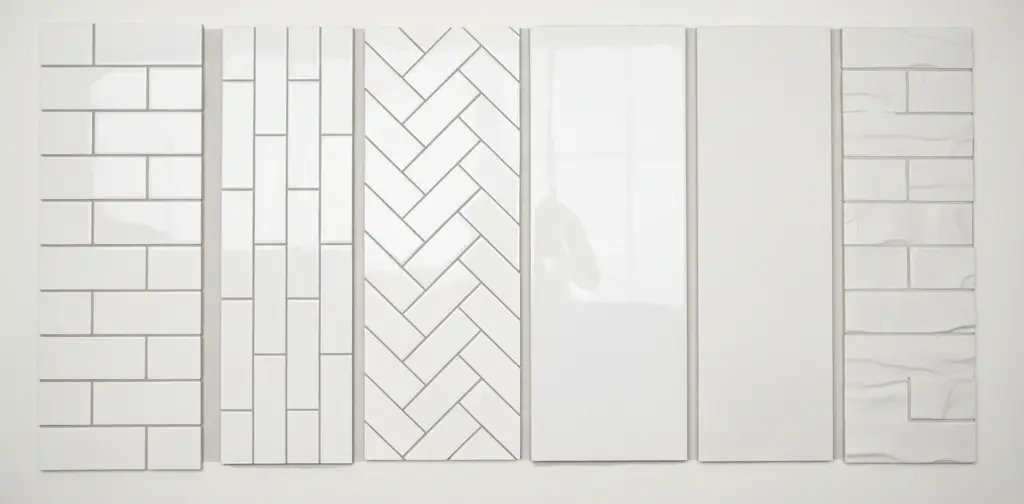
7. Layout Options are Limitless
You're likely envisioning subway tile installed in the traditional horizontal "running bond" arrangement. But were you aware you can install subway tile vertically or alternatively in a herringbone or geometric L-shaped configuration? Professional resources like Tile Layout Tips and Tricks demonstrate how pattern variations can transform ordinary spaces into design statements. For a dimensional twist on classic layouts, consider our Linear 5x10 Glossy 3D Decorative Subway Tile, which adds texture and depth to any pattern.
8. Floors Aren't Suitable Locations.
Where should you avoid subway tile? On flooring. Since subway tiles are comparatively thin, they can't withstand heavy foot traffic and daily use. Industry experts at Coverings, the premier tile and stone exhibition, confirm that subway tiles lack the necessary thickness and durability ratings for floor applications. For proper installation guidance across all tile applications, the Ceramic Tile Foundation provides essential resources.
9. It Functions as the Design World's Equivalent of Classic Denim
Consider subway tile a timeless, functional design fundamental that complements virtually any aesthetic. Even the most budget-friendly tile can make a striking design impact, and you can style it formally or casually. Current trends featured in Today's Bathroom Tile Trends consistently showcase subway tile in both traditional and innovative applications. For a contemporary interpretation with superior durability.
Conclusion
Subway tile's enduring popularity stems from far more than aesthetic appeal, it represents over a century of thoughtful design evolution rooted in functionality and hygiene. From its innovative debut in Manhattan's underground transit system to its current status as a versatile design staple, subway tile continues proving its worth in modern interiors. Understanding these hidden truths empowers you to make informed decisions for your next renovation project. Whether you're drawn to traditional 3x6 ceramic tiles or exploring contemporary glass and stone variations, the possibilities remain boundless.
At our tile and stone collection, we're committed to helping you navigate these options and discover the perfect subway tile solution that aligns with your vision, budget, and lifestyle needs. Browse our complete inventory when you shop online, or if you prefer an in-person experience, find local locations near you. Remember, the beauty of subway tile lies in its adaptability, it's a canvas waiting for your creative interpretation through thoughtful material selection, grout choices, and installation patterns.
Frequently Asked Questions
Can I use subway tile in a shower or wet area?
Absolutely. Subway tile excels in wet environments, which is precisely why it gained popularity in the early 1900s. Its glazed, non-porous surface resists moisture, prevents mold growth, and maintains cleanliness with minimal effort. For shower installations, ensure proper waterproofing behind the tile and select appropriate grout with sealant to maximize water resistance and longevity. Browse shop tiles by type to compare glazed ceramic, porcelain, and glass options ideal for wet areas.
What's the best grout color for white subway tile?
The ideal grout color depends entirely on your desired aesthetic. White or light gray grout creates a seamless, cohesive appearance that emphasizes the clean lines of your space. Conversely, dark gray or black grout produces dramatic contrast, highlighting the individual tiles and grid pattern while adding visual depth. Medium gray offers a balanced middle ground that's both forgiving of stains and visually interesting. To visualize different combinations and understand material properties, explore resources on Porcelain vs Non-Porcelain Tile before making your selection. Additionally, you can view our products we carry to see grout and tile pairings in context.
What sizes are considered subway tile?
While traditional subway tile measures three by six inches, the definition has expanded significantly. Today, any tile featuring a two-to-one length-to-width ratio generally qualifies as subway tile. This includes variations like 4x8, 2x4, and even larger formats like 4x12 inches. The classification now extends beyond rectangular shapes as well, with some manufacturers offering subway-style tiles in different configurations while maintaining that characteristic elongated proportion. Discover unique interpretations of classic patterns in our Terrazzo Look Tiles collection.
Can I install subway tile myself or should I hire a professional?
DIY subway tile installation is achievable for homeowners with moderate skills, particularly for straightforward running bond patterns on small wall areas. However, professional installation ensures proper surface preparation, precise layout, consistent spacing, and expert waterproofing, especially critical for showers and backsplashes. Complex patterns like herringbone or large-scale projects benefit significantly from professional expertise. Evaluate your skill level, available time, and project scope before deciding. Have questions about your specific project requirements? Contact us for personalized guidance and professional recommendations.
How do I maintain and clean subway tile?
Subway tile maintenance is refreshingly simple. For routine cleaning, wipe surfaces with warm water and mild dish soap using a soft cloth or sponge. Avoid abrasive cleaners that might scratch the glaze. For grout lines, use a specialized grout cleaner or a baking soda paste with a soft brush for stubborn stains. Resealing grout annually helps maintain stain resistance. In kitchens, promptly wipe grease splatters to prevent buildup. This minimal maintenance requirement is one reason subway tile remains such a practical, long-lasting choice. To learn more about our company's commitment to quality and customer service, visit about us.