Subway tile patterns include eight distinct layouts: classic running bond, vertical running bond, 45-degree herringbone, double basket weave, 90-degree herringbone, horizontal stacked bond, vertical stacked bond, and stacked running bond. Each pattern creates different visual effects for kitchen backsplashes, bathroom walls, and shower enclosures.
Quick Pattern Overview:
- Easiest to install: Horizontal stacked bond (minimal cutting, straightforward alignment)
- Best for small spaces: Vertical running bond or vertical stacked bond (creates height illusion)
- Most traditional look: Classic running bond (mimics brick construction)
- Most dynamic appearance: 45-degree herringbone (creates movement with angled tiles)
- Most budget-friendly: Double basket weave (uses standard tile sizes)
Key Installation Factors:
- Herringbone patterns require 10-15% more tiles than running bond due to cutting waste
- Grout color dramatically impacts pattern visibility—light grout creates seamless looks while dark grout emphasizes individual tiles
- Vertical orientations make rooms appear taller; horizontal layouts expand visual width
- Stacked bond patterns offer contemporary aesthetics; running bond patterns provide traditional appeal
Explore our porcelain subway tiles for high-durability installations, or browse our terrazzomosaic tile options for complementary accent features. These material choices significantly impact both the visual result and long-term performance of your installation.
Subway tile originated in New York subway stations and traditionally measures twice as wide as its height. Modern options extend beyond classic white glazed ceramic to include varied sizes, materials, and finishes. Visit our showroom to explore contemporary subway tile collections that honor this timeless design heritage. Pattern selection depends on room proportions, design style (contemporary, farmhouse, traditional), installation skill level, and desired visual impact. The right pattern transforms standard subway tile into a personalized design statement.
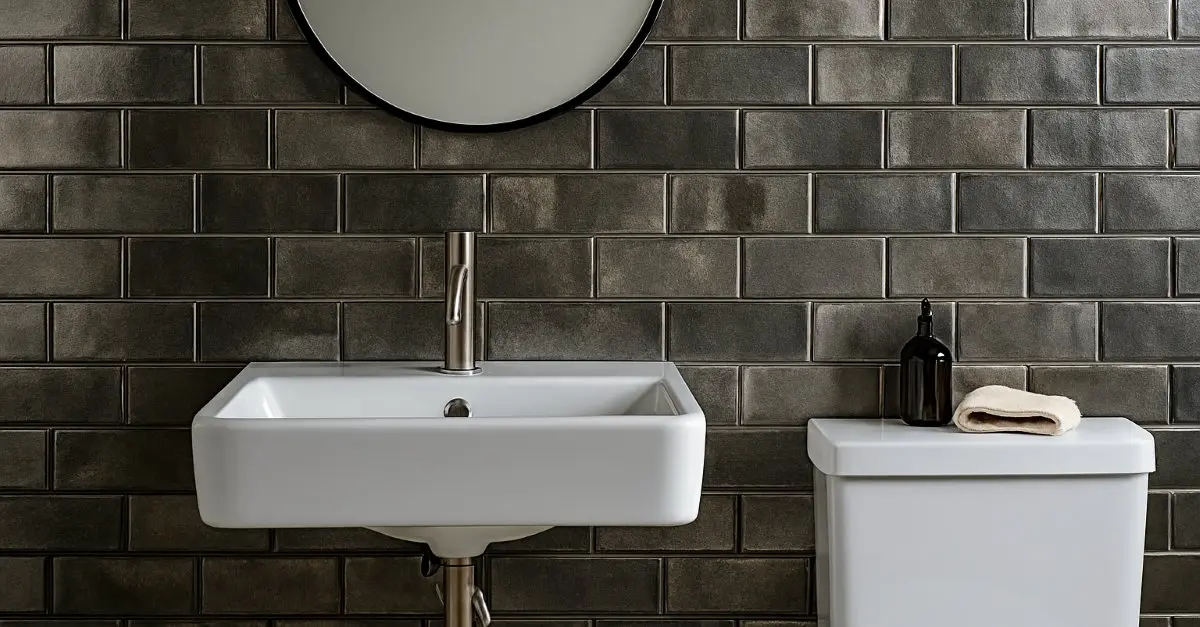
Classic Running Bond
Applying a traditional running bond layout, which mirrors standard brick construction, subway tiles amplify the aesthetic value of kitchens and bathrooms throughout vertical spaces. This uncomplicated arrangement simplifies installation and demands fewer intricate tile cuts than alternative configurations. Within a running bond, tile seams sit offset and center-align with neighboring tiles.
Professional installers often recommend following Ceramic Tile Foundation installation resources for best practices on layout and spacing. When tiling expansive wall surfaces, select larger white subway tile formats from our subway tile collection.
Apply white or pale grout to prevent tiled areas from appearing overly busy. For heightened visual impact, black grout accentuates individual tiles, producing a striking textured appearance best reserved for smaller focal points. Browse our ceramic subway tiles to find options that match your vision.
Vertical Running Bond
Positioning subway tiles in vertical orientation creates the illusion of elevated walls and expanded ceiling height. When set in a running bond arrangement featuring rows staggered by half a tile width and combined with charcoal or black grout, subway tiles generate a striking and unexpected visual statement.
This technique appears frequently in bathroomremodel inspiration galleries showcasing contemporary designs. In walk-in shower applications, slate flooring establishes a grounding element that balances lighter subway tile surfaces overhead.
For comprehensive coordination guidance between wall tiles and floor materials, reference this bathroom flooring guide that explains complementary material pairings.
45-Degree Herringbone Pattern
The herringbone subway tile configuration presents tiles positioned at 45-degree angles, with seams staggered to intersect at adjacent tile centers. This arrangement recalls the skeletal structure of herring fish, which inspired its distinctive name.
The pattern's characteristic peaks and troughs draw the eye around the room's edges, introducing motion and visual engagement. Subway tile backsplashes using this pattern pair gray grout with stainless-steel elements while emphasizing each tile's geometry.
For detailed layout guidance and visual examples demonstrating various herringbone applications, explore these subway tile pattern layouts that showcase installation techniques.
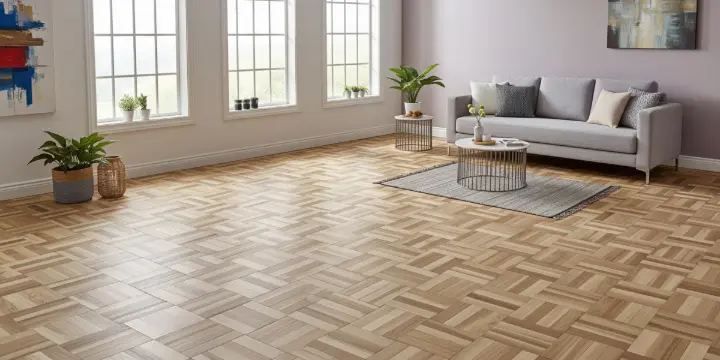
Double Basket Weave
The double basket-weave arrangement offers a modern interpretation of a traditional design, employing white subway tiles without the contrasting colored tiles often used for definition. This configuration features paired vertical tiles bordered by horizontal ones, streamlining both planning and installation.
When you shop tiles by size, you'll find standard tile dimensions and profiles that make this approach an economical method for creating impressive wall treatments. Dark grout occupies the slim gaps between tiles, gently articulating the pattern's three-dimensional character.
90-Degree Herringbone Pattern
Featuring their distinctive stepped appearance, 90-degree herringbone subway tile configurations create an excellent foundation for classic or period-inspired bathrooms and kitchens. In this arrangement, tiles position perpendicular to one another, forming right angles.
Professional installations typically follow NKBA planning guidelines to ensure proper spacing, alignment, and waterproofing standards. The straightforward nature of this design harmonizes with the linear elements common in kitchen and bathroom spaces while adding dynamic visual flow to balance solid surfaces.
When you shop tiles by style, consider how herringbone patterns complement traditional and vintage aesthetics perfectly.
Horizontal Stacked Bond
The stacked bond configuration ranks among the most straightforward subway tile installations, showcasing uniform tiles positioned in exact, stacked columns. This understated pattern contributes a modern touch and organized aesthetic, making it perfect for transitional and contemporary spaces.
White subway tile backsplashes in this format gracefully fade into the background, enabling prominent kitchen features to take center stage. Consider our Perfection 2.5x8 matte porcelain subway tile for a clean, modern application that exemplifies this minimalist approach.
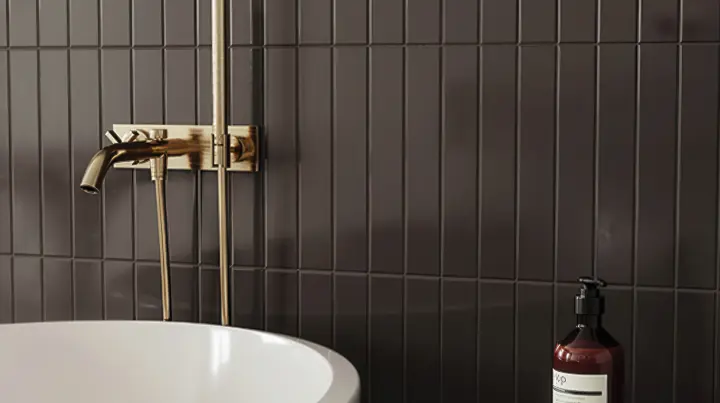
Vertical Stacked Bond
For an unconventional approach, orient subway tiles in vertical alignment. Compact rectangular tiles arrange neatly in columns to form a contemporary and refreshing bathroom backsplash. When you shop tiles by type, you'll discover various material options suited for vertical installations.
A horizontal strip of trim tiles caps the top edge, delivering a polished completion to the subway tile design. Learn more about bullnose tile applications for proper edge finishing techniques that create professional results.
To explore our collection of vertical-ready tile options and see available finishes, visit our showroom or browse online.
Stacked Running Bond
The stacked running bond presents a creative variation on the horizontal stacked bond configuration, showcasing a high-shine backsplash that integrates colored subway tiles for a banded visual effect. This layout increases visual intrigue and generates the perception of expanded vertical space.
Because the design combines white and colored tiles of comparable dimensions, certain vertical tiles may require trimming to align with adjacent horizontal tiles. Master proper tile replacement techniques for precision cutting and fitting.
The grout color amplifies the white tiles while harmonizing with the gray-blue selections. For detailed installation guidance on achieving seamless grout lines, follow this comprehensive grouting tile tutorial to ensure professional results.
Conclusion
Transform your space by selecting the subway tile pattern that aligns with your design vision and practical requirements. Each of these eight configurations from the straightforward elegance of stacked bond to the dynamic movement of herringbone offers distinct visual character and installation considerations. Consider your room's proportions, existing architectural elements, and desired atmosphere when choosing your pattern.
Review the products we carry to understand the full range of materials, finishes, and dimensions available for your project. Vertical arrangements heighten spaces, while horizontal layouts expand visual width.
Bold grout colors emphasize pattern geometry, whereas subtle tones create seamless surfaces. Start your subway tile project by evaluating which pattern complements your style while meeting your installation skill level and budget parameters.
With careful planning and pattern selection, subway tile elevates any kitchen or bathroom into a polished, personalized environment that stands the test of time. For questions about installation, design options, or personalized recommendations, contact usor learn more about Nova Tile and Stone and our commitment to quality craftsmanship.
Frequently Asked Questions
What is the easiest subway tile pattern to install for beginners?
The horizontal stacked bond pattern offers the simplest installation process for DIY beginners. This configuration requires minimal tile cutting and features straightforward alignment, with tiles stacked directly on top of each other in uniform columns.
The pattern's simplicity reduces installation time and material waste, making it an ideal starting point for first-time tile installers who want professional-looking results without complex measurements or angled cuts. According to ceramic tile market research, stacked bond remains among the most popular choices for contemporary residential installations.
How does grout color impact subway tile patterns?
Grout color significantly influences the visual effect of your subway tile installation. Light-colored or matching grout creates a seamless, uniform appearance that makes the wall surface feel larger and less busy, perfect for expansive applications.
When you shop tiles by color, consider how grout will interact with your tile selection for optimal visual impact. Dark grout, conversely, acts as a defining element that highlights each individual tile and emphasizes the pattern's geometry, creating bold visual texture.
Choose grout color based on whether you want the pattern to recede into the background or stand out as a prominent design feature.
Which subway tile pattern makes small bathrooms appear larger?
Vertical running bond and vertical stacked bond patterns create the illusion of taller ceilings and expanded vertical space, making small bathrooms feel more spacious. The vertical orientation draws the eye upward, enhancing perceived room height.
Pairing these vertical patterns with light-colored tiles and matching grout further amplifies the space-expanding effect. Avoid busy patterns with dark grout in compact bathrooms, as these can make the space feel more confined.
When selecting tiles for smaller spaces, shop local options to see samples in person and evaluate how different patterns and colors work within your specific space dimensions.
Do herringbone patterns require more tiles than running bond patterns?
Yes, herringbone patterns typically require 10-15% more tiles than running bond installations due to increased cutting and waste. Both 45-degree and 90-degree herringbone configurations demand precise angled cuts along walls and edges, resulting in more unusable tile fragments.
Additionally, the complex layout requires extra tiles for pattern mistakes and alignment adjustments. Budget for additional materials and extended installation time when selecting herringbone over simpler patterns like running bond or stacked bond.
For insights into precision tile-cutting methods and professional craftsmanship approaches, explore these handmade ceramic tile techniques that demonstrate advanced installation skills.
Can you mix different subway tile patterns in the same room?
Mixing subway tile patterns in a single room creates visual interest when executed thoughtfully. Designate one pattern for the primary surface, such as classic running bond for main walls, and introduce a contrasting pattern like herringbone for accent areas or focal points.
Maintain consistency in tile material, color, and finish across patterns to ensure cohesion. Avoid combining more than two patterns in one space, as excessive variation can create visual chaos rather than intentional design contrast.