What makes subway tiles a timeless interior design trend? Subway tiles became an interior design trend because they combine timeless aesthetic appeal with practical functionality, originating from New York City's 1904 subway system and evolving into a versatile design element that adapts to virtually any style, contemporary, minimalist, retro, industrial, or upscale.
Why are subway tiles so popular? Subway tiles remain popular because they brighten spaces with their reflective surface, work with any interior style, offer multiple layout pattern options, require minimal maintenance, and provide a premium look at an affordable price point. Their simple rectangular shape creates visual order while their glossy finish maximizes natural light, making rooms feel larger and more open.
What are the origins of subway tiles? Subway tiles trace back to 1904 when architects Christopher Grant La Farge and George C. Heins selected white ceramic tiles for New York City's underground transit stations due to their cleanliness, durability, and light-reflecting properties. By the mid-20th century, these practical transit tiles transitioned into residential kitchens and bathrooms, where their water-resistant qualities and easy maintenance made them ideal for home use.
Do subway tiles only come in white? No, modern subway tiles are available in an extensive colour palette including soft pastels, earthy neutrals, bold jewel tones, and dramatic blacks, with finish options ranging from glossy to matte and textured surfaces. Stone-effect subway tiles have emerged as particularly desirable, combining the classic subway shape with the natural beauty of marble, travertine, or slate.
From trendy restaurant feature walls to pristine kitchen backsplashes and tranquil bathroom retreats, subway tiles continue to elevate spaces with their streamlined rectangular form. What makes them particularly intriguing is how such an uncomplicated tile has managed to stay at the forefront of interior design discussions for generations without becoming irrelevant.
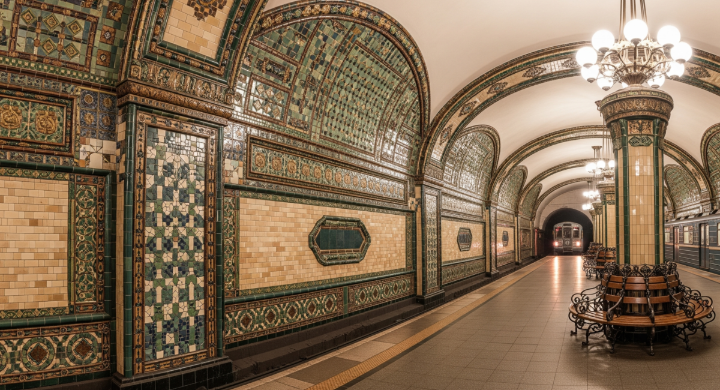
The Origins: From Underground Transit to Home Design
Subway tiles trace their roots back to 1904 with New York City's inaugural underground transit system. Designers Christopher Grant La Farge and George C. Heins selected white ceramic tiles for platform walls due to their functionality, cleanliness, and ability to maximize the sparse lighting of that era. The rectangular format and beveled edges provided visual dimension while preserving a tidy, structured look capable of handling intense public traffic.
What began as a utilitarian answer for mass transit slowly captured the interest of home designers. By the middle of the 20th century, subway tiles had migrated from practical subway corridors into fashionable residences, especially in culinary and bathing spaces where their moisture-blocking qualities and straightforward care made ideal sense. This transformation from civic architecture to residential interior styling signaled the start of their lasting appeal, eventually becoming a staple showcased at major industry events like Coverings, the premier tile and stone exhibition.
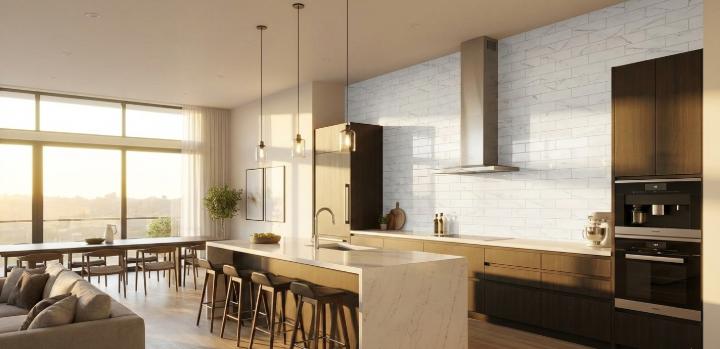
Why Subway Tiles Are So Popular in Interior Design
Subway tiles evolved into a significant interior design movement because they seamlessly merge functionality with visual charm. Their straightforward geometry, shiny surface, and styling adaptability make them appropriate for virtually any residential aesthetic, which is why they're featured prominently in our tile and stone collection.
As contemporary spaces transitioned toward crisper, lighter, and more streamlined environments, subway tiles perfectly matched the requirements and swiftly became a go-to for design professionals. Here are the five primary factors driving their widespread use.
1. Timeless Look That Never Feels Outdated
Subway tiles feature an enduring rectangular form that has maintained its appeal across decades of evolving design movements. Their straightforward profile generates a feeling of structure, creating walls that appear crisp and deliberate. Whether incorporated in a contemporary culinary space or a traditional washroom, they provide a refined, lasting aesthetic that remains perpetually relevant.
Understanding current bathroom tile trends helps contextualize why subway tiles continue thriving alongside newer design innovations. When exploring options, you can shop tiles by style to discover how subway tiles complement various aesthetic approaches.
2. Brightens and Opens Up Any Room
Among the most significant benefits of subway tiles is their light-enhancing capability. Their sleek, reflective finish disperses illumination throughout the space, transforming cramped or dim areas into feeling spacious and welcoming. This brightening quality proves particularly beneficial in confined kitchens and modest bathrooms where daylight might be scarce.
The National Kitchen and Bath Association recognizes the importance of light reflection in design, particularly in spaces where natural illumination is limited. For those prioritizing this brightening effect, exploring subway tiles by color allows you to select shades that maximize light reflection.
3. Versatile Enough for Any Interior Style
Subway tiles integrate flawlessly with virtually every decorating approach: minimalist, industrial, retro, contemporary, rustic, or high-end. They coordinate beautifully with diverse elements including marble surfaces, timber cabinetry, brass accents, dark matte hardware, and even vibrant accent features. Their capability to enhance both subtle neutrals and striking contrasts positions them as among the most flexible styling components in today's interiors.
This versatility extends across different material compositions as well. Understanding the distinction between ceramic vs porcelain tile helps inform decisions about durability and aesthetic preferences. Our comprehensive selection allows you to shop tiles by type to find the perfect material match for your project requirements.
4. Easy to Style With Multiple Layout Patterns
The appeal of subway tiles rests in their design versatility. Though the tile profile stays consistent, their arrangement method can completely transform the aesthetic effect. Configurations like traditional running bond, straight stack, and diagonal patterns deliver distinct characteristics, spanning from conventional to distinctly modern. This provides designers and property owners the flexibility to develop a personalized appearance.
Professional installers utilize proven tile layout tips and tricks to achieve flawless pattern execution. The 3x6 subway tiles remain the most traditional size for creating these classic patterns, though larger formats offer contemporary alternatives.
5. Durable, Easy to Clean, and Budget-Friendly
Subway tiles are recognized for their resilience and minimal upkeep demands. They repel marks, humidity, and everyday use, positioning them as perfect for frequently used zones like kitchens and bathrooms. Cleaning them requires mere moments, enhancing their usefulness. Additionally, they're economical and readily accessible, providing a high-end appearance without the elevated price point.
Quality subway tiles meet rigorous industry standards, including the ANSI A137.1-2022 Standard for Ceramic Tile, ensuring consistent performance and durability. You can browse our complete inventory by visiting our shop to compare materials and pricing.
Modern Variations: Beyond Traditional White
Though traditional white subway tiles stay the preferred selection, current production has broadened the choices significantly. Contemporary subway tiles arrive in a remarkable spectrum of shades, from gentle pastels and natural neutrals to striking jewel hues and bold blacks. Non-glossy surfaces provide a modern substitute to conventional shine, while dimensional surfaces contribute richness and physical appeal to walls. For those interested in exploring other geometric patterns, terrazzo look tiles offer an alternative aesthetic that shares subway tiles' versatility.
Discover the full range of available hues by browsing options to shop tiles by color and see how different shades transform the same classic shape. For those seeking specific dimensions, you can shop tiles by size to understand how scale impacts visual effect.
Stone-effect subway tiles have surfaced as an especially desirable option, merging the classic subway profile with the organic appeal of marble, travertine, or slate. These tiles provide the sophistication of genuine stone alongside the functional advantages of ceramic or porcelain, featuring uniform dimensions and reduced care demands. Resources from the Natural Stone Institute offer valuable insights into stone aesthetics, while manufactured stone-look options deliver similar beauty with enhanced practicality.
Conclusion
Subway tiles have proven their staying power in interior design by consistently delivering what homeowners and designers value most: timeless appeal, practical functionality, and remarkable versatility. From their humble beginnings in New York City's underground transit system to becoming a cornerstone of modern residential design, these simple rectangular tiles have demonstrated an extraordinary ability to adapt and remain relevant.
Their enduring popularity stems from a unique combination of qualities that few design elements can match. They brighten spaces, complement any style, offer endless layout possibilities, and maintain their beauty with minimal effort. Whether you're planning a kitchen renovation, designing a bathroom refresh, or creating a statement wall, subway tiles provide a foundation that balances visual impact with long-term practicality. For more information about products we carry or to explore local options, visit our shop local page.
Frequently Asked Questions
What size are traditional subway tiles?
Traditional subway tiles measure 3 inches by 6 inches (75mm by 150mm), maintaining the classic 1:2 rectangular proportions that originated in New York City subway stations. However, modern variations now come in multiple sizes including 2x4 inches, 4x8 inches, and 4x12 inches, giving designers and homeowners more flexibility to scale the look according to their space. The size you choose can dramatically affect the visual impact, with larger formats like the Linear 5x10 Glossy 3D Decorative Subway Tile creating a more contemporary feel and smaller sizes offering traditional charm.
Are subway tiles only available in white?
No, while classic white remains the most popular choice, subway tiles are now manufactured in an extensive colour palette. You can find soft pastels like blush and mint, earthy tones such as sage and terracotta, dramatic darks including navy and charcoal, and even bold jewel tones. Beyond colour, finish options have expanded to include glossy, matte, textured, and stone-effect surfaces. This variety allows you to customize the look while maintaining the timeless subway tile shape.
What's the best grout colour to use with subway tiles?
The grout colour you select significantly impacts the final appearance. White or light grey grout creates a seamless, cohesive look that makes spaces feel larger and more open, ideal for small bathrooms and kitchens. Dark grey or black grout produces a bold grid pattern that emphasizes the tile layout and adds visual drama, working beautifully in modern or industrial-style spaces. Consider your overall design goals and maintenance preferences when choosing, as lighter grout may show staining more readily. Proper tile edge protection for better installation results ensures professional-looking grout lines, and understanding porcelain vs non-porcelain tile specifications helps determine the best grout compatibility.
Which layout pattern works best for subway tiles?
The ideal layout pattern depends on your design style and the mood you want to create. Classic brick or running bond pattern offers timeless appeal and works universally across all styles. Vertical stack creates a modern, elongating effect that makes ceilings appear higher. Herringbone delivers sophisticated visual interest and works beautifully as a statement feature. For smaller spaces, simpler patterns like brick bond typically work best, while larger areas can accommodate more complex arrangements. To learn more about your options, contact us for personalized design consultation.
Do subway tiles require professional installation?
Yes, professional installation is strongly recommended for subway tiles to ensure proper water resistance, structural integrity, and visual precision. Expert installers understand crucial technical requirements including proper substrate preparation, waterproofing membrane application, correct adhesive selection, precise tile spacing and alignment, and appropriate grout application techniques certified by the Ceramic Tile Distributors Association. While subway tiles may appear simple, achieving perfectly straight lines, consistent grout joints, and proper sealing requires specialized knowledge and experience. Learn more about us and our commitment to quality installation partnerships.