2025 subway tiles trends showcase bold color choices, innovative layout patterns, and dimensional textures that transform these classic tiles into contemporary design statements for kitchens, bathrooms, and beyond. While traditional white subway tiles remain timeless, today's designers are embracing earthy neutrals, vertical stacking patterns, oversized formats, and textured finishes to create spaces that feel both familiar and fresh.
If you've been thinking about refreshing your space but worry that subway tiles might look too predictable or dated, you're not alone. Many homeowners struggle to envision how these rectangular classics can work in a modern context. The good news? The versatility of ceramic and porcelain tiles means subway tiles have evolved far beyond their utilitarian origins, offering endless possibilities for personalization. In this guide, we'll walk you through the hottest trends, practical layout ideas, and expert tips to help you choose and install subway tiles that reflect your style and stand the test of time.
What Makes Subway Tiles So Popular in 2025?
Subway tiles continue to dominate interior design conversations, and for good reason. Their enduring appeal lies in the perfect balance between simplicity and sophistication. Originally used in New York City subway stations in the early 1900s, these rectangular tiles have transcended their humble beginnings to become a design staple in residential and commercial spaces alike.
In 2025, homeowners are drawn to subway tiles because they offer incredible flexibility without overwhelming a space. Whether you're working on a bathroom remodel or updating your kitchen backsplash, subway tiles provide a clean canvas that works with virtually any design aesthetic, from minimalist modern to farmhouse chic. The geometric precision of their shape creates visual order, making even small spaces feel more organized and intentional.
What's particularly exciting about subway tiles in 2025 is how manufacturers and designers are pushing boundaries while honoring tradition. At Nova Tile and Stone, we're seeing customers embrace subway tiles not just for their classic look, but for their ability to adapt to contemporary color palettes, innovative installation patterns, and mixed-material applications. This adaptability ensures that subway tiles remain relevant regardless of shifting design trends.
The practical benefits also can't be ignored. Subway tiles are durable, easy to clean, and cost-effective compared to many specialty tile options. Their rectangular format means less waste during installation, and their widespread availability makes finding replacement tiles straightforward if repairs are ever needed. For homeowners who want a design that looks intentional without requiring constant updates, subway tiles deliver lasting value.
Top Color Trends for Subway Tiles in 2025
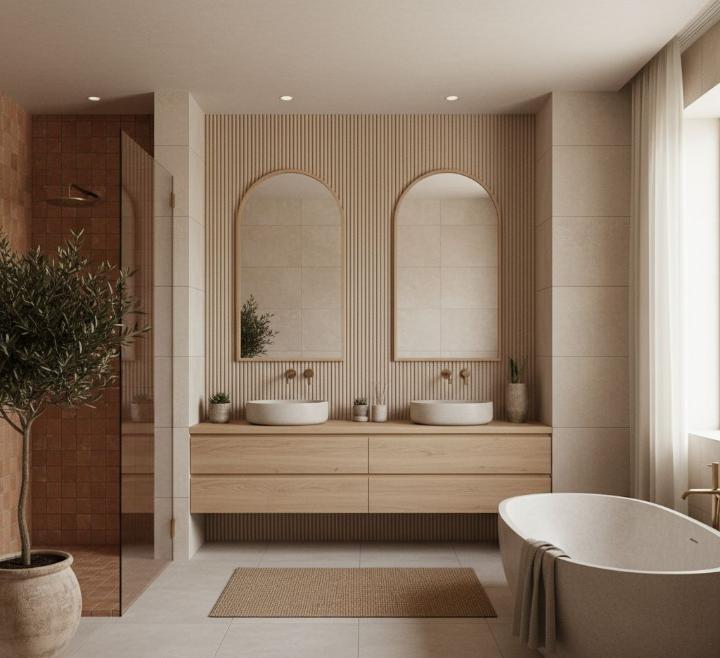
Earthy Neutrals
The stark white subway tile aesthetic is making room for warmer, more inviting neutrals. Beige, cream, greige, and soft taupe subway tiles are dominating design boards in 2025, creating spaces that feel cozy and grounded. These earth-inspired hues pair beautifully with natural wood cabinetry, brass fixtures, and stone countertops, contributing to the biophilic design movement that connects indoor spaces with nature.
When selecting from our shop tiles by color collection, consider how natural light affects your chosen shade. Warm neutrals with pink or yellow undertones create inviting morning light in kitchens, while cooler beiges with gray undertones maintain sophistication in bathrooms with limited natural light. These subtle color choices allow you to create depth and interest without overwhelming your space with bold patterns.
Terracotta and clay-inspired subway tiles are also gaining traction, particularly in kitchen backsplashes and accent walls. These warm, rustic tones bring an artisanal quality to spaces, evoking Mediterranean villas and southwestern haciendas. Pair them with white grout for a clean, contemporary look or use matching grout for a monochromatic, seamless effect.
Bold Statement Colors
For those ready to make a bolder move, vibrant colored subway tiles are having a moment. Deep emerald greens, navy blues, and rich charcoal create dramatic focal points that anchor a room's design. These saturated hues work particularly well in powder rooms, kitchen backsplashes behind ranges, or as shower accent walls where you want to create visual impact without covering every surface.
One emerging trend involves using graduated color schemes, where subway tiles transition from light to dark within a single installation. This ombre effect adds movement and dimension, turning a functional wall into an artistic statement. The key is selecting colors within the same family to ensure the transition feels intentional rather than chaotic.
Millennial pink, sage green, and soft blues continue their reign in 2025, but with more muted, sophisticated iterations. These softer statement colors provide personality without the commitment of ultra-bold hues, making them ideal for homeowners who want trendy without temporary. Browse our products we carry to explore the full spectrum of available colors.
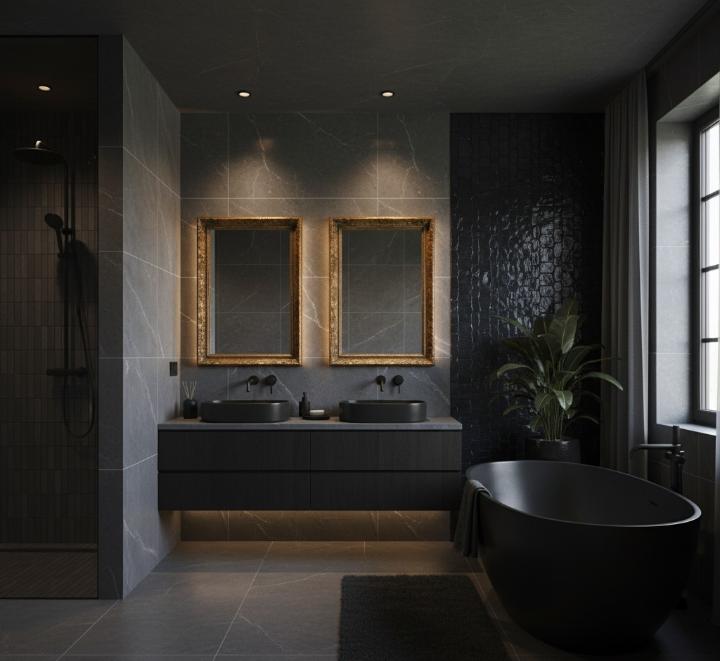
Textured and Dimensional Finishes
Flat, glossy subway tiles are no longer the only option. In 2025, textured finishes are adding tactile interest to walls and backsplashes. Crackle glazes, rippled surfaces, and hand-made appearances give subway tiles an artisanal quality that elevates them from basic building material to design feature.
Beveled edges remain popular, casting subtle shadows that create depth and dimension throughout the day as light changes. This classic detail works particularly well in all-white installations, where the play of light and shadow becomes the primary source of visual interest. For those who appreciate ceramic tile design as an art form, beveled subway tiles offer sophistication without ostentation.
Matte finishes are overtaking glossy options in many applications, particularly in bathrooms where reduced glare is desirable. Matte subway tiles also hide water spots and fingerprints better than their glossy counterparts, making them practical choices for high-traffic areas. Consider exploring our shop tiles by style options to find the perfect finish for your project.
Modern Layout Ideas Beyond the Classic Brick Pattern
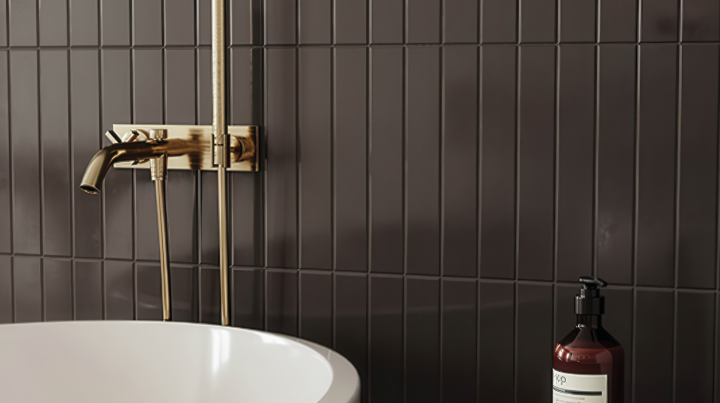
Vertical Stack Pattern
While the traditional offset brick pattern (also called running bond) remains popular, vertical stack patterns are modernizing the subway tile aesthetic in 2025. This grid-like arrangement, where tiles align vertically and horizontally, creates a more contemporary, architectural feel.
The straight lines emphasize ceiling height, making it an excellent choice for spaces with lower ceilings or narrow walls. This geometric precision also makes vertical stack an ideal layout for pairing subway tiles with terrazzo accents or borders, creating sophisticated material transitions that feel intentional rather than chaotic.
Vertical stacking works particularly well with larger format subway tiles (4x12 inches or bigger) and creates a crisp, minimalist look that complements modern and transitional design styles. The uniformity of this pattern also allows colored or textured tiles to take center stage without competing with a busy layout. When combined with contrasting grout, vertical stack patterns create a bold graphic statement.
One practical tip: vertical stack patterns require precise installation since any deviation from perfect alignment is immediately noticeable. Working with experienced professionals and following proper tile installation resources ensures your finished project looks crisp and professional.
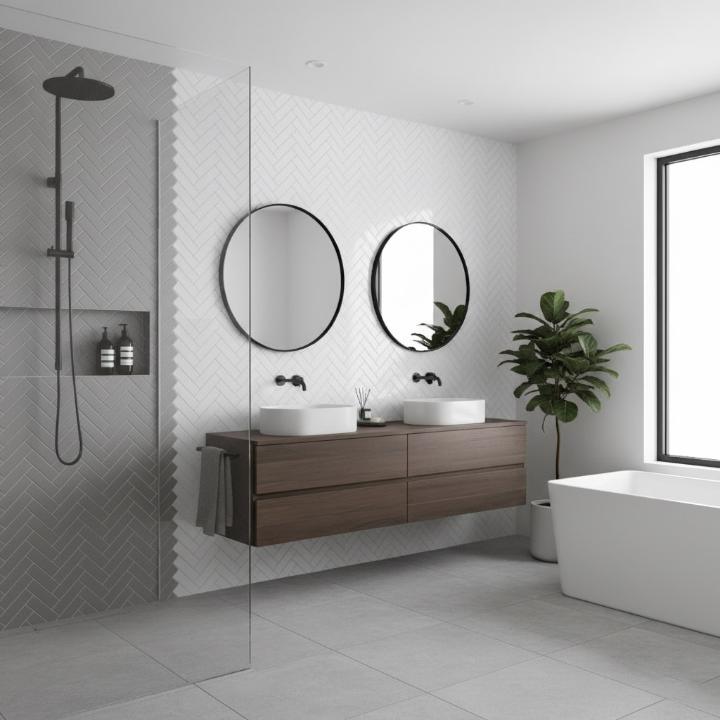
Herringbone and Chevron
Herringbone and chevron patterns transform humble subway tiles into show-stopping design features. These angular patterns add energy and movement to walls, making them ideal for creating focal points behind ranges, in shower niches, or on feature walls. While both patterns use angled tile placement, herringbone creates a broken zigzag effect while chevron forms continuous V-shapes.
Installing subway tiles in herringbone requires more material (expect 10-15% waste) and more labor than standard patterns, which increases project costs. However, the visual impact often justifies the investment, particularly in smaller spaces where you want maximum design impact. When planning a backsplash with decorative patterns, consider containing intricate layouts to specific areas while using simpler patterns elsewhere to balance cost and impact.
The beauty of herringbone and chevron patterns is their versatility across color palettes. Classic white herringbone never goes out of style, but these patterns also showcase colored or two-tone subway tile installations beautifully. For a modern twist, try vertical herringbone, where the pattern runs up and down rather than horizontally across the wall.

Mixed Size Subway Tiles
Combining different sizes of subway tiles within a single installation is an emerging trend that adds visual complexity without introducing multiple materials. Popular combinations include 3x6 and 3x12 tiles, or 2x8 and 4x8 tiles, installed in patterns that create rhythm and interest. This approach works especially well in open-concept spaces where you want differentiation without division.
One effective technique involves using larger subway tiles as a field and smaller ones as borders or accents. This frames the space and draws the eye to specific areas, such as the cooking zone in a kitchen or the vanity area in a bathroom. The mixed-size approach also allows you to maximize your tile shopping budget by using premium tiles strategically rather than covering every surface.
When mixing sizes, maintain consistency in either thickness or color to ensure the installation feels cohesive. Using tiles from the same manufacturer and product line helps guarantee color matching, even when sizes vary. Visit our shop tiles by size section to explore compatible options for mixed-size installations.
Size Variations: From Mini to Oversized
The standard 3x6 inch subway tile is no longer your only option. In 2025, we're seeing everything from petite 1x3 inch minis to substantial 4x16 inch planks, each creating distinctly different effects. Mini subway tiles, often sold on mesh sheets for easier installation, add intricate detail and vintage charm to spaces. They work beautifully in small powder rooms, shower floors, or as border details within larger tile fields.
On the opposite end of the spectrum, oversized subway tiles (4x12, 4x16, or even 6x18 inches) create a more modern, streamlined look with fewer grout lines. These larger formats make small spaces feel bigger and reduce installation time, though they require flatter substrate surfaces to prevent lippage (uneven tile edges). Different types of tiles serve different purposes, and understanding how size impacts both aesthetics and function helps you make informed decisions.
Medium-format options (3x9, 3x12) offer a sweet spot between traditional and contemporary. They provide the clean lines of larger tiles while maintaining the approachable scale of classic subway tiles. These transitional sizes work across multiple design styles and are particularly useful when you're updating a space but want flexibility to shift design directions in the future.
Consider the scale of your space when selecting tile size. Smaller tiles with more grout lines create visual "busyness" that can overwhelm tiny bathrooms, while oversized tiles may look disproportionate in compact powder rooms. As a general rule, aim for tile sizes that create 3-5 grout lines per linear foot for balanced visual weight.
Subway Tile Applications Throughout Your Home
Subway tiles have migrated far beyond kitchens and bathrooms. In 2025, we're seeing these versatile rectangles in mudrooms, laundry rooms, entryways, and even living spaces. Their durability makes them ideal for high-traffic areas, while their clean aesthetic complements both functional and decorative applications.
Here's a comparison of subway tile applications across different spaces:
Application | Best Size | Recommended Pattern | Ideal Finish | Maintenance Level |
Kitchen Backsplash | 3x6" to 4x12" | Brick, Herringbone | Glazed (easy to clean) | Low |
Shower Walls | 3x6" to 3x12" | Brick, Vertical Stack | Matte or Textured | Medium |
Bathroom Floors | 2x4" to 3x6" | Herringbone, Brick | Matte (slip-resistant) | Medium |
Fireplace Surround | 3x9" to 4x16" | Vertical Stack, Brick | Matte or Glazed | Low |
Mudroom Walls | 3x6" to 4x8" | Brick, Vertical Stack | Glazed | Low |
Accent Wall | 4x12" to 6x18" | Vertical Stack, Chevron | Any | Low |
One unexpected application gaining popularity is using subway tiles on outdoor patios over concrete. Frost-resistant porcelain subway tiles create clean, modern outdoor spaces that withstand weather while maintaining their color and structural integrity. This extends your design aesthetic from interior to exterior, creating visual continuity throughout your property.
Bathroom flooring choices often include subway tiles, particularly smaller formats that provide better slip resistance through increased grout lines. While larger tiles on floors require fewer maintenance points (fewer grout lines to seal), smaller subway tiles on bathroom floors offer practical safety benefits that outweigh the minor maintenance increase.
Step-by-Step Guide: Planning Your Subway Tile Project
Ready to incorporate subway tiles into your space? Follow this practical roadmap to ensure your project succeeds:
Step 1: Measure and Calculate Materials
Measure your installation area carefully, accounting for length and height. Multiply these dimensions to get square footage, then add 10-15% for waste (more for diagonal patterns like herringbone). Don't forget to order bullnose tiles for exposed edges and corners, as these finished pieces create professional-looking transitions.
Step 2: Select Your Tile, Grout, and Layout
Visit our show rooms to view tiles in person, as screen colors rarely match reality. Bring paint samples, cabinet door samples, or photos of your space to ensure color coordination. Choose grout color carefully as it dramatically impacts the final look. White or light gray grout creates traditional contrast, while matching grout creates a monolithic, contemporary effect. Dark grout (charcoal or black) adds graphic punch but shows less dirt over time.
Step 3: Prepare Your Surface
Proper substrate preparation prevents future problems. Walls should be flat, clean, and water-resistant (use cement board in wet areas). Any deviations larger than 1/8 inch over 10 feet should be corrected before tiling begins. This preparation work, while unglamorous, determines whether your installation lasts decades or develops problems within years.
Step 4: Plan Your Layout Before Setting Tiles
Use a level and chalk lines to establish reference lines, ensuring your tile pattern stays straight throughout the installation. Dry-lay tiles along these lines to determine where cuts will fall, adjusting your starting point so cut tiles at corners or edges remain at least half-tile width for a professional appearance. This planning prevents awkward narrow slivers that look amateur.
Step 5: Install and Seal
Apply thin-set mortar with a notched trowel appropriate for your tile size (smaller tiles need smaller notches). Use tile spacers to maintain consistent grout lines. After mortar cures (typically 24-48 hours), apply grout and remove excess with a diagonal motion. Once grout cures, apply penetrating sealer to grout lines to protect against stains and moisture.
Pros and Cons of Subway Tiles in Modern Design
While subway tiles offer numerous advantages, understanding both their strengths and limitations helps you make informed decisions for your space.
Pros:
Timeless Appeal: Subway tiles have remained popular for over a century, suggesting they won't look dated quickly compared to trendy alternatives.
Budget-Friendly: Generally less expensive than specialty tiles, decorative mosaics, or large-format porcelain slabs.
Easy to Source: You’ll find subway tiles at nearly every retailer, from big-box stores to specialty showrooms, including our own curated collections organized by tile type.
Simple Installation: Rectangular format is easier for DIYers to install compared to complex patterns or irregular shapes.
Versatile Styling: Works across design aesthetics from traditional to contemporary, farmhouse to industrial.
Wide Color Range: Available in virtually any color imaginable, allowing for personalization without custom orders.
Low Maintenance: Smooth glazed surfaces clean easily with standard household cleaners.
Cons:
Can Feel Generic: Their popularity means they're everywhere, which may lack uniqueness for some homeowners.
Grout Maintenance: More grout lines than large-format tiles mean more sealing and cleaning, particularly in white grout.
Limited Texture Options: While improving, subway tiles still offer fewer dimensional or relief options compared to specialty tiles.
Scale Limitations: Standard sizes may not suit all applications; very large or very small spaces may need different tile formats.
Installation Precision: Simple patterns still require careful execution; poor installation is immediately obvious with straight rectangular tiles.
Weighing these factors against your specific needs, budget, and design goals helps determine whether subway tiles are the right choice. For most applications, particularly those balancing cost, durability, and aesthetic appeal, subway tiles remain an excellent option.
Conclusion
Subway tiles have proven their staying power by continuously evolving while maintaining their essential character. In 2025, these rectangular classics are anything but ordinary, offering an impressive range of colors, sizes, textures, and layout options that transform kitchens, bathrooms, and living spaces. From earthy neutrals that ground contemporary interiors to bold statement hues that energize small spaces, subway tiles adapt to your unique vision while delivering practical durability.
Whether you're planning a complete renovation or a focused refresh, the key to successful subway tile installation lies in thoughtful planning, quality materials, and attention to detail. By selecting the right size for your space scale, choosing a layout pattern that complements your design style, and coordinating colors with your overall palette, you'll create a look that feels both current and enduring.
Ready to explore subway tile options for your next project? Contact us to discuss your vision with our tile experts. We'll help you navigate colors, sizes, and patterns to find the perfect subway tiles that bring your design ideas to life. To learn more about us just visit our website and check out our extensive inventory at our show room or browse online to start planning your transformation today.
Frequently Asked Questions
The 3x6 inch subway tile remains the most popular size due to its classic proportions and versatility. However, larger formats like 4x12 inches are rapidly gaining popularity for creating more contemporary, streamlined looks with fewer grout lines, while 2x8 inch tiles offer a slender, elongated profile that feels fresh and modern.
White or light gray grout creates traditional contrast that highlights the tile pattern, ideal for classic designs. Matching grout color to your tile color creates a seamless, monolithic look that feels more contemporary. Dark grout (charcoal or black) provides graphic contrast and hides dirt better, making it practical for floors and high-use areas. Consider your maintenance preferences and design style when choosing.
Yes, subway tiles work beautifully on floors, especially in smaller formats (2x4 or 3x6 inches) that provide better slip resistance through increased grout lines. Ensure you select floor-rated tiles with appropriate slip-resistance ratings, and consider matte or textured finishes rather than glossy ones for safety in wet areas like bathrooms.
Porcelain is denser, more water-resistant, and more durable than ceramic, making it ideal for high-moisture areas like showers, floors, and outdoor applications. Ceramic is typically less expensive and perfectly suitable for wall applications like kitchen backsplashes or bathroom walls above the splash zone. Both materials accept the same installation methods and look virtually identical once installed.
Subway tiles are not going out of style. While design trends evolve, subway tiles have remained continuously popular since the early 1900s due to their versatility and timeless appeal. The key to keeping them fresh is updating how you use them through modern colors, innovative layout patterns, varied sizes, and contemporary grout choices rather than relying solely on traditional white 3x6 tiles in brick pattern