Warm terracotta, forest green, and charcoal grey are replacing classic white subway tiles in 2025 as homeowners prioritize colors that bring personality and warmth. These trending hues reflect design movements toward natural palettes and authentic self-expression rather than safe neutrals chosen purely for resale value.
Subway tile layouts in 2025 incorporate unexpected shades like burnt orange, navy, sage, and graphite alongside traditional whites, creating modern subway tile patterns that feel fresh without sacrificing timelessness. Whether exploring creative backsplash ideas with chevron subway tile or herringbone subway tile backsplash installations, or considering vertical subway tile for contemporary impact, understanding color trends helps develop subway tile kitchen ideas and subway tile bathroom trends that feel current.
Colored subway tile combined with subway tile with dark grout delivers dimensional depth that pure white cannot match, making this pairing standard for design-forward tile selections.
Terracotta and Clay Tones Bring Natural Warmth
Terracotta subway tiles capture 2025's strongest color trend because they connect indoor spaces to earth and nature. These warm orange-brown hues range from soft peachy clay to deep burnt sienna, offering flexibility across different design styles from Mediterranean-inspired to modern organic. The color family works particularly well in kitchens because it pairs beautifully with natural wood cabinetry, brass hardware, and stone countertops while adding warmth that white tiles cannot provide.
The psychological impact of terracotta creates welcoming, grounded environments that feel simultaneously energizing and calming. Research in color psychology shows that warm earth tones reduce stress and promote comfort, making these shades ideal for spaces where families gather. Terracotta subway tiles also hide minor staining better than white options, offering practical advantages in busy kitchens where tomato sauce and coffee are daily realities.
Modern manufacturing techniques produce terracotta-colored porcelain subway tiles with improved durability and stain resistance compared to traditional clay tiles. These porcelain versions deliver authentic terracotta aesthetics while meeting performance standards required for high-moisture environments. The color works exceptionally well with charcoal or espresso grout, creating definition that enhances the rectangular tile format. Installation in basketweave subway tile or diagonal layouts amplifies terracotta's visual impact, making the pattern itself become a focal point.

Forest Green and Sage Create Biophilic Connections
Green subway tiles represent 2025's strongest move toward biophilic design, bringing nature's calming influence into kitchens and bathrooms through color. Shades range from soft sage and eucalyptus to deep forest and hunter green, each offering distinct moods and compatibility with different material palettes. These greens work because they reference the natural world without literal plant imagery, creating sophisticated spaces that feel grounded and restorative.
Dark forest greens pair beautifully with brass fixtures, marble countertops, and warm wood tones, creating luxurious environments reminiscent of traditional British kitchens updated for contemporary living. Lighter sage tones complement Scandinavian minimalism and modern farmhouse aesthetics, providing color interest while maintaining clean simplicity. Green subway tiles also photograph exceptionally well, explaining their popularity among design bloggers and social media influencers who drive consumer trends.
The practical advantages of green tiles extend beyond aesthetics. Green hides water spots and mineral deposits more effectively than white tiles, reducing visible maintenance in bathroom showers and kitchen backsplashes. The color also provides better contrast with white dishes and stainless appliances than white-on-white schemes, making kitchen tasks easier while adding visual depth. Green subway tiles work brilliantly in creative backsplash ideas when combined with complementary colors, and you can explore tiles by type to find complementary materials for borders or accent strips.
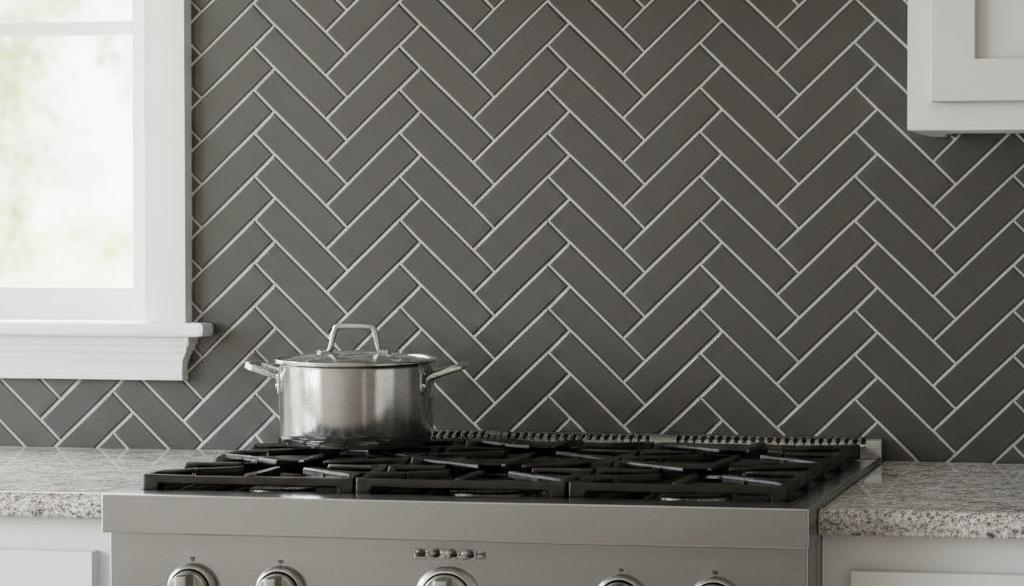
Charcoal and Graphite Deliver Contemporary Sophistication
Dark grey subway tiles dominate 2025's modern design category because they provide dramatic impact while maintaining neutrality. Charcoal and graphite tones range from deep steel grey to nearly black, offering sophisticated alternatives to both stark white and pure black tiles. These dark neutrals work exceptionally well in contemporary subway tile kitchen ideas where homeowners want bold design without introducing actual color.
The advantage of charcoal subway tiles lies in their versatility across different grout colors. White grout creates high contrast similar to traditional white-and-black schemes but with softer visual impact. Grey grout delivers seamless, monochromatic installations perfect for minimalist aesthetics. Black grout produces dramatic, grid-like patterns that make the tile format itself a design feature, allowing the same tile selection to create vastly different aesthetic outcomes based solely on grout choice.
Dark grey tiles hide wear and staining more effectively than light colors, making them practical choices for high-traffic areas. Kitchen backsplashes behind cooktops benefit from charcoal's ability to camouflage oil splatters and food stains that show prominently on white tiles. Installation in herringbone subway tile backsplash or chevron subway tile patterns amplifies graphite's architectural presence. The angular patterns create movement and visual interest that prevents dark colors from feeling heavy or oppressive. Vertical subway tile installations using charcoal create height and drama in compact bathrooms, making spaces feel larger despite darker colors.
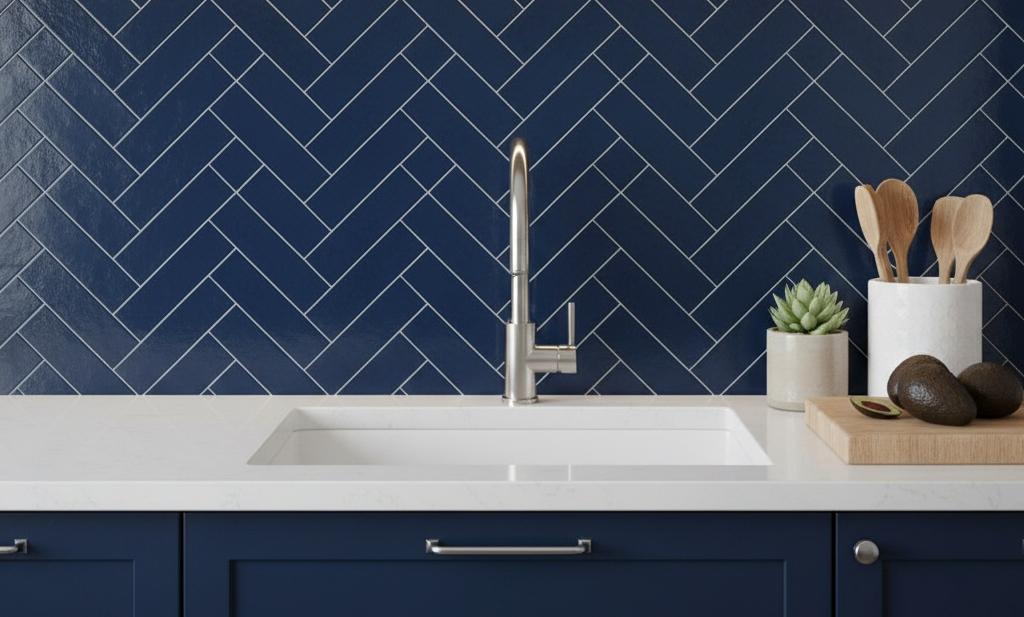
Navy and Midnight Blue Add Depth
Navy subway tiles capture 2025's trend toward jewel tones that provide richness without departing from neutral territory. These deep blues range from classic navy to midnight and ink tones, offering drama that remains surprisingly versatile. Navy works particularly well in subway tile bathroom trends because it creates serene, sophisticated environments reminiscent of luxury spas and high-end hotels.
The color psychology of navy promotes focus and calm, making it ideal for powder rooms and guest bathrooms where you want to impress visitors without overwhelming compact spaces. Navy subway tiles pair beautifully with brass, copper, and warm metallic fixtures, creating balanced contrast between cool tile colors and warm metal tones. The combination feels both classic and contemporary, explaining its popularity across different design styles from traditional to transitional.
Navy tiles perform exceptionally well when paired with subway tile with dark grout. Charcoal or black grout creates subtle definition that enhances tile edges without harsh contrast, producing sophisticated installations that feel cohesive rather than busy. For subway tile kitchen ideas, navy works best as accent features rather than full-room coverage. Navy backsplashes behind white or light wood cabinetry create stunning focal points that draw attention without dominating spaces.
Comparing 2025's Leading Subway Tile Colors
Color Category | Best For | Mood Impact | Maintenance Level | Grout Pairing |
Terracotta/Clay | Kitchens, Farmhouse Style | Warm, Grounding | Medium (hides stains) | Charcoal, Espresso |
Forest Green/Sage | Bathrooms, Biophilic Design | Calming, Natural | Low (hides spots) | White, Grey |
Charcoal/Graphite | Contemporary Spaces | Sophisticated, Bold | Very Low (hides wear) | White, Black, Grey |
Navy/Midnight Blue | Bathrooms, Accent Walls | Serene, Luxurious | Low (hides stains) | Black, Charcoal |
Coordinating Colored Tiles With Existing Elements
Successfully integrating colored subway tiles requires careful coordination with cabinetry, countertops, and fixtures. The tile color should enhance rather than compete with these fixed elements, creating balanced spaces that feel intentional rather than chaotic. Start by identifying your room's dominant materials and select tile colors that complement these existing investments.
Warm-toned colored tiles like terracotta work beautifully with wood cabinetry in oak, walnut, and cherry finishes. The warm undertones create harmonious palettes that feel cohesive and inviting. Cool-toned tiles like navy and charcoal pair well with white or painted cabinets, creating clean contrast that emphasizes both elements. Green tiles bridge warm and cool palettes, working across different cabinet finishes when you select the appropriate shade temperature.
Countertop selection significantly impacts tile color success. White quartz or marble countertops provide neutral backgrounds that allow colored tiles to become focal points. Granite or quartzite with movement and pattern compete with colored tiles, potentially creating busy spaces that lack visual rest. Hardware and fixture finishes must coordinate with tile undertones. Brass and gold fixtures complement warm tiles like terracotta and sage. Chrome and stainless steel pair well with cool greys and blues, while black fixtures work across all tile colors.
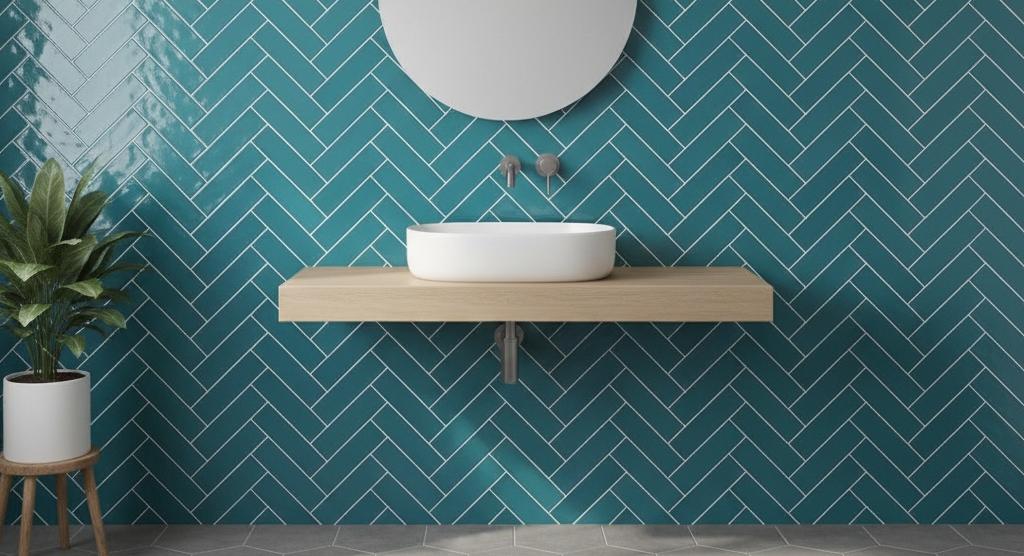
Installation Patterns That Showcase Color
The layout pattern you choose dramatically affects how colored tiles present in finished installations. Traditional horizontal running bond remains popular because it creates clean, predictable grids that don't distract from tile color. However, modern subway tile patterns like vertical subway tile, herringbone subway tile backsplash, and chevron subway tile create additional visual interest that complements bold color choices.
Vertical installations using colored tiles create height and draw eyes upward, making rooms feel taller and more expansive. This pattern works particularly well for navy and charcoal tiles where the vertical lines add architectural interest to dark colors that might otherwise feel heavy. Herringbone patterns transform colored subway tiles into focal point features. The zigzag pattern creates movement and energy perfect for behind cooktops or in shower enclosures where you want visual drama. Consider 3D decorative options that combine color with texture for additional dimensional interest.
Practical Steps for Confident Color Selection
Choosing colored subway tiles requires systematic evaluation to ensure decisions you'll appreciate long-term. Follow this three-step process for confident color selection:
Step 1: Evaluate Your Space's Fixed Elements Assess existing materials you're not changing-cabinetry, countertops, flooring, window frames. Photograph these elements in natural and artificial light. Identify undertones (warm vs. cool) and saturation levels (bold vs. muted). This creates your baseline palette that new tile colors must coordinate with.
Step 2: Order Multiple Samples Request samples of three to five different tile colors within your preferred color family. Place samples against countertops, next to cabinetry, and under your actual lighting conditions. Observe how colors shift throughout the day. Test how samples look when wet, as bathroom tiles frequently appear darker when exposed to moisture. Browse available selections to identify samples worth ordering.
Step 3: Consider Grout Color Impact Each tile color works differently with various grout colors. Order grout samples in white, light grey, dark grey, and black. Test these combinations against your tile samples to see how dramatically grout affects final appearance. Remember that grout covers 10-15% of tiled surfaces, making it a significant color factor that influences overall aesthetic.
Maintaining Colored Subway Tiles
Colored subway tiles generally require less visible maintenance than white tiles because they hide staining and discoloration more effectively. However, proper care ensures colors remain vibrant and surfaces stay protected. Ceramic and porcelain options require slightly different maintenance approaches based on their manufacturing processes.
Regular cleaning involves wiping surfaces with pH-neutral cleaners specifically formulated for tile. Avoid acidic cleaners on colored tiles as these can gradually etch surfaces and dull finishes. For stubborn stains, create paste using baking soda and water, apply to affected areas, and gently scrub with soft brushes. Cleaning guidance for porcelain provides specific techniques for maintaining finishes.
Grout maintenance becomes more important with colored tiles where contrast makes dirty grout more visible. Seal grout lines annually with quality penetrating sealers that prevent moisture intrusion and staining. Clean grout lines quarterly using grout-specific cleaners and small brushes that reach into joints without damaging tile edges. Professional guidance from ceramic tile experts ensures proper installation techniques that simplify long-term maintenance.
Planning Your Colored Tile Project
Begin your project by clarifying priorities. Define whether you're seeking aesthetic impact, practical performance, or balanced combination. Budget realistic amounts for materials and installation. Colored subway tiles often cost slightly more than basic white options, though various size selections accommodate different budgets. Professional installation represents 40-60% of total project costs.
Geographic location influences which colored subway tiles work best. Climate affects moisture levels and temperature fluctuations that impact tile performance. Humid climates require porcelain options because their denser composition prevents water absorption. Material performance standards help evaluate options for your specific climate. Tile layout expertise helps incorporate regional preferences.
Professional guidance improves outcomes when selecting colored subway tiles. Most established tile showrooms provide complimentary design services. The Ceramic Tile Education Foundation ensures installers meet quality standards. The Natural Stone Institute offers guidance when incorporating stone elements. Industry standards organizations document performance specifications. Proper installation techniques ensure tiles remain securely bonded, and organizations that set standards publish test results. Outdoor applications require additional considerations.
Order samples early, evaluate thoroughly, and allow decision-making time before scheduling installation. Quality installers book weeks or months in advance. Color trends in 2025 offer exciting alternatives to traditional white. Visit local showroom locations to explore options and work with design professionals who coordinate colored tiles with your existing elements. Understanding how trends develop helps create spaces you'll love long after installation, and the company's full product range includes comprehensive selections across trending hues. Consider different tile style categories including matte porcelain finishes and glossy options to find the perfect match for your project.
Frequently Asked Questions
What colored subway tiles are most popular in 2025?
Terracotta, forest green, sage, charcoal grey, and navy blue represent the most popular colored subway tiles in 2025. These colors replace traditional white by adding warmth and personality while maintaining versatility. Terracotta works beautifully in kitchens with wood cabinetry, creating organic palettes. Green brings biophilic elements that promote calm in bathrooms. Charcoal and navy provide sophisticated alternatives for contemporary spaces. Each color offers practical advantages including better stain concealment than white tiles.
Do colored subway tiles require different maintenance than white tiles?
Colored subway tiles typically require less visible maintenance than white tiles because they hide stains and discoloration more effectively. However, basic care remains similar-use pH-neutral cleaners, avoid acidic solutions, and seal grout annually. Darker colors like navy and charcoal hide wear better than lighter shades. Green tiles conceal water spots more effectively than white. The main maintenance difference involves grout, which shows dirt more prominently against contrasting tile colors, requiring more frequent cleaning to maintain crisp appearances.
Will colored subway tiles hurt my home's resale value?
Colored subway tiles in trending shades like terracotta, green, and charcoal typically enhance rather than hurt resale value when installed thoughtfully. Real estate data shows buyers appreciate distinctive, well-executed design choices over generic builder finishes. The key is selecting colors that coordinate with fixed elements like cabinetry and countertops, creating cohesive spaces rather than jarring mismatches. Bold colors work best as accent features rather than full-room coverage, giving future buyers flexibility to personalize without expensive replacements.
What grout color works best with colored subway tiles?
The best grout color depends on your desired aesthetic. White or light grey grout creates high contrast that emphasizes individual tile shapes, working well with dark colors like navy and charcoal. Dark grey or black grout produces seamless, monochromatic installations perfect for minimalist designs. Matching grout colors to tile colors (terracotta tiles with brown grout) creates subtle, cohesive appearances. Contrasting grout highlights tile patterns in herringbone or chevron layouts. Test grout samples against your chosen tiles before committing to full installation.
Can I mix colored subway tiles with white tiles?
Yes, mixing colored subway tiles with white tiles creates dynamic, visually interesting installations. Common approaches include using colored tiles for backsplash focal points while keeping surrounding walls white, creating accent strips using colored tiles within larger white installations, or alternating colored and white rows for horizontal stripe effects. The key is establishing clear pattern intentions rather than random mixing. Define specific zones for each color, maintain consistent grout color throughout, and ensure proportions favor one color to prevent chaotic appearances.