Sealing a stone slab helps protect natural stone surfaces from staining, moisture absorption, and long-term surface damage by filling the microscopic pores within the material. Most natural stone, including marble, travertine, limestone, and quartzite, tends to be porous. This means liquids and oils can penetrate the surface and contribute to discoloration if left untreated.
For high-use areas like kitchen countertops and bathroom floors, sealing is generally considered a required maintenance step rather than an optional one. A penetrating sealer forms a protective barrier within the stone without typically altering its appearance, giving homeowners more time to clean up spills before they become difficult stains. Depending on the stone type and finish, most surfaces tend to benefit from resealing every six to twelve months to help maintain adequate protection. If you are still in the process of selecting your material, browsing the full range of available natural stone slabs can help you compare porosity levels and surface options before committing to a choice.
What Sealing Actually Does for Natural Stone
Understanding why sealing matters begins with understanding the nature of natural stone itself. Materials like marble, travertine, limestone, and certain quartzite varieties are porous at a microscopic level. This means liquids, oils, and contaminants can seep beneath the surface if it is left unprotected.
A quality penetrating sealer fills those microscopic pores and creates a barrier that helps reduce the absorption of substances. It is generally designed to preserve the look and texture of the stone rather than alter it, giving the surface more time to be wiped clean before a spill has the chance to set.
This protection tends to be especially valuable in high-traffic areas like kitchens, where cooking oils, wine, coffee, and acidic juices are common. It is equally relevant in bathrooms, where standing water and soap residue can gradually affect an unsealed surface. According to the Natural Stone Institute, routine sealing is one of the most effective ways to extend the life of a natural stone surface and help preserve its original character.
Which Stone Surfaces Need to Be Sealed
Not all stone behaves the same way when it comes to porosity, and not every surface requires the same sealing approach. Knowing which materials tend to be most vulnerable helps you make more informed decisions for your space.
Marble is among the more porous and chemically sensitive natural stones. It can be highly reactive to acidic substances, which means citrus juice or vinegar may etch the surface even before absorption becomes a concern. Sealing marble can help manage moisture, while a separate surface protectant may address etching risk. For more on keeping marble surfaces in good condition, this guide to cleaning marble countertops offers practical maintenance context.
Travertine has a naturally open-pored structure, making it one of the more permeable stone options available. Its characteristic pits and channels, while visually appealing, can trap debris and moisture if left unsealed. Sealing travertine is widely considered an important maintenance step.
Limestone shares many sensitivities with marble. It tends to be soft, reactive to acids, and can absorb liquids relatively quickly. Regular sealing is strongly recommended for limestone countertops, flooring, and wall applications.
Quartzite is generally denser than many other natural stones, but sealing is still strongly recommended, particularly for kitchen countertops where heat and chemicals are more prevalent. Quartzite is frequently confused with engineered quartz, but unlike quartz, it is a completely natural material that can benefit from protective treatment.
Slate and sandstone are also known to be porous and tend to respond well to sealing, particularly in outdoor applications or wet environments such as shower surrounds.
You can request a slab quote to get started on your project with the right material already in mind.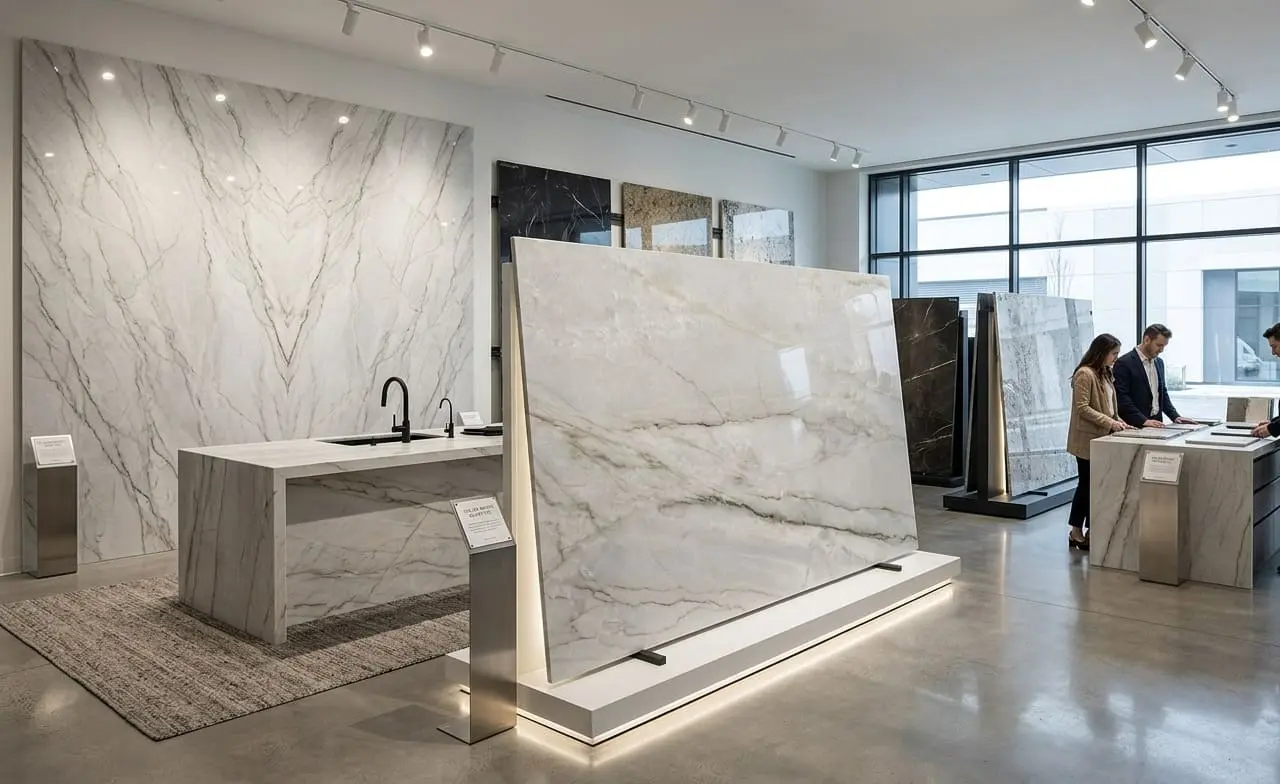
How Often Should You Seal a Stone Slab
Sealing is not a one-time event. Over time, sealers can break down through everyday cleaning, foot traffic, UV exposure, and general wear. The appropriate resealing frequency depends on the type of stone, the surface finish, and how heavily the area is used.
Polished marble and limestone countertops in active kitchens generally tend to benefit from resealing at least once a year. Honed or matte finishes, which are often more porous than polished ones, may need attention every six to eight months. Understanding how different finishes perform over time is worth considering early in the selection process. This resource on selecting the ideal stone finish covers the key differences between polished, honed, and other surface options in practical detail. Travertine floors in high-traffic areas are often recommended for sealing twice a year.
A simple water test can help indicate whether a surface may need resealing. Place a few drops of water on the stone and observe the result. If the water beads up and remains on the surface, the seal may still be active. If it absorbs into the stone within a few minutes and darkens the area, it is likely time for a fresh application.
Outdoor stone slabs can face faster sealer degradation due to sunlight, rain, and freeze-thaw cycles. Bluestone patios, limestone pool surrounds, and travertine outdoor living spaces may benefit from sealing once or twice per year, depending on the local climate. If you are based in the area and want hands-on guidance, visiting one of our local showrooms can connect you with knowledgeable staff who can help assess your specific situation in person.
The Right Sealer for the Right Stone
A wide range of sealers is available, and choosing an unsuitable type can leave the stone underprotected or affect its appearance. The two main categories are penetrating sealers and topical sealers.
Penetrating sealers, also called impregnating sealers, soak into the stone's pores and form a barrier from within. They are generally designed not to leave a coating on the surface, so the stone tends to retain its natural look and texture. These are among the most commonly recommended options for interior countertops and flooring because of their durability and minimal visual impact.
Topical sealers sit on top of the stone and create a physical coating. They can enhance the color of the stone or provide a glossy finish, but they may require more maintenance over time because they can be susceptible to scratching, peeling, and product buildup. Topical sealers are sometimes used on outdoor stone or when color enhancement is the primary goal.
For food preparation surfaces like kitchen countertops, it is advisable to verify that the sealer is non-toxic and food-safe once fully cured. This consideration is particularly relevant for marble and quartzite islands where direct food contact is common. If you are working on a larger renovation and want to explore material options with a specialist, you can schedule an appointment with our team to talk through your project in detail.
Common Mistakes That Compromise Stone Protection
Well-intentioned homeowners can inadvertently shorten the life of their sealer or affect their stone while trying to care for it. One of the more common errors is using acidic or harsh chemical cleaners on sealed stone. Products containing vinegar, bleach, or ammonia can break down sealers over time and leave the stone more exposed.
Another frequent mistake is waiting too long between sealing applications. By the time visible stains appear, the sealer may have already lost its effectiveness. Following a consistent maintenance schedule based on the specific stone type is generally the most practical way to stay ahead of this issue.
Applying sealer to a surface that has not been thoroughly cleaned beforehand is also a common pitfall. Oils, residue, or previous product buildup that gets sealed beneath the new layer can become difficult to address afterward. Proper preparation is considered just as important as the application itself.
Using only a single coat on highly porous stone can also lead to reduced sealer performance. Denser stones like granite or quartzite may need only one application, but travertine and limestone often benefit from two coats to help achieve more thorough protection.
Sealing and Long-Term Stone Care
Sealing is one part of a broader stone care routine. Regular cleaning with pH-neutral, stone-safe cleansers, the use of soft non-abrasive tools, and placing coasters or trivets under hot items can all contribute to the long-term durability of a stone surface.
Different finishes also tend to respond differently to daily wear. Polished stone is generally more resistant to staining but may show surface scratches more readily. Honed and brushed finishes tend to be more forgiving of minor abrasions but can be more susceptible to staining without consistent sealing. Knowing the finish of your stone helps set realistic care expectations and allows you to address potential vulnerabilities proactively.
If you are uncertain about the condition of your stone or the most suitable sealing approach for your specific material, a free consultation with our team can help you make more informed decisions before issues develop. Trade professionals working on client projects may also find it useful to apply for a trade account to access dedicated support and resources.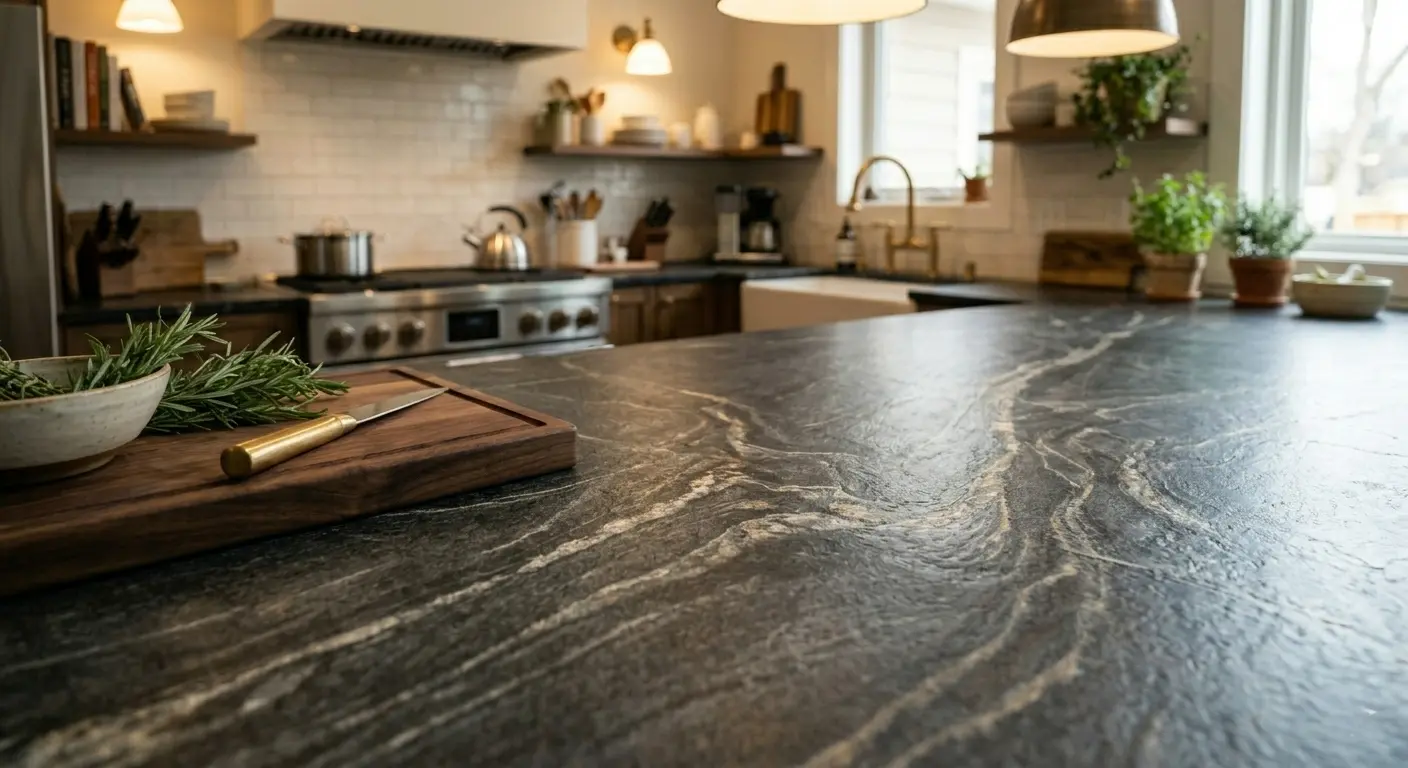
Conclusion
Natural stone slabs represent a meaningful investment, and caring for that investment goes beyond simply enjoying the finished result. Sealing is an important part of stone ownership that can help keep surfaces looking their best while supporting structural integrity over time. Whether the surface is a Calacatta marble countertop, a travertine floor, or a quartzite feature wall, a suitable sealer applied at appropriate intervals can make a noticeable difference in long-term performance.
Staying informed about your stone's specific needs, maintaining a consistent care routine, and consulting with specialists when questions arise are all practical steps toward responsible stewardship of any natural stone surface. If you are ready to move forward, you can explore available options or check for current deals through our overstock sale to find quality material that fits your project.
Frequently Asked Questions
Can you seal any type of natural stone slab?
Most natural stone surfaces can benefit from sealing, but the type of sealer and the frequency of application tend to vary by material. Highly porous stones like travertine and limestone may require more frequent attention compared to denser varieties like quartzite. A professional assessment can help determine a suitable approach for your specific surface.
How long does a stone sealer typically last?
The lifespan of a stone sealer can vary depending on the product used, the porosity of the stone, and the level of daily use. As a general reference, kitchen countertops may benefit from resealing around every twelve months, while lower-traffic surfaces may go eighteen to twenty-four months between applications. Performing the water bead test periodically can serve as a practical indicator of when resealing may be needed.
Does sealing change the appearance of natural stone?
Penetrating sealers are generally formulated to be invisible once cured and are not typically intended to alter the stone's color, sheen, or texture. Topical sealers may enhance or slightly deepen the color and can add a gloss or satin finish. Confirming the visual effect of a specific product with your supplier before application is always a practical step.
Is it safe to use sealed stone countertops for food preparation?
In most cases, yes, provided the sealer used is confirmed to be food-safe once fully cured. Many penetrating sealers formulated for kitchen use are designed to be non-toxic after the curing process is complete. Verifying this with your supplier before using any sealed surface for direct food contact is advisable, particularly for marble, quartzite, and limestone countertops.
What happens if natural stone goes without sealing for too long?
Unsealed or inadequately sealed stone can become more susceptible to staining, moisture absorption, and gradual surface wear. Some stains may penetrate deeply enough that professional restoration or poultice treatments are needed to address them. In certain cases, etching and discoloration may be difficult to reverse. Consistent sealing is generally considered far more practical than attempting remediation after damage has developed.