Natural stone materials for countertops and surfaces include granite, marble, quartzite, soapstone, onyx, quartz, porcelain, and solid surface, each varying in durability, maintenance requirements, cost, and ideal application. Granite and quartzite are the most durable natural options, best suited for high-traffic surfaces like kitchen countertops. Marble and onyx offer unmatched beauty but require more maintenance and are better reserved for decorative or low-traffic applications. Engineered options like quartz and porcelain provide high durability with minimal upkeep, while soapstone and solid surface serve more specialized or budget-conscious needs.
Choosing the right material depends on three key factors: where it will be installed, how much maintenance you are willing to commit to, and your overall budget. This guide breaks down the pros, cons, durability ratings, and ideal applications of all eight materials so you can make a confident, informed decision for your next home design or renovation project.
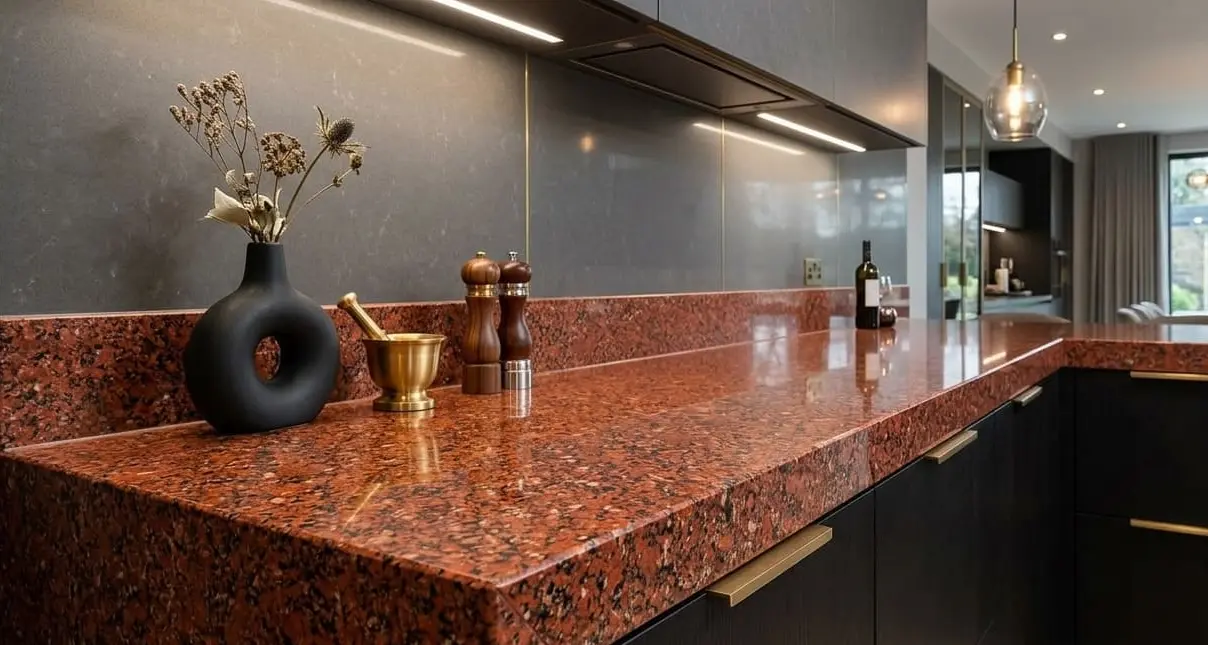
Granite: Built to Last and Easy to Find
Among all natural stone countertop surfaces available today, granite consistently ranks as one of the most sought-after. It comes in thousands of colors and patterns, and its exceptional durability makes it a go-to choice for both homeowners and contractors. Periodic sealing is required, but beyond that, granite demands very little upkeep, making it an ideal pick for busy spaces like kitchens and bathrooms.
To explore a wide selection of premium natural stone options, including granite, homeowners can browse high-quality stone slabs available at Nova Tile and Stone for surfaces that combine lasting performance with timeless design.
Marble: Beautiful, but Demands Attention
No two marble slabs look alike, and that natural variation in veining and patterning is a large part of its appeal. That said, marble is considerably more porous than most other natural stone options, leaving it vulnerable to scratching, staining, and scuffing if not sealed and cleaned consistently. Its timeless elegance is undeniable, but it is worth thinking carefully about placement. Fireplaces and kitchen backsplashes tend to be more forgiving applications than high-use countertops.
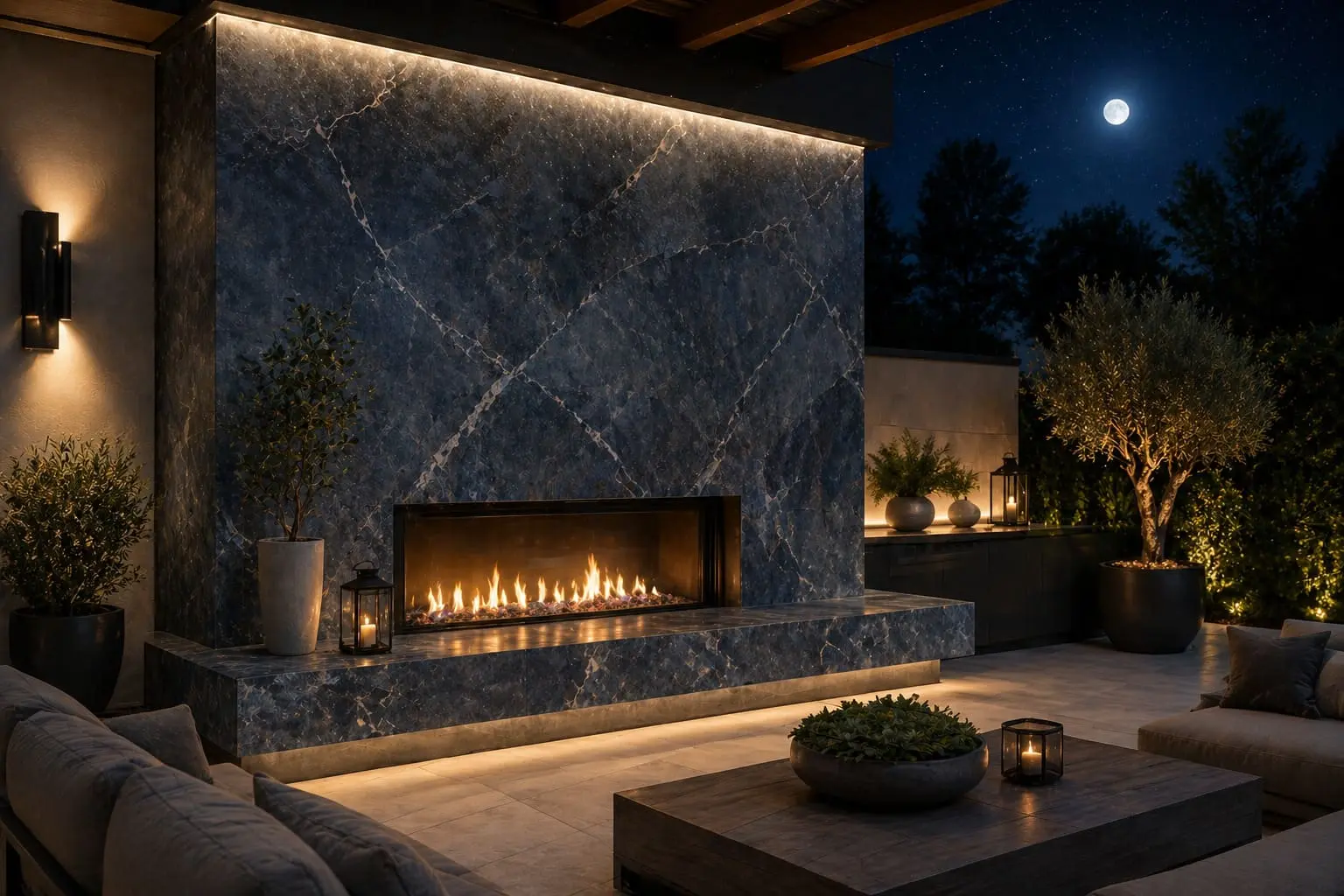
Quartzite: Tough, Resilient, and Outdoor-Friendly
Quartzite delivers the visual appeal of marble with significantly greater durability. It ranks among the hardest countertop materials available, and when sealed regularly, it holds up well against scratches and heat. Its UV resistance also makes it a strong candidate for outdoor installations like exterior kitchen surfaces. One thing to keep in mind is that quartzite's rigidity means it can be more susceptible to chipping and denting compared to other natural stone materials.
For homeowners looking to compare premium natural stone selections in person, shopping local for quality quartzite slabs at Nova Tile and Stone makes it easier to find the right surface for both indoor and outdoor projects.
Soapstone: Stain-Resistant but Limited in Style
Despite being on the softer end of the natural stone spectrum, soapstone compensates with its notably low porosity. That means staining is far less of a concern, even though surface scratches can occur over time. The trade-off is a narrower selection of styles and colorways, primarily blacks, greys, greens, and blues, which may or may not align with your design vision.
Onyx: Unmatched in Appearance, Best Used Sparingly
Onyx is a rare natural stone that makes a bold visual statement unlike any other surface material. It comes in a range of striking colors and can even be translucent, allowing for truly distinctive design moments. However, it is delicate and prone to scratching, so it performs best in low-traffic areas and vertical applications such as backsplashes rather than everyday work surfaces.
For design professionals sourcing unique statement materials, learning more about environmental and health product labels for natural stone helps support informed material selection, while applying for a trade account for access to premium specialty slabs can streamline high-end residential and commercial projects.
Quartz: Engineered for Performance and Convenience
Technically, quartz is not a natural stone but a manufactured material, yet it earns its place in this comparison through sheer performance. The engineered production process allows for impressive veining effects and a broad spectrum of color options. Quartz countertops are highly durable and require nothing beyond routine cleaning to maintain, making them one of the most practical choices on this list.
For homeowners and professionals evaluating surface options, understanding important considerations around engineered stone and countertop fabrication safety can help support smarter long-term material decisions.
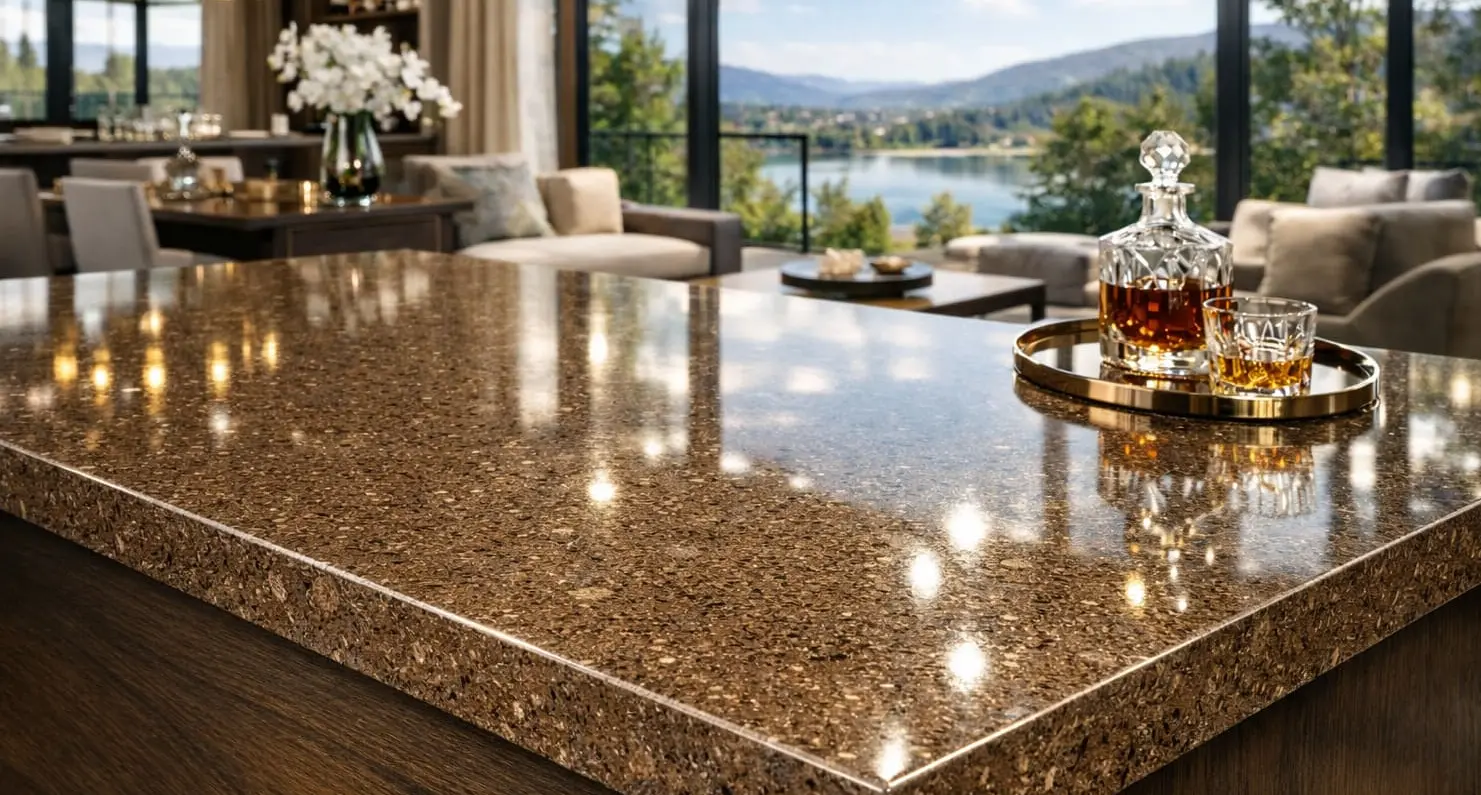
Porcelain: Heat-Proof and Increasingly Popular
Porcelain may not have been a mainstream countertop material in years past, but it has gained significant traction recently. It handles heat exceptionally well and requires no sealing whatsoever. Its thinner profile does restrict edge profile options, which is why it is frequently installed on vertical surfaces like shower walls and backsplashes rather than countertops.
For homeowners planning a renovation or comparing surface materials in person, scheduling a showroom appointment with Nova Tile and Stone to explore porcelain slab options can make the selection process much easier and more informed.
Solid Surface: Budget-Friendly and Fuss-Free
Solid surface is a plastic resin-based engineered material, which means it is more prone to scratching and scorching than most of the natural stone alternatives on this list. On the flip side, it is virtually non-porous, needs no sealing, and carries a significantly lower price point, making it a practical solution for large-scale projects or budget-conscious renovations.
Conclusion
The best material for your project ultimately depends on how and where it will be used. Durability often takes priority, but for some spaces, the visual impact of marble or onyx is simply irreplaceable.
Granite and quartzite both offer high durability and are best suited for high-traffic surfaces, with both falling under the natural stone category. Marble and onyx, while stunning, rate low on durability and are better reserved for decorative applications. Marble works well on backsplashes and low-traffic areas, while onyx shines in purely ornamental settings. Soapstone sits in the middle of the durability range and is particularly well-suited for medical and chemical use surfaces, thanks to its natural, non-porous composition.
On the engineered side, quartz delivers high durability and is a reliable choice for heavy-use surfaces, while porcelain, also man-made and highly durable, is most commonly used in vertical applications. Solid surface, another engineered option with medium durability, is best positioned for large-scale installations and projects where budget is a primary concern.
To move forward with the right material selection, homeowners and designers can explore premium surfaces at Nova Tile and Stone’s natural stone slab collection or request a custom slab quote for countertops, walls, and specialty installations tailored to their project needs.
Frequently Asked Questions
What is the most durable natural stone for countertops?
Quartzite and granite are widely considered the most durable natural stone options for countertops. Both materials rate high in hardness and resistance to heat and scratching, especially when sealed regularly. Quartzite has a slight edge in strength, but granite's wider availability and variety of colors make it the more popular choice for high-traffic surfaces like kitchen countertops.
Which natural stone requires the least maintenance?
Among true natural stones, granite and quartzite are the lowest-maintenance options, requiring periodic sealing and routine cleaning to keep them in top condition. If minimal upkeep is your top priority, engineered materials like quartz and porcelain are worth considering, as they require no sealing at all and only need regular cleaning to maintain their appearance.
Is marble a good choice for kitchen countertops?
Marble can work in a kitchen setting, but it comes with important caveats. Its high porosity makes it susceptible to staining, scratching, and etching from acidic substances like lemon juice or vinegar, which are all common in kitchen environments. If you love the look of marble but are concerned about maintenance, quartzite is an excellent alternative that mimics marble's veining with far greater durability.
What is the difference between quartz and quartzite?
Despite their similar names, quartz and quartzite are very different materials. Quartzite is a naturally occurring metamorphic rock formed from sandstone under intense heat and pressure, while quartz countertops are engineered from ground quartz crystals mixed with resin binders and pigments. Both are highly durable, but quartzite is a true natural stone whereas quartz is a man-made product. Quartzite is also UV resistant, making it a better fit for outdoor applications.
Which natural stone material is best for outdoor use?
Quartzite is the top choice for outdoor applications such as exterior kitchen countertops and outdoor living surfaces. Its UV resistance prevents fading or discoloration when exposed to direct sunlight over time, and its high durability makes it well-equipped to handle the wear and tear of outdoor environments. Porcelain is another strong contender for outdoor use due to its heat resistance and low-maintenance nature.