Before buying stone slabs, you need to know five critical things: material type (granite, marble, quartzite, or engineered quartz), porosity levels that affect staining, heat resistance for kitchen use, maintenance requirements including sealing frequency, and how lighting and wetness drastically change appearance. We guide homeowners through these essential factors to prevent costly selection mistakes.
The biggest surprise for most buyers: slabs from the same quarry can look completely different due to mineral variations, extraction depth, and cutting direction. Additionally, what you see in the showroom rarely matches what gets installed small samples hide pattern variations, dry samples appear lighter than sealed surfaces, and showroom lighting differs from your home. Understanding these realities before purchase ensures your expectations align with the final installation.
This guide addresses questions even stone professionals find challenging: distinguishing natural fissures from actual cracks, whether thicker slabs truly perform better, why some stones stain while others don't, and what causes spontaneous cracking without impact. These insights help you select materials matching both your aesthetic vision and lifestyle needs for lasting satisfaction.
Understanding Different Slab Materials Available Today
The world of stone slabs encompasses various natural and engineered materials, each with distinct properties. Natural stones form over millions of years through geological processes, creating unique patterns and colorations. Engineered materials combine natural minerals with advanced manufacturing techniques to produce consistent, high-performance surfaces.
Granite stands as one of the most popular natural stone options, formed from cooled magma deep within the earth. This igneous rock showcases incredible hardness and resistance to scratching, heat, and staining when properly sealed. Each granite slab features one-of-a-kind veining and mineral deposits that create striking visual appeal.
Marble represents timeless elegance with its characteristic veining and luminous appearance. This metamorphic rock forms when limestone undergoes intense heat and pressure, resulting in the crystalline structure that gives marble its distinctive look. While more porous than granite, marble creates stunning focal points in bathrooms, fireplace surrounds, and carefully maintained kitchen spaces.
Quartzite begins as sandstone before metamorphosing under extreme conditions into one of the hardest natural stones available. Often confused with engineered quartz, quartzite offers superior heat resistance and scratch resistance while displaying beautiful natural patterns ranging from subtle to dramatic.
Engineered quartz combines approximately 90-95% ground natural quartz with polymer resins and pigments. This manufacturing process creates non-porous surfaces with consistent coloring and patterning, offering exceptional stain resistance and minimal maintenance requirements.
Why Do Slabs From The Same Stone Type Look So Different?
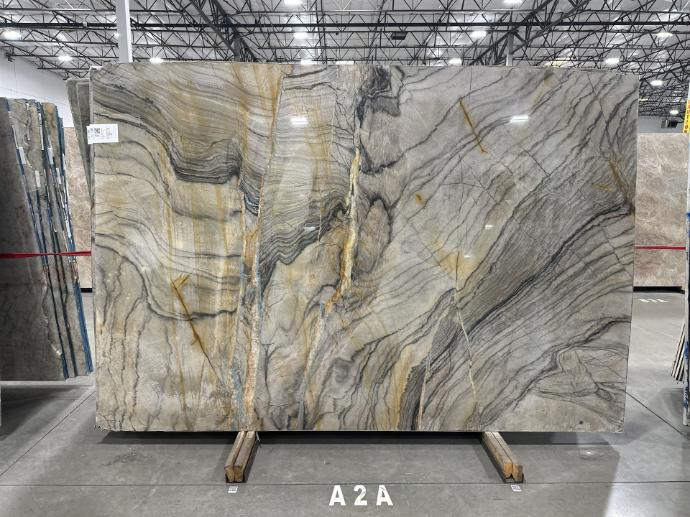
Many homeowners visiting showrooms notice dramatic variations even among slabs labeled as the same stone type. This puzzling phenomenon stems from multiple geological and extraction factors.
Natural stone formation occurs across vast underground areas with varying mineral compositions, pressure levels, and temperature conditions. Even within a single quarry, different sections produce distinctly different appearances. A marble quarry might yield predominantly white stone in one area while producing heavily veined material just meters away.
The depth at which stone is extracted influences its characteristics. Surface-level stone experiences different weathering and mineral exposure than material from deeper excavation. This vertical variation creates color and pattern differences even from the same quarry location.
Mineral impurities and inclusions create the veining, speckling, and color variations that make natural stone beautiful. The specific minerals present during formation determine whether granite appears predominantly black, red, blue, or multicolored. Iron oxides produce warm rust tones, while other minerals contribute greens, blues, or purples.
The direction of cutting affects pattern appearance dramatically. Slabs cut perpendicular to sediment layers show different veining patterns than those cut parallel to geological formations. Fabricators choose cutting directions to maximize aesthetic appeal or minimize waste depending on project requirements.
What Happens When Stone Slabs Get Wet During Selection?
Showroom visits often involve wetting stone samples to preview how sealed and finished surfaces will appear. However, understanding what this moisture reveals helps homeowners make better selections.
Water application temporarily darkens most natural stones and intensifies color depth. This mimics how sealer application affects final appearance, since sealers fill microscopic surface pores similarly to water. Stones showing dramatic color enhancement when wet will likely darken noticeably after sealing.
Veining becomes more prominent when stone is wet, allowing clearer visualization of pattern intensity. Subtle veining invisible on dry surfaces may become quite pronounced after sealing and polishing. Homeowners preferring minimal pattern should assess wet appearance rather than dry. Different surface treatments such as polished, honed, or leathered also affect how moisture changes the appearance.
Some stones show watermarks or spotting when wet that disappear upon drying. These temporary patterns don't indicate defects but reveal porosity variations within the stone. Proper sealing minimizes this effect in finished installations.
How Does Slab Size Affect Installation And Design Options?
Stone slabs come in varying dimensions that significantly impact both aesthetic outcomes and installation logistics. Understanding size implications helps optimize material selection.
Standard slab dimensions typically measure approximately 120 inches by 55-75 inches, though exact sizes vary by stone type and quarry. These dimensions determine how many seams appear in finished installations and where fabricators must join pieces.
Jumbo slabs measuring up to 130 inches long provide advantages for large islands and expansive countertops. The additional size minimizes or eliminates seams in prominent locations, creating cleaner visual lines. However, jumbo slabs cost more and require specialized handling equipment.
Seam placement becomes crucial in smaller slabs. Fabricators strategically position seams in less visible locations like corners, near sinks, or along natural pattern breaks. Discussing seam placement during template creation ensures acceptable positioning before cutting occurs.
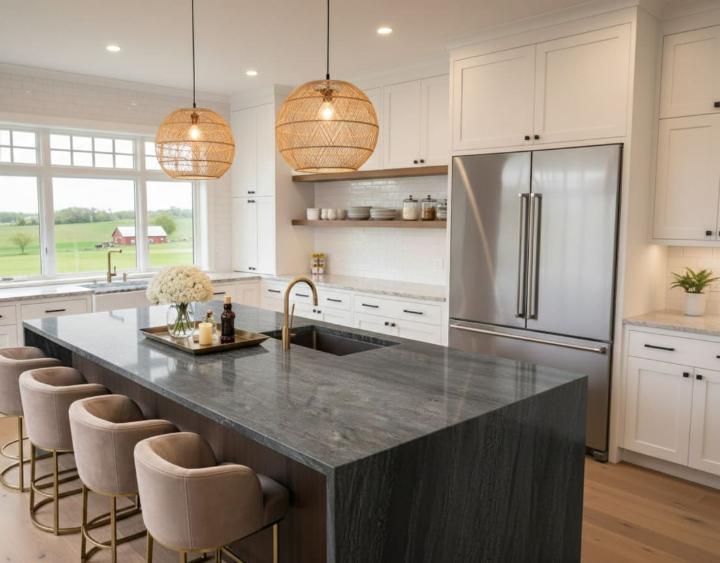
Island installations particularly benefit from larger slabs. Waterfall edges extending stone vertically down sides look most impressive without horizontal seams interrupting the flow. Adequate slab size allows continuous material flow from horizontal to vertical surfaces. For homeowners in the Reno area, visiting our showroom allows you to see full-size slabs and better understand these sizing considerations.
What Causes Color Variation Between Samples And Installed Surfaces?
Homeowners sometimes notice their installed stone appears different from the small sample they selected. Multiple factors contribute to these discrepancies.
Sample size limitations prevent showing the full range of color and pattern variation present across an entire slab. A four-inch square sample might display predominantly one color while the full slab contains areas with significantly different tones or veining intensity.
Lighting conditions dramatically alter stone appearance. Showroom lighting differs from home lighting, affecting how colors present. Natural daylight reveals different characteristics than LED, fluorescent, or incandescent lighting. Testing samples in actual installation locations under real lighting conditions provides more accurate appearance prediction.
Surface finish affects color perception significantly. Samples with polished finishes appear darker and more vibrant than honed or leathered alternatives. If samples show different finish than the specified installation finish, color intensity will vary accordingly.
Sealer application darkens most natural stones noticeably. Unsealed samples appear lighter than finished, sealed installations. Wetting samples approximates post-sealing appearance more accurately than viewing dry, unsealed pieces. Contractors and designers can apply for a trade account to access professional resources and pricing for their projects.
Do Thicker Slabs Actually Perform Better Than Thinner Ones?
The assumption that thicker always means better quality doesn't necessarily hold true for stone slabs. Performance depends on application requirements rather than thickness alone.
Structural strength increases with thickness to a point, but properly supported 2cm slabs perform adequately for most applications. The substrate and support structure matter more than raw slab thickness for preventing cracks or breaks. Well-supported thin slabs outperform poorly supported thick ones.
Weight considerations make thinner slabs advantageous in some situations. Upper-level installations, wall cladding, and situations with weight restrictions benefit from lighter materials. Excessive weight can stress cabinetry or require structural reinforcement.
Visual presence varies with thickness, particularly at edges. Thick slabs create substantial, furniture-like appearance that some homeowners prefer. Others favor sleeker profiles that thinner materials provide. Aesthetic preference should guide thickness selection for visible edges.
What Makes Some Stones More Susceptible To Staining Than Others?
Stain resistance varies dramatically across stone types, frustrating homeowners who expected uniform performance. Understanding staining mechanisms explains these differences.
Porosity represents the primary staining factor. Porous stones contain tiny interconnected spaces where liquids penetrate below the surface. Once inside, pigmented substances become difficult or impossible to remove completely. Dense, less porous stones resist penetration better.
Chemical composition affects how stones interact with staining substances. Calcium-based stones like marble react chemically with acids, creating etching that resembles but differs from staining. Silica-based stones like granite resist chemical reactions better.
Oil-based stains penetrate differently than water-based ones. Oils spread through stone more readily due to lower surface tension. This makes olive oil, cooking grease, and cosmetics particularly problematic for porous stones.
Sealer quality and application frequency dramatically impact stain resistance. Even porous stones resist staining reasonably well when properly sealed. Conversely, unsealed granite may stain despite naturally lower porosity than sealed marble. Following professional maintenance guidelines ensures your investment remains beautiful for years.
Can Stone Slabs Crack After Installation Without Any Impact?
Discovering cracks in stone installations without obvious impact causes concern and confusion. Several factors can cause spontaneous cracking without external force.
Thermal stress occurs when temperature changes cause expansion and contraction. Stone expands when heated and contracts when cooled. If expansion cannot occur freely due to rigid mounting or constraints, internal stress builds until cracking releases the tension.
Inadequate support creates stress concentrations that eventually cause failure. Stone requires continuous support across its underside. Gaps in substrate support create unsupported spans where stone's own weight generates stress. Over time, this stress may exceed stone strength, causing cracks.
Natural fissures differ from cracks but confuse many homeowners. Some stones contain inherent fissures formed during geological development. These features exist before fabrication and don't indicate installation problems. However, stress can sometimes extend existing fissures into actual cracks.
Settlement or movement in building structures transfers stress to rigid stone installations. Even minor foundation settling, cabinet shifting, or structural movement can stress stone beyond its tensile strength. If you're working with contractors in the Sacramento region, discussing proper substrate preparation prevents these issues.
Maintaining Natural Stone Slabs For Lasting Beauty
Proper care preserves stone slab beauty and performance for decades. While maintenance requirements vary by material, fundamental practices apply across natural stone types.
Daily cleaning requires only mild dish soap and water or pH-neutral stone cleaners. Harsh chemicals, acidic cleaners, and abrasive scrubbers damage stone surfaces and degrade sealers. Soft cloths or non-abrasive sponges provide adequate cleaning power without surface damage. For granite surfaces, proper cleaning techniques for granite help maintain their luster and durability.
Spill management prevents most staining issues. Immediate cleanup of potentially staining substances like wine, coffee, oils, and acidic liquids prevents penetration into stone pores. Even sealed surfaces benefit from prompt spill attention.
Cutting board usage protects surfaces from scratching and prevents dulling of knife edges. While natural stone resists scratching better than many materials, direct cutting can eventually mar polished finishes. Whether you're working with contractors or handling projects yourself, understanding proper care extends the lifespan of your investment.
Conclusion
Selecting the right slab material transforms your renovation or construction project from ordinary to extraordinary. Whether you prioritize the timeless elegance of marble, the proven durability of granite, the exceptional hardness of quartzite, or the consistent performance of engineered quartz, understanding each material's characteristics ensures decisions aligned with your lifestyle and aesthetic vision. The investment in quality stone slabs delivers lasting value through unmatched beauty, exceptional durability, and enhanced home worth. Visit our locations to experience these magnificent materials firsthand and discover the perfect slabs for your project.
Frequently Asked Questions
Why do slabs from the same quarry sometimes look completely different from each other?
Geological variations within a single quarry create substantial appearance differences even among stones extracted from the same location. Different excavation depths, varying mineral concentrations, and the specific area within the quarry all influence final appearance. Additionally, the direction in which slabs are cut from the stone block dramatically affects vein patterns and color distribution.
How can you tell if a hairline mark in stone is a fissure or an actual crack that will worsen?
Fissures represent natural characteristics formed during stone creation and remain stable, while cracks indicate structural damage that may propagate. Fissures typically follow the stone's natural grain patterns and feel smooth when you run your fingernail across them. Cracks often appear more random, may have slight height differences on either side, and sometimes catch your fingernail.
Does the country of origin actually affect stone quality or just appearance?
Origin affects both quality and appearance based on local geological conditions. Different geographic regions produce stones with distinct mineral compositions, hardness levels, and durability characteristics. However, origin doesn't guarantee superiority since quality varies even within single quarries. Evaluating specific stone properties matters more than assuming origin determines quality.
What causes some stones to develop a haze or dull spots after several years of use?
Haze development typically results from sealer buildup, soap residue accumulation, or microscopic surface etching. Repeated sealer applications without proper stripping create cloudy layers. Soap scum deposits from cleaning products build up gradually, particularly in hard water areas. Acidic substances cause chemical etching on calcium-based stones that appears as dull spots.
Can stone slabs installed vertically as wall cladding crack from their own weight over time?
Properly installed vertical stone rarely fails from its own weight since mounting systems distribute loads appropriately. However, inadequate anchoring, insufficient support spacing, or incorrect adhesive application can allow stone to shift gradually, creating stress that leads to cracking. Professional installation following manufacturer specifications prevents weight-related failures.