Porcelain slabs are manufactured surfaces used for countertops, bathroom walls, backsplashes, flooring, and other residential applications. Their performance depends on the specific product, finish, thickness, fabrication, and installation system. Some products may also be approved for exterior use.
Available in large formats and consistent patterns inspired by marble, stone, concrete, and other materials, these surfaces offer considerable design flexibility. Before selecting one, review the manufacturer's technical specifications and confirm that the product is approved for the intended application.
If you're ready to explore premium porcelain slabs for your renovation project our tile and stone specialists can help you select the perfect style, size, and finish to match your vision while ensuring lasting performance.
Here's a complete look at what makes porcelain slabs the right choice for your next home renovation, and what to know before you buy.
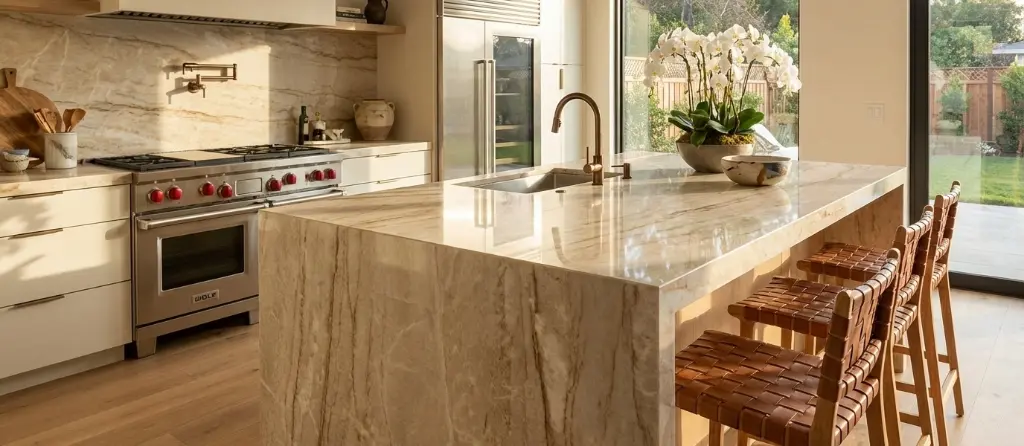
Porcelain Slabs: Built for the Demands of Modern Living
Porcelain is a manufactured ceramic material produced from refined mineral ingredients and fired at high temperatures. This process creates a dense surface with low water absorption. Thickness, weight, strength, and performance vary among products and manufacturers.
Porcelain slabs are available for a range of residential applications, but compatibility with radiant heating, temperature changes, moisture, flooring, and exterior conditions must be confirmed for the specific product and installation system. Their manufactured patterns can provide greater visual consistency than natural stone.
For homeowners also exploring alternatives like engineered stone surfaces, porcelain offers a comparable level of durability with distinct design flexibility. And when you're ready to begin your renovation, we encourage you to shop local with our tile and stone experts for personalized guidance, premium materials, and professional support from start to finish.

How to Incorporate Porcelain Slabs Into Your Home
Porcelain slabs bring unmatched flexibility to residential design, fitting naturally into virtually any space, indoors or outdoors without sacrificing durability. Here are the most impactful ways to put them to work throughout your home:
Countertops
Many porcelain slabs are designed for kitchen and bathroom countertops. Performance varies by product, finish, thickness, edge treatment, support, and fabrication method. Confirm resistance to heat, stains, scratches, and impact for the exact slab, and use cutting boards and trivets routinely. If you're comparing surface materials, explore the detailed guide on choosing the right countertop for your space to better understand your options.
Patios
Many slab options include textured finishes that may offer more traction than polished surfaces, but suitability for pool surrounds and other wet areas should be confirmed using product-specific DCOF/ANSI A326.3 slip-resistance data.
Backsplashes
Porcelain slabs can create backsplashes with fewer grout lines than smaller tiles. Confirm that the selected product, finish, substrate, adhesive, and installation method are suitable for the location, particularly near cooking equipment.
Flooring
Certain porcelain slabs are approved for residential or commercial flooring. Suitability depends on thickness, wear rating, slip resistance, traffic level, substrate, and installation system. Review the manufacturer's specifications before selecting a slab for bathrooms, entrances, or high-traffic areas.
The Advantages of Choosing Porcelain Slabs for Your Interior
Porcelain slabs can offer design flexibility, low water absorption, and relatively simple care. Their performance varies by product, finish, application, fabrication, and installation.
Exceptional Durability
Many porcelain slabs provide good resistance to everyday wear. Heat, scratch, impact, and exterior performance vary by product, so review the technical specifications and use protective accessories such as cutting boards and trivets.
Superior Resistance to the Elements
Some porcelain products are approved for areas exposed to moisture, temperature changes, UV radiation, or freeze-thaw conditions. Approval for showers, patios, pool surroundings, and other demanding locations must be confirmed for the exact product and installation system.
Low Maintenance and Simple to Clean
Porcelain slabs generally require relatively simple care and usually do not need sealing. Follow the manufacturer's instructions for the specific surface and finish. Use an appropriate mild cleaner, wipe spills promptly, and avoid assuming that the surface prevents bacterial or mold growth.
Highly Customizable
Porcelain slabs are available in various colors, patterns, finishes, sizes, and thicknesses. Available options depend on the manufacturer and product line. Printed designs can resemble marble, stone, concrete, or wood, but performance comparisons should be based on product-specific technical data. If you're exploring additional material comparisons, you can learn more about natural and engineered stone countertop options to see how porcelain stacks up for your renovation project.
Key Factors to Consider Before Installing Porcelain Slabs
Before committing to porcelain slabs for your renovation, a few practical considerations are worth understanding:
A More Complex Installation Process
Porcelain's density makes it more demanding to cut and install. Precise handling is required throughout, which is why professional installation is strongly recommended to avoid damage and ensure a flawless result. For project-specific pricing and expert guidance, you can request a detailed porcelain slab quote from our team.
Higher Upfront Investment
Porcelain slabs may cost more than standard ceramic tiles, particularly when specialized fabrication, transport, and installation are required. Total cost and long-term value vary by product and project. Visit a showroom to view complete slabs and discuss the available options with the design team. You can easily book an appointment with our specialists to get started.
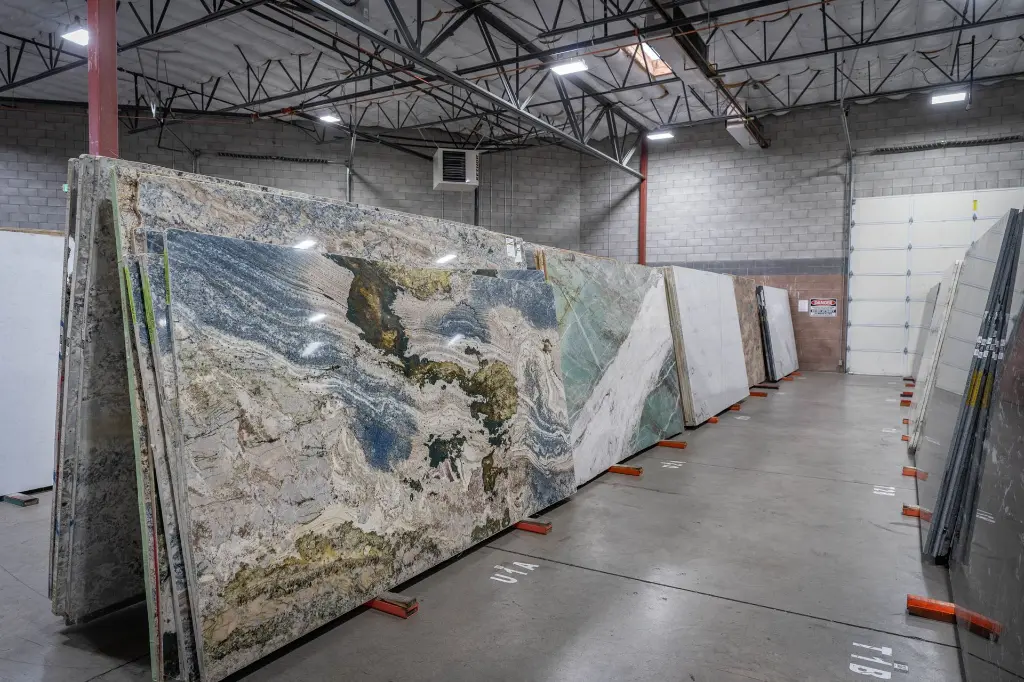
Elevate Your Space with Porcelain Slabs from Nova Tile and Stone
At Nova Tile and Stone, we offer a curated selection of high-quality porcelain slabs designed to redefine your living spaces with elegance and lasting practicality. Our collection spans a wide range of styles, colors, and surface finishes, ensuring the right fit for any renovation scope or design vision. As a trusted name in the industry, our commitment to quality craftsmanship and customer satisfaction means we're ready to guide you toward the best decision for your home.
Conclusion
When it comes to home renovation, every material decision carries weight, and porcelain slabs consistently prove they're worth making. From high-traffic kitchen countertops to weather-exposed outdoor patios, they perform at a level that few materials can match. Their combination of exceptional durability, minimal maintenance, design flexibility, and resistance to everyday stressors makes them one of the most complete surface solutions available today.
Porcelain slabs don't force you to choose between beauty and practicality. You get both, in a material that holds its form and finish for years without demanding much in return. Whether you're planning a full home overhaul or a targeted room upgrade, porcelain slabs are a decision that pays off in both the short and long run. Start by exploring the range of sizes, finishes, and styles available at Nova Tile and Stone, the right slab for your project is out there, and it's built to last.
Frequently Asked Questions
What are porcelain slabs commonly used for in home renovations?
Porcelain slabs can be used for countertops, backsplashes, wall coverings, bathroom surfaces, and certain flooring applications. Some products may also be approved for exterior use. Suitability depends on the specific slab, thickness, finish, fabrication requirements, and installation system.
Are porcelain slabs suitable for outdoor use?
Some porcelain slabs are suitable for outdoor applications, including patios and exterior surfaces. However, exterior approval should be confirmed for the exact product, particularly where the installation will be exposed to prolonged UV, freeze-thaw conditions, moisture, or significant temperature changes.
Do porcelain slabs require sealing?
Porcelain slabs generally do not require sealing because they have very low water absorption. Care requirements can vary by product and finish, so follow the manufacturer's recommendations for the specific surface you select.
Can porcelain slabs be used for kitchen countertops?
Many porcelain slabs are designed for countertop applications. Their suitability depends on factors such as thickness, support, edge treatment, fabrication, and installation. Heat, scratch, stain, and impact performance should be confirmed for the specific product, and using cutting boards and trivets is recommended.
How should porcelain slabs be cleaned and maintained?
For routine care, follow the manufacturer's cleaning instructions for the specific product and finish. A mild cleaner and soft cloth or mop are commonly appropriate. Wipe spills promptly and avoid abrasive products or cleaning methods that could damage the surface finish.
Can porcelain slabs be used for flooring or wet areas?
Certain porcelain slabs are approved for flooring and wet-area applications, but suitability must be confirmed for the exact product. For bathrooms, entrances, patios, pool surrounds, and other areas where slip resistance matters, review the manufacturer's technical specifications and applicable slip-resistance data before selection.