Natural stone slabs differ from manufactured alternatives through their authentic geological formation, unrepeatable visual patterns, and superior longevity. Granite, marble, quartzite, and soapstone each form over millions of years through distinct geological processes involving heat, pressure, and mineral crystallization. Unlike engineered surfaces that use resins and binding agents, authentic stone consists entirely of natural materials with no synthetic components.
Key differences include: unique veining patterns that cannot be replicated, color depth extending throughout the entire thickness, exceptional durability lasting 50+ years in residential settings, environmental benefits from minimal processing, and heat resistance up to direct cookware placement. Each slab presents one-of-a-kind characteristics due to specific mineral concentrations and formation conditions.
When selecting natural stone, homeowners should consider porosity levels affecting sealing requirements, hardness ratings for intended use areas, finish options like polished versus honed surfaces, and maintenance needs varying by stone type. At Nova Tile and Stone, we offer extensive collections of genuine stone slabs with expert guidance for selection, fabrication, and installation to ensure optimal results for kitchen countertops, bathroom vanities, flooring, and architectural features.
The Authentic Origins of Natural Stone
Genuine stone slabs begin their journey millions of years beneath the earth's surface. Through intense geological processes involving heat, pressure, and mineral crystallization, these materials develop their distinctive characteristics. Unlike synthetic products created in factories, authentic stone carries the story of our planet's formation within each unique piece.
Granite forms when molten magma cools slowly deep underground, creating intricate crystalline patterns. Marble emerges from limestone transformed by metamorphic forces, resulting in elegant veining patterns. Quartzite develops when sandstone undergoes extreme heat and pressure, producing remarkable strength. Each slab extracted from quarries worldwide presents one-of-a-kind patterns that cannot be replicated.
The extraction process involves careful quarrying techniques that preserve the material's integrity. Large blocks are cut from mountainsides or underground deposits, then transported to fabrication facilities where they're sliced into manageable slabs. This journey from earth to showroom ensures every piece maintains its geological authenticity.
Unparalleled Visual Character
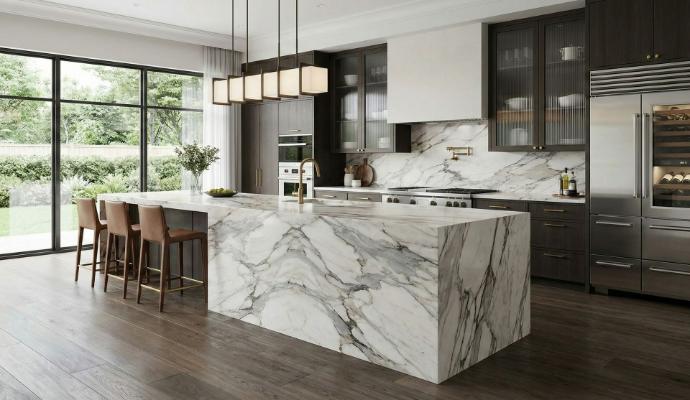
One defining characteristic that separates authentic stone from alternatives involves its unrepeatable aesthetic qualities. No two slabs display identical patterns, color variations, or mineral compositions. This inherent uniqueness means your countertops, flooring, or wall installations become truly exclusive design elements.
Color depth in genuine stone results from mineral content developed over millennia. Iron oxide creates warm rust and amber tones, while chlorite produces green hues. These natural pigments penetrate throughout the entire thickness, unlike surface-applied colors found in manufactured products. When edges are finished or surfaces become scratched, the consistent coloration remains visible throughout.
Veining patterns tell geological stories through their formations. Marble's dramatic streaks result from mineral impurities during metamorphosis. Granite's speckled appearance comes from various mineral crystals cooling at different rates. Quartzite displays wavy bands created by sedimentary layering. These organic patterns create visual movement that synthetic materials struggle to authentically reproduce.
The three-dimensional depth found in authentic stone adds richness that photographs cannot fully capture. Light interacts differently with crystalline structures, creating subtle shimmer and luminosity. This dimensional quality gives spaces warmth and character that flat, uniform surfaces lack.
Superior Durability and Longevity
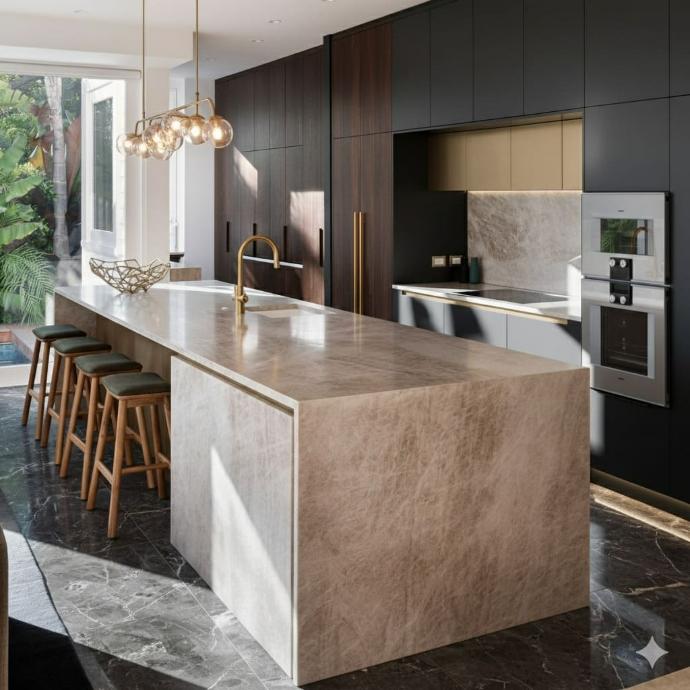
Authentic stone slabs offer exceptional durability that justifies their investment. Granite ranks among the hardest natural materials available for residential use, resisting scratches, chips, and heat damage. Properly sealed granite countertops withstand daily kitchen activities without showing wear.
Marble provides softer elegance while still maintaining impressive longevity. Though requiring more maintenance than harder stones, marble develops a beautiful patina over time that many homeowners cherish. Historic buildings worldwide showcase marble installations lasting centuries, proving its enduring nature.
Quartzite combines beauty with remarkable toughness, often exceeding granite in hardness. This makes it ideal for high-traffic areas where durability remains paramount. Its resistance to etching and staining makes quartzite particularly practical for busy households.
Heat resistance represents another advantage genuine stone holds over many alternatives. Hot pots placed directly on granite or quartzite surfaces typically cause no damage, providing practical benefits for cooking enthusiasts. This thermal stability results from the extreme temperatures these materials endured during formation.
Environmental and Health Considerations
Choosing authentic stone slabs supports sustainable building practices in several ways. These materials come directly from the earth without requiring extensive chemical processing or manufacturing. The extraction and fabrication process generates minimal environmental impact compared to synthetic production methods.
Indoor air quality benefits from stone's inert properties. Unlike some manufactured surfaces that may release volatile organic compounds, genuine stone contains no resins, plastics, or binding agents that off-gas. Research shows that natural materials provide safer options for residential spaces, making stone particularly appealing for health-conscious homeowners.
The longevity of stone installations reduces waste over time. Rather than replacing worn synthetic surfaces every decade or two, properly maintained stone can last generations. This durability means fewer resources are consumed for replacements and less material ends up in landfills.
Stone's thermal mass properties contribute to energy efficiency. These dense materials absorb and slowly release heat, helping moderate indoor temperatures. In appropriate climates, this characteristic can reduce heating and cooling costs.
Value Retention and Timeless Appeal
Real estate professionals recognize that homes featuring authentic stone installations often command higher market values. Potential buyers appreciate the quality, durability, and aesthetic appeal these materials provide. Kitchen countertops and bathroom vanities crafted from genuine stone frequently become selling points during property showings.
Design trends come and go, but stone maintains its appeal across decades. While specific color preferences may shift, the fundamental beauty of natural materials transcends temporary fashion cycles. Homeowners can feel confident their stone selections will remain attractive and relevant for years to come.
The tactile experience of genuine stone adds another dimension to its appeal. Cool, smooth surfaces invite touch, creating sensory connections that synthetic alternatives cannot match. This physical presence contributes to the luxurious feel many homeowners seek.
Versatile Application Possibilities
Stone slabs adapt to numerous residential applications beyond traditional countertops. Flooring installations create stunning first impressions in entryways and living areas. The durability and unique patterns make each floor a work of art that handles foot traffic gracefully.
Wall cladding transforms ordinary spaces into striking focal points. Feature walls clad in marble or quartzite add drama to living rooms, bathrooms, or commercial spaces. The natural patterns create visual interest without requiring additional decoration.
Fireplace surrounds gain elegance when crafted from stone slabs. Heat-resistant properties make stone ideal for this application, while its beauty enhances the warmth fireplaces provide. From traditional to contemporary designs, stone adapts to various architectural styles.
Outdoor applications leverage stone's weather resistance. Patio surfaces, outdoor kitchen countertops, and pool surrounds benefit from materials that withstand temperature fluctuations, moisture, and UV exposure without degrading.
The Selection Process
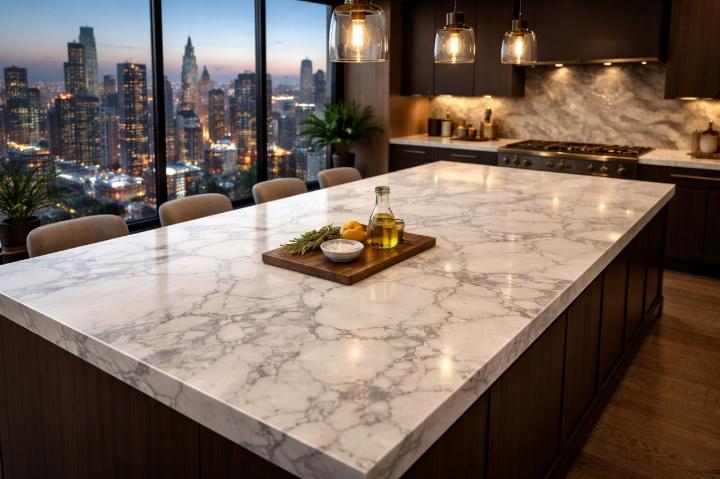
Choosing the perfect stone slab requires careful consideration of several factors. Color coordination with existing design elements helps ensure cohesive aesthetics. Bringing cabinet samples, paint chips, or photos to the showroom facilitates better matching decisions.
Pattern scale affects how busy or calm installations appear. Large, bold veining creates dramatic statements, while subtle patterns offer understated elegance. Consider room size and lighting when evaluating pattern intensity.
Finish options influence both appearance and functionality. Polished surfaces maximize color depth and create glossy reflections. Honed finishes provide matte elegance with slightly better slip resistance. Leathered textures add tactile interest while hiding fingerprints and water spots. Understanding finish options helps homeowners select surfaces that align with both aesthetic preferences and practical needs.
Viewing full slabs before purchase proves essential since photographs cannot capture true appearance. Natural variations mean samples may not accurately represent the actual piece you'll receive. Visiting showrooms allows inspection of entire slabs, ensuring satisfaction with your selection.
Understanding Stone Characteristics
Each stone variety brings distinct properties worth understanding. Granite's composition makes it highly resistant to acidic substances, perfect for kitchens where lemon juice or vinegar might spill. Its non-porous nature when properly sealed prevents bacteria growth.
Marble's calcium carbonate composition creates susceptibility to acidic etching. Coffee, wine, and citrus can dull polished surfaces if not cleaned promptly. However, many homeowners embrace this characteristic, viewing the patina as part of marble's charm.
Quartzite often gets confused with quartz, but these materials differ significantly. Quartzite is entirely natural stone, while quartz represents engineered surfaces. Understanding this distinction helps buyers make informed choices based on their preferences for authenticity.
Soapstone offers unique qualities including natural resistance to staining without sealing. Its softer composition allows scratches but also permits easy repairs through sanding. The darkening that occurs over time appeals to those seeking evolving aesthetics.
The Fabrication and Installation Journey
Professional fabrication transforms raw slabs into finished installations. Precise measurements ensure proper fit within designated spaces. Computer-guided cutting equipment creates accurate cuts while minimizing waste.
Edge profiling adds finishing touches that enhance overall appearance. Options range from simple straight edges to elaborate ogee profiles. Edge choices affect both aesthetics and functionality, with some profiles easier to clean than others.
Seam placement requires strategic planning, especially for larger installations. Skilled fabricators position seams in less visible locations and match patterns across joints when possible. Quality workmanship makes seams nearly invisible.
Proper installation techniques ensure longevity and performance. Adequate substrate support prevents cracking or shifting. Appropriate adhesives and setting methods vary by stone type and application. Scheduling an appointment with professional installers brings expertise that protects your investment.
Caring for Your Investment
Establishing maintenance routines preserves stone beauty for decades. Sealing schedules depend on stone porosity and usage intensity. Most granite requires annual sealing, while denser stones may need less frequent applications.
Daily cleaning involves simple practices using pH-neutral cleaners. Harsh chemicals can damage sealers or etch certain stones. Microfiber cloths clean effectively without scratching surfaces. Following proper care guidelines helps homeowners maintain their investments properly.
Addressing spills promptly prevents staining, especially with lighter colored stones. Blotting rather than wiping reduces the chance of spreading liquids. For stubborn stains, poultices draw discoloration from porous surfaces.
Professional restoration services can refinish stone that develops scratches, etching, or dullness over time. Grinding and polishing techniques restore original luster, effectively giving surfaces new life without replacement.
Working With Local Suppliers
Partnering with knowledgeable local suppliers provides advantages beyond product selection. Regional expertise means understanding which materials perform best in your specific climate and architectural context. Exploring nearby locations simplifies the decision-making process and allows hands-on comparison of options.
Expert guidance helps navigate the wide range of choices available, from material selection to finish options. Local teams offer personalized service, from initial consultations to post-installation support, ensuring smooth project execution.
For design professionals and contractors, establishing relationships with reliable suppliers streamlines project coordination. Professional account options provide consistent material availability and support that enhances project success.
Planning Your Investment
Starting your stone selection journey requires understanding budget parameters and project goals. Whether renovating a single space or transforming multiple rooms, clear planning ensures satisfactory results. Requesting detailed pricing provides transparency about material costs and helps align expectations with reality.
Timeline considerations factor significantly into project planning. Stone fabrication requires careful measurement, cutting, and finishing before installation can occur. Allowing adequate time for each phase prevents rushing and ensures quality results that will satisfy for decades.
Design professionals increasingly recognize authentic stone as essential for creating spaces that feel both luxurious and grounded in natural beauty. The material's versatility allows it to complement various design styles, from contemporary minimalism to traditional elegance.
Conclusion
Natural stone slabs distinguish themselves through authentic origins, unique aesthetics, remarkable durability, and timeless appeal that manufactured alternatives cannot replicate. The geological processes creating these materials result in patterns and characteristics impossible to duplicate artificially. From granite's crystalline strength to marble's elegant veining and quartzite's exceptional hardness, genuine stone offers options for every design preference and functional requirement. The investment in authentic stone delivers value through longevity, visual impact, and the satisfaction of owning truly unique elements within your home. Our collection showcases nature's finest creations, ready to transform your spaces with enduring beauty.
Frequently Asked Questions
How do authentic stone slabs differ from engineered alternatives in composition?
Genuine stone consists entirely of geological materials formed over millions of years without artificial binders, resins, or manufacturing processes. Engineered products combine crushed minerals with polymer resins and pigments, creating uniform appearances through industrial production. The complete absence of synthetic components in real stone provides different performance characteristics and aesthetic qualities that set it apart.
What makes each piece truly unique compared to manufactured options?
Geological formation processes create unrepeatable combinations of mineral content, crystallization patterns, and color variations. Factors including specific mineral concentrations, temperature fluctuations during formation, and pressure variations ensure no two slabs display identical characteristics. This uniqueness extends throughout the entire thickness rather than existing only on the surface, making every installation one of a kind.
Why does authentic stone require sealing while some manufactured surfaces do not?
The porous structure of many varieties allows liquids to penetrate surfaces, potentially causing stains. Sealing fills microscopic pores, creating protective barriers against absorption. Manufactured surfaces often incorporate non-porous resins that inherently resist liquid penetration, eliminating sealing requirements but sacrificing the authentic qualities and natural characteristics genuine materials provide.
Can these materials withstand daily kitchen activities and heavy use?
Most varieties, particularly granite and quartzite, demonstrate exceptional durability under normal household conditions. Their hardness resists scratching from knives and utensils, while heat resistance protects against hot cookware. Proper sealing and appropriate cleaning maintain performance for decades, with many installations outlasting multiple generations of homeowners while maintaining their beauty.
How does the longevity compare to other surface materials available today?
Archaeological sites worldwide feature installations lasting thousands of years, demonstrating inherent durability that stands the test of time. In residential settings, properly maintained pieces easily provide fifty years or more of service, often outlasting the structures housing them. This longevity surpasses most manufactured alternatives, making them cost-effective investments despite higher initial costs.