Natural stone slabs remain timeless because they combine geological durability formed over millions of years with irreplaceable aesthetic uniqueness each piece of granite, marble, or quartzite tells a 50-million to 2-billion-year-old story that synthetic materials cannot replicate. These large-format surfaces have served humanity for over 5,000 years, from Egyptian pyramids to modern kitchens, proving their enduring value through longevity that spans generations, sustainability through recyclability, and visual impact through one-of-a-kind veining patterns created by Earth's metamorphic and igneous processes.
Large-format geological pieces have adorned human spaces for millennia, serving as enduring testaments to both nature's artistry and humanity's ingenuity. From ancient monuments to contemporary kitchens, these magnificent surfaces continue captivating designers and homeowners alike. Understanding their rich background helps us appreciate why they remain unmatched in beauty and functionality.
Ancient Origins of Large-Format Stone Usage
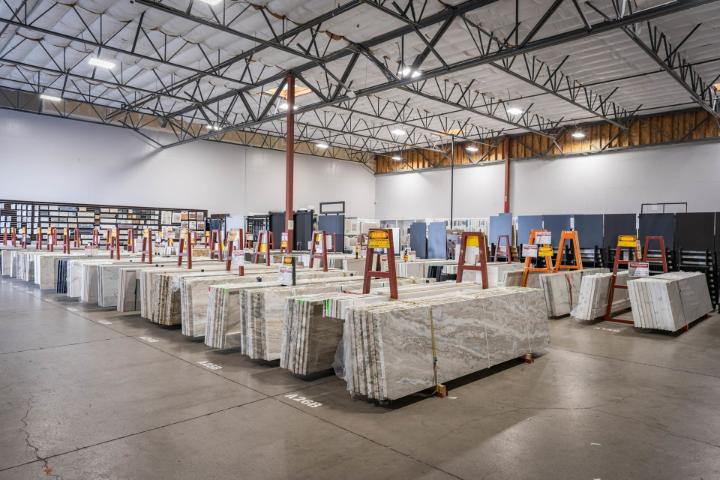
Archaeological evidence reveals that civilizations began extracting and shaping substantial pieces over 5,000 years ago. Egyptian builders pioneered quarrying techniques to obtain massive granite blocks for pyramids and temples. These early craftsmen recognized that certain geological formations produced superior material for construction and decoration.
Greek architects elevated craftsmanship by utilizing marble in iconic structures like the Parthenon. Their methods involved careful selection from quarries, followed by precise cutting and polishing techniques that highlighted each piece's inherent beauty. Roman engineers further advanced extraction processes, developing tools and methodologies that would influence practices for centuries.
Medieval stonemasons inherited this knowledge, applying it to cathedrals and castles throughout Europe. Their guilds preserved specialized techniques while innovating new approaches to working with various geological types. Renaissance artisans recognized how different specimens offered distinct aesthetic qualities, choosing based on color, veining patterns, and structural characteristics.
How Did Industrial Revolution Transform Production?
The 19th century brought revolutionary changes to extraction and processing. Steam-powered machinery replaced manual labor, allowing quarries to produce larger quantities with greater efficiency. Wire saws enabled more precise cuts, reducing waste while creating thinner, more manageable pieces suitable for architectural applications.
Transportation improvements meant that rare specimens from distant locations could reach broader markets. Railways connected remote quarries to urban centers, expanding availability beyond regional sources. This accessibility transformed exclusive options into viable choices for diverse projects.
Technological advancements in the early 20th century introduced gang saws and diamond-blade equipment. These innovations produced remarkably uniform thickness while maintaining character. Polishing machines achieved mirror-like finishes that enhanced visual appeal, making surfaces increasingly desirable for residential interiors.
Modern Manufacturing Techniques
Contemporary production combines traditional craftsmanship with cutting-edge technology. Computer-controlled saws achieve precision impossible through manual methods, creating consistent dimensions while preserving unique patterns. Automated polishing systems bring out depth and brilliance in each geological specimen.
Quality control measures ensure structural integrity throughout the manufacturing process. Inspectors examine every piece for fissures, weak points, or irregularities that might affect performance. This rigorous evaluation guarantees that only premium-grade options reach showroom displays where customers can evaluate them firsthand.
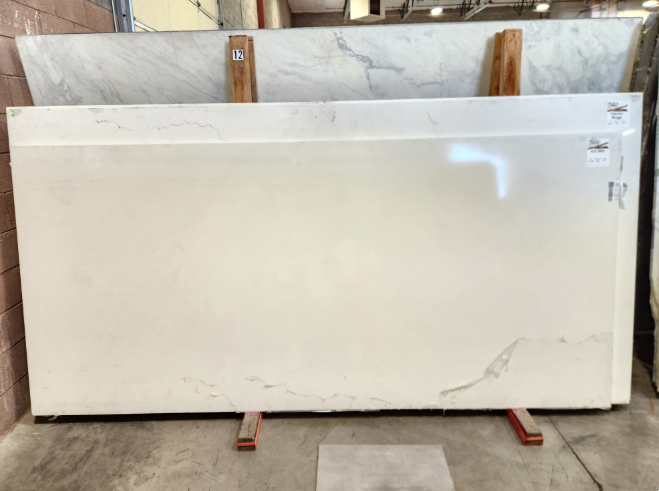
Book matching techniques arrange adjacent pieces to create symmetrical patterns, maximizing visual impact in featured installations. Vein matching coordinates multiple sections for seamless appearances across expansive surfaces. These sophisticated approaches demonstrate how modern practices honor beauty while meeting exacting design standards.
What Geological Processes Create Different Types?
Understanding formation processes illuminates why various specimens possess distinct characteristics. Granite originates deep within Earth's crust, where molten magma cools slowly over millions of years. This gradual crystallization produces the speckled appearance and exceptional hardness that make it ideal for high-traffic areas.
Marble begins as limestone subjected to intense heat and pressure through metamorphosis. This transformation creates the flowing veins and elegant translucence that designers prize. Different mineral impurities during formation result in spectacular color variations, from pristine whites to dramatic blacks with gold veining.
Quartzite forms when sandstone undergoes similar metamorphic conditions. The resulting material combines remarkable durability with stunning aesthetics, often featuring subtle color gradations and sparkling crystalline surfaces. Its resistance to scratching and etching makes it increasingly popular for kitchen installations.
Each geological specimen carries a unique story written in its patterns and composition. Striations reveal ancient pressure forces, while color variations indicate mineral deposits from specific eras. Appreciating these histories adds meaningful depth to selection decisions.
Evolution of Design Applications
Historical applications focused primarily on monumental architecture and public buildings. Wealthy households incorporated elements, but installation remained labor-intensive and costly. Floor tiles represented the most common residential usage, with full pieces reserved for extraordinary projects.
Mid-20th century innovations made countertop installations increasingly feasible. Improved cutting tools allowed fabricators to create custom shapes fitting specific cabinet configurations. Edge treatments evolved from simple eased profiles to elaborate ogee and beveled designs that enhanced visual sophistication.
Kitchen remodeling trends in the 1980s and 1990s sparked demand for surfaces with authentic character. Homeowners sought alternatives to synthetic options, valuing genuineness that only geological specimens provide. This shift established countertops as statement pieces in residential design.
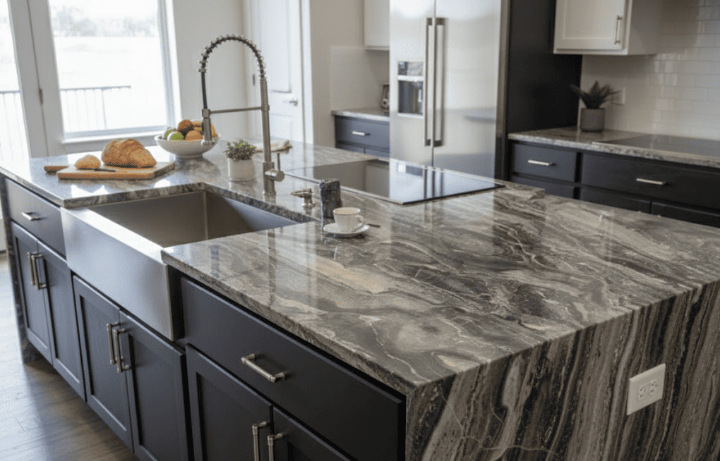
Contemporary applications extend beyond traditional uses. Waterfall edges create dramatic focal points, with material flowing continuously from horizontal surfaces down cabinet sides. Full-height backsplashes display spectacular veining across expansive vertical spaces. Integrated sinks carved from matching pieces ensure seamless coordination.
Cultural Significance Across Civilizations
Throughout history, specific specimens held symbolic meanings within various cultures. Ancient Egyptians associated granite with permanence and divine power, reserving it for pharaohs' tombs and sacred temples. Its enduring nature represented eternal life and spiritual authority.
Italian sculptors prized Carrara marble for masterpieces, believing its purity captured ideal beauty. Michelangelo personally selected blocks from quarries, examining geological features before creating timeless artworks. This tradition elevated certain sources to legendary status among artists and architects.
Asian cultures incorporated jade and other semi-precious specimens into architectural elements, attributing protective qualities and auspicious symbolism. Temple designers carefully chose based on spiritual significance as much as aesthetic appeal.
These cultural associations continue influencing modern preferences. Many homeowners feel connections to specific options based on heritage or personal meaning. Selecting surfaces becomes more than functional decisions, incorporating emotional and symbolic dimensions.
Environmental Sustainability Considerations
Modern quarrying practices emphasize responsible extraction that minimizes ecological impact. Operators rehabilitate sites after depletion, restoring landscapes and creating wildlife habitats. Water recycling systems reduce consumption during cutting and polishing processes.
Longevity contributes to sustainable building practices. Unlike synthetic alternatives requiring replacement every decade or two, properly maintained pieces last generations. This durability reduces long-term environmental impacts associated with manufacturing and disposing of replacements.
Local sourcing reduces transportation emissions while supporting regional economies. North American quarries provide diverse options without international shipping impacts. Choosing domestically extracted specimens aligns environmental responsibility with aesthetic preferences. Our Sacramento facility showcases many locally sourced options alongside premium imports.
End-of-life recyclability distinguishes geological options from composite alternatives. Removed pieces can be repurposed for landscaping, crushed for aggregate, or incorporated into new construction projects. This circular approach minimizes waste while extending usefulness beyond initial installations.
Distinctive Characteristics of Premium Selections
Each variety offers unique properties suited to different applications and design visions. Granite's crystalline structure provides exceptional resistance to heat, scratches, and staining. Its density prevents absorption, making daily maintenance simple with routine cleaning protocols.
Marble's elegance comes with particular care requirements due to calcium carbonate composition. Acidic substances can etch polished surfaces, necessitating prompt cleanup and appropriate sealers. However, many homeowners accept this tradeoff for incomparable visual sophistication.
Quartzite combines marble's aesthetic appeal with granite's practical durability. Its hardness exceeds most options, while color ranges from subtle neutrals to bold statements. Movement patterns vary from gentle waves to dramatic veining that commands attention.
Understanding these distinctions helps match choices to specific needs and lifestyle factors. High-use kitchens benefit from exceptionally durable selections, while powder rooms accommodate more delicate options. Professional guidance ensures alignment with functional requirements and design aspirations.
How We Curate Premium Collections
Our extensive selection represents careful curation from renowned quarries worldwide. Each piece undergoes meticulous inspection before joining inventory, ensuring only exceptional specimens reach our facilities. We maintain relationships with premier sources to access options featuring outstanding color, movement, and structural integrity.
Visiting our locations allows customers to examine actual pieces rather than small samples. This hands-on experience proves invaluable since geological variations mean no two appear identical. Walking among full sections helps visualize how specific choices will transform spaces. Design professionals in Northern Nevada frequently visit our Reno location to source materials for high-end residential and commercial projects.
Our knowledgeable team provides insights into each option's characteristics, maintenance requirements, and suitability for intended applications. Free consultations help navigate selections, considering aesthetic preferences alongside practical considerations. We believe informed decisions lead to lasting satisfaction.
Integration with Contemporary Interior Design
Current trends embrace geological surfaces as counterpoints to increasingly digital lives. Organic textures and authentic finishes create grounding effects within modern environments. Tactile qualities and visual depth offer sensory experiences that synthetic alternatives cannot replicate.
Minimalist aesthetics particularly benefit from statement pieces with dramatic veining. Single large sections provide visual interest without additional decorative elements. The material itself becomes artwork, eliminating needs for elaborate embellishments.
Traditional designs gain timeless elegance through classic marble or granite selections. These established favorites coordinate seamlessly with period-appropriate fixtures and finishes. Their proven appeal ensures spaces remain stylish across decades rather than appearing dated.
Transitional styles balance contemporary and traditional elements, often featuring sophisticated choices with moderate movement. Neutral backgrounds with subtle veining complement diverse furnishing approaches. This versatility makes such options wise investments for evolving tastes. Homeowners throughout Carson Valley can explore these design possibilities at our Minden showroom, where staff members help coordinate selections with existing architectural elements.
Professional Support for Trade Partners
Commercial developers and residential builders require reliable suppliers who understand project timelines and volume requirements. We work closely with contractors, designers, and architects to ensure seamless material delivery and consistent quality across multiple installations.
Our Fernley location serves as a distribution hub for construction professionals managing projects throughout Lyon County and surrounding areas. Trade account holders benefit from preferential pricing, dedicated support staff, and flexible scheduling that accommodates demanding construction timelines.
Project consultations help teams select appropriate materials based on application requirements, budget parameters, and aesthetic objectives. We understand that commercial installations demand different considerations than residential projects, and our inventory reflects this diversity.
Conclusion
The journey from ancient quarries to modern homes reflects humanity's enduring appreciation for Earth's geological treasures. These surfaces have witnessed empires rise and fall while maintaining their essential appeal across millennia. Today's homeowners benefit from thousands of years of accumulated knowledge combined with contemporary innovations.
Choosing these surfaces means investing in options that transcend temporary trends. Their formation required millions of years, their extraction involves skilled craftsmanship, and installation results elevate everyday spaces into extraordinary environments. They connect inhabitants to planetary processes and historical traditions in ways synthetic products never achieve.
Whether drawn to granite's resilient practicality, marble's elegant sophistication, or quartzite's balanced attributes, these timeless choices offer something alternatives cannot match. They bring authentic character, unique beauty, and lasting value to residential and commercial projects alike.
Frequently Asked Questions
How long do these surfaces typically last in residential installations?
Properly maintained countertops can last a lifetime and beyond. Many historical buildings feature original elements that remain functional and beautiful after centuries. With appropriate care and periodic sealing, residential installations will outlast most other building options, often staying intact for 50-100 years or more without requiring replacement.
Why do colors and patterns vary so dramatically between different pieces?
Geological formation occurs over millions of years under unique conditions. Mineral composition, pressure variations, temperature fluctuations, and chemical interactions all influence final appearance. Even pieces from the same quarry and extraction batch can show differences because planetary processes create one-of-a-kind specimens rather than uniform products with predictable patterns.
Can these surfaces withstand daily kitchen activities without damage?
Most varieties handle routine kitchen use exceptionally well, though specific performance varies by type. Granite and quartzite resist heat, scratches, and staining very effectively with minimal maintenance requirements. Marble requires more careful handling around acidic foods but remains popular for its unmatched beauty. Selecting appropriate options based on usage patterns ensures satisfactory long-term performance.
What distinguishes quarried specimens from engineered alternatives?
Options from Earth come directly from quarries with minimal processing beyond cutting and polishing. Each piece displays authentic geological characteristics formed through planetary processes spanning millions of years. Engineered products combine crushed material with resins and pigments to create manufactured surfaces. While both have applications, quarried specimens offer unique patterns impossible to replicate artificially.
How should homeowners choose between different types?
Consider both aesthetic preferences and practical requirements when making selections. Evaluate color schemes, desired movement patterns, and overall design vision alongside usage intensity, maintenance willingness, and budget parameters. Examining full pieces in person reveals how specific selections will appear once installed. Professional consultation helps navigate options and identify surfaces perfectly suited to individual situations and lifestyle needs.