Natural stone has been a hallmark of refined interior design for centuries, and among the many materials available today, dolomite slabs have earned a well-deserved reputation for their distinctive character. Whether you are considering a kitchen countertop, a bathroom vanity surface, or a striking accent wall, understanding what sets this stone apart can help you make a more confident, informed decision for your space. From its geological origins to its visual depth and practical performance, dolomite brings a rare combination of qualities that few surface materials can match.
The Geology Behind the Stone
Dolomite is a sedimentary rock with a fascinating geological origin. It begins its formation in warm, shallow marine environments where calcium carbonate sediments accumulate. To become dolomite, those calcium carbonate deposits must be chemically altered by magnesium-rich groundwater, which gradually replaces calcium ions with magnesium through a process known as dolomitization. The result is a calcium magnesium carbonate rock with the chemical composition CaMg(CO₃)₂.
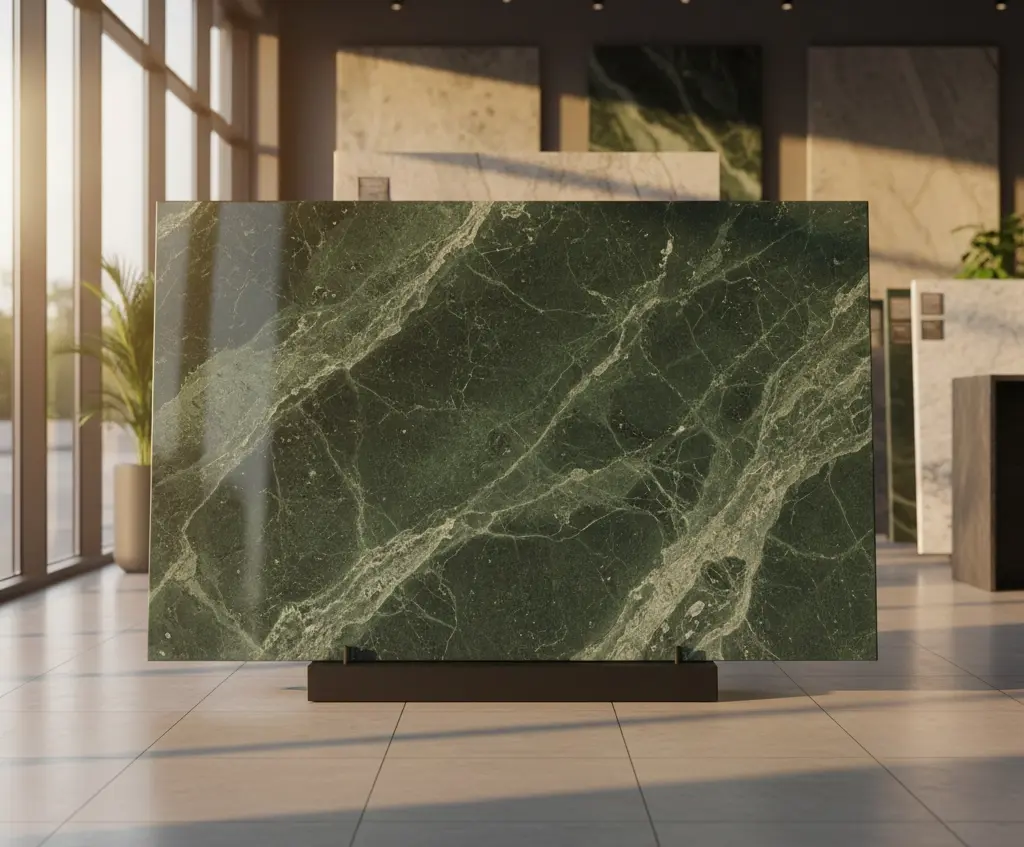
This natural process gives dolomite a fine-grained, granular texture with a crystalline quality that reflects light beautifully. The individual mineral grains in dolomite tend to be well-formed, contributing to the stone's smooth, refined surface when polished or honed. Because each slab is shaped by millions of years of geological activity and varying mineral conditions, no two pieces are ever identical. The veining, movement, and tonal variation found across individual slabs are entirely one-of-a-kind, which is a significant part of what draws homeowners and designers to this material year after year.
Visual Character That Feels Both Timeless and Fresh
One of the most compelling qualities of dolomite natural stone slabs is their aesthetic range. The color palette tends to be neutral and sophisticated, running from luminous whites and soft creams to warm beiges and cool gray tones. Veining patterns vary widely, from barely-there wisps that give the surface a calm, understated look to bold, dramatic movements in gray, taupe, or gold that become the visual centerpiece of a room. Depending on the mineral impurities present during formation, dolomite can also appear in pinkish or brownish hues, adding further variety to an already rich natural palette.
This versatility makes dolomitic stone surfaces exceptionally adaptable across different design styles and room types. A soft white slab with delicate gray veining works beautifully in a minimalist kitchen with flat-panel cabinetry. A more expressive piece with sweeping gold tones can anchor a traditional bathroom with warm wood accents and layered textures. As noted in this natural stone countertop guide, the natural veining found in quarried stone is what gives it a character and flow that manufactured surfaces simply cannot replicate. The stone reads as both contemporary and classic, which means it does not date quickly and tends to hold its design relevance as trends shift over time.
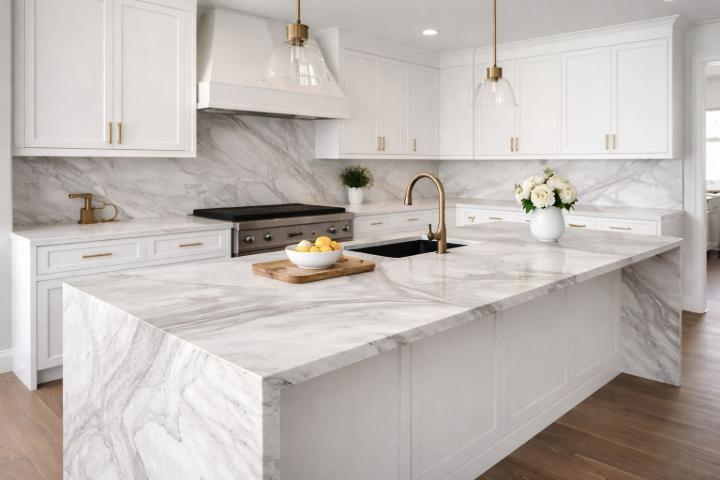
For kitchen islands in particular, a well-chosen dolomite kitchen countertop becomes a genuine focal point. The natural movement across the surface draws the eye and adds depth without relying on bold pattern or saturated color. It is the kind of material that photographs beautifully and looks even better in person, where the stone's natural luminosity can be fully appreciated under real lighting conditions.
Hardness and Structural Properties
Understanding where dolomite sits on the hardness spectrum helps clarify what it is genuinely suited for and what level of care it requires. On the Mohs scale, dolomite typically rates between 3.5 and 4. This places it in a practical middle range among natural stones, giving it meaningful scratch resistance while still requiring thoughtful maintenance over time.
Its density is also higher than that of standard limestone, with a specific gravity of approximately 2.85, which contributes to its overall durability and ability to withstand everyday wear in interior applications. That said, dolomite is a mildly absorbent material, which means sealing is essential to protect it from staining and liquid penetration. Because dolomite reacts more weakly to acids than calcite marble does, it also performs more reliably in kitchen environments where acidic foods and beverages are common, though it is not entirely immune to etching from prolonged acid contact.
Natural stone countertops made from dolomite hold up well to the everyday demands of a kitchen when properly sealed and maintained. You can explore our full slab and tile collection to see the range of natural stone options available for kitchens, bathrooms, and beyond. Beyond countertops, dolomite is well-suited for bathroom vanities, fireplace surround cladding, accent walls, and lower-traffic flooring areas throughout the home.
The Unique Role of Sealing and Surface Care
Because dolomite is a porous natural stone, sealing is a non-negotiable part of responsible ownership. A quality sealant creates a protective barrier that slows the absorption of liquids, oils, and staining agents, giving you more time to address spills before they penetrate the surface. Most stone professionals recommend resealing every six to twelve months, though the timing may vary based on usage level and the specific sealant used.
For everyday upkeep, pH-neutral cleaners specifically formulated for natural stone are the appropriate choice. Dolomite has a medium sensitivity to acids, meaning prolonged contact with substances such as citrus juice, vinegar, wine, or coffee can etch the surface over time, particularly on polished finishes. Wiping up spills promptly and using cutting boards consistently helps protect the stone and preserve its original character for years to come.
It is also worth noting that etching tends to be far less visible on honed or leathered finishes compared to highly polished surfaces, which is something worth considering when selecting a finish during the planning stage. With the right care routine in place, these stone countertop surfaces can remain both beautiful and functional well into the future.
Design Flexibility Across Different Spaces
The adaptability of dolomite stone slabs extends well beyond the kitchen. In bathrooms, the material brings a spa-like quality to vanity tops and shower surrounds. Its light-reflecting surface and soft tonal range create a sense of calm and cleanliness that suits the function of the space, while the natural veining adds a layer of visual sophistication that elevates even modest bathroom layouts.
In living areas, dolomite makes a striking statement as a fireplace surround cladding. Its refined texture and natural elegance complement both traditional and contemporary fireplace designs, creating a focal wall that anchors the entire room. Feature walls and built-in shelving accents finished in dolomite add depth and visual interest to a living space without overwhelming the overall aesthetic.
As interest in genuine natural materials continues to grow, partly driven by growing awareness around engineered stone concerns, more homeowners are turning to natural stone options like dolomite for surfaces that are both beautiful and composed entirely of quarried earth. The neutral tones of dolomite also pair exceptionally well with a wide range of flooring and tile choices, from wood-look porcelain to terrazzo or large-format matte porcelain. The material's ability to bridge different textures and finishes is one of its most underappreciated strengths as a design element.
Choosing the Right Slab With Expert Support
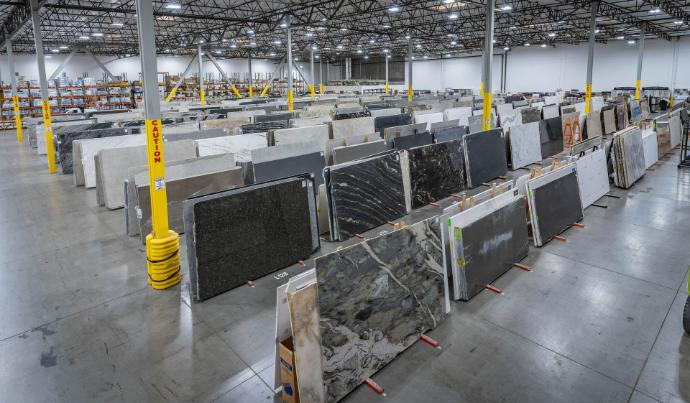
Every dolomite slab is genuinely unique, which means seeing the actual piece in person before committing is always the better approach. Photographs, while helpful, cannot fully convey the depth, translucency, or tonal range of a real slab under natural light. The veining you see in an image may look entirely different once the stone is placed in your specific space alongside your cabinetry, lighting, and existing flooring.
This is where expert guidance becomes invaluable. Speaking with a knowledgeable specialist who understands both the technical and aesthetic qualities of natural stone helps you make a selection you will feel confident about long after the project is complete. Factors like vein direction, edge profile, and slab orientation all influence how the finished surface looks and feels. You can book a free design consultation at any of our showroom locations to discuss your vision with one of our specialists, or submit a slab quote request online to get started from home.
Our showrooms in Reno, Sacramento, Minden, and Fernley carry a curated selection of dolomite slabs, allowing you to view each piece in person and appreciate its full natural character before making a decision.
Conclusion
Dolomite slabs occupy a genuinely distinctive place in the world of natural stone. Their geological origins produce a material with a fine crystalline texture, meaningful density, and a visual range that spans from quiet elegance to bold, expressive drama. The stone's neutral palette gives it remarkable design flexibility, making it a natural fit for kitchens, bathrooms, fireplace surrounds, and beyond.
What truly sets dolomite apart is not any single characteristic but the combination of its natural uniqueness, its refined aesthetic, and its practical durability when cared for properly. Each slab carries a visual story that no engineered surface can replicate, and that irreplaceable quality is exactly why so many homeowners and designers continue to choose it for their most important spaces. If you are ready to explore what dolomite could look like in your home, schedule an appointment with our team to view slabs in person and get personalized guidance on your project.
Frequently Asked Questions
What exactly is dolomite and how does it form?
Dolomite is a natural sedimentary rock composed of calcium magnesium carbonate (CaMg(CO₃)₂). It forms when magnesium-rich groundwater chemically alters limestone through a process called dolomitization, gradually replacing calcium ions with magnesium. This produces a material with a fine-grained crystalline texture and distinctive veining patterns that differ from slab to slab.
What hardness rating does dolomite have on the Mohs scale?
Dolomite typically rates between 3.5 and 4 on the Mohs hardness scale. This places it in a practical middle range among natural stones, offering meaningful scratch resistance while still requiring regular sealing and careful surface maintenance to preserve its appearance over time.
What colors and veining patterns are available in dolomite slabs?
Dolomite slabs generally feature neutral backgrounds in soft whites, warm creams, light grays, and beiges. Depending on the mineral impurities present during formation, some pieces can also display pinkish or brownish tones. Veining ranges from subtle, barely-visible wisps to bold, sweeping movements in gray, taupe, or gold. Because each slab forms naturally, no two pieces are exactly alike.
Where can dolomite be used in a home?
Dolomite is well-suited for kitchen countertops, bathroom vanities, fireplace surround cladding, accent walls, and lower-traffic flooring areas. Its neutral palette and natural luminosity make it adaptable across a wide range of interior styles, from modern minimalist to traditionally layered spaces.
How often does dolomite need to be sealed?
Most stone professionals recommend sealing dolomite surfaces every six to twelve months, though the exact frequency depends on daily usage and the type of sealant applied. Resealing on a consistent schedule slows moisture absorption and helps prevent staining, keeping the surface in good condition over the long term.