Marble stone is a natural metamorphic rock formed when limestone undergoes extreme heat and pressure beneath the earth's surface, resulting in a dense, visually striking stone characterized by distinctive veining, rich color variation, and a natural sheen. Used for centuries in architecture, sculpture, and interior design, marble remains one of the most versatile and durable natural stones available in the construction and design industry today.
Marble is primarily composed of two minerals, calcite and dolomite, and is available in a wide range of varieties including white, grey, black, green, blue, and beige. Each type carries unique aesthetic and structural properties suited to specific applications such as flooring, wall cladding, countertops, and decorative detailing. Common marble varieties include Carrara marble from Italy and pure white marble from Greece, both widely regarded as premium choices in residential and commercial projects.
Key reasons architects, builders, and homeowners choose marble include its long-term durability, natural heat resistance, water and chemical resistance, and its timeless visual appeal across both classic and contemporary design styles.
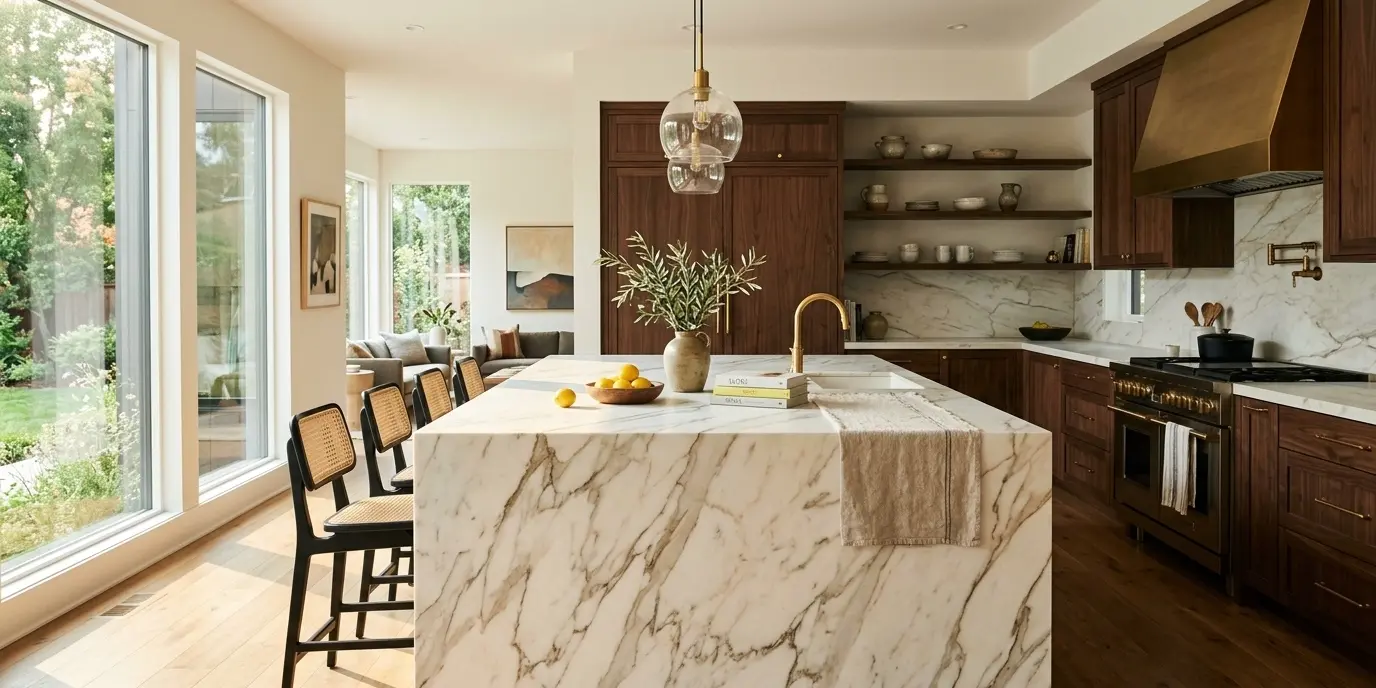
Understanding Marble Stone
As a metamorphic rock, marble undergoes a remarkable transformation that yields an extraordinary range of textures, hues, and the sweeping abstract lines that define its signature veining. The role of a marble supplier centers on identifying the finest stones capable of lending both structural integrity and visual impact to any project, especially when selecting from a curated collection of premium marble and natural stone slabs for residential and commercial applications.
Marble formation is largely driven by two key minerals, calcite and dolomite, present within the original limestone. The metamorphic process produces a stone of captivating beauty, sustaining its demand across architectural and structural applications. Beyond its renowned veining, marble is prized for its depth of color and natural luminosity, making it a preferred material for designers seeking both elegance and durability.
A knowledgeable marble supplier recognizes and values the distinct character of each stone variety, not only for its commercial potential but for the unique personality each type brings to a space. The breadth of colors available across marble varieties is part of what keeps demand consistently strong, especially when clients can shop locally for high-quality marble, granite, and quartzite selections that suit both classic and modern interiors.
- White Marbles: The most coveted and highly valued of all marble types, pure white marble commands attention from architects, builders, and end consumers alike, and represents a premium inventory item for any supplier. From the flawless, lustrous white marble of Greece to Italy's celebrated Carrara marble with its delicate gray veining, white marble remains the gold standard of refined elegance, often highlighted in luxury natural stone slab collections for timeless kitchen and bathroom designs.
- Green Marbles: Green marble presents a spectrum ranging from soft, muted tones to deep, saturated greens. Suppliers may carry varieties featuring lighter veining throughout, or bolder stones displaying vivid contrasts of light and dark, making them ideal for statement walls, vanities, and custom stone slab installations with distinctive natural patterns.
- Blue Marbles: Among the most sought-after varieties, blue marble is notoriously limited in supply despite consistent demand. Whether displaying vivid azure tones with gold veining or deeper shades with white accents, blue marble carries a value that experienced suppliers fully understand, particularly for clients seeking exclusive premium marble slabs with rare color variations.
- Beige Marbles: A staple in both residential and commercial design, beige marble is widely used across interior and exterior applications. Its warm, inviting tones reflect the stone's geological origins and translate beautifully into graceful architectural settings.
- Grey and Black Marbles: Suppliers well acquainted with dark marble know the rare visual statement these stones can make. Their dramatic tones lend an air of sophistication to upscale designs and work exceptionally well as contrasting elements against lighter surrounding materials.
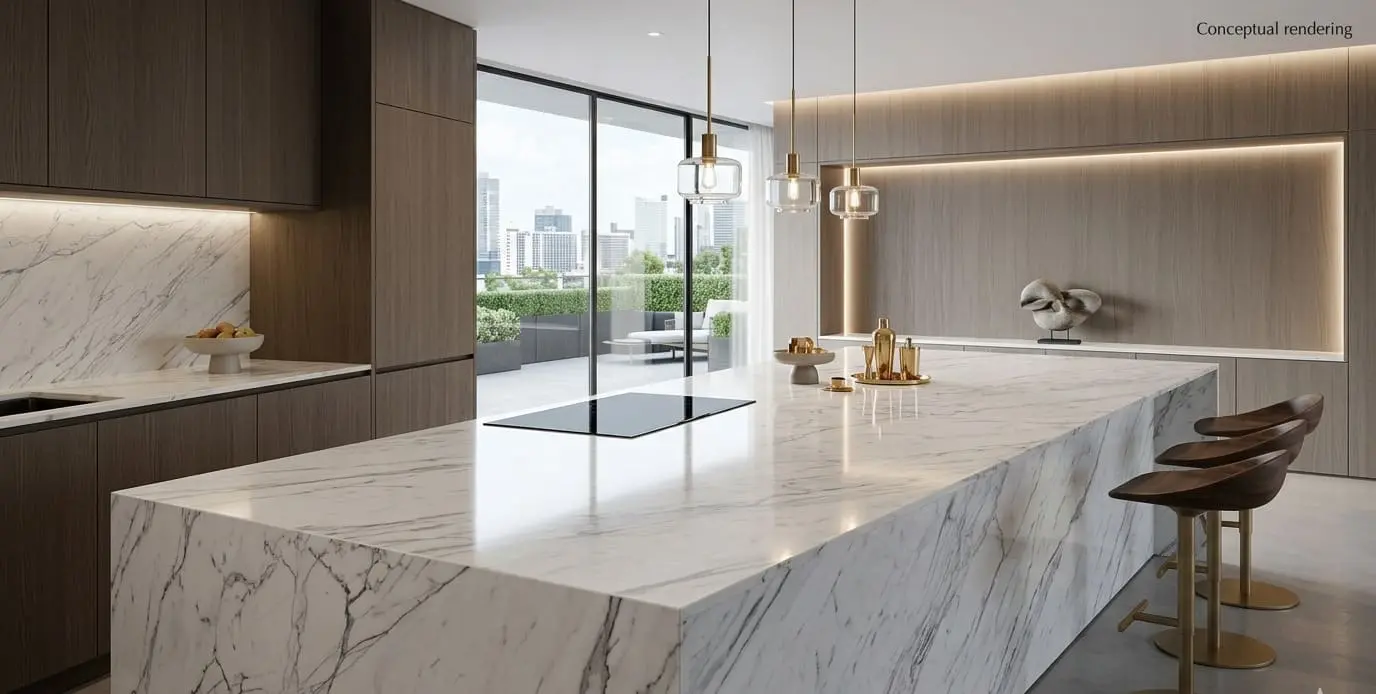
Why Marble Remains a Trusted Choice in Construction
Marble can be applied across virtually every surface in a construction project, including flooring, wall cladding, and intricate interior detailing. The full range of benefits marble brings to any build becomes clear when you consider the following:
- Beyond its visual appeal, marble delivers proven durability and structural resilience to interior spaces, something any experienced supplier will readily confirm.
- Marble's natural heat resistance makes it a practical and attractive choice for kitchen environments, from floor installations to countertop surfaces.
- In addition to its refined sheen, marble offers reliable resistance to water and many common household substances when properly sealed and maintained, giving it a longer service life compared to many alternative materials. This makes it a practical choice for both residential and commercial projects, especially for professionals looking to apply for a trade account for premium marble and natural stone materials while also prioritizing environmentally responsible natural stone selection and material transparency.
Conclusion
Marble stone has proven time and again that its value extends far beyond aesthetics. From its geological formation deep within the earth to its prominent place in contemporary architecture and interior design, marble remains one of the most trusted and sought-after natural stones in the construction industry. Whether you are drawn to the timeless sophistication of white marble, the bold drama of black and grey varieties, or the rare allure of blue marble, there is a type suited for every design vision and structural need.
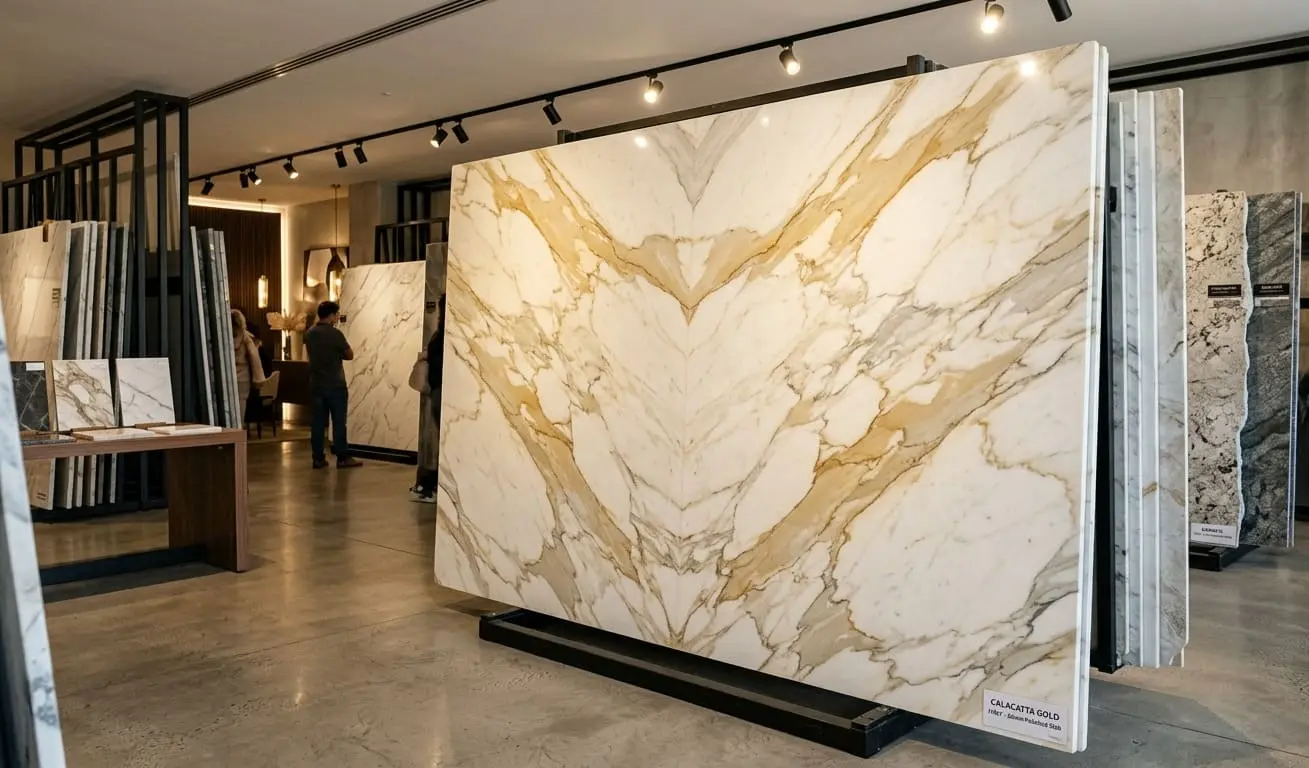
Working with a reputable marble supplier such as Nova Tile and Stone ensures that you gain access not only to quality stones but also to the expertise needed to make the right choice for your project. Clients can also schedule a showroom appointment to explore marble slabs and stone options in person, making the selection process more informed and tailored to their specific design goals. As design trends continue to evolve, marble's enduring elegance and structural reliability guarantee that it will remain a cornerstone material in architecture and design for generations to come.
Frequently Asked Questions
Marble is a metamorphic rock formed when limestone is subjected to extreme heat and pressure beneath the earth's surface. This transformation process gives marble its distinctive veining, rich color variations, and natural sheen, characteristics that set it apart from other natural stones like granite or sandstone. Its unique combination of aesthetic beauty and structural durability makes it a preferred choice in both residential and commercial construction.
White marble varieties, such as Carrara marble, are among the most popular choices for kitchen countertops due to their clean, elegant appearance. However, from a functional standpoint, any marble with a high calcite or dolomite composition works well in kitchen settings because of marble's natural heat-resistant properties. It is recommended to seal the surface properly to enhance its resistance to stains and moisture in high-use kitchen environments.
Choosing the right marble depends on several factors, including the intended application, the overall design aesthetic, and your budget. For high-traffic flooring, denser and harder marble varieties are advisable for their durability. For accent walls or decorative elements, rarer types like blue or green marble can add a striking visual impact.
Yes, marble is widely recognized for its durability and longevity when properly maintained. Its natural resistance to heat, water, and certain chemicals makes it a reliable material for both interior and exterior applications. While marble can be susceptible to scratching or etching from acidic substances, routine sealing and proper care significantly extend its lifespan, allowing it to retain its beauty for decades.
Marble is quarried from various locations around the world, with some of the most renowned sources being Italy, Greece, Turkey, India, and Spain. Each region produces marble with distinct color profiles and veining patterns, largely influenced by the local mineral composition of the limestone from which it originates. Marble suppliers work directly with quarries to source and select stones, ensuring quality and consistency before the material reaches architects, builders, and consumers.
Note: Some images on this page may be conceptual renderings created to illustrate design possibilities and may not depict actual installations.