Travertine slab is a naturally occurring limestone surface formed in mineral hot springs, widely used as a surfacing material for both indoor and outdoor home applications. It is recognized for its distinctive porous texture, earthy color range, spanning cream, beige, tan, gold, red, and gray, and its long-standing durability when properly sealed and maintained.
Homeowners and designers commonly use travertine slabs for flooring, wall cladding, countertops, backsplashes, and shower surfaces. Available in four primary finishes, polished, honed, tumbled, and brushed, travertine slabs are compatible with a wide range of interior styles, from rustic to contemporary.
While travertine slabs offer notable advantages such as heat resistance, aesthetic versatility, and a lifespan exceeding 25 years, they do require consistent upkeep. Their porous nature makes them susceptible to staining and acid etching, so annual sealing with pH-neutral cleaning products is essential.
If you're evaluating travertine slabs for your next home renovation project, this guide covers everything you need to make a confident, informed decision, including pros and cons, common uses, available finishes, installation tips, and long-term maintenance best practices.
What Exactly Is a Travertine Slab?
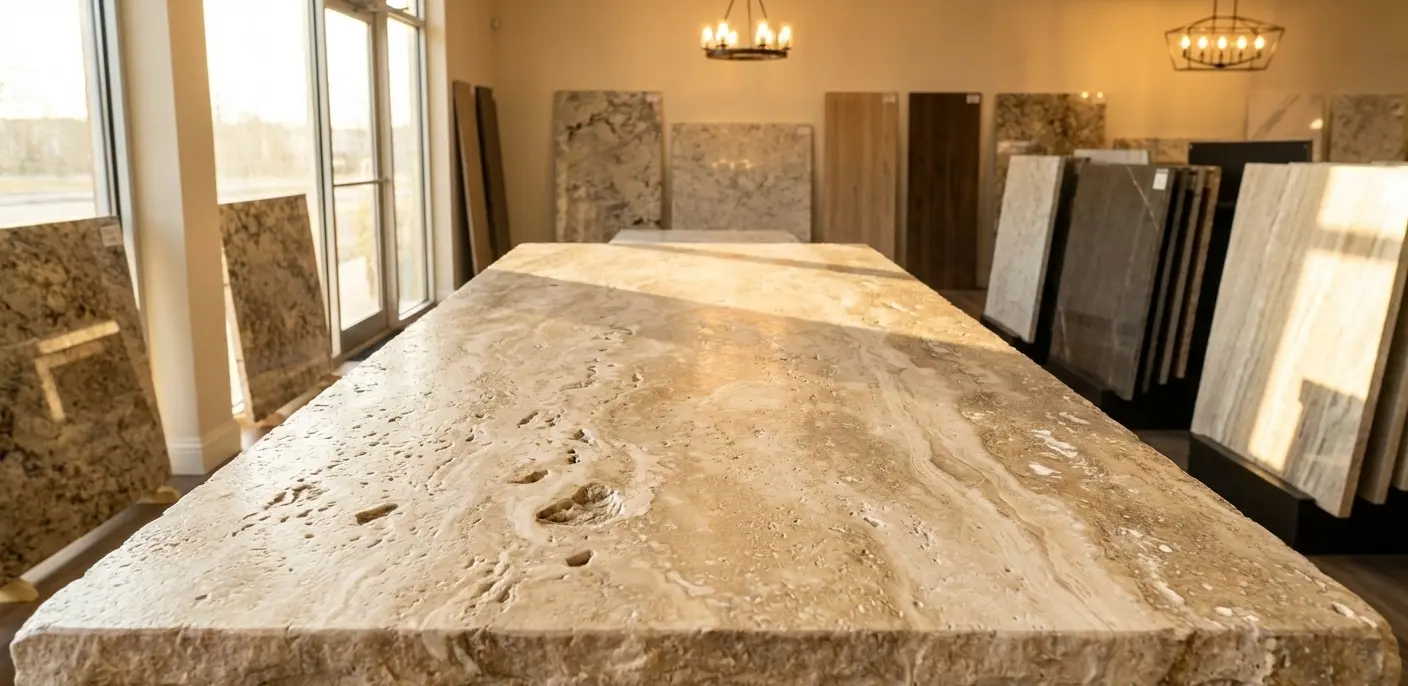
A travertine slab is a large surface cut from travertine, a limestone variety that naturally develops within mineral hot springs. It can be found across the globe, from Indonesia and Iceland to iconic U.S. landmarks like Yellowstone National Park. The flowing spring water carves tiny holes throughout the stone, producing its signature textured, one-of-a-kind look.
During manufacturing or installation, those natural holes are typically filled with materials such as concrete to achieve a smoother, more refined finish. While travertine slabs were traditionally reserved for outdoor applications, they have since become a sought-after material for indoor flooring, shower walls, and beyond. Keep in mind, though, because this stone is naturally porous, it's vulnerable to staining and damage from acidic substances, making consistent maintenance and sealing a non-negotiable priority, especially when you shop premium travertine slabs and natural stone surfaces from our local tile and stone showroom for your project.
Pros and Cons of Travertine Slabs
Pros
- Versatility: Travertine slabs perform beautifully in both interior and exterior settings. Their earthy, organic tones, ranging from warm beiges to rich chocolate browns, complement everything from rustic farmhouse aesthetics to sleek contemporary designs. Use them across main living floors, kitchen accents, or bathroom features.
- Durability: When properly sealed, travertine slabs are tough and resilient. They hold up exceptionally well under heavy foot traffic, making them an ideal choice for active, busy households. Their natural resistance to scratches and cracks only adds to their suitability for high-traffic zones.
- Heat Resistance: Travertine slabs handle elevated temperatures with ease, making them a top performer on sun-drenched patios and around fireplaces. They maintain their aesthetic integrity even under intense heat conditions.
Cons
- Porous Surface: Because travertine slabs readily absorb liquids, staining becomes a real concern. Proper sealing and ongoing maintenance are critical, particularly in heavy-use or family-oriented areas of the home.
- High Maintenance Demands: Travertine slabs require a consistent care routine. Use only pH-neutral cleaning products, and plan to reseal the surface on an annual basis to preserve their appearance. Many homeowners, however, consider the effort well worth the stunning end result.
- Acid Sensitivity: Acidic substances, think citrus juices or vinegar, can etch and dull the surface of travertine slabs. Address spills right away and keep abrasive or harsh chemical cleaners well away from the stone.
Common Applications for Travertine Slabs
Flooring: Homeowners drawn to rustic or refined elegance will find travertine slab flooring a compelling choice. Available in polished, honed, tumbled, and brushed finishes, it adapts effortlessly to a wide variety of interior styles.
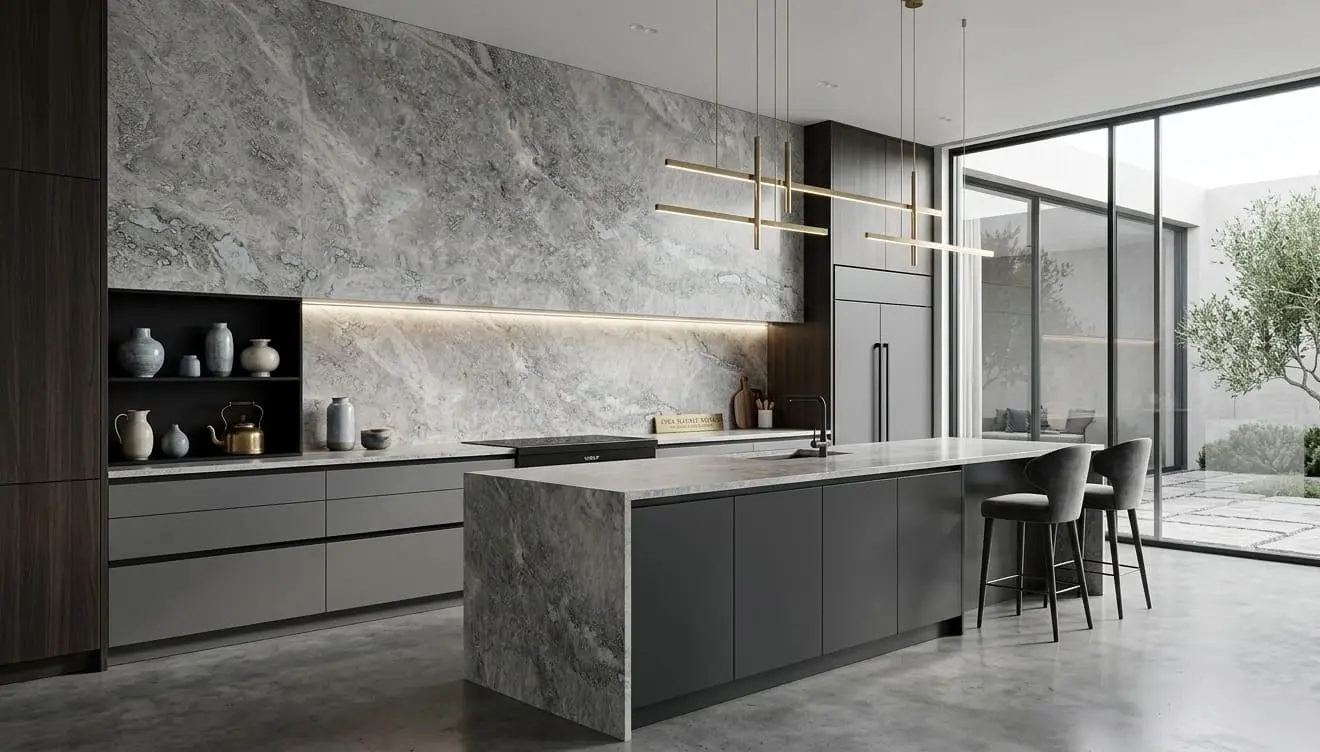
Walls: Travertine slab wall cladding can turn an ordinary surface into an eye-catching focal point. Whether applied across an entire wall or used strategically as an accent, it introduces rich texture and visual character to both indoor and outdoor environments.
Countertops: Travertine slab countertops bring a distinctive, upscale surface to any room. However, it's worth noting that this stone should be kept away from food preparation areas, as it can absorb odors and staining agents.
Backsplashes: A travertine slab backsplash not only shields walls from splashes and spills but also instantly elevates the visual appeal of kitchens and bathrooms. Its natural patterning and color variation create compelling visual interest without the need for complex stonework.
Showers: Travertine slabs bring their naturally water-tolerant history into the bathroom. They clean up with minimal effort but require thorough, consistent sealing to prevent water-related deterioration over time. For trade professionals managing multiple projects, you can apply for a trade account with our tile and stone company for more convenient sourcing and support.
Available Types, Finishes, and Colors
Travertine slabs are available in a broad range of finishes, polished, honed, tumbled, or brushed, allowing you to dial in exactly the right look for your space. Color options span a rich palette of natural tones, including gray, beige, tan, cream, red, and gold. Thanks to their organic veining, no two slabs are ever identical, guaranteeing a truly unique finish every time. To explore these options in person, you can schedule an appointment with our tile and stone showroom.
Travertine Slab Installation Considerations
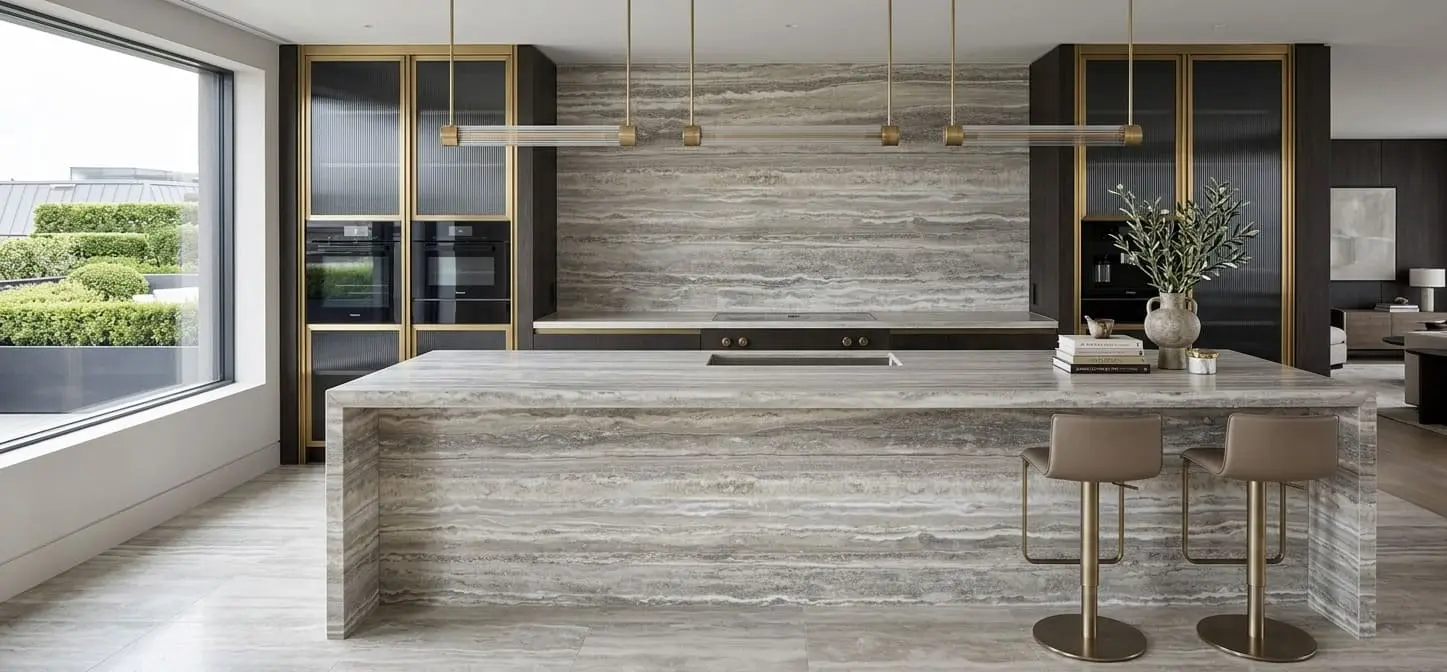
Successful travertine slab installation starts with a clean, level, debris-free surface. Before setting anything, dry-lay the slabs to assess alignment and verify color consistency, this step prevents costly corrections later. Once the layout is confirmed, apply mortar, set the slabs, and follow through with grout application. Sealing the surface post-installation is an essential final step that directly impacts the material's long-term durability.
How to Clean and Maintain Travertine Slabs
Keeping travertine slabs in peak condition over the long haul requires a disciplined care routine. Over time, air pockets within the slab may rise to the surface, address these promptly using a travertine repair filler. Higher-grade stone tends to require less filler overall.
Clean up spills immediately using pH-neutral products and avoid chemical-based cleaners at all costs. After initial installation, seal the surface right away and repeat this process annually. A quality sealant forms a protective barrier against both stains and moisture infiltration. With consistent, attentive care, travertine slabs can remain in excellent condition for more than 25 years.
Conclusion
Travertine slabs are more than just a building material, they are a timeless natural stone that brings warmth, character, and lasting elegance to any space they occupy. From sun-exposed outdoor patios to sleek indoor bathrooms, their versatility makes them one of the most adaptable flooring and surfacing options available today. Yes, they demand a degree of commitment in terms of sealing and maintenance, but the payoff, a beautifully distinctive surface that can endure for well over two decades, makes that investment absolutely worthwhile.
Whether you're drawn to their rich earthy tones, heat-resistant properties, or simply their organic, one-of-a-kind appearance, travertine slabs remain a smart, style-forward choice for homeowners who value both form and function. With the right installation approach and a consistent care routine, travertine slabs won't just meet your expectations, they will exceed them for years to come.
For a reliable source and expert guidance, choose a trusted travertine slab supplier like Nova Tile and Stone, and request a slab quote directly from our team to get started on your project.
Frequently Asked Questions
Are travertine slabs a good choice for high-traffic areas of the home?
Yes, when properly sealed, travertine slabs are highly durable and hold up well under consistent, heavy foot traffic. Their natural density and resistance to scratches and surface cracks make them particularly well-suited for busy entryways, hallways, and living areas. The key is ensuring the stone is sealed correctly upon installation and resealed on a regular annual basis to maintain its structural integrity.
How often do travertine slabs need to be sealed?
As a general rule, travertine slabs should be sealed immediately after installation and then resealed once every year. However, the frequency may vary depending on the level of use and the specific area where the stone is installed. High-traffic or moisture-prone areas, such as kitchens, bathrooms, and showers, may benefit from more frequent sealing to keep the surface fully protected against staining and water infiltration.
Can travertine slabs be used in wet areas like showers and pool surrounds?
Absolutely. Travertine slabs actually have a long history of use in water-rich environments, given their natural origins in mineral hot springs. They work well in showers, pool decks, and outdoor water features. That said, thorough and consistent sealing is non-negotiable in these settings. Without a proper sealant barrier, prolonged water exposure can lead to gradual surface deterioration and long-term structural damage.
What cleaning products are safe to use on travertine slabs?
Always opt for pH-neutral cleaning products when maintaining travertine slab surfaces. Acidic cleaners, including those containing vinegar, lemon, or other citrus-based compounds, can etch and permanently dull the stone's surface. Similarly, avoid harsh chemical or abrasive cleaners, as these can strip away the sealant and damage the slab over time. For routine cleaning, warm water and a mild, stone-safe detergent are your safest and most effective options.
How do travertine slabs compare to other natural stones like marble or granite?
Each natural stone has its own strengths, but travertine slabs stand out for their warm, earthy aesthetic and relatively accessible price point compared to marble. While marble offers a more polished, luxurious appearance and granite is prized for its hardness and low porosity, travertine brings a unique textured, organic character that neither of the other two can replicate. It is, however, more porous than both marble and granite, which means diligent sealing and maintenance play a bigger role in preserving the slab's appearance and longevity over time.