Marble is a metamorphic rock composed primarily of calcium and magnesium carbonate, formed when limestone undergoes intense heat and pressure beneath the earth's surface. It is one of the most widely used natural stones in construction and interior design, valued for its veining patterns, color range, and long-term durability. Marble occurs naturally in white, grey, black, red, and other shades depending on its mineral composition, and it can be finished in polished, honed, leathered, tumbled, or matte surfaces to suit different applications.
The most recognized types of marble are grouped by color. White marble varieties include Calacatta, quarried from the Apuan Mountains in Italy and known for bold veining; Carrara, from the Carrara region of Italy, recognized for fine detailing and high polish; Statuario, from quarries above Carrara, distinguished by intricate grey veining; and Thassos White, sourced from the Greek island of Thasos, noted for its fine-grained crystalline surface. Gray marble varieties include Bardiglio, an Italian marble with a soft grey tone and modern appearance, and Emperador, quarried in Spain and Turkey and recognized for its distinctive veining in both light and dark shades.
Choosing the right marble type depends on the specific requirements of your project, including color preference, intended application, desired finish, and maintenance considerations. To explore available materials in person and compare natural variations, visit our marble slab collection, where you can view a wide range of colors, finishes, and unique veining patterns, or learn more through the guide to understanding environmental and health product labels for natural stone.
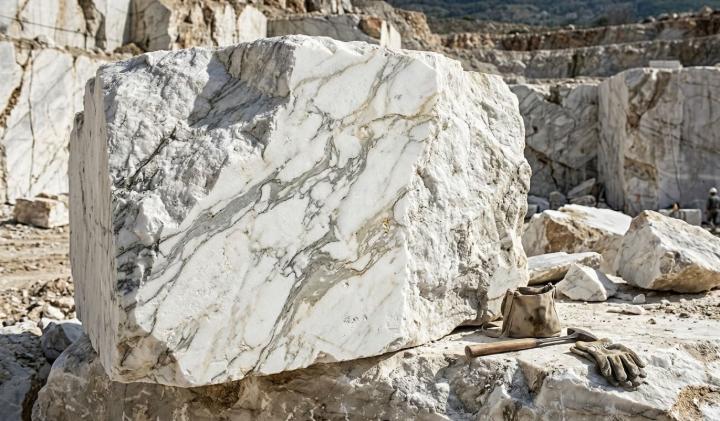
Understanding Marble and Its Characteristics
Each marble variety behaves differently depending on where and how it formed. Here is what to know about the key characteristics before diving into specific types.
1. Color Variations
White is marble's most recognized base color, but the stone naturally occurs in red, grey, black, and several other shades. Those color differences come from the varying mineral compositions present during formation. Each shade carries its own visual weight, contributing to the material's reputation as a luxurious, high-end stone. If you would like to see stone selections and industry happenings in person, you can check the upcoming events where natural stone and design are regularly featured and also explore our shop local page to discover how you can source quality tile and natural stone directly from us.
2. Veining Patterns
Marble's veining is a direct result of its geological formation process. You'll find patterns ranging from sweeping swirls and soft cloud-like formations to sharp, linear veins. These natural markings are what give marble its distinctive, one-of-a-kind surface in any installation.
3. Durability and Maintenance
Marble is often described as soft relative to other stones, but it is still a strong, long-lasting material. Properly maintained marble flooring can hold up for hundreds of years. Routine cleaning with widely available products is generally sufficient to keep it in good condition. For best results and long-term care, follow the step-by-step guide on how to clean marble countertops and preserve their natural beauty.
4. Texture and Finish
Marble can be finished in multiple ways to suit different applications. Leathered, honed, tumbled, matte, polished, and glossy are among the most common options. Each finish changes how the stone looks and feels, making marble adaptable across flooring, wall panels, kitchen countertops, and more.
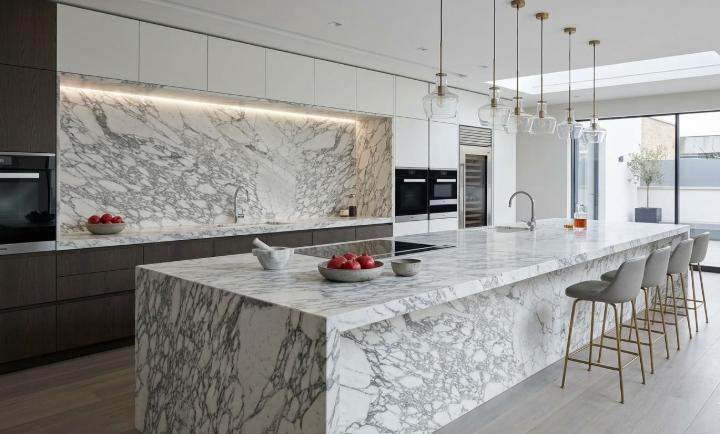
Exploring Different Types of Marble by Color
One practical way to navigate marble varieties is by color. Here is a breakdown of the major color categories and the specific types within each.
1. White Marble
White is marble's most natural and prevalent base color, making white marble the most widely available variety on the market. For professionals and industry partners looking to source materials efficiently, you can apply for a trade account to access exclusive benefits and streamlined purchasing options.
a. Calacatta Marble
Calacatta marble originates from the Apuan Mountains in Italy, which is why it is often referred to as Italian marble. It is recognized for its bold, dramatic veining that ranges from soft and subtle to striking and pronounced.
b. Carrara Marble
Quarried in the Carrara region of Italy, Carrara marble is defined by its refined detailing and smooth, high-polish surface. It is one of the most historically significant marble varieties in Italian stonemasonry.
c. Statuario Marble
Statuario marble comes from quarries above Carrara in Italy. It falls within the white marble category and is distinguished by intricate grey veining that moves across the surface with notable visual depth.
d. Thassos White Marble
Sourced from the Greek island of Thasos, Thassos white marble is known for its fine-grained, crystalline surface. It produces a bright, clean white that stands out among other white marble varieties.
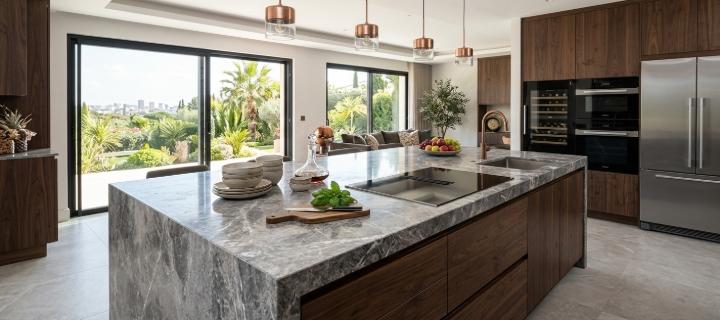
2. Gray Marble
Gray marble forms when limestone undergoes intense heat and pressure during the metamorphic process. It offers a cooler, more contemporary aesthetic compared to white varieties. For accurate planning and material selection, you can request a slab quote tailored to your project requirements, including size, finish, and availability
a. Bardiglio Marble
Bardiglio is an Italian marble with a soft grey tone and a clean, modern appearance. Its understated coloring makes it a versatile option for spaces that call for a refined but less dramatic stone.
b. Emperador Marble
Emperador marble is quarried in Spain and Turkey and is immediately recognizable by its distinctive veining. It comes in both light and dark variations, giving designers flexibility depending on the depth of color a project requires.
Conclusion
Marble remains one of the most versatile and time-tested natural stones available, and knowing how to distinguish between its varieties puts you in a much stronger position when planning any design or construction project. From the bold veining of Calacatta to the crystalline brightness of Thassos White, each marble type brings its own character to a space.
Gray varieties like Bardiglio and Emperador expand those options further, offering cooler tones and contemporary appeal for modern interiors. Whether you are selecting marble for flooring, countertops, or wall applications, matching the right type to your project's requirements in terms of color, finish, and durability is what leads to results that hold up both visually and functionally for years to come.
To get expert guidance and see materials up close, you can schedule an appointment with Nova Tile and Stone for personalized assistance and slab viewing and work with us, your trusted tile and stone company for quality materials and professional support.
Frequently Asked Questions
What is the difference between Calacatta and Carrara marble?
Calacatta and Carrara marble both originate from Italy, but they differ significantly in appearance and rarity. Calacatta is quarried from the Apuan Mountains and features bold, dramatic veining against a bright white background. Carrara comes from the Carrara region and has a softer grey-white base with finer, more delicate veining. Calacatta is generally considered the rarer and more premium of the two.
Which type of marble is best for kitchen countertops?
Harder, denser marble varieties tend to perform better on kitchen countertops because they are more resistant to scratching and etching from acidic substances. Calacatta and Statuario marble are popular countertop choices due to their durability and striking visual appeal. Regardless of the variety you choose, sealing the surface regularly helps protect it from staining and moisture damage in a kitchen environment.
How do different marble finishes affect performance and appearance?
The finish you select changes both how marble looks and how it performs in daily use. A polished finish enhances the stone's natural color and veining with a reflective, glossy surface, but it can show scratches more easily over time. A honed finish produces a matte, smooth surface that is more forgiving in high-traffic areas. Leathered and tumbled finishes add texture and a more aged, natural look while also offering better slip resistance, making them suitable for floors and outdoor applications.
Is marble a durable material for flooring?
Yes, marble is a durable flooring material when properly maintained. It has been used in high-traffic architectural settings for centuries and can last hundreds of years with consistent care. The key is sealing it periodically, cleaning up spills promptly, and avoiding harsh or abrasive cleaning products that can degrade the surface over time.
What causes the veining patterns in marble?
Marble's veining forms during the metamorphic process that creates the stone. When limestone is subjected to intense heat and pressure deep within the earth, minerals such as iron oxides, clay, and other impurities get distributed through the rock. As the stone recrystallizes, those minerals arrange themselves into the veins, swirls, and cloud-like patterns visible on the surface. Because this process is entirely natural, no two marble slabs produce identical veining.