When embarking on a renovation or new construction project, understanding material options helps you make informed decisions that impact both aesthetics and functionality. Slabs represent one of the most premium choices available for countertops, backsplashes, and other architectural applications. Learning what distinguishes these large-format pieces from other options reveals why they've become the preferred choice for discerning homeowners and design professionals alike.
Defining Slabs in Construction and Design
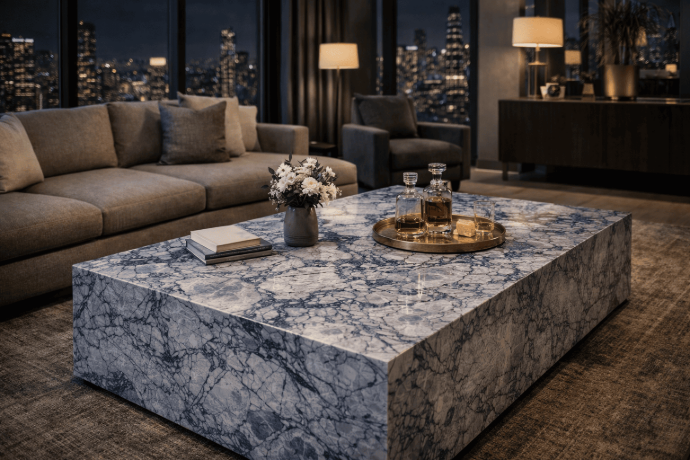
A slab refers to a large, flat piece of material cut from natural stone formations or manufactured as an engineered product. Unlike tiles or smaller format pieces, slabs offer substantial coverage with minimal seaming. This large format provides both practical advantages and aesthetic benefits that smaller pieces simply cannot match.
In the context of residential and commercial design, slabs most commonly refer to granite, marble, quartzite, quartz, and other premium materials used for horizontal and vertical surfaces. The term distinguishes these substantial pieces from tiles, which are smaller, pre-cut units, and from remnants, which are leftover portions from previous projects.
The impressive size allows fabricators to create custom pieces tailored to your specific space requirements. Whether you need a kitchen island, bathroom vanity, or fireplace surround, slabs provide the raw material that professionals transform into perfectly fitted installations.
How Natural Stone Slabs Are Created
Natural stone slabs begin their journey in quarries around the world, where massive blocks are extracted from the earth. These blocks contain geological formations created over millions of years through heat, pressure, and mineral deposits.
Once extracted, blocks travel to processing facilities where specialized equipment cuts them into manageable pieces. Large diameter saws with diamond-coated blades slice through the dense material, creating pieces of consistent thickness. This process requires precision equipment and skilled operators who understand how to work with each type's unique characteristics.
After cutting, pieces undergo surface finishing processes that determine their final appearance. Polishing creates the glossy, reflective surface most people associate with premium countertops. Honing produces a matte finish with less reflection. Leathered finishes add subtle texture while maintaining natural character. Different finish options dramatically affect both appearance and maintenance requirements.
Engineered Slab Production
Engineered slabs, primarily quartz surfaces, follow a different manufacturing process that combines natural materials with modern technology. Production begins with crushing natural quartz crystals into consistent particles, which then mix with polymer resins and pigments.
The mixture undergoes intense pressure and vibration, removing air pockets and ensuring uniform density throughout. The result is a non-porous material with consistent properties throughout the entire piece.
After initial forming, pieces cure under controlled conditions before surface finishing. Manufacturers can create virtually any color or pattern during production, offering design flexibility that natural materials cannot provide. This controlled process ensures consistent color and pattern across multiple pieces, beneficial for large projects.
Understanding Slab Sizes
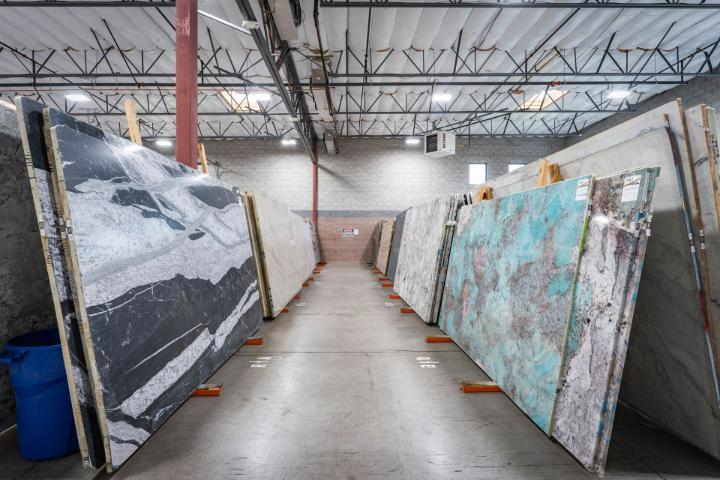
Slabs come in various dimensions depending on material type, quarry specifications, and manufacturer standards. These substantial sizes allow coverage of most residential countertop runs with minimal seaming, though exact dimensions vary by supplier and material.
Thickness represents another crucial dimension, with most options available in 2cm or 3cm. The 3cm thickness has become standard for most residential applications due to its structural advantages and substantial appearance. Thicker options require less support structure and better accommodate certain edge profile selections.
The large format nature means these pieces are heavy and require professional handling. This weight contributes to the solid, substantial feel that makes them desirable for premium installations.
Types of Materials Available in Slab Format
The variety of materials available continues expanding as manufacturers develop new products and quarries open access to previously unavailable varieties. Each material type offers distinct characteristics that influence both appearance and performance.
Granite showcases nature's artistry through speckled patterns and color variations. As an igneous rock formed from cooled magma, granite exhibits exceptional hardness and heat resistance. Browse available options to see the remarkable range of colors and patterns granite offers, from subtle neutrals to dramatic statement pieces.
Marble conveys timeless elegance through characteristic veining and luminous quality. This metamorphic stone has adorned prestigious buildings and homes for centuries, bringing sophistication and luxury to any space. While requiring more maintenance than some alternatives, marble's incomparable beauty makes it a perennial favorite.
Quartzite combines marble's aesthetic appeal with impressive durability. This naturally occurring metamorphic rock starts as sandstone before heat and pressure transform it into one of nature's hardest materials. Quartzite resists scratching, etching, and heat while displaying beautiful patterns and colors.
Engineered Quartz Advantages
Engineered quartz represents modern material science, combining natural quartz crystals with polymer resins. This composition creates surfaces that resist staining, scratching, and bacterial growth while requiring no sealing.
The manufacturing process allows color and pattern consistency impossible with natural materials. If you need multiple pieces for a large project, engineered quartz ensures matching appearance across all sections. This predictability appeals to designers and homeowners who want specific aesthetics without natural variation.
Non-porous composition means liquids cannot penetrate the surface, eliminating the primary pathway for staining. Spills wipe away easily without leaving marks, even substances that would stain porous natural materials. This characteristic makes quartz particularly appealing for busy kitchens and high-use areas.
The Advantages of Large Format Installation
Choosing slabs over tiles or smaller format materials provides numerous benefits that extend beyond aesthetics. The most obvious advantage involves reduced seaming, creating cleaner, more continuous visual flow across surfaces. Fewer seams also mean fewer places for moisture, bacteria, or debris to accumulate.
The substantial feel and appearance convey quality and permanence that smaller format materials cannot match. When you experience a countertop or admire a fireplace surround, the solid construction and minimal seaming create an impression of luxury and thoughtful design investment.
Large format pieces also simplify cleaning and maintenance. Without numerous grout lines to scrub or multiple seams to monitor, upkeep becomes straightforward. This practical benefit complements the aesthetic advantages, making slabs ideal for busy households.
Selecting Slabs for Different Applications
While countertops represent the most common application, these versatile materials enhance numerous surfaces throughout residential and commercial spaces. Understanding how they work in various applications helps you envision possibilities for your own projects.
Kitchen countertops benefit enormously from this installation approach, where cooking activities demand durable, hygienic surfaces. The ability to create continuous runs across long counter spans, around sinks, and along islands makes this format ideal for high-use areas. Proper maintenance ensures these surfaces remain beautiful and functional for decades.
Bathroom vanities showcase aesthetic potential in smaller formats. The moisture resistance of properly sealed natural materials or non-porous engineered options makes them perfect for this application. Matching pieces to backsplashes creates cohesive design schemes that elevate the entire space.
Fireplace surrounds gain dramatic impact when clad in full-height pieces. The vertical installation showcases veining patterns and color variations beautifully while providing appropriate heat resistance. Large format eliminates horizontal seams that can interrupt visual flow in this prominent architectural feature.
Understanding Pricing Factors
Several factors influence pricing, and understanding these elements helps you budget appropriately and make informed selections. Material type represents the most significant price determinant, with common varieties costing less than rare or exotic options.
Rarity and availability affect pricing dramatically. Materials quarried in limited quantities or from geographically challenging locations command premium prices. Unique colors, dramatic veining patterns, or unusual mineral compositions increase desirability and cost. Popular varieties with consistent supply typically offer more affordable options.
Thickness impacts pricing, with 3cm options costing more than 2cm alternatives due to the additional material and processing required. However, thicker options often prove more economical overall when considering reduced support requirements and enhanced durability.
Transportation costs also factor into final pricing, as these heavy materials require specialized handling and shipping. Working with local suppliers can reduce these expenses while providing access to personalized service and expert guidance throughout your project.
The Selection Process Explained
Choosing materials requires more than browsing photos online or reviewing small samples. The unique characteristics of natural options mean each piece differs from others, even within the same variety. Understanding the selection process helps you find pieces that perfectly match your vision.
Visit showrooms to view full pieces whenever possible. Photographs cannot capture the depth, movement, and subtle color variations that make each unique. Seeing materials in person allows you to evaluate how different lighting conditions affect appearance and how patterns flow across the entire surface.
Consider your space's overall design scheme when evaluating options. Samples appear different in showrooms versus your actual installation location, so evaluate materials under lighting conditions similar to where they'll be installed. Natural daylight, warm interior lighting, and cool LED lights all affect how colors and patterns present.
Schedule an appointment with design professionals who can guide your selection process. Experienced consultants understand how different materials perform in various applications and can help match your aesthetic preferences with appropriate options for your specific needs and usage patterns.
Working with Fabricators
Once you've selected materials, working with qualified fabricators ensures they transform into perfectly fitted installations. These professionals possess specialized equipment and expertise essential for cutting, shaping, and finishing these substantial pieces.
Fabrication begins with precise measurements of your space, capturing every detail that affects how pieces will fit. Fabricators create templates from these measurements, ensuring cut pieces match your exact specifications. This attention to detail prevents costly mistakes and ensures seamless integration with cabinetry and fixtures.
Edge profiles, cutouts for sinks and fixtures, and other customizations require skilled craftsmanship. Fabricators use specialized tools to execute these details with precision. The quality of fabrication work significantly impacts your finished installation's appearance and longevity.
Professional Handling Importance
Professional handling ensures your investment receives proper care and placement. These heavy materials require multiple people and specialized equipment for safe transport and positioning. Proper experience and tools prevent damage to both materials and surrounding structures.
Professionals ensure proper support structures exist before placing pieces, preventing future cracking or shifting. They verify level placement, which is crucial for both aesthetics and function. Unlevel surfaces can cause drainage issues around sinks and create visual irregularities that detract from the installation's overall quality.
Seam placement and joining represent critical aspects that significantly impact final appearance. Skilled professionals minimize seam visibility by matching patterns, maintaining consistent heights, and using appropriate joining compounds. These details distinguish quality installations from poor attempts.
Sealing and Initial Care
Most natural options require sealing to protect against staining and moisture penetration. This process fills microscopic pores in the material, creating a protective barrier that prevents liquids from entering below the surface. Quality fabricators typically apply initial sealing before installation.
Understanding your specific material's sealing requirements prevents maintenance mistakes. Granite, marble, and quartzite generally benefit from sealing, though porosity varies among different types. Engineered quartz never requires sealing due to its non-porous composition. Clarify sealing specifications with your supplier to ensure appropriate care.
Initial care after installation sets the foundation for long-term beauty. Follow recommended waiting periods before using sealed surfaces. This curing time allows sealants to fully bond with the material, ensuring maximum protection. Beginning with proper care habits prevents future problems and simplifies ongoing maintenance.
Long-Term Value Considerations
Slabs represent significant initial investments, but their long-term value often exceeds cheaper alternatives. These durable materials typically outlast other countertop options by decades, reducing replacement costs over your home's lifetime. The timeless appeal of quality materials also maintains relevance through changing design trends.
Property value impacts represent another consideration when evaluating costs. Quality surfaces consistently rank among features that buyers desire and value highly. Real estate professionals report that premium installations often contribute to faster sales and higher offers, providing measurable return on investment.
The durability and longevity of properly maintained installations also reduce environmental impact compared to materials requiring frequent replacement. This sustainability aspect appeals to environmentally conscious homeowners who consider long-term ecological effects of their material choices.
Trade Professional Resources
Design professionals, contractors, and fabricators require reliable material sources that provide consistent quality and service. Establishing relationships with reputable suppliers ensures access to diverse inventory and expert support throughout projects.
Trade account options offer professionals advantages including competitive pricing, priority access to inventory, and dedicated support from knowledgeable staff. These benefits help professionals maintain efficiency while delivering exceptional results for clients.
Access to comprehensive product information, technical specifications, and care guidelines helps professionals guide clients toward appropriate selections. Understanding material properties, maintenance requirements, and performance characteristics enables informed recommendations that align with client needs and expectations.
Sustainable Sourcing Practices
Environmental consciousness increasingly influences material selection decisions. Natural options offer inherent sustainability advantages as they're quarried directly from the earth without synthetic processing. At the end of their useful life, these materials can be repurposed or crushed for other applications rather than entering landfills.
Responsible quarrying practices minimize environmental impact during extraction. Many modern quarries implement land reclamation programs, water recycling systems, and dust control measures that reduce their ecological footprint. Choosing suppliers committed to sustainable practices ensures your materials align with environmental values.
The exceptional longevity of quality installations also contributes to sustainability. When surfaces last 50 years or more, this reduces demand for replacement materials and associated manufacturing, transportation, and installation impacts. This durability makes them environmentally responsible choices for long-term thinking homeowners.
Design Flexibility and Customization
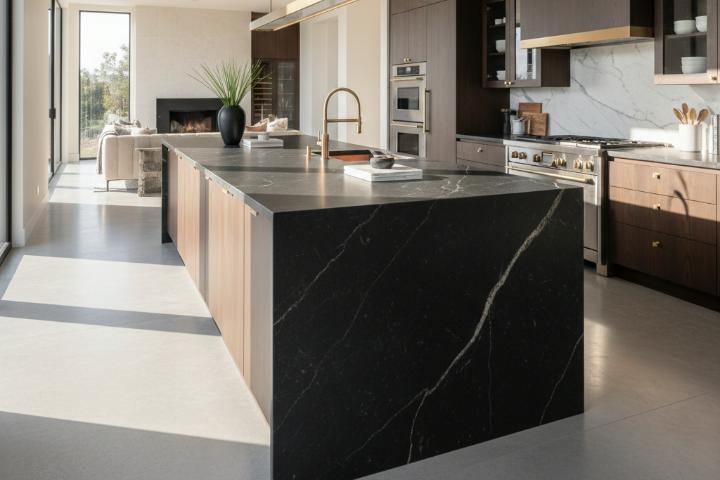
One of the most compelling reasons to choose slabs involves the design flexibility they provide. Large format pieces allow for creative applications impossible with smaller materials. Waterfall edges, where the material continues vertically down cabinet sides, create dramatic contemporary statements.
Book-matching techniques align two pieces to mirror each other's veining patterns, creating symmetrical designs that draw the eye and showcase natural beauty. This approach works particularly well on kitchen islands or feature walls where the installation becomes a focal point.
Custom edge profiles add another layer of personalization. From simple beveled edges to elaborate ogee profiles, the edge treatment you select impacts both visual style and practical function. Fabricators can execute virtually any edge design, allowing you to tailor installations to your exact preferences.
Comparing Slabs to Alternative Materials
Understanding how slabs compare to alternative countertop materials helps you make informed decisions. Laminate costs significantly less but lacks the durability, heat resistance, and prestige of natural or engineered options. Surface damage to laminate often requires complete replacement rather than repair.
Tile installations offer lower material costs and some design flexibility but introduce maintenance challenges through grout lines. These seams require regular cleaning and periodic resealing to prevent staining and moisture penetration. The visual interruption of grout lines also lacks the seamless elegance of large format installations.
Solid surface materials occupy a middle ground, offering some benefits of slabs at lower price points. However, they lack the heat resistance of natural materials and the unique character that makes each piece distinctive. For homeowners prioritizing authenticity and long-term value, slabs typically represent superior choices.
Maintenance Requirements Across Materials
Different slab materials require varying levels of maintenance, and understanding these requirements helps match materials to your lifestyle. Granite requires periodic sealing but otherwise proves low-maintenance, resisting scratches, heat, and most staining agents effectively.
Marble demands more attention, as its softer composition makes it susceptible to etching from acidic substances and scratching from abrasive materials. Homeowners who love marble's appearance often accept these maintenance requirements as worthwhile trade-offs for unmatched beauty.
Quartzite offers durability approaching granite's while displaying patterns similar to marble. This combination makes it appealing for those who want marble's aesthetics with reduced maintenance concerns. Engineered quartz requires the least maintenance, needing only routine cleaning without any sealing.
Conclusion
Understanding what slabs are and how they function in design applications empowers you to make informed decisions about your renovation or construction projects. These substantial pieces of natural or engineered material offer unmatched beauty, durability, and value that justify their premium positioning in the market. From the quarry or manufacturing facility through fabrication and installation, they undergo processes that transform raw materials into functional artwork for your home. Whether you choose the timeless elegance of marble, the robust durability of granite, the strength of quartzite, or the consistent performance of engineered quartz, this format provides surfaces that enhance daily life while increasing property value. At Nova Tile and Stone, we're committed to helping you navigate the selection process, understand your options, and choose materials that perfectly align with your vision, needs, and budget. Request a quote to begin exploring how premium materials can transform your space into something truly exceptional.
Frequently Asked Questions
What is the difference between a slab and a tile?
Slabs are large-format pieces, while tiles are smaller, pre-cut units typically measuring 12x12 inches or similar dimensions. Slabs require professional fabrication to cut them to specific dimensions, whereas tiles come ready to install. This format creates installations with minimal seams and continuous patterns, while tile installations feature grout lines between each piece. For countertops and premium applications, this approach offers superior aesthetics and fewer maintenance concerns compared to tiles.
How heavy are these materials?
Weight varies significantly depending on material type, dimensions, and thickness. They are substantial and heavy, requiring multiple people and proper equipment for safe handling, transportation, and installation. The weight contributes to the solid, substantial feel that makes them desirable for premium installations. Always work with professionals who have appropriate equipment and experience handling these materials safely.
Can slabs be used outdoors?
Many materials perform excellently in outdoor applications, though selection matters significantly. Granite and quartzite withstand weather exposure, temperature fluctuations, and UV radiation without fading or deteriorating. Marble is less suitable for outdoor use in harsh climates as weathering can affect its appearance over time. Engineered quartz should be avoided in direct sunlight exposure as UV rays can cause discoloration. When planning outdoor installations, consult with suppliers about specific material recommendations for your climate and exposure conditions.
How do I choose between 2cm and 3cm thickness?
The 3cm thickness has become standard for most residential applications due to its structural advantages and substantial appearance. Thicker options require less support structure, better accommodate decorative edge profiles, and convey a more premium feel. The 2cm option costs less and weighs less but typically requires additional support and works best with simpler edge treatments. For most countertop applications, particularly those with overhangs or islands, 3cm represents the better long-term choice despite higher initial cost.
How long does the entire process take?
Timeline varies based on project complexity, material availability, and fabricator schedules. Typical residential projects require several weeks from initial selection and measurement through final installation. Initial templating takes a few hours, fabrication time depends on complexity and shop workload, and installation usually completes within a few days for average-sized kitchens. Discussing schedules with your fabricator early helps ensure realistic expectations and project planning.